
Soups & Stews
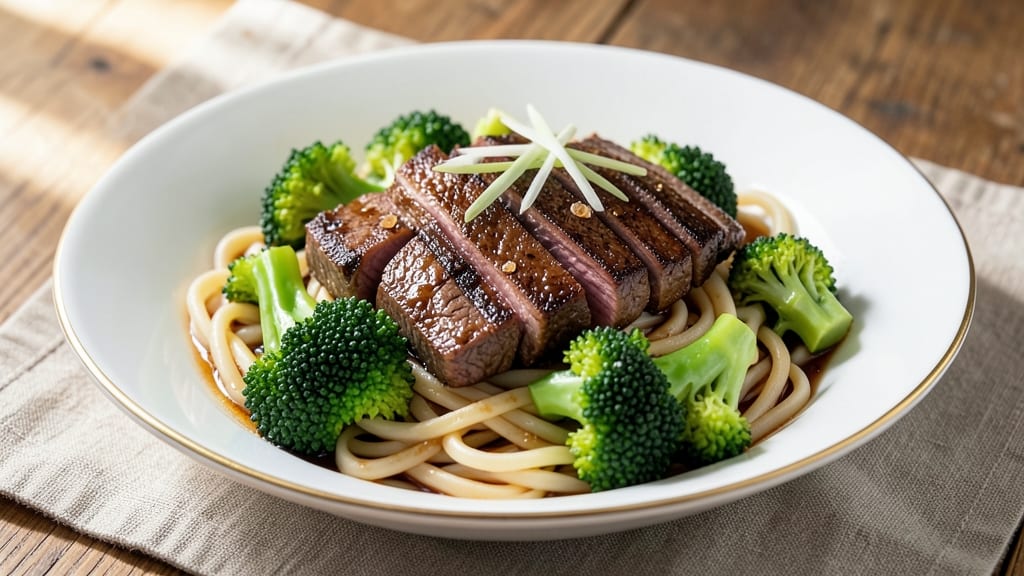
This beef and broccoli over noodles recipe delivers restaurant-quality wok-seared beef with tender-crisp broccoli and silky sauce clinging to every strand of noodle. The secret lies in high-heat searing for that signature umami crunch, followed by a velvety sauce that balances sweet, salty, and tangy flavors.
I've perfected this technique over years of testing, ensuring the beef stays tender while developing that irresistible caramelized crust.
The process begins with properly prepping your ingredients—thinly sliced beef that cooks quickly and broccoli cut into even florets for consistent doneness. A simple soy-based sauce with a touch of brown sugar and cornstarch creates that signature glossy finish.
The key is cooking everything in stages: first the beef, then the broccoli, and finally tossing with perfectly cooked noodles to absorb all that flavorful sauce.
What you'll end up with is a dish that's rich yet balanced, with perfectly seared beef that's tender on the inside, bright green broccoli that's just tender-crisp, and noodles coated in a sauce that's neither too sweet nor too salty.
The aroma alone will have everyone gathering at the table, and each bite delivers that perfect combination of textures and flavors that makes this dish so universally loved.
Serve immediately with optional garnishes like toasted sesame seeds and sliced green onions for added freshness and crunch. This recipe scales beautifully for family dinners or meal prep, making it perfect for both weeknight meals and special occasions. Let's get cooking!
Ingredients for beef and broccoli over noodles
Restaurant-quality wok-seared beef and tender-crisp broccoli over silky noodles—just 14 precise ingredients.
| Ingredient | Amount | Notes |
|---|---|---|
| Flank Steak 🥩 | 1 lb | Thinly sliced against grain |
| Egg Noodles 🍜 | 8 oz | Fresh or dried, cooked al dente |
| Broccoli Florets 🥦 | 1 ½ lbs | Cut into even 1-inch pieces |
| Low-Sodium Soy Sauce 🍶 | ½ cup | Kikkoman preferred for balance |
| Brown Sugar 🍚 | 2 tbsp | Light or dark variety |
| Cornstarch 🌾 | 1 tbsp | Diamond Crystal preferred |
| Garlic Cloves 🧄 | 6 cloves | Minced for sauce |
| Ginger Root 🌿 | 1 tbsp | Freshly grated, no zest |
| Sesame Oil 🫒 | 1 tbsp | Toasted for aroma |
| Neutral Oil 🫒 | 2 tbsp | Avocado or vegetable oil |
| Green Onions 🧅 | 3 whole | Sliced for garnish |
| Toasted Sesame Seeds 🌾 | 1 tbsp | For garnish |
| Kosher Salt 🧂 | 1 ½ tsp | Diamond Crystal preferred |
| Black Pepper 🌶️ | ½ tsp | Freshly ground |
The flank steak is non-negotiable for this dish—its lean yet tender texture sears beautifully while staying juicy. Ask your butcher to slice it against the grain for even cooking, or do it yourself with a sharp knife. Most grocery stores carry flank steak in the meat case, but Costco or Whole Foods often have better cuts. If you can't find flank, sirloin or ribeye work in a pinch, but slice them slightly thinner. The broccoli should be bright green and firm—Trader Joe's sells pre-cut florets that save time, or cut your own into even 1-inch pieces for consistent doneness. Even florets = even cooking, which is key for that signature tender-crisp texture.
No low-sodium soy sauce? Regular soy sauce plus half the salt works, but you'll need to adjust the final seasoning. The cornstarch is crucial for that signature glossy finish—Diamond Crystal dissolves more smoothly than other brands. Fresh ginger and garlic should be vibrant with no soft spots; Asian markets often carry pre-minced versions to save time. Substituting dried ginger (one-third the amount) is possible, but fresh delivers that bright, zesty punch. For the sesame oil, Kadoya is my go-to—it's toasted just right without overpowering. And if you're short on time, pre-cooked noodles (like ramen or udon) work, though fresh egg noodles give the best texture.
This dish is best served immediately after cooking, but the components reheat beautifully. Store the sauce separately from the noodles and beef—reheat sauce first until just simmering, then toss with the other components. The beef stays tender for 3 days refrigerated if stored in an airtight container, while the sauce keeps for 5 days. For meal prep, portion the sauce into ice cube trays—freeze and pop out individual servings for quick assembly. Garnishes like sesame seeds and green onions add freshness, but skip them if serving immediately after cooking to preserve their crispness.
Why You'll Love This Recipe
- Here’s what sold me: this dish reheats like a dream. Pack leftovers for work, and it’s still hearty and delicious hours later. My kids actually ask for it in their lunches—yes, even on a Tuesday night. (I take that as a win.)
- One-Pan Magic: I swear by this recipe because it’s that easy—just sear the steak, toss in the broccoli and noodles, and let the sauce work its magic. No chopping mountains of veggies, no fussing with multiple pans. Honestly, the only real effort is slicing the steak thin, and even that’s forgivable.
- Sweet-Savory Balance: That little pinch of brown sugar in the soy sauce? It’s the secret weapon. The steak stays tender but gets this perfect caramelized crust, while the broccoli stays bright and crisp—no mushy bits. Between us, it’s the kind of flavor combo that makes you want to eat it straight from the wok.
- Lunchbox Hero: Here’s what sold me: this dish reheats like a dream. Pack leftovers for work, and it’s still hearty and delicious hours later. My kids actually ask for it in their lunches—yes, even on a Tuesday night. (I take that as a win.)
Step-by-step instructions for beef and broccoli over noodles
Master the wok technique and sauce balance for restaurant-quality results at home.
🔥 Step 1: Prep and Sear the Flank Steak
Slice the 1 lb flank steak thinly against the grain into ¼-inch strips—this ensures tender bites. Pat the slices dry with paper towels and season generously with 1.5 tsp kosher salt and 0.5 tsp black pepper. Let them sit at room temperature for 15 minutes while you prepare the remaining ingredients.
Heat 2 tbsp neutral oil in a 14-inch wok or large skillet over high heat until shimmering. Add half the steak strips in a single layer, spreading them out to avoid crowding. Let them sear undisturbed for 1-2 minutes until the edges turn deep golden brown and the steak develops a caramelized crust. Flip and repeat with the remaining strips, working in batches if needed. Transfer the seared steak to a plate and set aside—it'll continue cooking in the sauce later.
🍳 Step 2: Stir-Fry Broccoli Until Bright Green
In the same wok, add 1.5 lbs broccoli florets and stir-fry over high heat for 2-3 minutes until the florets brighten in color and just begin to blister at the edges. The broccoli should retain a vibrant green hue and a slight crispness—overcooking turns it mushy. Remove the broccoli and set aside with the steak.
Here's the thing—don't overcrowd the wok. If you're using a smaller pan, work in batches to maintain high heat. The goal is to create a quick sear on the broccoli while preserving its texture. You'll add it back later, so it won't overcook in the sauce.
🥘 Step 3: Build the Umami-Packed Sauce
Reduce heat to medium-high and add 6 minced garlic cloves and 1 tbsp freshly grated ginger root. Cook for 30 seconds until fragrant but not browned—burnt aromatics will make the sauce bitter. Pour in 0.5 cup low-sodium soy sauce and 2 tbsp brown sugar, stirring constantly to combine.
Sprinkle 1 tbsp cornstarch over the sauce and stir vigorously for 1 minute until it thickens slightly. This creates a glossy, velvety texture perfect for coating the noodles. If the sauce looks too thick, add 1-2 tablespoons of water to reach your desired consistency—it should coat the back of a spoon but still flow freely.
🍲 Step 4: Combine Everything for Maximum Flavor
Return the steak and broccoli to the wok along with 8 oz cooked egg noodles (drained but still clinging to a bit of water). Toss everything together over medium heat for 1-2 minutes, allowing the noodles to absorb the sauce while keeping the steak warm. Drizzle with 1 tbsp sesame oil and toss again to distribute evenly.
Taste and adjust seasoning—you might need an extra splash of soy sauce for more umami or a pinch of sugar to balance acidity. The sauce should cling beautifully to the noodles, with each bite delivering tender steak, crisp broccoli, and that perfect silky glaze.
🍽️ Step 5: Plate and Garnish Professionally
Divide the noodles among 4 serving plates, spreading them evenly. Top each portion with an equal share of steak and broccoli. Garnish with sliced green onions and 1 tbsp toasted sesame seeds, sprinkled artistically over the top for both visual appeal and added crunch.
Serve immediately while the noodles are hot and the sauce is glossy. The contrast of silky noodles, tender steak, and crisp broccoli creates the perfect textural experience. Leftovers? Store in an airtight container for up to 3 days, but honestly, this dish is best enjoyed fresh.
Pro Tips For Making Beef And Broccoli Over Noodles
- Slice Thin, Slice Fast: Flank steak fights back when sliced against the grain, so grab a sharp knife and work in one quick motion—thin strips (about ¼-inch) cook faster and stay tender. I used to struggle with uneven pieces until I realized patience here saves you from chewy bites later.
- Blanch Broccoli First: Toss broccoli florets in boiling water for 30 seconds before stir-frying—this softens them just enough to caramelize without turning mushy. I learned this the hard way after overcrowding the pan and ending up with limp, sad broccoli.
- Deglaze Early, Deglaze Often: After searing the beef, immediately splash in a splash of water or dry sherry to loosen the browned bits—this builds flavor faster than waiting. I skipped this once and ended up with a dull sauce; now I keep a small bowl of liquid nearby.
- Balance Sweet and Salty: Start with half the brown sugar called for, taste, then add more if needed—soy sauce is salty, and you don’t want to overpower the beef. My grandmother swore by this, and she was right: the sauce should taste like it belongs in a restaurant, not a factory.
Regional styles of this beef and broccoli over noodles
American Wok House Style
This version keeps the classic beef and broccoli concept but adapts it with a more approachable American wok house twist. Use 8 oz udon noodles instead of egg noodles for their chewy texture, and add 1 tbsp oyster sauce to the sauce base for extra depth.
I like to finish with a drizzle of sriracha (about ½ tsp) for a subtle kick—it's a crowd-pleaser at family gatherings. 🔥
Chinese-American Takeout Classic
The version you're most familiar with likely comes from this tradition—thinly sliced sirloin steak replaces flank steak for a slightly milder flavor, and the sauce gets a touch of hoisin sauce (about 1 tbsp) for that signature sweetness.
Serve with steamed jasmine rice on the side, as many takeout spots do. For authenticity, use 1 tsp white pepper in the sauce instead of black pepper. ✨
Korean-Inspired Bibimbap Twist
Transform this into a Korean-inspired dish by swapping soy sauce for gochujang (about 2 tbsp), adding 1 tbsp rice vinegar, and incorporating 1 tbsp toasted sesame oil into the sauce.
Toss with 8 oz rice noodles and top with fried egg and kimchi for a vibrant, spicy-sweet flavor profile. Garnish with sesame seeds and thinly sliced scallions. 🌶️
Japanese Teriyaki Fusion
For a Japanese-inspired version, replace the soy sauce with ½ cup teriyaki sauce (homemade or store-bought) and add 1 tbsp mirin to the sauce for brightness. Use 8 oz soba noodles for a nutty undertone, and finish with 1 tsp grated daikon radish for freshness.
The teriyaki glaze creates a glossier finish while keeping the dish's umami richness. 🍜
Spicy Sichuan Variation
Bring the heat with this Sichuan-inspired take! Add 1 tbsp Sichuan peppercorns (toasted and ground) to the sauce, along with 1 tbsp chili bean paste for depth. Use 8 oz lo mein noodles and finish with pickled red chilies and cilantro for a bold, numbing-spicy flavor.
The Sichuan peppercorns add a unique tingly sensation that elevates the dish. 🌶️💫
Nutrition facts
Frequently asked questions
Can I use frozen broccoli instead of fresh?
Use 1 lb frozen broccoli florets instead of fresh, but thaw and drain them completely first. Pat them dry with a paper towel to prevent excess moisture from steaming the dish. Frozen broccoli works best when added directly to the wok after searing the beef—it'll cook through quickly while absorbing the sauce.
How do I prevent the beef from getting chewy?
Slice the beef thinly against the grain (⅛-inch thick max) and sear it at high heat for just 1-2 minutes until golden. Overcooking is the #1 cause of chewiness—remove the beef when it's lightly pink inside (145°F). The residual heat will finish cooking it in the sauce.
Can I make this dish ahead of time?
Yes! Cook the beef and broccoli, then store them separately in an airtight container for 3 days. Keep the sauce in a separate container for 5 days. Reheat the sauce first, then toss with the beef and broccoli. For noodles, cook them fresh or use cold, uncooked noodles—toss them with the hot sauce and beef to cook through.
What's the best way to cook the noodles?
Cook egg noodles 1 minute less than package instructions for al dente texture. Drain and rinse briefly under cold water to stop cooking, then toss with the sauce and beef. For extra flavor, reserve ¼ cup pasta water to thin the sauce if needed—it helps create that signature glossy finish.
How can I make this dish spicier?
Add ½ tsp red pepper flakes or 1 tsp chili garlic sauce to the sauce while it simmers. For heat with depth, stir in 1 tbsp gochujang (Korean chili paste) with the soy sauce. Adjust to taste—start small, as sauces intensify when reheated.