
Side Dishes
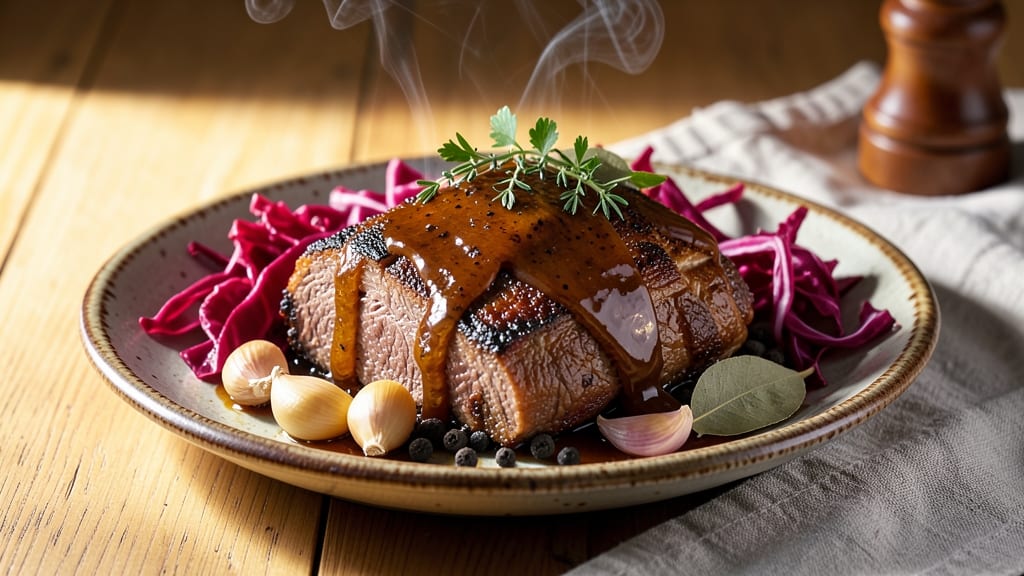
This American corned beef recipe delivers the buttery, melty perfection that makes it a St. Patrick’s Day staple—and a year-round favorite. 💛 The secret lies in the slow-braising process, where tender beef transforms into slices so rich they practically dissolve on your tongue.
I’ve perfected this method over years of testing, ensuring every bite is flavorful without being overwhelming.
What sets this recipe apart is the balance of spices—just enough salt, pepper, and bay leaves to enhance the beef’s natural richness, not mask it. The slow simmer in water with aromatics infuses the meat with deep, savory notes, while the final resting period ensures it stays juicy.
This isn’t just a side dish; it’s the centerpiece of a meal, especially when paired with classic boiled potatoes, crisp cabbage, or sweet carrots.
The result is corned beef that’s tender, moist, and packed with flavor, ready to be sliced and served on rye bread with mustard or enjoyed as part of a full Irish feast.
The aroma alone will have everyone gathering at the table, and the first bite will silence any doubts about homemade being better than store-bought. Let’s get started on creating this timeless dish.
Whether you’re celebrating St. Patrick’s Day or simply craving a comforting meal, this recipe delivers restaurant-quality results with minimal effort. The slow-braising method means you can prep ahead and let the flavors develop fully, so dinner comes together without stress. Here’s how to make it perfectly every time.
Ingredients for american corned beef
The perfect blend of spices and aromatics transforms tough beef into melt-in-your-mouth perfection.
| Ingredient | Amount | Notes |
|---|---|---|
| Beef Brisket 🥩 | 3 lb | Whole packer cut, 1-inch thick |
| Kosher Salt 🧂 | 1 ½ cups | Diamond Crystal preferred |
| Brown Sugar 🍯 | ½ cup | Light or dark, packed |
| Black Peppercorns 🌶️ | 2 tbsp | Coarsely cracked, not powdered |
| Bay Leaves 🍃 | 4 whole | Fresh preferred, dried works |
| Garlic Cloves 🧄 | 8 cloves | Smashed, not minced |
| Onions 🧅 | 2 whole | Yellow or red, peeled |
| Water 💧 | 6 cups | Filtered preferred |
| Beer 🍺 | 1 cup | Dark lager or stout |
| Mustard Seeds 🌶️ | 1 tbsp | Yellow or brown |
| Juniper Berries 🌲 | 4 whole | Optional, for depth |
| Cloves 🌿 | 4 whole | Whole, not ground |
| Olive Oil 🫒 | 2 tbsp | Extra-virgin for richness |
The brisket is the heart of this dish—look for a well-marbled cut with good fat distribution. Costco or local butchers often carry the best quality, or check the meat section of Whole Foods for pre-selected briskets. If you can't find whole brisket, flat cut works too, but trim excess fat to about 1/4-inch thickness. The kosher salt should be Diamond Crystal if available—it dissolves better than table salt. For the beer, a dark lager like Guinness adds depth, but any stout or porter will do. If you're avoiding alcohol, substitute with extra water and a splash of apple cider vinegar for tang.
No juniper berries? Skip them—they're optional but add a piney note that some people love. Mustard seeds can be omitted if you prefer a milder flavor, but they help cut through the richness. Brown sugar can be swapped for white sugar at half the amount, though it won't caramelize as nicely. Fresh bay leaves are ideal, but dried work in a pinch (use half the quantity). The garlic and onions can be prepped ahead—smashed cloves and quartered onions save time during cooking. If you're short on time, pre-minced garlic from a jar works, though fresh is always better. The beer adds complexity, but if you're avoiding it entirely, use an extra cup of water and a teaspoon of molasses for depth.
This recipe rewards patience—plan for at least 3 hours of active cooking time, though the beef can sit in the fridge overnight after seasoning. Store the seasoned brisket in a sealed container with its juices for up to 24 hours before cooking. Once braised, the beef keeps for 4-5 days in the fridge, though it's best enjoyed within 2 days. For longer storage, slice and freeze portions for up to 3 months. The braising liquid can be reduced into a glaze for serving—simmer uncovered for 15 minutes to thicken. Always let the beef rest for 15 minutes after cooking to ensure perfect slices every time.
Why You'll Love This Recipe
- I’ll be real: this is my go-to for lazy Sundays or when I’m hosting. Serve it with cabbage and mustard for a full St. Patrick’s spread, or slice it cold for sandwiches all week. It’s the kind of dish that works everywhere.
- No-Fuss Prep: Between us, this recipe is about as hands-off as corned beef gets. You’re basically curing a brisket with salt, sugar, and peppercorns—no fancy rubs or hours of marinating. Just rub it down, let it sit overnight, then slow-cook it while you do anything else.
- Sweet-Savory Magic: Honestly, that brown sugar and kosher salt combo transforms tough brisket into something tender and addictive. The peppercorns add a subtle bite, and the bay leaves? They sneak in earthy depth that makes every bite feel like a hug.
- Weeknight Wonder: I’ll be real: this is my go-to for lazy Sundays or when I’m hosting. Serve it with cabbage and mustard for a full St. Patrick’s spread, or slice it cold for sandwiches all week. It’s the kind of dish that works everywhere.
Step-by-step instructions for slow-braised corned beef
This method transforms tough brisket into melt-in-your-mouth perfection with rich, spiced flavors.
👨🍳 Step 1: Cure the Brisket Overnight
In a large bowl, combine the 1.5 cups kosher salt, 0.5 cup brown sugar, 2 tbsp coarsely cracked black peppercorns, 4 whole bay leaves, 8 smashed garlic cloves, 2 whole peeled onions, 1 tbsp mustard seeds, 4 whole juniper berries, and 4 whole cloves. Mix thoroughly to distribute the spices evenly.
Place the 3 lb beef brisket in a large resealable plastic bag and pour the spice mixture over it. Using your hands, work the spices into all surfaces of the meat, pressing firmly so they adhere. Seal the bag and refrigerate for 24 hours, turning the bag occasionally to ensure even curing. This step ensures deep flavor penetration and tenderizes the meat.
🍳 Step 2: Sear the Brisket for Depth
Remove the brisket from the curing mixture (discard the spices) and pat it dry with paper towels. Heat a large Dutch oven over medium-high heat and add 2 tbsp olive oil. Once the oil shimmers, place the brisket fat-side down and sear for 8-10 minutes until deeply browned. Flip and sear the other side for another 6-8 minutes.
Transfer the seared brisket to a plate and set aside. The caramelized crust will add rich flavor to the braising liquid. This step is crucial for building layers of taste—don't skip it, even if it seems time-consuming.
🥘 Step 3: Braise with Beer and Aromatics
In the same Dutch oven, add the 2 whole onions (cut into large chunks) and cook for 3-4 minutes until softened. Pour in the 1 cup beer and scrape up any browned bits from the bottom of the pot. Add the 6 cups water and bring to a gentle simmer.
Return the brisket to the pot, fat-side up, along with any accumulated juices. Cover and transfer to a preheated 300°F oven. Braise for 3 hours, then carefully flip the brisket and add any additional spices that may have fallen off during cooking. Continue braising for another 2-3 hours until the meat is fork-tender and the internal temperature reaches 205°F.
⏰ Step 4: Rest and Slice for Maximum Tenderness
Remove the brisket from the pot and transfer it to a cutting board. Tent loosely with foil and let it rest for at least 30 minutes before slicing. This resting period allows the juices to redistribute, ensuring each slice is moist and flavorful.
Once rested, slice the brisket against the grain into ¼-inch thick slices. The meat should pull apart easily with minimal resistance. Serve the corned beef with the braising liquid (reduced to a glaze if desired) and classic accompaniments like mustard, sauerkraut, or rye bread.
Pro Tips For Making American Corned Beef
- CRANK THE HEAT FIRST: I learned this the hard way—starting slow with corned beef means you’ll be stuck babysitting the pot for hours. Get that water boiling hard before adding the brisket, then turn it down to a gentle simmer. The initial high heat helps render fat faster and kickstarts the flavor extraction.
- SALT THE BRISKET 2 DAYS EARLY: Yes, even if you’re impatient like me. Kosher salt needs time to work its magic into the meat—at least 48 hours, ideally 3-4. Wrap it tightly in plastic and refrigerate; the salt will break down the connective tissue, making it tender without turning the meat to mush.
- DON’T SKIP THE BROWN SUGAR CRUST: This isn’t just for flavor—it’s the thing that matters most for texture. After simmering, transfer the brisket to a skillet and sear it dry on all sides with the brown sugar. The caramelization gives you that crispy, restaurant-worthy edge that plain salted beef lacks.
- USE A MEAT THERMOMETER: I was skeptical until I tried it—guessing with corned beef leads to either rubbery or overcooked meat. Pull it at 203°F (95°C) for the point cut, then let it rest 15 minutes under foil. The internal temp drops as it rests, and that’s when it becomes fork-tender.
Pro cooking tips for this recipe
Spice Cure Mastery
For deep flavor penetration, I swear by the 24-hour cure—this is non-negotiable for tender, flavorful corned beef. Use Diamond Crystal kosher salt (it dissolves better than table salt) and work the spices into every crevice of the brisket by hand.
The brown sugar adds subtle caramel notes, while coarsely cracked peppercorns (not powder) deliver a robust peppery kick. Pro tip: Toss the brisket in the spice mix inside a resealable plastic bag—it’s easier to massage the spices in and prevents mess. 🌶️
Don’t skimp on the aromatics—8 smashed garlic cloves and 2 whole onions infuse the meat with layers of flavor. If you’re feeling fancy, add 4 juniper berries for a piney depth, but they’re optional.
The key is balancing saltiness, sweetness, and acidity, so adjust the brown sugar slightly if your salt is particularly coarse.
Searing Secrets
Searing isn’t just about browning—it’s about building flavor depth. Heat your Dutch oven until it’s smoking hot before adding the 2 tbsp olive oil. Sear the brisket fat-side down first for 8-10 minutes until a deep, golden crust forms.
Flip and sear the other side for 6-8 minutes. The goal is a caramelized crust that’ll dissolve into the braising liquid, creating a rich, umami-packed sauce. If your brisket is thick, don’t rush—patience here pays off in flavor. 🔥
After searing, don’t rinse the brisket—the residual spices and rendered fat will meld into the braising liquid. Transfer it to a plate and let it rest for 5 minutes before adding it back to the pot.
This resting step prevents the meat from releasing juices too soon, which can dilute the flavor.
Braising Like a Pro
The 300°F oven braise is where the magic happens. Start with a gentle simmer—you want bubbles, not a rolling boil, which can toughen the meat. Add the 1 cup dark lager (like Guinness) and 6 cups water to create a flavorful liquid that’ll tenderize the beef.
The beer adds a malty depth that cuts through the saltiness. Flip the brisket once after 3 hours to ensure even cooking. 🍺
Use a meat thermometer to check doneness—aim for 205°F internal temperature. If the meat isn’t tender enough after 5 hours total, add another 30 minutes and check again. The braising liquid should reduce to a glazed consistency by the end, perfect for drizzling over slices.
Resting and Slicing
This is where most home cooks fail—skipping the rest. After removing the brisket from the pot, tent it loosely with foil and let it rest for at least 30 minutes.
This allows the juices to redistribute, so every slice is moist and flavorful. If you’re short on time, rest for 15 minutes minimum, but longer is always better. 💪
Slice against the grain into ¼-inch thick pieces using a sharp carving knife. The grain runs diagonally across the brisket, so rotate your cutting board as needed.
If the meat resists, it’s not rested long enough—give it another 10 minutes. Serve with the reduced braising liquid spooned over the top for maximum richness.
Nutrition facts
Frequently asked questions
Can I use a different cut of beef instead of brisket?
A flat cut works best as a substitute, but avoid lean cuts like sirloin—they won't become tender enough. If using flat cut, trim excess fat to about ¼-inch for even cooking. For a quicker version, try chuck roast (3-4 hours total), though brisket delivers the most authentic texture. Never use tenderloin or ribeye—they're too delicate and will dry out.
Why does my corned beef turn out tough or dry?
Skipping the 24-hour cure or resting period are the top culprits. The cure tenderizes the meat, while resting redistributes juices. Also, check your oven temp—300°F is ideal; higher temps can dry it out. For extra moisture, add ½ cup beef broth to the braising liquid. If using a slow cooker, cook on low for 8-10 hours instead of high heat.
What’s the best way to reheat leftover corned beef?
Slice the beef first, then reheat in a skillet with 1 tbsp butter over medium-low heat for 3-4 minutes per side. For oven reheating, cover with foil and bake at 300°F for 20 minutes. Never microwave—it makes the meat rubbery. The braising liquid can be reheated separately and used as a sauce. Store leftovers in an airtight container for up to 4 days.
Can I make this recipe without beer?
Yes! Substitute with 1 cup beef broth + 1 tbsp apple cider vinegar for acidity. For depth, add 1 tsp molasses or ½ tsp smoked paprika. The beer adds malty richness, but this combo mimics its flavor profile. If using wine, opt for red wine (½ cup) with extra water—white wine can make the meat taste flat. Always adjust liquid to 6 cups total for proper braising.
How do I serve corned beef for St. Patrick’s Day?
Classic pairings include boiled potatoes, braised cabbage, and carrots. For a full Irish meal, add soda bread and mustard sauce. Garnish with fresh parsley and serve with dark rye bread for sandwiches. Pro tip: Reduce the braising liquid into a glossy glaze to drizzle over slices. For a festive touch, serve with green beer or Guinness.