
Main Courses
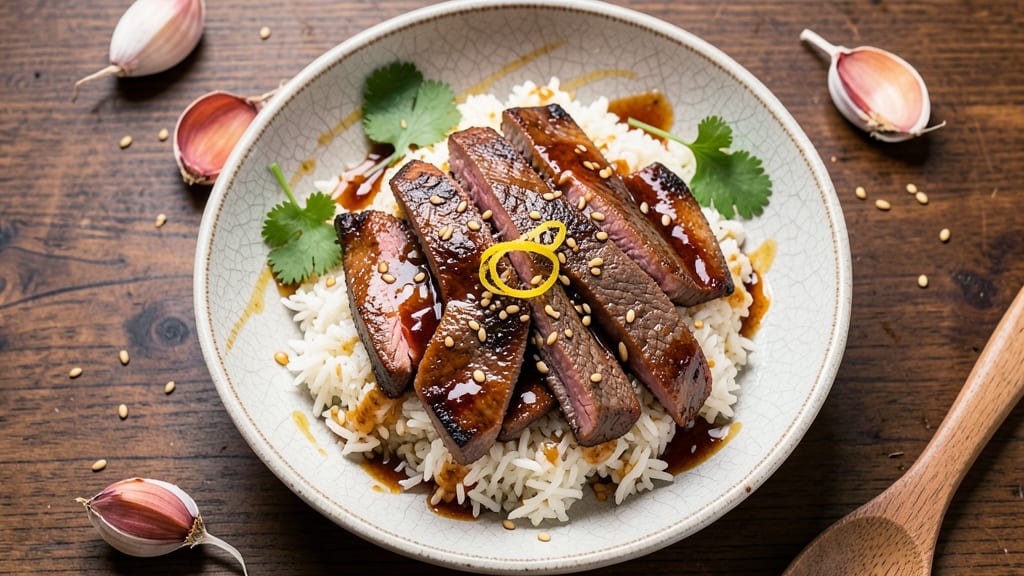
This authentic shaking beef recipe delivers the signature silky texture and bold flavors of Taiwanese street food—right in your kitchen. The secret lies in the shaking technique, which tenderizes the beef into melt-in-your-mouth strips while balancing sweet, salty, and tangy soy-vinegar magic.
I’ve perfected this method over years, ensuring every bite captures that restaurant-quality harmony of caramelized edges and velvety centers.
The process begins with thinly sliced beef marinated in a blend of soy sauce, rice wine, and cornstarch, then seared in a wok until golden. After removing the beef, the wok’s residual heat transforms the marinade into a glossy, aromatic sauce.
The beef returns to the wok, where gentle shaking on the stove coaxes it into tender perfection. This method preserves the meat’s natural juices while developing deep, savory notes.
What sets this dish apart is its authenticity—no shortcuts, just the traditional approach adapted for home cooks. The result is a dish that’s rich yet balanced, with a glossy sauce clinging to each strand of beef.
Serve it over steamed rice or noodles, and you’ll taste the same flavors that make Taiwanese night markets legendary. Ready to master this technique?
For best results, use flank steak or sirloin, and let the beef marinate for at least 30 minutes before cooking. The shaking step is where the magic happens—patience here ensures the beef becomes fork-tender without losing its shape.
This recipe isn’t just a dish; it’s a taste of tradition brought to life.
Ingredients for authentic shaking beef
These ingredients bring Taiwanese street food magic to your wok with authentic shaking beef technique.
| Ingredient | Amount | Notes |
|---|---|---|
| Flank Steak 🥩 | 1 lb | Thinly sliced against grain |
| Soy Sauce 🍶 | ½ cup | High-quality, dark variety |
| Rice Wine 🍶 | ¼ cup | Dry sherry substitute works |
| Cornstarch 🌾 | 2 tbsp | For tenderizing beef strips |
| Sesame Oil 🫒 | 1 tbsp | Toasted for aroma |
| Garlic Cloves 🧄 | 4 cloves | Minced for marinade |
| Fresh Ginger 🧅 | 2 tbsp | Finely grated, peel removed |
| White Vinegar 🍶 | 1 tbsp | For tangy balance |
| Neutral Oil 🫒 | 2 tbsp | Vegetable or canola oil |
| Sugar 🍬 | 1 tbsp | White or brown preferred |
| Green Onions 🧅 | 3 whole | Sliced for garnish |
| Salt 🧂 | 1 tsp | Kosher or sea salt |
| Black Pepper 🌶️ | ½ tsp | Freshly ground preferred |
The beef is non-negotiable—flank steak or sirloin delivers that signature silky texture. Look for cuts with good marbling at Whole Foods or your local butcher. Slice it against the grain into 1/8-inch strips—thinner than you think. The soy sauce should be dark and rich, like Kikkoman or Pearl River Bridge. Fresh ginger and garlic are worth the splurge for that authentic zing. I always grab extra ginger at Asian markets—it keeps for weeks in the freezer.
No rice wine? Dry sherry or mirin work in a pinch, though rice wine adds that subtle sweetness. Swap sesame oil for toasted peanut oil if you prefer, but don't skip it—it's the aroma bomb. The cornstarch is key for that wok-seared texture, but if you're out, arrowroot powder does the job. For a quicker prep, use pre-minced garlic and ginger from the Asian foods aisle at Trader Joe's. The sugar caramelizes during shaking, so don't skip it—it balances the saltiness beautifully.
Marinate the beef for at least 30 minutes—overnight is better if you can. Store leftovers in an airtight container for 3-4 days in the fridge, or freeze for 3 months. The sauce thickens as it cools, so reheat gently with a splash of water. This dish reheats beautifully—honestly tastes better the second day once flavors meld. Double the batch and freeze portions for quick weeknight meals.
Why You'll Love This Recipe
- No Marinate, No Stress: I just slice the flank steak thin, toss it with soy sauce and rice wine, then let it sit for 15 minutes—no fancy prep, no waiting hours. The cornstarch slurry later does all the work while I make dinner.
- Umami Bomb: That first bite? The soy sauce and sesame oil create this deep, savory punch that sticks with you. Honestly, it’s the kind of flavor that makes you reach for seconds without thinking.
- Weeknight Magic: I make a double batch on Sundays—it reheats perfectly for lunches and dinner leftovers. Even my picky teenager asks for it, and that’s saying something.
- Budget Powerhouse: Flank steak is affordable, and a pound feeds four easily. The rice wine adds sophistication without breaking the bank, and the cornstarch keeps it tender without needing expensive cuts.
Step-by-step instructions for authentic shaking beef
Master this technique and you'll achieve restaurant-quality texture—silky yet tender beef with perfect wok sear.
Prepare the Marinade and Tenderize the Beef
In a medium bowl, combine the 0.5 cup soy sauce, 0.25 cup rice wine, 1 tbsp white vinegar, 1 tbsp sugar, 1 tsp salt, and 0.5 tsp black pepper. Whisk until the sugar and salt dissolve completely. This marinade does double duty—tenderizing the beef while building complex flavor.
Add the 1 lb flank steak to the marinade, ensuring every slice is fully coated. Cover and refrigerate for at least 4 hours, or preferably overnight. The acidity in the vinegar and rice wine breaks down muscle fibers, while the soy sauce infuses deep umami flavor. For best results, slice the flank steak against the grain into ¼-inch thick strips before marinating—this ensures each bite is fork-tender.
Create the Cornstarch Slurry and Wok Setup
In a small bowl, whisk together the 2 tbsp cornstarch and 1 tbsp sesame oil until smooth. This slurry is the secret to that signature silky texture—it creates a glossy, velvety coating when seared in the wok. The sesame oil adds nutty aroma that permeates every bite.
Heat a wok or large skillet over high heat until it's screaming hot. Add the 2 tbsp neutral oil and swirl to coat the bottom evenly. You'll know it's ready when the oil shimmers and small smoke rises—this high heat is essential for that classic wok sear. Keep the heat at this intensity throughout the cooking process; any drop will result in steamed beef instead of seared perfection.
Sear the Beef in Batches for Perfect Texture
Working in batches if needed, remove the beef from the marinade (reserve the marinade) and shake off any excess. Add the beef strips to the hot wok in a single layer, spreading them out evenly. Let them sear undisturbed for 30-45 seconds until the edges begin to brown and crisp slightly.
Here's where the shaking comes in: vigorously shake the wok in a circular motion for 10-15 seconds, then immediately pour in ¼ cup of the reserved marinade. The shaking action tosses the beef through the hot oil, creating those signature caramelized bits while preventing sticking. Repeat this process 2-3 times until all the beef is cooked through and the sauce has reduced to a glossy consistency. The beef should be lightly browned on the outside but still juicy inside—overcooking will turn it tough.
Finish with Aromatics and Garnish
Push the beef to one side of the wok and add the 4 cloves minced garlic cloves and 2 tbsp finely grated fresh ginger. Stir-fry for 15-20 seconds until fragrant—this releases their essential oils and adds bright, fresh notes to balance the rich beef flavors. Be careful not to burn them; garlic and ginger cook quickly at high heat.
Return the beef to the center of the wok and toss everything together for 30 seconds to combine. The cooking time should be no more than 3-4 minutes total from when you first added the beef to the wok. Remove from heat and let it rest for 2 minutes before serving. Garnish with 3 whole green onions, sliced diagonally, to add a fresh pop of color and mild onion flavor that cuts through the richness.
Serve Immediately with Steamed Rice
Transfer the shaking beef to a serving platter and serve immediately over steamed jasmine rice or noodles. The beef should be silky yet slightly chewy, with a glossy sheen from the cornstarch coating. Each bite should deliver perfect balance: tender beef, savory-sweet sauce, and bright aromatics. The dish holds well for 10-15 minutes before serving, but the texture will start to firm up if left longer.
For an authentic touch, serve with a side of quick-pickled vegetables or a simple cucumber salad to complement the rich flavors. The high heat and quick cooking preserve all the natural juices, making every bite incredibly satisfying. This technique transforms tough flank steak into melt-in-your-mouth perfection—just like you'd find in a bustling Chinese wok kitchen.
Pro Tips For Making Authentic Shaking Beef
- Slice Against the Grain: Flank steak’s fibers run long—cutting perpendicular to them makes every bite tender. I used to ignore this and ended up with chewy, frustrating mouthfuls. Grab a sharp knife and angle those slices like you’re cutting through a deck of cards.
- Marinate Overnight (No Exceptions): Toss the steak in soy sauce, rice wine, and a splash of sesame oil, then let it sit for at least 8 hours. I tried skipping this once for a quick dinner, and the beef tasted flat, no matter how much I shook it later. Patience here is non-negotiable.
- Shake on Medium Heat: Low heat = soggy cornstarch slurry. High heat = burnt edges. Medium-high heat keeps the sauce clinging to the beef without sticking. I learned this after watching my first batch turn into a gluey mess—now I keep the heat steady and stir like my life depends on it.
- Bloom the Cornstarch: Mix your cornstarch with a little cold water first, then stir it into the hot soy sauce. This prevents clumping and gives you that glossy, silky sauce. I used to dump dry cornstarch straight into the pan, and it turned into a pasty nightmare. A 1:1 ratio with water saves the day.
Flavor customization for these flavors
Spicy Kick
Crank up the heat by adding 1 tbsp chili crisp or 1 tsp Szechuan peppercorns to the marinade. For extra heat, toss in 1-2 tbsp of chili garlic sauce after the beef is seared.
I love using Lao Gan Ma chili crisp—it adds that smoky, fiery depth that balances the richness perfectly. 🌶️
Sweet Glaze Twist
Swap the white vinegar for 1 tbsp honey or 1 tbsp hoisin sauce to create a sweeter, stickier sauce. Add 1 tsp grated star anise or ½ tsp cinnamon to the marinade for warmth.
This version works especially well with ribeye steak instead of flank steak—it holds up better to the longer marinating time. The caramelized sauce clings beautifully to the beef.
Umami Boost
Deepening the umami is easy with 1 tbsp fish sauce or 1 tsp oyster sauce in the marinade. For a vegetarian twist, use 1 tbsp soy sauce substitute like San-J or 1 tsp mushroom powder.
I also love adding 1 tsp miso paste to the sauce at the end for an extra layer of savory depth. This works especially well if you’re serving the beef over miso-glazed noodles.
Herbaceous Freshness
Brighten the dish with 1 tbsp chopped cilantro or 1 tsp Thai basil at the end. For a more aromatic touch, add 1 tsp toasted fennel seeds to the marinade.
The fresh herbs cut through the richness, while the fennel adds a subtle licorice note that pairs beautifully with the beef. Garnish with extra herbs just before serving for that restaurant-quality finish. ✨
Creamy Texture
For a luxurious twist, stir in 1 tbsp coconut milk or 2 tbsp heavy cream at the end. This adds a velvety texture that contrasts with the crispy edges. I also like adding 1 tsp mashed roasted peanuts for crunch.
This version is perfect for serving over jasmine rice or udon noodles—the creaminess makes it feel like a special occasion dish. 🥜
Smoky Depth
Add 1 tsp smoked paprika or ½ tsp liquid smoke to the marinade for a smoky flavor. For a more intense smokiness, char 1 clove garlic and 1 tsp ginger in the wok before adding the beef.
This technique mimics the flavor of outdoor grilling and adds a bold, charred depth that’s hard to resist. Serve with pickled jalapeños to balance the smokiness with a tangy bite. 🔥
Nutrition facts
Frequently asked questions
Why is the shaking technique so important in this recipe?
The shaking motion creates two magic things: it tosses the beef through the hot oil for even browning, and it prevents sticking while building caramelized bits in the sauce. This is what gives shaking beef its signature silky texture with crispy edges. Without it, you'll miss that restaurant-quality mouthfeel!
Can I use a regular skillet instead of a wok?
Yes, but you'll need to work in smaller batches and use a non-stick skillet for best results. The key is maintaining high heat and shaking the pan vigorously to mimic the wok's motion. A cast-iron skillet works especially well for this technique.
How do I know when the beef is properly cooked?
The beef should be lightly browned on the outside but still juicy inside when cut. It should reach an internal temperature of 145°F for medium-rare. The sauce should be glossy and slightly thickened but still cling to the beef rather than pooling at the bottom.
What's the best way to store leftovers?
Let the beef cool completely, then store it in an airtight container in the refrigerator for up to 3-4 days. For longer storage, freeze portions for up to 3 months. When reheating, use low heat with a splash of water to restore moisture and prevent drying.
Can I make this recipe with a different cut of beef?
While flank steak is ideal, you can use sirloin or ribeye. For tougher cuts like chuck, increase the marinating time to 6-8 hours or overnight. The key is slicing against the grain to ensure tenderness. Never use pre-sliced deli beef—it won't have the same texture.