
Soups & Stews
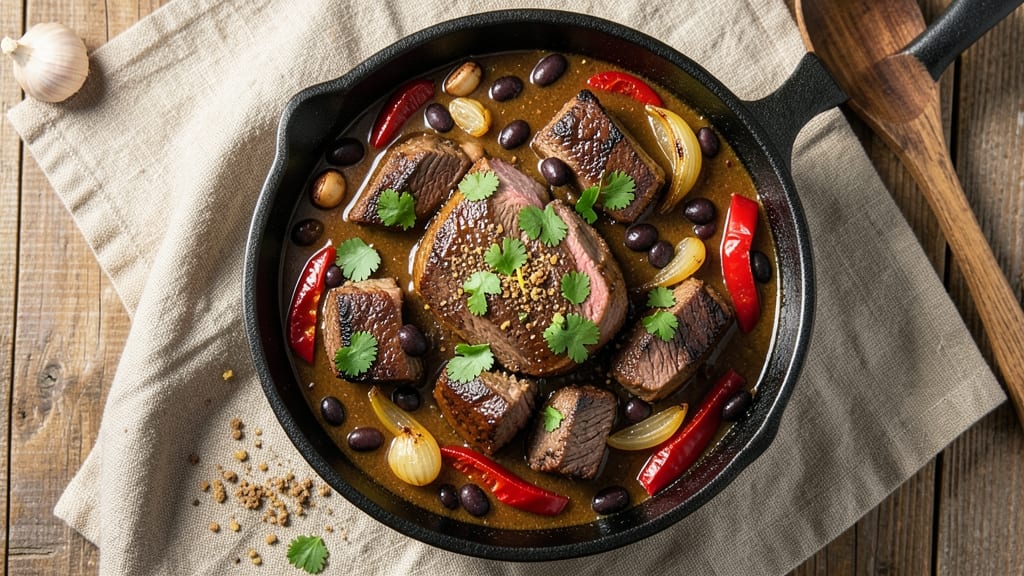
This beef and black bean stew recipe delivers the kind of deep, satisfying flavor that turns a simple weeknight into a hearty celebration. The secret lies in slow-simmered beef that practically melts in your mouth, combined with tender black beans and aromatic spices that build complexity over time.
I developed this version after years of testing—balancing rich textures, bold spices, and the perfect ratio of meat to beans for maximum heartiness.
The foundation starts with properly browning the beef, which creates a flavorful crust that dissolves into the stew as it simmers. Sautéing onions, garlic, and bell peppers until soft builds a sweet, aromatic base, while cumin, chili powder, and bay leaves infuse the broth with warm, earthy depth.
The result is a stew that's rich enough to stand alone but versatile enough to pair with crusty bread or over rice.
What makes this recipe work is the three-hour simmer—this is where the magic happens. The beef becomes fork-tender while the beans absorb the flavors, creating a harmonious blend of textures and tastes.
The broth reduces to a perfect consistency, neither too thin nor too thick, with just enough body to coat every spoonful. Each bite delivers layers of savory, smoky, and slightly sweet notes that make this stew irresistibly comforting.
Whether you're feeding a family or meal prepping for the week, this beef and black bean stew delivers restaurant-quality results at home. The technique is straightforward but requires patience—worth every minute for a dish that tastes even better the next day. Let's get cooking!
Ingredients for beef and black bean stew
Sixteen ingredients for a stew that builds rich, hearty flavor through slow simmering and layered spices.
| Ingredient | Amount | Notes |
|---|---|---|
| Chuck Roast 🥩 | 2 ½ lb | Cut into 1.5-inch cubes |
| Dry Black Beans 🌱 | 1 ½ cups | Soaked overnight or quick-soaked |
| Yellow Onion 🧅 | 1 whole | Diced into 1/4-inch pieces |
| Red Bell Pepper 🌶️ | 1 whole | Diced into 1/4-inch pieces |
| Garlic Cloves 🧄 | 4 cloves | Minced finely |
| Ground Cumin 🌿 | 1 ½ tbsp | Freshly toasted preferred |
| Chili Powder 🌶️ | 2 tbsp | Medium heat variety |
| Bay Leaves 🍃 | 2 whole | Remove before serving |
| Beef Broth 💧 | 4 cups | Low-sodium preferred |
| Tomato Paste 🍅 | ½ cup | Smooth consistency |
| Olive Oil 🫒 | 2 tbsp | Extra-virgin for richness |
| Salt 🧂 | 1 ½ tsp | Kosher or sea salt |
| Black Pepper 🌶️ | 1 tsp | Freshly ground preferred |
| Cumin Seeds 🌿 | ½ tsp | Toasted for aroma |
| Fresh Cilantro 🌿 | ¼ cup | Chopped for garnish |
The chuck roast is non-negotiable for this recipe—its marbled fat renders into the stew, creating a velvety texture. Costco or Trader Joe's often carry pre-cubed chuck, saving you time, but if buying whole, ask your butcher to cut it into 1.5-inch chunks. For the black beans, dried is essential—canned beans lack the depth of flavor. Soak them overnight or use the quick-soak method (boil for 2 minutes, then let sit for an hour). The onion and bell pepper should be diced uniformly for even cooking, and fresh garlic makes all the difference over powdered.
No chuck roast? Beef stew meat works in a pinch, though it may not yield the same tender results. Swap dried beans for canned? Reduce the liquid by 1 cup to compensate. For the spices, Penzeys or bulk bins at natural markets offer the freshest cumin and chili powder—look for vibrant color and strong aroma. The tomato paste can be substituted with 1 cup of crushed tomatoes, though it won't achieve the same concentrated depth. If you're short on time, pre-toasted cumin seeds (ground in a spice grinder) add an extra layer of warmth without extra effort.
This stew tastes even better the next day, so make a double batch if you have the space. Store in airtight containers in the fridge for up to 5 days, or freeze for 3 months—portion into individual servings for easy reheating. The cilantro wilts quickly, so add it fresh just before serving. For reheating, simmer gently on the stove with a splash of water or broth to restore the perfect consistency. Leftovers reheat beautifully, making this a perfect meal-prep dish for busy weeks.
Why You'll Love This Recipe
- Foolproof Prep: The chuck roast doesn’t need fancy slicing—just a quick sear and a slow simmer. Between us, I’ve made this with pre-chopped onions and bell peppers straight from the jar, and it still tastes like a labor of love.
- Deep Umami Magic: That slow-cooked chuck roast? It practically melts into the black beans, soaking up all the garlic and caramelized onion sweetness. Honestly, the first time I tasted it, I thought, "Wait, this is restaurant-level?"—and it’s all from a slow cooker.
- Weeknight to Potluck: Serve it over rice for a hearty weeknight dinner or ladle it into bowls for a crowd. I’ll be real: my in-laws asked for the recipe after one taste, and now it’s my go-to for holiday gatherings. The beans keep it filling, the peppers add color, and everyone clears their plates.
- Budget-Friendly Feast: A single chuck roast and a bag of dry black beans stretch to feed four for days. Between the leftovers reheating beautifully and the ingredients costing pennies, this stew is my secret weapon for stretching meals without sacrificing flavor. (Yes, even on a Tuesday night.)
Step-by-step instructions for beef and black bean stew
This method delivers rich, tender beef and hearty black beans with deep, layered flavors.
Prepare the Chuck Roast and Dry Beans
Pat the 2.5 lb chuck roast dry with paper towels and cut it into 1.5-inch cubes. Season each piece generously with 1 tsp salt and ½ tsp black pepper—this ensures flavor penetration as it cooks. Set aside while you prepare the beans.
If you soaked the 1.5 cups dry black beans overnight, drain and rinse them thoroughly. For quick-soaking, cover them with plenty of water and bring to a boil for 2 minutes, then let them soak for 1 hour. Drain again before using. Properly prepared beans prevent a gummy texture in the stew.
Sauté Aromatics and Brown the Beef
Heat the 2 tbsp olive oil in a large Dutch oven over medium-high heat. Add the 0.5 tsp toasted cumin seeds and toast them for 30 seconds until fragrant—this releases their aromatic oils. Add the diced yellow onion and red bell pepper, cooking for 5-6 minutes until softened and slightly caramelized.
Push the vegetables to one side of the pot and add the chuck roast cubes. Brown them in batches for 2-3 minutes per side until deeply golden. This step develops the Maillard reaction, creating rich, complex flavors. Don't overcrowd the pan—work in batches if needed.
Build the Spiced Base
Return all the browned beef to the pot with the vegetables. Stir in the 4 minced garlic cloves, 1.5 tbsp ground cumin, and 2 tbsp chili powder, cooking for 1 minute until the spices are fragrant. Add the 0.5 cup tomato paste and stir to combine, letting it cook for 2 minutes to deepen its flavor.
Pour in the 4 cups beef broth and add the drained black beans and 2 bay leaves. Bring the mixture to a gentle boil, then reduce heat to low. The stew should bubble softly—this prevents the beans from breaking down and keeps the beef tender.
Simmer Until Tender
Cover the pot and simmer for 2.5-3 hours until the beef is fork-tender and easily pulls apart. Stir occasionally to prevent sticking, but avoid aggressive stirring—this keeps the stew's texture intact. The beans should be fully tender, and the flavors should meld into a cohesive, rich broth.
About 30 minutes before the stew is done, check the seasoning. Taste and adjust with additional salt if needed—beef broth can vary in saltiness. Remove and discard the bay leaves before serving to avoid a bitter taste.
Finish and Serve
Once the stew reaches the desired tenderness, stir in the 0.25 cup chopped fresh cilantro and let it steep for 5 minutes off the heat. This allows the cilantro to infuse its bright, fresh flavor into the stew without wilting completely. Taste again and adjust seasoning if necessary.
Serve the stew immediately in bowls, garnished with extra cilantro. The beef should be melt-in-your-mouth tender, the beans creamy yet intact, and the broth rich with layered spices. Pair it with warm cornbread or crusty bread to soak up every last drop of this hearty, satisfying stew.
Pro Tips For Making Beef And Black Bean Stew
- Sear the Chuck Roast First: I learned this the hard way—skipping the sear means flavorless beef. Get your Dutch oven screaming hot, pat the chuck dry, and brown that meat in batches. The crust locks in juices and builds depth that simmering alone can’t match.
- Soak Beans Overnight (Or Use Canned): Dry black beans need love—soak them 8+ hours or overnight. If you’re short on time, canned beans work, but drain and rinse them well to cut the gummy texture. Trust me, the stew will thank you.
- Don’t Overcrowd the Pot: Tossing everything in at once leads to sad, half-cooked veggies. Sauté onions and peppers until soft, then add garlic and bell pepper in stages. Crowding steams instead of caramelizes—kill flavor that way.
- Deglaze with Beer or Broth: After browning the beef, don’t just add water—scrape up those fond bits with a splash of beer or beef broth. It’s the glue that binds the stew and adds richness without extra effort. (Yes, even if you’re not a beer drinker.)
Common mistakes when making perfect results
Skipping the Brown Step
Never skip browning the beef—this is where deep flavor develops through the Maillard reaction. When I first tried this recipe without browning, the stew tasted flat and one-dimensional.
Brown your beef in batches over medium-high heat until deeply golden. If your pan gets crowded, work in two batches to avoid steaming instead of searing. 🔥
Under-Soaking Beans
If you rush the bean soaking process, you risk gummy texture in your stew. I learned this the hard way when I used canned beans as a shortcut—they broke down too quickly during simmering.
For dried beans, always soak overnight or at minimum use the 2-minute boil + 1-hour soak method. The extra time removes anti-nutrients that cause toughness.
Adding Liquid Too Early
Dumping all your broth in at once dilutes flavors and extends cooking time. Instead, build layers: first brown the beef, then develop the spices, and only add the 4 cups beef broth after everything is properly caramelized.
This creates a more concentrated, flavorful base. I now add broth in two stages—half initially, then the rest after the initial simmer.
Overcrowding the Pot
Packing your Dutch oven too tightly with beef and vegetables leads to steaming instead of browning. When I made this mistake, my stew ended up bland and watery. Brown beef in batches, and sauté onions/peppers until they're clearly caramelized before adding liquid.
A good rule is to have no more than 1 inch of ingredients in your pot before adding liquid.
Ignoring the Simmer Time
Rushing the 2.5-3 hour simmer results in tough beef and mealy beans. I once tried cutting it to 1.5 hours and ended up with chewy meat that needed hours more cooking.
The slow simmer is non-negotiable—it's what transforms tough chuck into melt-in-your-mouth perfection. If you're short on time, use a pressure cooker for 45 minutes on high pressure, but monitor closely.
Forgetting to Skim Fat
While not strictly necessary, skimming excess fat from the surface during simmering prevents a greasy final product. I now skim about 10 minutes before the end of cooking—just enough to reduce surface fat without affecting flavor.
Use a large spoon or fat separator for best results. This makes a noticeable difference when serving with crusty bread. 💫
Nutrition facts
Frequently asked questions
Can I use canned black beans instead of dried?
Yes, but you'll need to adjust the liquid. Use 2 (15-oz) cans of drained beans and reduce the beef broth by 1 cup to maintain proper consistency. Canned beans cook faster, so simmer for 1.5-2 hours instead of 3 hours. The texture will be slightly softer, but still delicious!
How do I make this stew in a slow cooker?
Brown the beef first, then transfer everything to your slow cooker. Cook on low for 7-8 hours or high for 4-5 hours. The slow cooker's gentle heat works perfectly for tenderizing the beef. Add the cilantro fresh at the end—it won't survive the cooking process.
What's the best way to reheat leftovers?
Reheat in a pot over medium-low heat, adding 2-3 tbsp water or broth to restore moisture. Stir occasionally for 5-7 minutes until warmed through. Microwaving works too, but the texture suffers—always reheat gently to preserve the stew's rich consistency.
Can I substitute the chuck roast with another cut?
Yes, but choose wisely! Beef stew meat or chuck shoulder work well, though cooking time may vary. Avoid lean cuts like sirloin—they'll dry out. If using a tougher cut, increase simmer time by 30 minutes to ensure tenderness. The fat content is key for that melt-in-your-mouth texture!
Is this stew freezer-friendly?
Let it cool completely, then store in airtight containers for up to 3 months. The flavors actually improve after freezing. Thaw overnight in the fridge before reheating. For best results, freeze in portion-sized containers—this way you can thaw just what you need.