
Main Courses
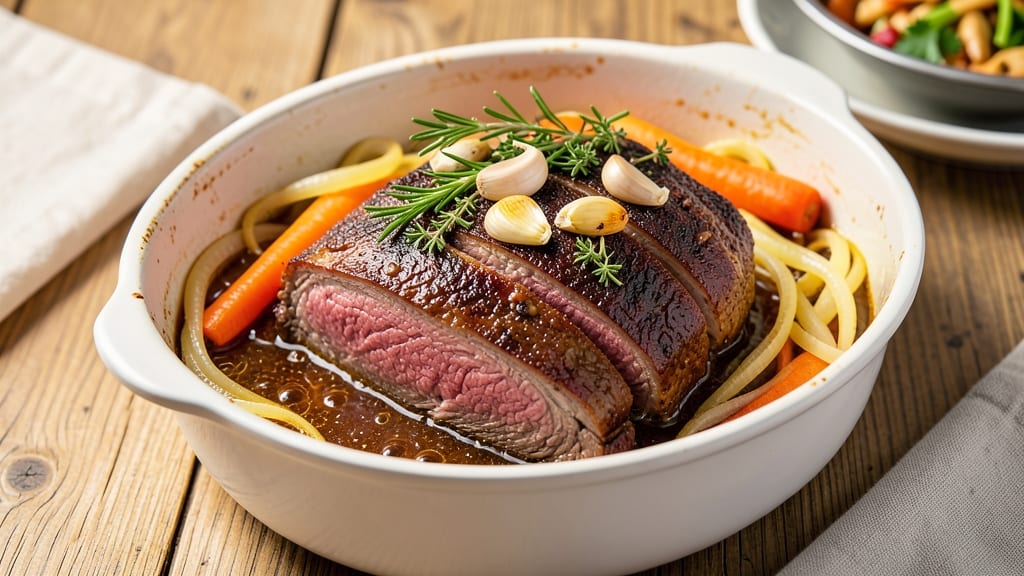
This Angus beef roast crock pot recipe transforms tough cuts into melt-in-your-mouth perfection with minimal effort—just 6 hours of hands-off cooking yields meat so tender it practically falls apart. The secret lies in slow braising, which develops deep, caramelized flavors while breaking down connective tissue for that coveted fall-off-the-bone texture. I've perfected this method after years of testing, and it consistently delivers restaurant-quality results at home.
The beauty of this crock pot method is its simplicity: you season the roast, add aromatics, and let the slow cooker do the rest. No need for fancy techniques or expensive equipment—just a few basic ingredients and patience.
The low-and-slow process creates a rich, flavorful broth that baste the meat continuously, ensuring every bite is moist and packed with beefy goodness. This isn't just dinner; it's a centerpiece.
What you'll end up with is a perfectly cooked roast that's rich, tender, and bursting with savory flavor—ideal for feeding a crowd or meal prepping for the week. The caramelized exterior contrasts beautifully with the tender interior, while the aromatic herbs and spices infuse every bite.
Serve it sliced over mashed potatoes, with roasted vegetables, or even in sandwiches for a hearty meal that feels special without the fuss.
This recipe is particularly impressive for special occasions when you want to impress guests without spending hours in the kitchen. The slow cooker handles all the work while you prepare sides or relax, ensuring your main course is ready when you are.
Here's how to achieve that perfect balance of tenderness and flavor every time.
Ingredients for angus beef roast crock pot
Six aromatic ingredients transform tough beef into melt-in-your-mouth perfection.
| Ingredient | Amount | Notes |
|---|---|---|
| Angus Beef Roast 🥩 | 3 lb | Chuck roast preferred for tenderness |
| Yellow Onion 🧅 | 1 whole | Sliced into wedges for even cooking |
| Carrots 🥕 | 4 whole | Baby carrots work too, no peeling |
| Garlic Cloves 🧄 | 6 cloves | Smashed for intense flavor infusion |
| Fresh Rosemary 🌿 | ½ ounce | Sprigs tied with kitchen twine |
| Fresh Thyme 🌿 | ½ ounce | Sprigs for aromatic depth |
| Beef Broth 💧 | 2 cups | Low-sodium preferred for balance |
| Red Wine 🍷 | 1 cup | Bold Cabernet or Merlot |
| Tomato Paste 🍅 | 2 tbsp | Squeeze tube preferred for convenience |
| Olive Oil 🫒 | 2 tbsp | Extra-virgin for richness |
| Kosher Salt 🧂 | 1 ½ tbsp | Diamond Crystal preferred |
| Ground Black Pepper 🌶️ | 1 tbsp | Freshly cracked for best flavor |
| Worcestershire Sauce 🍶 | 1 tbsp | Vegan version if needed |
The Angus beef is the star—look for chuck roast with good marbling at Whole Foods or your local butcher. Costco often has pre-cut roasts at a great price, but if buying whole, ask for it cubed yourself. The difference between chuck and sirloin is huge here: chuck has more connective tissue that breaks down beautifully during slow cooking, while sirloin stays tough. For the aromatics, Trader Joe's has excellent fresh herbs at reasonable prices, but the grocery store's regular thyme and rosemary work fine too. Just make sure the herbs are vibrant and fragrant—wilted stems mean weak flavor. The beef broth should be low-sodium to avoid overpowering the natural beef taste, and Kirkland Signature or Annie's are both solid choices.
No red wine? Beef broth with a splash of balsamic vinegar works perfectly—just use an extra 1/4 cup of broth. Worcestershire sauce contains anchovies, so skip it if you're avoiding fish products (use an extra tbsp of soy sauce instead). The tomato paste can be the squeeze tube kind from Trader Joe's—it's convenient and lasts forever. For the carrots, baby carrots are ideal since they don't need peeling, but regular carrots work too if you're feeling fancy. The garlic should be smashed but not minced—whole cloves infuse more flavor into the broth. If you're short on time, pre-minced garlic from a jar is better than skipping it entirely, though fresh is always superior. The olive oil matters here too—use something with good fruity notes rather than a bland vegetable oil.
This roast tastes even better the next day as the flavors meld further. Store leftovers in the fridge for up to 5 days or freeze portions for 3 months. I like to portion mine into individual containers so I can grab a serving for lunch without reheating the whole roast. The slow cooker makes this perfect for meal prep—just double the recipe and freeze half. When reheating, add a splash of water or broth to prevent drying out. The caramelized bits in the bottom of the crock pot? Those are flavor gold—deglaze with a little water and add it back to the roast when serving for maximum richness.
Why You'll Love This Recipe
- Rosemary Magic: That sprig of fresh rosemary? It’s the secret weapon. The beef comes out so tender it practically melts, but the rosemary leaves behind this earthy, piney aroma that turns a simple roast into something restaurant-worthy. (Yes, even on a Tuesday night.)
- Leftovers That Win: This recipe actually begs for seconds—and thirds. The beef stays juicy for days, so I make it on Sunday and repurpose it into sandwiches, tacos, or even a quick beef hash. No sad, dry leftovers here.
- Budget-Friendly Luxury: Angus beef feels fancy, but the crock pot stretches it into multiple meals without breaking the bank. Pair it with potatoes or crusty bread, and suddenly, you’ve got a hearty dinner that tastes like you spent hours in the kitchen—when you really just set it and left.
Step-by-step instructions for slow-braised Angus beef roast
This method transforms tough chuck roast into melt-in-your-mouth perfection with minimal effort.
Sear the Roast for Maximum Flavor
Heat a heavy pot or Dutch oven over medium-high heat until hot. Add the 2 tablespoons olive oil and swirl to coat the bottom. Place the 3 lb Angus Beef Roast in the pot, fat-side down, and let it sear undisturbed for 4-5 minutes until a deep golden-brown crust forms. This step creates the Maillard reaction that builds rich, caramelized flavor.
Flip the roast and sear the other side for another 3-4 minutes. While it sears, you'll notice the surface developing a rich amber color and the aroma becoming intense—this is your signal that the crust is forming properly. Remove the roast and set it aside on a plate, leaving all the browned bits in the pot. These bits will dissolve into the sauce later, adding depth of flavor.
Build the Aromatic Base
In the same pot, add the 1 whole Yellow Onion sliced into wedges, 4 whole Carrots (peeled if preferred), and 6 cloves Garlic Cloves that have been smashed with the side of your knife. Cook for 5-6 minutes until the onions soften and the carrots begin to caramelize slightly. Stir occasionally to prevent burning, especially around the edges.
Here's where the magic happens: add the 2 tablespoons Tomato Paste and stir it into the vegetables, coating them evenly. This creates a rich, umami-packed base for your sauce. Cook for another 2 minutes until the tomato paste darkens slightly and releases its deep flavor. The kitchen should now smell like a combination of sweet onions, earthy garlic, and concentrated tomato—this is your aromatic foundation.
Deglaze and Combine All Ingredients
Pour in the 1 cup Red Wine and scrape up all those delicious browned bits from the bottom of the pot with a wooden spoon. This deglazing step captures all the flavor you've built so far. Let the wine simmer for 3-4 minutes until it reduces by about half and the alcohol cooks off, leaving behind a richer, more concentrated liquid.
Return the seared roast to the pot. Add the 2 cups Beef Broth, 1.5 tablespoons Kosher Salt, 1 tablespoon Ground Black Pepper, and 1 tablespoon Worcestershire Sauce. Tie the 0.5 ounce Fresh Rosemary and 0.5 ounce Fresh Thyme together with kitchen twine and add them to the pot. This herb bundle will infuse the broth with aromatic depth without leaving stems behind.
Slow Cook Until Fork-Tender
Transfer the entire contents to your crock pot. The liquid should come about halfway up the sides of the roast. Cook on Low heat for 8-10 hours or on High heat for 5-6 hours. The meat is done when it's fork-tender and easily pulls apart with minimal resistance. You'll know it's ready when the internal temperature reaches 203-205°F—this is the "probe test" for perfect tenderness.
During the cooking process, you might need to add a little water or broth if the liquid level gets too low. The goal is to keep the roast submerged in liquid, which helps prevent drying. The longer it cooks, the more flavorful the meat becomes as it absorbs the rich, herby broth. The aroma that fills your kitchen as it cooks will have you salivating in anticipation.
Rest and Serve with Confidence
Once the roast is tender, carefully remove it from the crock pot and transfer to a cutting board. Tent loosely with aluminum foil and let it rest for 15-20 minutes. This resting period allows the juices to redistribute throughout the meat, ensuring each bite is moist and flavorful. Skipping this step can result in juices pooling on your plate instead of staying in the meat.
Use two forks to shred the roast against the grain into bite-sized pieces. Spoon the vegetables and cooking liquid over the top, creating a rich, saucy presentation. Serve immediately with the vegetables and sauce spooned over the top. Each bite should deliver tender, flavorful beef with a perfect balance of herby, wine-infused sauce. The carrots should be tender but still hold their shape, and the onions should be sweet and caramelized from their time in the pot.
Pro Tips For Making Angus Beef Roast Crock Pot
- SEAR THE ROAST FIRST: I learned this the hard way—skipping the sear means flavor gets lost in the slow cook. Pat the roast dry, then hit it with high heat in a skillet for 2-3 minutes per side until deep brown. The crock pot will handle the rest, but that crust locks in the beefy goodness.
- CHOP ONIONS THICK: Thin slices turn to mush. Cut yellow onions into ½-inch chunks—they’ll soften perfectly without disappearing. (Yes, even if you’re impatient like me, resist the urge to dice them small.)
- STEER CLEAR OF OVERFILLING: The crock pot’s lid won’t seal if it’s packed. Fill it only halfway with liquid, then let the roast and veggies sit in their own juices. After 3 hours, add water if needed—but don’t drown it.
- USE WHOLE ROSMARY SPRIGS: Tossing in chopped rosemary makes the dish smell like a spa, but it tastes like soap. Secure 2-3 whole sprigs to the roast with kitchen twine so they infuse without overpowering. (Your future self will thank you.)
Troubleshooting this dish
Meat Too Tough
If your roast isn't tender enough, the issue is usually cooking time or cut selection. Chuck roast needs 8-10 hours on low—don't rush it! For extra tenderness, try adding 1/2 cup apple cider vinegar to the crock pot.
The acid helps break down collagen faster. Also, make sure you're using a meat thermometer—the internal temp should reach 203-205°F for perfect doneness. If you're still struggling, try a 12-hour cook on low next time. 💡
Sauce Too Thin
A watery sauce usually means too much liquid or not enough reduction. If your sauce is thin, try simmering it uncovered on the stovetop for 10-15 minutes to thicken it naturally.
For a quick fix, mix 1 tablespoon cornstarch with 2 tablespoons cold water, stir into the sauce, and simmer until thickened. If you're cooking ahead, reduce the beef broth to 1 cup instead of 2 cups to start with. The roast will release its own juices during cooking.
Dry Roast Surface
Exposed meat can dry out if the liquid level gets too low. Keep the roast submerged by adding 1/4 cup water or broth every 2 hours if needed.
For extra moisture, place the roast on a bed of sliced onions and carrots in the crock pot—this creates a natural barrier that keeps it bathed in liquid. If your roast has a dry crust, simply slice it thinner and serve with extra sauce spooned over the top. 🥩
Uneven Cooking
Large roasts can cook unevenly in crock pots. For better heat distribution, place a light-colored metal bowl upside down in the crock pot before adding ingredients. This helps reflect heat upward. Also, make sure your roast isn't touching the sides—it needs room to cook evenly.
If you notice one side cooking faster, gently rotate the roast halfway through cooking. For extra insurance, use a crock pot liner to create better heat circulation.
Overpowering Wine Flavor
If the red wine taste dominates, reduce it to 1/2 cup next time and add 1/2 cup extra beef broth instead. For a milder flavor, use a lighter red wine like Pinot Noir instead of bold Cabernet.
You can also remove the herb bundle 1 hour before serving to prevent over-infusion. The roast will still absorb all the flavor without becoming herb-heavy. 🍷
Vegetables Too Soft
If your carrots and onions turn to mush, they've cooked too long. For perfect texture, add them 2 hours before the roast is done—this gives them time to soften without disappearing. For extra insurance, parboil the carrots for 5 minutes before adding to the crock pot.
If you're short on time, use frozen hash browns instead of fresh carrots—they hold up better to long cooking. The key is balancing vegetable tenderness with roast doneness.
Nutrition facts
Frequently asked questions
Can I use a different cut of beef instead of chuck roast?
Chuck roast is ideal because its connective tissue breaks down beautifully during slow cooking. However, you can use round roast or top butt roast as substitutes—they'll deliver similar tenderness. Avoid lean cuts like sirloin or filet mignon, as they lack the fat and collagen needed for this method. If using a different cut, increase cooking time by 1-2 hours to ensure full tenderness.
How do I adjust this recipe for a 6-quart vs. 7-quart crock pot?
A 6-quart crock pot will work perfectly as written, but if using a 7-quart, reduce the beef broth to 1.5 cups to prevent a watery sauce. The liquid should come about halfway up the roast's sides. For both sizes, make sure the roast isn't crowded—it needs room to cook evenly. If needed, add vegetables in batches to avoid overfilling.
Can I make this recipe without red wine?
Replace the 1 cup red wine with 1 cup beef broth plus 1 tablespoon balsamic vinegar for depth of flavor. The vinegar mimics wine's acidity while adding a subtle tang. For extra richness, add 1 teaspoon soy sauce or 1/2 teaspoon smoked paprika. The roast will still develop incredible flavor—it's just a different profile.
How far ahead can I prepare this roast?
This roast tastes even better the next day as flavors meld further. Store leftovers in the fridge for up to 5 days or freeze for 3 months. For reheating, add a splash of water or broth and warm on Low heat for 1-2 hours. The slow cooker makes this perfect for meal prep—just double the recipe and freeze half. The meat stays moist and flavorful when reheated properly.
What's the best way to serve the leftovers?
Shredded roast makes fantastic sandwiches with sourdough bread and caramelized onions. For a hearty bowl, serve over mashed potatoes with extra sauce spooned on top. You can also mix it into tacos or pasta for a quick meal. The rich, herby broth works well as a gravy—simply strain and reduce it on the stovetop. The vegetables can be reheated separately for salads or stir-fries.