
Main Courses
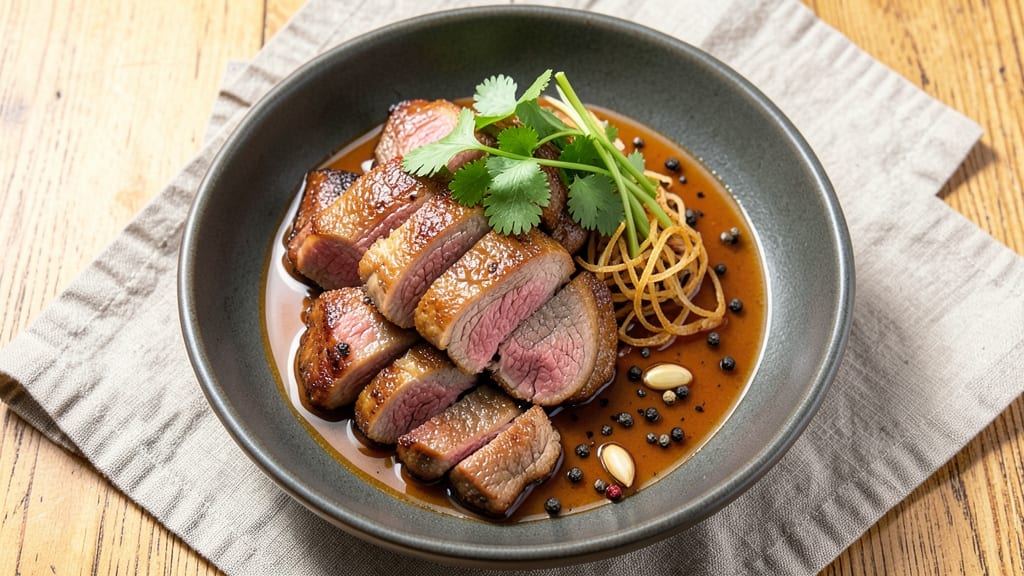
This Asian beef cheek recipe transforms tough, flavorful cuts into melt-in-your-mouth perfection through slow simmering and caramelized soy glaze. The secret lies in marinating the meat overnight with aromatic spices, allowing the beef to tenderize while absorbing deep, complex flavors.
What starts as a humble cut becomes a restaurant-worthy centerpiece with layers of sweet, salty, and umami richness.
The process begins with a foolproof marinade of soy sauce, garlic, ginger, and five-spice powder, which infuses the beef with bold Asian flavors. After a long, slow braise, the beef cheek develops a velvety texture and a glossy, caramelized surface that makes every bite irresistible.
This method ensures you'll never waste a tough cut again—it becomes the star of the meal.
By the end, you'll have perfectly tender beef cheek with a glossy, caramelized exterior that practically dissolves on your tongue. The sauce, reduced to a thick, flavorful glaze, clings to every bite, delivering a perfect balance of sweetness and savory depth.
Serve it over steamed rice or with stir-fried vegetables for a complete, satisfying meal that feels like a gourmet experience.
This recipe is ideal for special occasions or when you want to impress guests with a dish that's both impressive and deeply comforting. The slow-cooked method makes it perfect for meal prep, allowing flavors to develop even more over time.
Let's get started on creating this unforgettable centerpiece for your table.
Ingredients for asian beef cheek
Marinate overnight, simmer until tender, and finish with a caramelized glaze—this beef cheek transforms into restaurant-quality perfection.
| Ingredient | Amount | Notes |
|---|---|---|
| Beef Cheek 🥩 | 2 lb | Tough cut, well-marbled preferred |
| Kosher Salt 🧂 | 1 ½ tbsp | Diamond Crystal preferred for accuracy |
| Black Peppercorns 🌶️ | 1 tbsp | Freshly cracked for intensity |
| Soy Sauce 🍶 | ½ cup | Japanese-style, low-sodium preferred |
| Brown Sugar 🍬 | ¼ cup | Light or dark, packed measurement |
| Garlic Cloves 🧄 | 8 cloves | Peeled, smashed for maximum flavor |
| Fresh Ginger 🌿 | ½ cup | Grated, skin-on for depth |
| Five-Spice Powder 🌶️ | 1 tbsp | Authentic Chinese blend preferred |
| Sesame Oil 🫒 | 1 tbsp | Toasted, for finishing |
| Red Wine Vinegar 🍷 | 2 tbsp | Dry, for brightness |
| Honey 🍯 | 1 tbsp | Wildflower preferred |
| Cornstarch 🌾 | 1 tbsp | For sauce thickening |
| Jasmine Rice 🍚 | 1 ½ cups | Uncooked, long-grain preferred |
| Green Onions 🧅 | 4 whole | Sliced, for garnish |
| Sesame Seeds 🌱 | 1 tbsp | Toasted, for crunch |
The beef cheek is the star, so source it from a quality butcher—look for good marbling and vibrant color. Costco or Whole Foods often carry it pre-cut, but if buying whole, ask for it to be trimmed of excess fat. The five-spice powder should be labeled 'authentic Chinese' for that signature blend of star anise, clove, fennel, cinnamon, and peppercorns. If you can't find it, Penzeys Spices sells a great version online. Fresh ginger and garlic are non-negotiable here—they're the backbone of the marinade's aromatic punch. Skip the pre-minced jarred stuff; it's just not the same.
No five-spice powder? Mix equal parts cinnamon, clove, fennel seeds, and star anise—toast the whole spices first for deeper flavor. Running low on soy sauce? Tamari works perfectly, just use the same amount. Brown sugar substitute? Coconut sugar or maple syrup at the same measurement. The sesame oil is purely for finishing—if you're avoiding it, toasted peanut oil adds a similar nuttiness. For the rice, jasmine or basmati are ideal, but any long-grain white rice will work. Just don't skimp on the water-to-rice ratio; perfectly cooked rice makes all the difference when serving.
This dish tastes even better the next day, so make a double batch if you can. Store the beef cheek and sauce separately in airtight containers in the fridge for up to 5 days, or freeze for 3 months. The rice reheats beautifully with a splash of water. When serving, toss the rice with a drizzle of the reduced sauce and top with the beef, sliced against the grain. Garnish with those toasted sesame seeds and green onions right before eating—they add that final crunch and freshness that makes the dish pop.
Why You'll Love This Recipe
- One-Pot Magic: I swear by this—just toss the beef cheek, soy sauce, and brown sugar in one pot, then let it slow down. No chopping, no fussing, just hands-off richness while you handle the rest of dinner.
- Umami Bomb: That beef cheek? It’s like a flavor grenade. The soy and brown sugar caramelize into something deep and sticky, while the peppercorns add a quiet kick—sweet, salty, and ridiculously satisfying in every bite.
- Leftovers That Shine: Between us, this dish tastes better the next day. I make a double batch on Sundays, then reheat slices for quick lunches or toss them into noodles—zero guilt, all reward.
- Budget Luxury: Beef cheek is my secret weapon for feeling fancy without breaking the bank. A pound goes a long way, and the slow-cooked tenderness makes it feel like a restaurant meal—just with way fewer zeros on the bill.
Step-by-step instructions for Asian beef cheek
Transform tough beef cheek into melt-in-your-mouth tenderness using this slow-simmered technique.
Prepare the Beef Cheek for Maximum Flavor
Rinse the 2 lb beef cheek thoroughly and pat completely dry with paper towels. This step is crucial—any moisture will prevent the marinade from penetrating properly. Place the beef cheek in a large bowl and combine it with the 1.5 tbsp kosher salt and 1 tbsp freshly cracked black peppercorns. Massage the spices into the meat, working them into all the crevices and edges. This ensures even seasoning and helps tenderize the tough fibers.
Next, add the 0.5 cup soy sauce, 0.25 cup brown sugar, 8 smashed garlic cloves, 0.5 cup grated fresh ginger, and 1 tbsp five-spice powder to the bowl. Use your hands to thoroughly coat the beef cheek in the marinade. Here's the thing—beef cheek benefits from a long marinating time, so transfer it to a resealable plastic bag and refrigerate for at least 4 hours, or preferably overnight. This allows the marinade to deeply penetrate the meat, breaking down collagen and infusing it with rich flavors.
Slow Simmer the Beef Cheek Until Fork-Tender
Remove the beef cheek from the refrigerator and let it sit at room temperature for 30 minutes before cooking. This ensures even heat distribution during the long cooking process. In a large, heavy-bottomed pot, combine the 1.5 cups jasmine rice with 3 cups water (or enough to cover the rice by about an inch) and bring to a boil. Once boiling, reduce heat to low and add the marinated beef cheek to the pot.
Cover the pot with a tight-fitting lid and maintain a gentle simmer. Here's where patience pays off—simmer the beef cheek for 3 to 4 hours until it's fork-tender. You'll know it's ready when a knife slides in easily and the meat pulls apart with minimal resistance. The rice will also be fully cooked and tender. I like to check the beef cheek after 2 hours to ensure it's on track, but resist the temptation to open the pot too frequently—each time you lift the lid, you lose heat and moisture.
Build the Glossy Caramelized Sauce
Once the beef cheek is fork-tender, carefully remove it from the pot and set it aside on a plate. Strain the cooking liquid through a fine-mesh sieve into a clean saucepan, discarding the rice. Return the strained liquid to the pot and place it over medium-high heat. Add the 2 tbsp red wine vinegar, 1 tbsp honey, and 1 tbsp cornstarch mixed with 2 tablespoons water to create a slurry.
Stir the mixture continuously for 5 to 7 minutes until it thickens into a glossy, caramelized sauce. You're aiming for a consistency that coats the back of a spoon—this sauce should cling beautifully to the beef cheek. If the sauce thickens too quickly, add a splash of water to loosen it. Taste and adjust the seasoning with additional soy sauce or salt if needed. The sauce should be rich, slightly sweet, and deeply umami.
Finish and Serve with Garnishes
Return the beef cheek to the pot with the caramelized sauce and simmer for an additional 5 minutes to allow the meat to absorb the flavors. While the beef cheek finishes, toast the 1 tbsp sesame seeds in a dry skillet over medium heat for 1 to 2 minutes until fragrant and golden. Slice the 4 whole green onions into thin rounds for garnish.
To serve, shred or slice the beef cheek into bite-sized pieces and arrange it over the jasmine rice. Drizzle generously with the caramelized sauce and sprinkle with the toasted sesame seeds and sliced green onions. The contrast of the tender, rich beef cheek with the fragrant, slightly sticky rice creates a dish that's both comforting and deeply satisfying. Serve immediately while the sauce is still glossy and the aromas are at their peak.
Pro Tips For Making Asian Beef Cheek
- Sear First, Braise Later: I learned this the hard way—skipping the sear means your beef cheek will turn out soft but bland. Get that pan screaming hot and brown the meat deeply on all sides before adding liquid. The crust locks in flavor and keeps it from falling apart later.
- Salt the Cheek 24 Hours Early: This isn’t the prettiest method, but it’s the tastiest. Generously coat the beef cheek with kosher salt and let it sit uncovered in the fridge overnight. It tenderizes the collagen and ensures the seasoning penetrates deep—no more dry edges or underseasoned meat.
- Deglaze with Soy Sauce: Don’t just dump soy sauce in at the end—use it to scrape up those browned bits from the seared beef. Those bits are pure flavor, and skipping the deglaze means losing half the depth of your sauce. Add a splash of water or broth to help it along, then reduce it down.
- Finish with Brown Sugar Slowly: Add the brown sugar in the last 30 minutes, not all at once. It caramelizes beautifully when simmered gently, giving that glossy, sticky finish we all love. If you rush it, you’ll end up with a bitter, grainy mess—trust me, I’ve done it.
Creative variations of this dish
Korean-Inspired Braised Version
Swap the five-spice powder for 1 tbsp gochugaru (Korean chili flakes) and add 1 tbsp doenjang (fermented soybean paste) to the marinade. Use 1 cup Korean rice wine (soju) instead of red wine vinegar and 1 tbsp toasted sesame oil in the sauce.
Simmer the beef cheek in a heavy Dutch oven with 2 cups water and 1 small daikon radish (julienned) for 4 hours until tender. The result is a sweet-savory dish with subtle heat and deep umami. Garnish with sliced green onions and toasted sesame seeds. 🌶️
Thai-Inspired Coconut Curry Twist
Infuse the marinade with 1 tbsp red curry paste and 1 stalk lemongrass (bruised). After simmering the beef cheek, reduce the cooking liquid with 1 can (13.5 oz) coconut milk, 2 tbsp fish sauce, and 1 tbsp palm sugar.
Finish with 1 kaffir lime leaf (torn) and 1 tbsp fresh Thai basil. Serve over jasmine rice with a side of steamed bok choy. The coconut milk creates a creamy, aromatic sauce that balances the beef's richness. 🥥
Japanese Miso-Glazed Adaptation
Replace the soy sauce in the marinade with 0.5 cup white miso paste and add 1 tbsp mirin. Simmer the beef cheek with 1 cup dashi stock instead of water.
For the sauce, reduce the cooking liquid with 2 tbsp white miso, 1 tbsp mirin, and 1 tbsp sake. Finish with a drizzle of toasted sesame oil and shredded nori. This version delivers a delicate, fermented depth with a glossy, umami-rich glaze. 🍜
Spicy Vietnamese Caramelized Cheek
Boost the marinade with 1 tbsp fish sauce, 1 tbsp sugar, and 1 tsp cayenne pepper. After simmering, reduce the cooking liquid with 2 tbsp hoisin sauce, 1 tbsp rice vinegar, and 1 tsp sriracha.
Finish with 1 tbsp chopped cilantro and 1 tsp toasted sesame oil. Serve with steamed rice noodles or rice vermicelli for a fusion twist on pho flavors. The heat and tang create a vibrant, restaurant-quality dish. 🌶️
Sweet & Sticky Filipino-Style
Marinate the beef cheek with 0.5 cup soy sauce, 0.5 cup coconut milk, 2 tbsp brown sugar, and 1 tbsp calamansi juice. Simmer until tender, then reduce the cooking liquid with 2 tbsp banana ketchup and 1 tbsp soy sauce for a sweet-savory glaze.
Top with crispy fried shallots and sliced green onions. Serve with steamed rice or garlic fried rice. The sticky, slightly sweet sauce is pure comfort food. 🍯
Nutrition facts
Frequently asked questions
Why does beef cheek need such a long marinating time?
The long marinating time (at least 4 hours, preferably overnight) is essential because beef cheek is a tough, collagen-rich cut. The marinade's acidity (from soy sauce and vinegar) and enzymes (from garlic and ginger) break down these tough fibers, transforming them into silky, fork-tender meat. This process also ensures the meat absorbs maximum flavor. Patience here makes all the difference!
Can I substitute beef cheek with another cut?
While beef cheek is ideal, you can use beef shank or brisket as alternatives. These cuts have similar collagen content and will benefit from the long cooking time. However, beef cheek has a more delicate flavor and texture, so expect slightly different results. For best authenticity, stick with beef cheek if possible.
How do I know when the beef cheek is fully tender?
The beef cheek is done when it's fork-tender and pulls apart easily with minimal resistance. Insert a knife or fork—it should slide in smoothly. The meat should also have a velvety texture rather than a chewy one. Pro tip: Check after 3 hours of simmering, as some cuts may cook faster than others.
Can I make this recipe in a slow cooker?
Transfer the marinated beef cheek and rice to the slow cooker, then cook on low for 8 hours or high for 5-6 hours. After cooking, proceed with the sauce reduction and finishing steps as directed. The slow cooker method is perfect for hands-off preparation. Just ensure the beef reaches 165°F internally for safety.
What's the best way to store leftovers?
Store the beef cheek and sauce separately in airtight containers in the fridge for up to 5 days or freeze for 3 months. Reheat gently in a saucepan with a splash of water or broth to restore moisture. The rice reheats best with a splash of water or covered in the microwave. Leftovers actually taste even better the next day as flavors meld!