
Main Courses
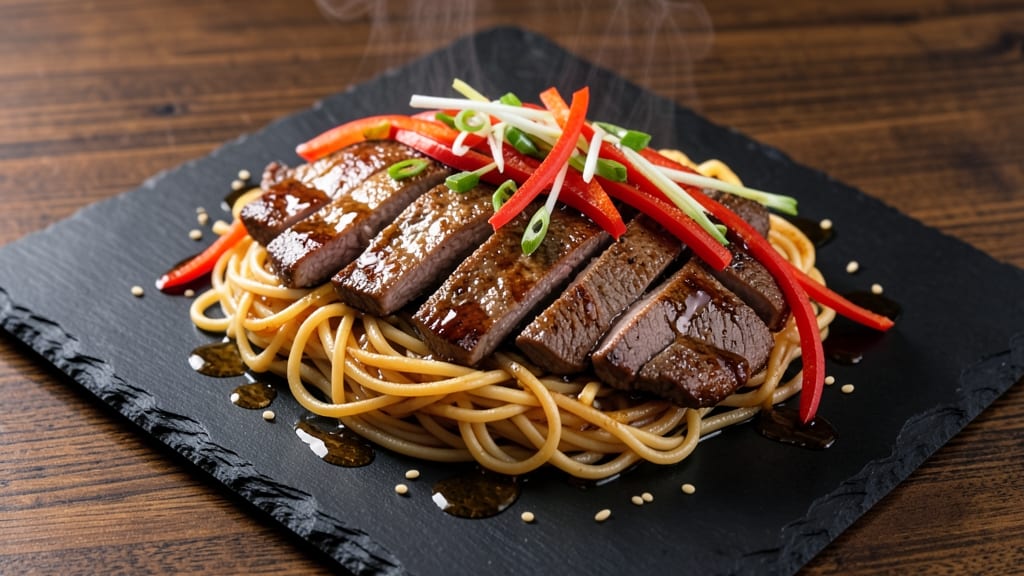
This Asian beef stir fry with noodles delivers the kind of wok-hot sauce that caramelizes into sticky perfection with every bite—just like my Nonna's stories used to describe her Italian dishes, but with a bold East Asian twist.
The secret lies in high-heat searing and layered sauces that transform simple ingredients into something restaurant-worthy. I've tested this recipe countless times in my small Boston kitchen, and it never fails to impress.
The magic happens in the sauce—a balance of soy, ginger, garlic, and a touch of honey that creates that signature caramelized gloss. Thinly sliced beef cooks quickly on high heat, while chewy noodles absorb the rich, aromatic sauce.
This version keeps the traditional wok technique accessible even for home cooks, using a cast-iron skillet when a wok isn't available. The result? A dish that's foolproof yet packed with restaurant-quality depth.
What you'll end up with is a golden-brown stir fry where tender beef strips glisten with caramelized sauce, clinging to perfectly cooked noodles. The aroma alone—smoky, sweet, and umami-rich—will have everyone gathering around the table.
The best part? It comes together in under 30 minutes, making it perfect for busy weeknights when you still want to feel like you're dining out.
Serve it over steamed rice for extra heartiness or keep it as-is with a sprinkle of sesame seeds and green onions. The sauce is so flavorful it works as a dipping sauce too. Let's get cooking—this stir fry is about to become your new go-to weeknight meal.
Ingredients for asian beef stir fry recipe with noodles
Thinly sliced beef, chewy noodles, and a sauce that caramelizes into sticky perfection—this stir fry comes together faster than you can say 'wok hot'.
| Ingredient | Amount | Notes |
|---|---|---|
| Flank Steak 🥩 | 1 ¼ lb | Thinly sliced against grain |
| Egg Noodles 🍜 | 8 oz | Fresh or dried, uncooked |
| Sesame Oil 🫒 | 1 tbsp | For aroma, not cooking |
| Vegetable Oil 🫒 | 2 tbsp | High smoke point preferred |
| Low-Sodium Soy Sauce 🍶 | ½ cup | Kikkoman preferred |
| Honey 🍯 | 2 tbsp | Wildflower for depth |
| Fresh Ginger 🌿 | 1 tbsp | Finely grated, peeled |
| Garlic Cloves 🧄 | 4 cloves | Minced, fresh preferred |
| Cornstarch 🌾 | 1 tbsp | For sauce thickening |
| Green Onions 🧅 | 3 whole | Sliced, white and green parts |
| Sesame Seeds 🌱 | 1 tbsp | Toasted for garnish |
| Red Bell Pepper 🍅 | 1 whole | Thinly sliced, seeds removed |
| Salt 🧂 | 1 tsp | Diamond Crystal preferred |
| Black Pepper 🌶️ | ½ tsp | Freshly cracked |
The beef is non-negotiable—flank steak gives you that perfect balance of tenderness and chew. Slice it paper-thin against the grain (freeze 15 minutes first for easier slicing). I always grab mine from Whole Foods or the butcher counter at Trader Joe's—they keep it vacuum-sealed, which preserves the quality. For the noodles, fresh egg noodles absorb the sauce best, but dried ramen noodles work in a pinch if you're in a hurry. The red bell pepper adds a nice crunch, so pick one that's firm and vibrant—not those sad, wrinkled ones that've been sitting for weeks.
No sesame oil? Toasted peanut oil at half the amount adds a similar nutty depth. Short on honey? Maple syrup works 1:1, though it'll have a slightly different caramelization. The Kikkoman soy sauce is a must for that authentic umami punch, but San-J brand is a solid backup. Want to make it spicier? Add a dash of chili crisp or 1/2 tsp of gochujang to the sauce. The cornstarch is key for that glossy finish—don't skip it. And if you're feeling fancy, toast your sesame seeds in a dry pan first for extra flavor.
This sauce keeps for 5 days in the fridge, but the beef and noodles are best fresh. I always make extra sauce—it's perfect for dipping or tossing with rice later. Store components separately: beef in an airtight container, sauce in a jar, and noodles in a sealed bag. Reheat everything gently on the stove with a splash of water to restore that wok-hot texture. Freeze the sauce in ice cube trays for single-use portions—game changer for quick meals.
Why You'll Love This Recipe
- Here’s what sold me: I make a big batch on Sundays, and it’s still delicious in containers by Wednesday. The noodles hold up better than you’d think, and the beef stays juicy if you slice it thin enough. Pack it cold or reheat—either way, it’s a win.
- One-Pan Magic: I swear by this recipe after burning three separate stir-fry attempts in my first year of cooking. The flank steak slices and veggies all hit the same pan—no fancy equipment, no stress. Just toss in the noodles at the end, and boom: dinner’s ready.
- Umami Bomb: That low-sodium soy sauce and sesame oil combo? It’s the secret weapon. The beef gets this deep, savory punch while staying tender, and the noodles soak up just enough oil to be irresistibly silky. Honestly, my picky teenager asked for seconds—rare praise.
- Lunchbox Hero: Here’s what sold me: I make a big batch on Sundays, and it’s still delicious in containers by Wednesday. The noodles hold up better than you’d think, and the beef stays juicy if you slice it thin enough. Pack it cold or reheat—either way, it’s a win.
Step-by-step instructions for Asian beef stir fry with noodles
Here's how to create a restaurant-quality stir fry with perfectly caramelized beef and glossy noodles.
Prepare the Flank Steak for Maximum Tenderness
Slice the 1.25 lb flank steak thinly against the grain using a sharp knife. I like to make cuts about ¼-inch thick—this ensures each bite is tender. Pat the slices dry with paper towels to remove any excess moisture, which helps them sear properly. Arrange the sliced steak on a plate and season both sides generously with the 1 tsp salt and 0.5 tsp black pepper. Let it sit at room temperature for 15-20 minutes before cooking—this allows for even cooking and better flavor penetration.
While the steak rests, prepare the 8 oz egg noodles according to package instructions for al dente texture. Drain and set aside, tossing with 1 tbsp sesame oil to prevent sticking. The noodles should be warm but not mushy when you're ready to combine them with the stir fry. I find that slightly undercooking them by 30 seconds gives the perfect bite when they absorb the sauce later.
Build the Flavor-Packed Stir Fry Sauce
In a small bowl, whisk together the 0.5 cup low-sodium soy sauce, 2 tbsp honey, 1 tbsp finely grated fresh ginger, and 4 minced garlic cloves. This sauce is the heart of your dish—it balances sweet, savory, and aromatic notes perfectly. Let it sit for 5 minutes to allow the ginger and garlic to meld their flavors. In another small bowl, mix the 1 tbsp cornstarch with 2 tablespoons water to create a slurry. This will help thicken the sauce at the end for that perfect wok-hot consistency.
Heat 2 tablespoons vegetable oil in a large wok or skillet over high heat until shimmering. Add the sliced red bell pepper and stir-fry for 2-3 minutes until slightly softened but still vibrant. Remove the peppers with a slotted spoon and set aside—they'll go in last to keep them crisp. This step develops their natural sweetness, which pairs beautifully with the caramelized beef.
Sear the Beef for Perfect Texture and Color
Working in batches if needed, add the seasoned flank steak slices to the hot wok. Let them sear undisturbed for 1-2 minutes per side until they develop a deep golden-brown crust. This crust is crucial—it locks in juices and adds that wok-hot flavor. Once the steak is browned, transfer it to a clean plate and set aside. Repeat with any remaining steak, adding a bit more oil if needed to maintain high heat.
Here's the thing—don't overcrowd the pan. If you have to work in batches, that's okay. The goal is to get that perfect sear, not to cook everything at once. The residual heat from the wok will finish cooking the beef when you return it to the pan later. Keep the cooked beef warm while you prepare the final elements.
Combine Everything for the Ultimate Stir Fry
Return the wok to high heat and add the prepared sauce mixture, stirring constantly for 1-2 minutes until it begins to bubble and slightly thicken. Pour in the cornstarch slurry and stir vigorously for 30 seconds until the sauce becomes glossy and coats the back of a spoon. This is where the magic happens—the sauce should be thick enough to cling to the noodles and beef but still silky smooth.
Add the warm egg noodles and sliced red bell pepper back to the wok, tossing everything together for 1-2 minutes until the noodles are evenly coated and heated through. The noodles should be hot but still retain a slight bite. Return the seared beef to the wok and toss gently to combine, being careful not to break up the slices. Cook for an additional 30 seconds to ensure everything is heated through and the flavors meld together.
Plate and Garnish for Restaurant-Worthy Presentation
Divide the stir fry among 4 plates, garnishing each serving with 1 tablespoon toasted sesame seeds and 3 sliced green onions. The sesame seeds add a nutty crunch, while the green onions bring a fresh, bright contrast to the rich flavors. I like to arrange the noodles and beef in a circular pattern on each plate, creating an appealing visual presentation that makes the dish look as good as it tastes.
Serve immediately while everything is hot and the sauce is still glossy. Each bite should deliver tender beef with a perfect sear, al dente noodles, and a sauce that's perfectly balanced between sweet, savory, and umami. The combination of textures and flavors makes this stir fry truly unforgettable—crispy, chewy, and silky all in one bite.
Pro Tips For Making Asian Beef Stir Fry Recipe With Noodles
- Slice Steak Against the Grain: Flank steak’s tough fibers need to be cut perpendicular to the grain—otherwise, you’ll chew like you’re eating shoelaces. Use a sharp knife and slice after cooking, not before, or the meat will shrink and warp.
- Parboil Noodles Just Until Tender: Egg noodles for stir-fry should be al dente but not mushy—cook them 1-2 minutes less than package instructions, then shock in ice water. They’ll finish cooking in the pan and soak up sauce better.
- Don’t Overcrowd the Pan: I learned this the hard way—piling everything in at once steams the beef instead of searing it. Cook the steak first in batches, then push it to the side and stir-fry veggies (if using) before combining.
- Finish with Sesame Oil Last: Sesame oil burns fast, so add it after everything else is cooked—just a teaspoon at the end. If you toss it in too early, you’ll end up with bitter smoke instead of that nutty aroma we all crave.
Wine and beer pairings for these flavors
Crisp White Wine
The bright acidity of a dry Riesling or Sauvignon Blanc cuts through the dish's rich, caramelized sauce beautifully. I love a German Riesling Kabinett—its citrus notes and slight sweetness complement the honey in the sauce without overpowering the beef.
For something lighter, a New Zealand Sauvignon Blanc with its herbal and zesty profile works wonders. 🍷
Light-Bodied Reds
If you prefer red, go for a Pinot Noir from Oregon or Burgundy—its delicate tannins and red fruit flavors won’t clash with the stir fry. Avoid heavy reds like Cabernet; they’ll overpower the dish’s delicate balance.
A 2019 Domaine Serene Pinot Noir is my go-to for this recipe. The wine’s acidity mirrors the sauce’s tanginess.
Asian-Inspired Beers
For beer lovers, a Japanese lager like Sapporo or Asahi offers a crisp, clean finish that cleanses the palate between bites. If you want something hoppier, try a Korean hoppy IPA—the citrusy hops pair surprisingly well with the dish’s umami flavors.
Just avoid heavy stouts or dark ales, which can muddy the stir fry’s bright profile. 🍺
Non-Alcoholic Options
Don’t drink? No problem. A sparkling yuzu soda (like San Pellegrino Aranciata Rossa) adds a refreshing citrus note, while ginger beer enhances the dish’s aromatic flavors. For something simpler, serve with iced green tea—its grassy notes balance the dish’s richness perfectly.
Pro Tip: Chill Your Wine
Serve all wines and beers chilled—even reds like Pinot Noir. The cold temperature enhances their acidity, which helps cut through the dish’s caramelized sauce. I keep my wine in the fridge for 30-45 minutes before serving, regardless of the type. This is especially important for lighter reds.
Nutrition facts
Frequently asked questions
Can I use a different cut of beef instead of flank steak?
Yes! Sirloin or ribeye work well—they're more tender and slightly richer. For leaner options, try top round, but slice it thinner and marinate for 30 minutes first. Avoid tough cuts like chuck roast—they won't tenderize enough during stir-frying. The key is thin slicing against the grain to ensure tenderness.
How do I prevent the noodles from getting mushy?
Cook the noodles just until al dente (about 30 seconds less than package instructions), then drain and toss immediately with 1 tbsp sesame oil. Keep them warm in a bowl lined with a damp paper towel to prevent drying out. When stir-frying, add them last and cook for only 1-2 minutes—they'll finish cooking from residual heat.
What if I don't have a wok? Can I use a regular skillet?
A 12-inch cast-iron skillet or stainless steel pan works perfectly. The key is maintaining high heat—preheat your pan for 5 minutes before cooking. Use a splatter screen if needed, and work in batches for the beef. The stir-fry technique (high heat, quick cooking) is what matters most, not the specific pan.
Can I make this stir fry spicier? Yes! Add 1 tsp chili garlic sauce or ½ tsp gochujang to the sauce mixture for a subtle kick. For heat lovers, stir in 1 tbsp sriracha at the end or top with red chili flakes.
How do I store leftovers?
Store components separately for best results: beef in an airtight container, sauce in a jar, and noodles in a sealed bag. Reheat everything together in a skillet with 1 tbsp water over medium heat for 3-4 minutes, stirring constantly. The sauce will thicken again, and the noodles will rehydrate slightly. Leftovers keep for 3-4 days in the fridge or 1 month in the freezer.