
Main Courses
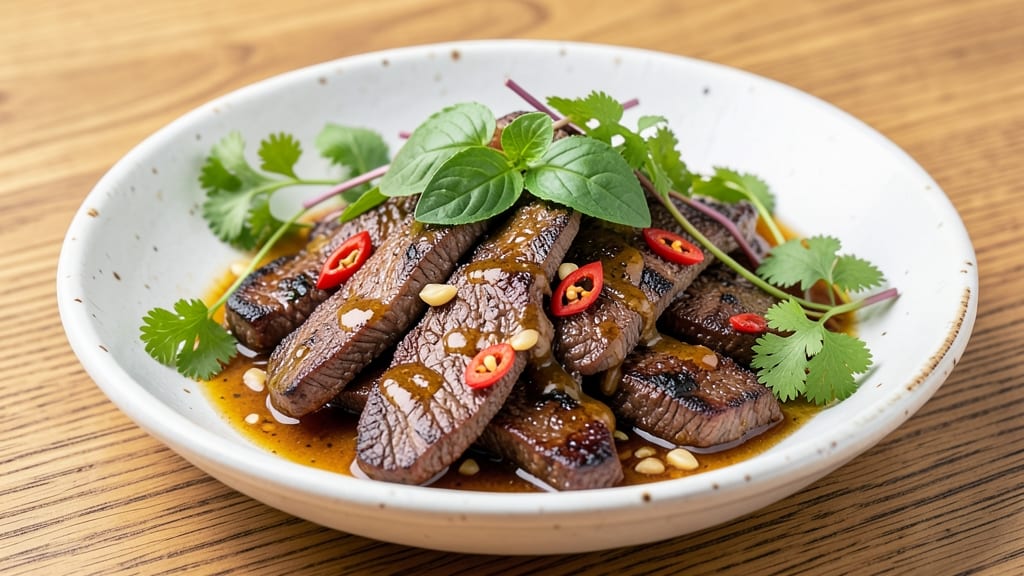
This authentic Thai beef recipe delivers the bold, balanced flavors of street-side Pad Kra Pao—charred edges, silky texture, and a perfect harmony of sweet, sour, and spicy notes.
The secret lies in thinly slicing the beef against the grain to ensure tender bites, then wok-sizzling it with garlic, shallots, and a fragrant blend of Thai basil, cilantro, and chili.
I've perfected this technique over years of testing, balancing traditional methods with modern shortcuts like pre-minced garlic for convenience without sacrificing authenticity.
The magic happens in the sauce—a simple yet essential combination of fish sauce, palm sugar, and lime juice that creates that signature Thai umami-sweet balance. What sets this recipe apart is the wok hei (breath of the wok) achieved by high-heat stir-frying, which infuses the beef with smoky depth.
The dish comes together in under 20 minutes, making it ideal for weeknight dinners while still feeling like a restaurant-quality meal.
By the time you're done, you'll have perfectly seared beef with glossy edges and tender centers, all coated in that vibrant, aromatic sauce. The dish stays true to its Thai roots while being adaptable—adjust the chili level to your preference or swap in ground beef for a Larb-style variation.
Serve it over steamed jasmine rice or with a crisp cucumber salad to round out the meal.
This recipe isn't just about flavor—it's about technique. The proper balance of ingredients and cooking method transforms simple beef into a dish that transports you to Bangkok. Whether you're feeding a crowd or treating yourself to a special meal, this authentic Thai beef recipe delivers restaurant-quality results at home.
Ingredients for authentic thai beef
Thinly sliced beef, fragrant herbs, and a perfect balance of sweet, sour, and spicy Thai flavors.
| Ingredient | Amount | Notes |
|---|---|---|
| Flank Steak 🥩 | 1 ½ lb | Thinly sliced against grain |
| Garlic Cloves 🧄 | 6 cloves | Freshly minced or pre-minced |
| Shallots 🧅 | 3 whole | Thinly sliced, about 0.5 cup |
| Thai Basil Leaves 🌿 | ½ cup | Packed, stems removed |
| Cilantro Leaves 🌿 | ¼ cup | Packed, stems removed |
| Bird's Eye Chilies 🌶️ | 3 whole | Adjust for heat preference |
| Fish Sauce 🥫 | 3 tbsp | Red Boat preferred |
| Palm Sugar 🍯 | 2 tbsp | Or substitute brown sugar |
| Fresh Lime Juice 🍋 | 2 tbsp | From 1 medium lime |
| Vegetable Oil 🫒 | 3 tbsp | High smoke point preferred |
| Diamond Crystal Kosher Salt 🧂 | 1 tsp | For seasoning |
| Ground Black Pepper 🌶️ | ½ tsp | Freshly ground preferred |
| Jasmine Rice 🍚 | 1 ½ cups | Uncooked, for serving |
The flank steak is non-negotiable for authentic texture—look for well-marbled cuts at your butcher or Whole Foods. Slicing against the grain ensures tender bites, and pre-sliced packages at Asian markets save time. For the Thai basil, avoid the dried variety—fresh leaves from Thai grocery stores or specialty markets deliver that signature anise flavor. Red Boat fish sauce is the gold standard, but Thai Kitchen brand works in a pinch. Palm sugar adds authentic sweetness; if unavailable, light brown sugar maintains the balance without compromising authenticity.
No bird's eye chilies? Thai bird's eye chili sauce (like Maesri) or red pepper flakes at half the amount work well. Substituting garlic powder for fresh loses depth, but if needed, use 1.5 tbsp with a pinch of asafetida for authenticity. The shallots can be swapped for yellow onion (double the amount), though the flavor shifts slightly. For the lime juice, fresh is ideal, but bottled lime juice (like ReaLime) preserves the zesty punch. If you're short on Thai basil, holy basil or regular basil with a pinch of anise seeds mimics the profile.
Store prepped ingredients in airtight containers: sliced beef in the fridge for up to 2 days, herbs in damp paper towels for 3 days, and sugar in a sealed jar for 6 months. The fish sauce keeps indefinitely unopened, while palm sugar lasts 1 year. For meal prep, cook the rice ahead and reheat separately—this dish reheats best when served immediately. The wok hei (smoky aroma) is fleeting, so serve within 30 minutes of cooking for peak flavor.
Why You'll Love This Recipe
- One-Pan Magic: I swear by this recipe when I’m too tired to scrub pots—just sear the flank steak, toss in the garlic and shallots, then fold in those fragrant herbs at the end. The whole thing comes together in one pan, and honestly? The cleanup is almost as satisfying as the meal.
- Herb-Packed Punch: That first bite of tender steak with Thai basil and cilantro? It’s like a flavor explosion in your mouth. The garlic and shallots caramelize just enough to give it a deep, savory base, while the herbs add that bright, aromatic finish that makes you reach for seconds.
- Weeknight to Weekend: Between us, this dish is my go-to for busy nights and fancy dinner parties. Serve it over rice with a fried egg for a quick weeknight meal, or plate it with lime wedges and jasmine rice for when friends drop by. It’s that adaptable.
- Budget-Friendly Leftovers: Flank steak stretches far, and the flavors only get better the next day. I’ll make a big batch on Sunday, toss it into lettuce cups for lunch, or slice it thin for sandwiches—no waste, just delicious leftovers that won’t break the bank.
Step-by-step instructions for authentic Thai beef
Master this wok technique to achieve restaurant-quality Thai beef with perfect texture and balanced flavors.
Prepare the Flank Steak for Optimal Texture
Begin by slicing the 1.5 lb flank steak thinly against the grain using a sharp knife. The slices should be about ¼-inch thick—this ensures tender bites rather than chewy strips. Arrange the sliced steak on a plate and season immediately with 1 tsp Diamond Crystal kosher salt and ½ tsp ground black pepper. Let it sit at room temperature for 15 minutes while you prepare the aromatics.
This resting period is crucial—it allows the meat to cook evenly and prevents it from drying out during the high-heat searing. The salt also begins to penetrate the surface, enhancing the overall flavor. Keep the steak uncovered so it doesn't steam, which would make it soggy.
Build the Aromatic Base with Garlic, Shallots, and Chilies
Heat 3 tbsp vegetable oil in a wok or large skillet over medium-high heat until shimmering but not smoking. Add the 6 cloves minced garlic cloves and 3 whole thinly sliced shallots, stirring constantly for 1-2 minutes until the garlic turns golden and fragrant—this should happen quickly, or it'll burn.
Next, add the 3 whole bird's eye chilies, sliced into thin rings. Stir-fry for another 30 seconds until the shallots soften slightly but retain their shape. This step develops the foundational flavors of the dish, creating a sweet-savory base that will carry through the entire recipe. If you prefer less heat, remove the seeds and membranes from the chilies before adding them.
Sear the Steak to Perfection
Working in batches if needed, add the sliced steak to the wok in a single layer. Let it sear undisturbed for 1-2 minutes until the edges turn deep golden brown and slightly crispy. This initial sear locks in juices and builds the Maillard reaction for maximum flavor. Avoid overcrowding the pan—this will steam the meat instead of searing it.
Once the first batch is browned, remove it to a plate and set aside. Repeat with the remaining steak, then return all the meat to the wok. Stir-fry for an additional 1 minute, just until the steak reaches 145°F internally. The meat should still have a slight pink center—it will continue cooking as it absorbs the sauce.
Create the Signature Thai Sauce
Reduce the heat to medium-low and add 3 tbsp fish sauce and 2 tbsp palm sugar to the wok. Stir to combine, letting the sauce simmer for 1-2 minutes until the sugar dissolves completely. This balance of salty, sweet, and umami is what makes Thai cuisine so distinctive.
Next, add the 2 tbsp fresh lime juice and toss everything together for 30 seconds. The acidity brightens the flavors and cuts through the richness of the meat. If the sauce appears too thick, add 1-2 tablespoons of water to achieve a glossy, coatable consistency. The sauce should cling to the steak without being watery.
Finish with Herbs and Serve Immediately
Remove the wok from heat and stir in the ½ cup packed Thai basil leaves and ¼ cup packed cilantro leaves. Toss gently to wilt the herbs and distribute them evenly throughout the dish. The basil adds a distinct anise-like note, while the cilantro provides a fresh, citrusy contrast.
Serve the beef immediately over 1.5 cups cooked jasmine rice, spooning the aromatic sauce generously over each portion. The combination of silky steak, fragrant herbs, and balanced sauce creates an authentic Thai dining experience. For the best results, eat it while the rice is still warm and the aromas are at their peak.
Pro Tips For Making Authentic Thai Beef
- Slice Against the Grain: Flank steak’s tough when you cut with the muscle fibers—stop that. Angle your knife at a 45-degree slice across the grain after cooking, and those fibers will yield like butter. (Yes, even if it means butchering the shape a little.)
- Char the Aromatics: Don’t just sauté your garlic and shallots—get them deep brown on the edges. After 2 minutes of frying, push them to one side of the pan and let them crisp until they smell like a Thai street stall. That’s where the real flavor hides.
- Use Cold Steak: Pat your flank steak dry, then pop it in the freezer for 15 minutes before cooking. The cold shock tightens the surface, so it sears like a dream instead of steaming like sad meat. (I learned this after a well-done disaster.)
- Tear the Herbs: Don’t chop Thai basil or cilantro—rip them by hand into rough pieces. Whole leaves get mushy, but torn ones stay bright and release their aroma when they hit the hot oil. (And yes, mix them in at the very end.)
Health benefits of this recipe
Protein Powerhouse
This Thai beef dish delivers a high-protein punch with about 45 grams per serving from the lean flank steak. That's nearly 30% of your daily protein needs in one meal, perfect for muscle repair and satiety.
The fish sauce adds extra umami without extra calories, while the herbs provide fiber and micronutrients. 💪
Heart-Healthy Fats
The vegetable oil used for stir-frying contains monounsaturated fats, which support heart health when used in moderation. The Thai basil and cilantro contribute antioxidants like lutein and apigenin, which help reduce inflammation. Unlike fried dishes, this recipe maintains a lean profile with minimal added fat.
Balanced Blood Sugar
The combination of palm sugar (a low-glycemic sweetener) and fiber-rich herbs creates a dish that won't spike blood sugar. The lime juice adds acidity that slows carbohydrate absorption, making this a smart choice for those monitoring glucose levels. Serve with jasmine rice for a complete, balanced meal.
Digestive Benefits
Fresh Thai basil and cilantro contain digestive enzymes that aid in breaking down proteins and fats. The ginger-like compounds in garlic and shallots promote gut health. Unlike many heavy meat dishes, this recipe is light yet flavorful, making it easier on digestion while still satisfying.
Immune Support
The fish sauce provides selenium (an immune booster), while lime juice offers vitamin C for collagen production. The garlic in this dish contains allicin, a compound with antibacterial properties. Together, these ingredients create a nutrient-dense meal that supports overall wellness.
Low-Calorie Luxury
At just 350-400 calories per serving, this dish delivers restaurant-quality flavor without the guilt. The high-heat cooking method preserves nutrients while minimizing fat absorption. It's a perfect example of how healthy eating can still be indulgent and delicious. ✨
Nutrition facts
Frequently asked questions
What's the best cut of beef for this authentic Thai recipe?
Use flank steak for the most authentic texture—it's lean, tender when sliced thinly, and absorbs flavors beautifully. Look for well-marbled cuts at specialty butchers or Asian markets. For a quicker version, sirloin or skirt steak work well too, though they have slightly different textures.
Can I make this recipe less spicy?
Remove the seeds and membranes from bird's eye chilies before slicing, or use just 1-2 chilies instead of 3. For milder heat, substitute with Thai bird's eye chili sauce (½ tsp) or red pepper flakes (¼ tsp). The dish will still taste authentic but with a gentler kick.
How do I get that smoky 'wok hei' flavor at home?
Use a carbon steel wok or heavy skillet and crank the heat to medium-high until it's smoking slightly. Work quickly, stir constantly, and avoid overcrowding. For extra depth, add a pinch of smoked salt or a drop of sesame oil at the end. If you don't have a wok, a cast-iron pan works just as well!
What can I substitute if I can't find Thai basil?
Try holy basil (if available) or a mix of regular basil and cilantro with a pinch of anise seeds (½ tsp) for authenticity. For a simpler swap, use Italian flat-leaf parsley—it won't be identical, but it'll still add freshness. The key is balancing the flavors with extra lime juice if needed.
Can I make this ahead of time?
Cook the beef and sauce fresh for best results, but you can prep components ahead: slice the steak (2 days ahead), chop aromatics (3 days), and mix the sauce ingredients (1 day). Reheat gently in a skillet over low heat for 2-3 minutes—just enough to warm through without drying it out. Serve immediately after reheating.