
Main Courses
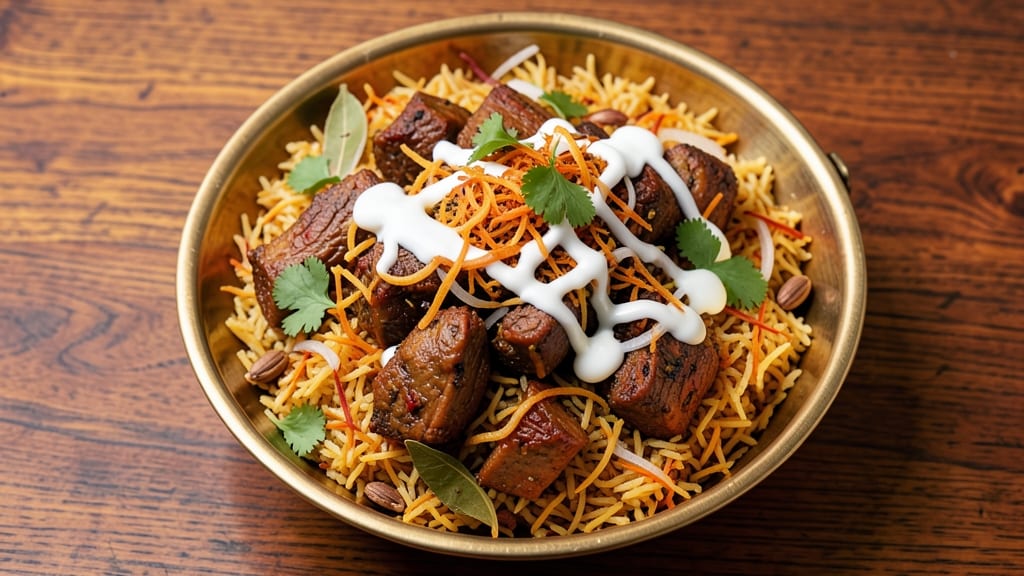
This Bangladeshi beef biryani recipe transforms your kitchen into a Dhaka restaurant with its signature layers of fragrant basmati rice and spiced beef.
The secret lies in marinating the beef overnight with yogurt, ginger-garlic paste, and a blend of warm spices like cinnamon and cardamom that infuse every bite with depth.
What sets this apart is the traditional dum cooking method, where the sealed pot steams over charcoal, creating tender meat and perfectly fluffy rice in one pot.
What makes this recipe truly authentic is the balance of flavors—sweet from caramelized onions, tangy from raw mango powder, and aromatic from saffron-infused rice.
The layers of partially cooked rice and marinated beef are stacked in a heavy pot, then sealed with dough and cooked until the rice absorbs the rich, spiced broth. This method ensures each grain remains separate yet infused with the beef's savory essence.
By the time you serve this dish, your home will be filled with the unmistakable aroma of biryani—smoky, spiced, and deeply comforting. The result is restaurant-quality biryani with tender beef that melts in your mouth and rice that's light yet flavorful.
Serve it with a cooling cucumber raita or a simple salad to balance the richness.
The beauty of this recipe is its versatility—adjust the spice level to your preference or add chopped nuts for texture. Whether you're hosting a gathering or treating yourself to a special meal, this biryani delivers the heart of Bangladeshi cuisine in every bite. Let's get started!
Ingredients for bangladeshi beef biryani
Fragrant basmati rice, tender beef, and aromatic spices—this is your Dhaka-style biryani shopping list.
| Ingredient | Amount | Notes |
|---|---|---|
| Beef Chuck Roast 🥩 | 3 lb | Well-marbled, cut into 1-inch cubes |
| Plain Yogurt 🥛 | 1 cup | Full-fat, unsweetened |
| Basmati Rice 🍚 | 2 cups | Long-grain, rinsed thoroughly |
| Whole Milk 🥛 | 1 ½ cups | For rice cooking |
| Ginger-Garlic Paste 🧄 | ½ cup | Freshly made or store-bought |
| Yellow Onions 🧅 | 2 whole | Finely chopped, caramelized |
| Raw Mango Powder 🍈 | 2 tbsp | For tangy flavor |
| Saffron Threads 🌼 | ¼ tsp | Soaked in 2 tbsp warm milk |
| Ground Cumin 🌿 | 1 ½ tsp | Toasted for aroma |
| Ground Coriander 🌿 | 1 ½ tsp | Freshly ground preferred |
| Ground Turmeric 🌶️ | 1 tsp | Bright yellow color |
| Ground Black Pepper 🌶️ | 1 tsp | Freshly cracked |
| Cinnamon Sticks 🌿 | 2 whole | Lightly crushed |
| Green Cardamom Pods 🌿 | 6 whole | Lightly crushed |
| Bay Leaves 🍃 | 2 whole | Fresh or dried |
| Vegetable Oil 🫒 | ½ cup | High smoke point |
| Lemon Juice 🍋 | 2 tbsp | Freshly squeezed |
| Fresh Cilantro 🌿 | ¼ cup | Chopped, for garnish |
| Ghee 🧈 | 2 tbsp | For sealing the pot |
| Flour 🌾 | ½ cup | All-purpose, for dough |
| Water 💧 | ½ cup | For dough |
The beef is everything here. Chuck roast gives you that melt-in-your-mouth texture—sirloin stays tough. Look for well-marbled cuts at Indian or Pakistani grocery stores (they often have better quality than regular supermarkets). The yogurt should be full-fat and plain—Fage or Dannon work fine. For the spices, Penzeys or local Indian markets have the freshest whole spices. Toast your whole spices (cumin, cardamom, cinnamon) in a dry pan for 30 seconds before grinding—that extra step makes all the difference. Don't skimp on saffron either; Iranian saffron is the gold standard.
No raw mango powder? Substitute with 1 tbsp lime juice plus 1 tsp sugar—it won't be identical, but close. Fresh ginger-garlic paste is ideal, but if you're in a pinch, minced fresh ginger and garlic work too. The biryani dough can be tricky if you've never made it—keep the flour-to-water ratio 1:1 and knead until smooth. For the rice, soak basmati for 30 minutes before cooking—this prevents mushiness. The onions? Caramelize them until deep golden brown—that sweetness balances the spices perfectly. And if you can't find whole cardamom pods, ground cardamom at half the amount is a decent swap.
Marinate the beef overnight—trust me on this. The flavors develop so much better. Store the marinade in a sealed container in the fridge. For the rice, cook it just until 80% done before layering—it'll finish cooking with the beef. Leftovers? This reheats beautifully—cover with foil and warm on low heat. Keeps in the fridge for 3 days or freezes for 3 months. I always make extra because it disappears fast. The dough can be made ahead and stored wrapped in plastic for 2 days—just bring to room temp before using.
Why You'll Love This Recipe
- One-Pot Magic: I swear by this recipe’s simplicity—the beef and rice cook together in one pot, so no juggling multiple dishes or timing layers of flavor. Just marinate the chuck roast in yogurt and ginger-garlic paste, dump it all in, and let the slow cook do the work. (Yes, even on a Tuesday night.)
- Yogurt’s Secret Umami: That plain yogurt isn’t just a marinade—it tenderizes the beef while adding a tangy depth that cuts through the richness. The milk-basted rice? Creamy, fragrant, and clinging to every bite like it’s been simmering for hours. (Between us, it’s the little details that make it ridiculously good.)
- Party-Ready in Hours: Make it for a crowd or meal prep for the week—this biryani only gets better as it rests. The flavors meld overnight, and leftovers reheat like a dream. Honestly, I’ve served it at weddings, potlucks, and lazy Sundays, and no one’s ever turned it down.
- Budget-Friendly Luxury: Beef chuck roast stretches across multiple meals without breaking the bank, and basmati rice keeps it filling. The spices? A handful of pantry staples. It’s the kind of dish that makes frugal cooking feel indulgent—no fancy shortcuts, just honest, satisfying flavor. (My daughter picks out the best pieces, but still asks for seconds.)
Step-by-step instructions for Bangladeshi beef biryani
Here's how to create layers of aromatic rice and tender beef that'll transport you straight to Dhaka.
Marinate the Beef for Maximum Flavor
In a large bowl, combine the 3 lb beef chuck roast cut into 1-inch cubes, 1 cup plain yogurt, 0.5 cup ginger-garlic paste, 1.5 tsp ground cumin, 1.5 tsp ground coriander, 1 tsp ground turmeric, 1 tsp ground black pepper, 2 tbsp raw mango powder, 2 whole crushed cinnamon sticks, 6 whole crushed green cardamom pods, and 2 whole bay leaves. Mix thoroughly until every piece of beef is fully coated in the marinade.
Cover the bowl and refrigerate for at least 4 hours, preferably overnight. This long marinating time ensures the beef becomes fork-tender and absorbs all those complex spices. The mango powder adds that signature tangy depth that sets Bangladeshi biryani apart from other regional versions.
Cook the Beef and Prepare the Rice Base
Heat 0.5 cup vegetable oil in a heavy-bottomed pot over medium-high heat. Add the marinated beef in batches, making sure not to overcrowd the pan. Brown the beef on all sides for 5-7 minutes total, then remove and set aside. You want that beautiful caramelized crust that'll add so much flavor to your biryani.
In the same pot, add 2 whole finely chopped yellow onions and sauté for 8-10 minutes until deep golden brown. This caramelization is crucial—it forms the sweet, rich base of your biryani. Add 0.5 cup ginger-garlic paste and cook for another 2 minutes until fragrant. Pour in 1.5 cups whole milk and simmer for 5 minutes to blend all the flavors.
Layer the Rice and Beef for Perfect Biryani
In a separate pot, cook 2 cups basmati rice in 3 cups water (the rice should be slightly undercooked when drained) until 70% done—it should still have a slight bite. Drain and set aside. Soak the 0.25 tsp saffron threads in 2 tbsp warm milk for 10 minutes to release their vibrant color and aroma.
In your biryani pot, spread half of the partially cooked rice evenly. Arrange half of the browned beef on top, then sprinkle half of the 0.25 cup chopped fresh cilantro and half of the saffron milk. Repeat with the remaining rice and beef. The layering is what creates that signature biryani texture—each bite should have both rice and meat.
Dum Cook for Maximum Flavor Infusion
Cover the pot tightly with a lid (or aluminum foil sealed with dough made from 0.5 cup flour and 0.5 cup water). Cook on low heat for 25-30 minutes. The key here is patience—the slow cooking allows the flavors to meld perfectly and creates that signature biryani aroma that fills your entire kitchen.
After cooking, let the biryani rest for 10 minutes before opening. This resting period is crucial—it allows the steam to redistribute and the flavors to settle. The rice should be perfectly cooked through with a slight sheen, and the beef should be tender enough to fall apart with your fork.
Finish and Serve with Traditional Garnishes
Gently fluff the biryani with a fork, being careful not to break up the layers too much. Stir in 2 tbsp lemon juice and 2 tbsp ghee for brightness and richness. Garnish with the remaining 0.25 cup chopped fresh cilantro and serve immediately with raita or a simple cucumber salad.
For the best experience, serve directly from the pot—this maintains the perfect temperature and keeps all those aromatic layers intact. The first bite should deliver a perfect balance of tender beef, fragrant rice, and complex spice notes that make this dish truly special.
Pro Tips For Making Bangladeshi Beef Biryani
- Marinate Meat Overnight: I learned this the hard way—skipping the overnight soak means tough, flavorless beef. Use half the yogurt now, then add the rest later; the acidity breaks down the meat while the ginger-garlic paste sinks in. (Yes, even if you’re impatient like me, this makes a real difference.)
- Parboil Rice Until Chewy: Don’t drain the rice completely after the first boil—leave it in 1 cup of water for 10 minutes until it’s 70% cooked and still has bite. This guarantees fluffy, separate grains that won’t turn mushy when layered with the beef later.
- Layer Fat Over Beef: After browning the beef, smother it with a thin layer of whole milk and ghee before adding the rice. This seals in moisture and creates that signature creamy, aromatic crust—skip it, and you’ll end up with dry edges.
- Dum Cook on Low Heat: Start the dum (sealing) on medium-high to trap steam, then drop to the lowest heat setting. I was skeptical until I tried it—this prevents burning the bottom while letting the flavors meld for 30 minutes without babysitting the pot. (Your future self will thank you.)
Regional styles of this dish
Dhaka-Style Biryani
This is the classic version you'll find in Dhaka's restaurants, where the beef is marinated with raw mango powder for that signature tangy-sweet balance. The key difference here is the generous use of whole milk in the rice cooking process, which gives the grains a creamy texture.
I always add extra bay leaves (up to 4 total) because they add a subtle floral note that complements the beef beautifully. The dum cooking time is slightly shorter—20-25 minutes—to keep the rice perfectly fluffy rather than sticky. 🌟
Chittagong Coastal Influence
In coastal Chittagong, biryani takes on a lighter, more aromatic profile with influences from seafood-heavy cuisine. Here, you'll find fennel seeds (about ½ tsp toasted) added to the beef marinade, giving a subtle anise-like flavor.
The rice is often cooked with a splash of coconut milk (about ¼ cup) instead of all whole milk, creating a fragrant, slightly tropical note. For extra authenticity, serve with a side of fried hilsa fish on top—this fusion is popular in coastal regions.
The dum cooking time remains the same, but the dish benefits from an extra 5 minutes of resting time to let those seafood-inspired aromas meld.
Sylhet's Mountain Spice Profile
Up in the hills of Sylhet, biryani incorporates local spices like black cardamom (about 2 pods, crushed) and cloves (about 4 whole) in the beef marinade, giving it a deeper, almost smoky warmth.
The rice is often cooked with a pinch of saffron plus a few strands of turmeric (about ¼ tsp) for an intense golden color. Sylhet-style biryani also features more ghee (up to 3 tbsp) stirred into the final dish, adding richness that balances the earthy spices.
The dum cooking method here uses a clay pot if available, which distributes heat more evenly and enhances the smoky aroma. 💫
Rangpur's Simpler Approach
In the northern region of Rangpur, biryani takes a more rustic, home-style approach where spices are slightly less complex but the technique remains precise.
Here, the beef marinade often includes a pinch of asafoetida (hing) (about ⅛ tsp) for depth, and the rice is cooked with less milk (about 1 cup instead of 1.5 cups) to keep it lighter.
The dum cooking is done in a heavy steel pot rather than clay, and the dish benefits from an extra 10 minutes of resting time to let flavors develop fully.
Rangpur-style biryani is often served with a side of spicy potato salad to cut through the richness, making it a hearty, satisfying meal. The layers are slightly thicker here—about ½ inch per layer—to ensure each bite has plenty of both rice and beef.
Barisal's Sweet-Tangy Twist
Down in Barisal, biryani incorporates local ingredients like jackfruit pulp (about ½ cup) mixed into the beef marinade for a natural sweetness that complements the tangy mango powder.
The rice is cooked with a splash of palm jaggery syrup (about 1 tbsp) for a subtle caramel note, and the dum cooking includes a few strands of pandan leaf tied in cheesecloth for an aromatic touch.
Barisal-style biryani also features extra lemon juice (about 3 tbsp) in the final dish to brighten the flavors. The dish is traditionally served with a side of spicy mango chutney, which ties all the sweet and tangy elements together beautifully.
The layers here are slightly thinner—about ¼ inch per layer—to create a more delicate texture. 🌶️
Nutrition facts
Frequently asked questions
What's the secret to tender beef in biryani?
The overnight marinade with yogurt and ginger-garlic paste is key—it breaks down tough fibers. Use chuck roast (not sirloin) for maximum tenderness, and brown the meat well before layering. The slow dum cooking (25-30 minutes) on low heat melts the fat and keeps the beef juicy.
Can I make biryani without saffron?
Swap 0.25 tsp saffron with ½ tsp turmeric plus 1 tbsp milk for color, or use ½ tsp annatto powder for a vibrant orange hue. The flavor difference is minimal—focus on the spice blend and caramelized onions for depth.
Why is my biryani mushy instead of fluffy?
Overcooking the rice or using too much water causes mushiness. Cook rice to 70% doneness before layering, and use 1:1.5 rice-to-water ratio. The dum cooking finishes the rice—don't let it sit on high heat. For extra fluffiness, add 1 tbsp ghee to the rice while cooking.
How do I adjust spice levels for kids or sensitive eaters?
Reduce black pepper to ½ tsp and omit raw mango powder (substitute with 1 tsp lime juice). Use ½ tsp ground spices instead of whole spices for milder flavor. Keep the caramelized onions—they add sweetness that balances any remaining heat.
Can I prep biryani ahead of time?
Marinate the beef up to 2 days ahead. Cook the rice 1 day ahead and refrigerate. Assemble the layers 4 hours before cooking (keep refrigerated). For leftovers, reheat covered on low heat with 1 tbsp water to restore moisture. Freeze for 3 months—thaw overnight in the fridge.