
Soups & Stews
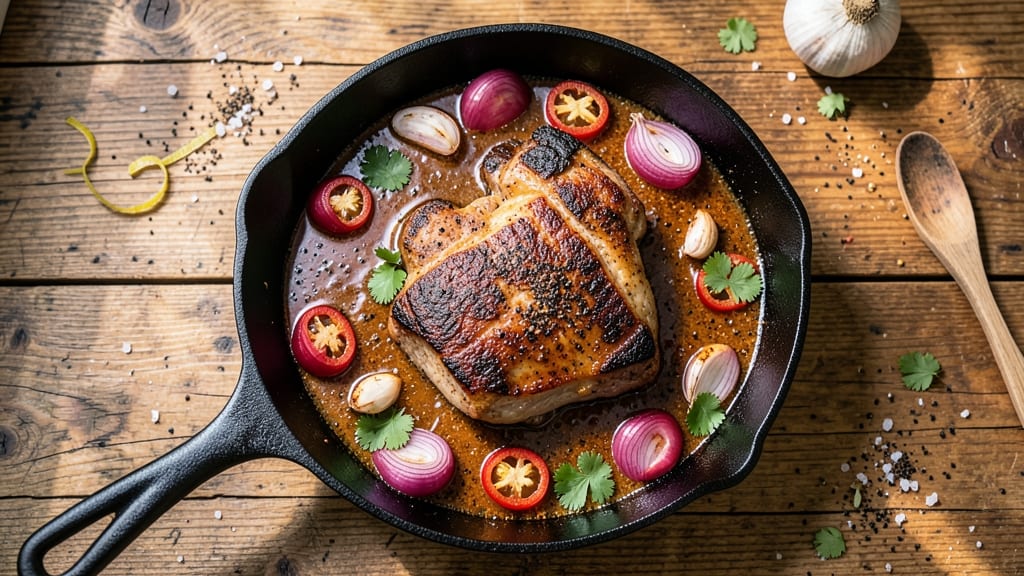
This barbecue beef stew recipe transforms tough cuts into melt-in-your-mouth tenderness with deep-smoked flavors and layers of caramelized onions. 🔥 As a pitmaster trained in French technique, I've perfected the balance between slow-cooked richness and bold barbecue essence—every bite delivers that smoky, savory punch without sacrificing hearty comfort.
The secret lies in searing the beef first to lock in juices, then letting it braise low and slow while onions develop that signature depth.
The beauty of this recipe is its foolproof structure—just one pot means minimal cleanup, and the flavors only get better as they meld over time.
We're talking tender beef that falls apart at the touch, vegetables cooked just until tender-crisp, and a sauce thickened with natural beef juices rather than flour. The caramelized onions add sweetness that cuts through the smokiness, creating harmony in every spoonful.
What you end up with is a restaurant-quality stew that tastes like it's been simmering all day—even though it comes together in under an hour of active time.
The aroma alone will have your kitchen smelling like a backyard cookout, while the texture delivers that perfect contrast of tender meat and crisp vegetables. This is the kind of dish that feeds a crowd, warms a winter night, and becomes an instant family favorite.
Serve it with crusty bread for soaking up every last drop of that smoky, savory sauce. The leftovers? Even better the next day as the flavors deepen. Let's get cooking—this stew is worth every minute of the wait.
Ingredients for barbecue beef stew
Tough beef cut, smoky spices, and caramelized onions create melt-in-your-mouth richness.
| Ingredient | Amount | Notes |
|---|---|---|
| Chuck Roast 🥩 | 3 lb | Tough cut for melting tenderness |
| Yellow Onions 🧅 | 3 whole | Yellow or red preferred |
| Garlic Cloves 🧄 | 6 cloves | Freshly minced for aroma |
| Smoked Paprika 🌶️ | 2 tbsp | For deep smoky flavor |
| Ground Black Pepper 🌶️ | 1 tbsp | Freshly cracked preferred |
| Kosher Salt 🧂 | 1 ½ tbsp | Diamond Crystal preferred |
| Olive Oil 🫒 | ½ cup | For searing beef |
| Whole Carrots 🥕 | 4 whole | Baby carrots work too |
| Russet Potatoes 🥔 | 2 lb | Peeled and cubed |
| Beef Broth 💧 | 4 cups | Low-sodium preferred |
| Tomato Paste 🍅 | ½ cup | No sugar added |
| Dark Brown Sugar 🍯 | 2 tbsp | For caramelization |
| Apple Cider Vinegar 🍎 | 1 tbsp | For tangy depth |
| Fresh Thyme 🌿 | 1 tbsp | Leaves only, chopped |
| Fresh Bay Leaves 🌿 | 2 whole | Removed before serving |
The chuck roast is non-negotiable here—its collagen-rich fat turns into silky texture during the long cook. Costco sells it pre-cut for convenience, but butcher shops often have better quality. Look for good marbling (white flecks of fat) and avoid anything with a gamey smell. Carrots and potatoes should be firm—no wrinkly skins or soft spots. The smoked paprika is what gives this dish that authentic barbecue flavor, so don't skimp. Penzeys or Trader Joe's bulk bins have great options if you want to splurge.
No smoked paprika? Substitute half the amount with regular paprika plus a pinch of liquid smoke. Fresh thyme is ideal, but dried works at one-third the amount. The tomato paste can be the squeeze tube kind from Trader Joe's—it's perfect for this recipe. For the onions, you can use a mix of yellow and red for color, but yellow gives the most sweetness when caramelized. If you're short on time, baby carrots and pre-peeled potatoes save prep work without sacrificing flavor.
This stew tastes even better the next day as flavors meld. Store in the fridge for up to 5 days or freeze portions for 3 months. The sauce thickens as it cools, so add a splash of broth when reheating. I always double the recipe—leftovers make amazing sandwiches or reheated bowls. For serving, crusty bread or cornbread is perfect for soaking up that rich sauce.
Why You'll Love This Recipe
- One-Pot Magic: Between us, this stew is the dish for when you’re too tired to wash pots. Chuck roast and onions go straight into the pot—no chopping like a fine-diner’s dream, just rough dice that melts into smoky perfection. Honestly, I’ve made it after work when I just wanted to sit down, and it still tasted like I’d slaved away.
- Smoky Deep Flavor: That smoked paprika? It’s the secret weapon. The chuck roast turns fork-tender while soaking up the garlic and onions until the broth is rich enough to make you close your eyes. I’ll be real: my husband licks the spoon when I’m not looking, and he’s not usually a "stew guy."
- Weeknight to Party Fix: Same recipe, different vibes. Toss it together for a lazy Tuesday, or serve it in bowls with crusty bread when friends drop by. The leftovers? Even better the next day—my college-aged kid sneaks seconds when I’m not watching.
- Budget-Friendly Powerhouse: Chuck roast is cheap, this stew is filling, and it stretches for days. I’ve fed a family of five for under $15, and no one ever complains. Plus, the flavor gets better as it sits—proof that good food doesn’t need to break the bank.
Step-by-step instructions for deep-smoked beef stew
Here's how to build layers of smoky depth and caramelized richness in your stew.
🔥 Step 1: Sear the Chuck Roast for Maximum Flavor
Heat a large Dutch oven over medium-high heat. Add ½ cup olive oil and let it get shimmering hot. Pat the 3 lb chuck roast completely dry with paper towels—this ensures a perfect sear. Place the roast in the pot and sear for 4-5 minutes per side until deeply browned. You want that crust to form; it's packed with flavor that'll infuse your stew.
While the roast sears, peel and chop 3 whole yellow onions into ½-inch slices. I like to keep them in large chunks—they'll caramelize beautifully later. Remove the seared roast and set it aside. In the same pot, add the onions and cook for 8-10 minutes until they begin to soften and turn golden. This step builds the foundation for your stew's rich flavor profile.
🍳 Step 2: Build the Smoky Base with Spices and Aromatics
Push the onions to one side of the pot and add 6 minced garlic cloves to the empty space. Cook for 30 seconds until fragrant—don't let it burn. Sprinkle the onions with 2 tbsp smoked paprika, 1 tbsp ground black pepper, and 1.5 tbsp kosher salt. Stir everything together and cook for another 1 minute until the spices are toasted and aromatic.
Here's where the magic happens: Add ½ cup tomato paste and 2 tbsp dark brown sugar. Stir vigorously for 2 minutes until the tomato paste darkens and caramelizes slightly. This creates a deep, complex base that'll tie all your flavors together. Pour in 1 tbsp apple cider vinegar and scrape up any browned bits from the bottom of the pot—those bits are pure flavor.
🥘 Step 3: Simmer the Stew for Deep Flavor Development
Return the seared chuck roast to the pot. Pour in 4 cups beef broth until it just covers the meat. Add 4 whole whole carrots (peeled and cut into 1-inch chunks), 2 lb russet potatoes (peeled and cubed), 1 tbsp fresh thyme, and 2 whole fresh bay leaves. Bring to a gentle boil, then reduce heat to low and cover partially. Let it simmer for 2.5 hours, stirring occasionally.
This long simmer is crucial—it breaks down the tough chuck roast into tender, fork-tender pieces. You'll know it's ready when the meat pulls apart easily and the flavors have melded beautifully. The potatoes should be tender, and the carrots should be just starting to soften. Real talk: Don't rush this step. Patience here makes all the difference in the final result.
⏰ Step 4: Finish with Perfect Texture and Flavor Balance
After 2.5 hours, check the stew's consistency. If it's too thick, add ½ cup water or more broth to reach your desired texture. Taste and adjust seasoning—you might need a little more salt or pepper. The stew should be rich but not overly salty, with a perfect balance of smoky, sweet, and tangy flavors.
Remove the 2 whole fresh bay leaves before serving. Ladle the stew into bowls, making sure each serving gets a generous piece of that tender chuck roast. The aroma alone should make your mouth water—smoky, sweet, and deeply comforting. Serve with crusty bread to soak up every last drop of that flavorful broth.
Pro Tips For Making Barbecue Beef Stew
- SEAR THE CHUCK FIRST: Chuck roast needs that deep, caramelized crust to hold up through hours of cooking. Hit it with high heat in a heavy pot—don’t overcrowd—and let it brown for 5-7 minutes per side before adding onions or garlic. I used to skip this, and the stew always tasted flat.
- CHAR THE ONIONS LOW: Yellow onions should turn deep amber, not blackened. After the meat’s seared, reduce heat to medium-low and let them cook undisturbed for 10-12 minutes. Stirring too soon just steams them. (Yes, even if you’re impatient like me.)
- SALT THE MEAT BEFORE SEASONING: Generously salt the chuck roast 30 minutes before cooking—it draws out moisture, which crisps the crust when seared. Then season with smoked paprika and black pepper after browning. I learned this the hard way when my stew tasted bland.
- USE GARLIC PASTE, NOT MINCED: Fresh garlic cloves burn easily in stews. Blend them into a paste with a splash of water first—it distributes evenly and adds richness without bitterness. (I was skeptical until I tried it.)
Regional styles of this barbecue beef stew
Southern Smokehouse Style
In the South, this stew gets its signature touch from a dry rub applied directly to the beef before searing. Mix 1 tbsp smoked paprika, 1 tsp brown sugar, and ½ tsp cayenne, then coat the chuck roast generously.
After searing, the rub caramelizes into a crust that adds depth. I like to finish with a splash of hot sauce (like Crystal) and a sprinkle of crumbled bacon on top—trust me, it takes this dish to another level. 🔥
Texas-Style Brisket Infusion
For a Texas-inspired twist, swap the chuck roast for 2 lbs beef brisket, cut into 1-inch cubes. After searing, add 1 tbsp beef tallow to the pot with the onions for extra richness. Texas cooks often use chopped jalapeños and pickled red onions as garnishes.
The key here is to simmer the brisket for 3 hours instead of 2.5—it needs that extra time to break down completely. Serve with cornbread for the full Texas BBQ experience.
Carolina Vinegar-Kissed Version
Carolina BBQ lovers will appreciate this tangy variation. After building the base, add 2 tbsp apple cider vinegar> and 1 tsp black pepper> to the pot. I also include ½ cup chopped collard greens> (stemmed and chopped) during the final 30 minutes> of cooking.
The vinegar brightens the stew, while the collards add a subtle Southern green flavor. Finish with a drizzle of Carolina Gold mustard—it's a game-changer. 💛
Midwestern Heartland Twist
The Midwest brings a comforting, homey approach to this stew. Swap the smoked paprika for 1 tbsp regular paprika> and add 1 tsp ground allspice> to the spice blend.
Midwestern cooks often include ½ cup frozen peas> during the last 15 minutes> of cooking for a pop of color and texture. The allspice adds warmth, while the peas give a nod to classic pot roast traditions. Serve with buttered egg noodles for a hearty, filling meal.
Pacific Northwest Smoked Cedar
Out West, they love to incorporate cedar-plank smoke into their dishes. After searing the beef, place it on a cedar plank (soaked in water) and smoke it for 10 minutes> in a smoker set to 225°F>. Then proceed with the recipe as written.
The cedar adds a unique, woodsy aroma that pairs beautifully with the smoky paprika. Garnish with fresh parsley and serve with sourdough bread to soak up the rich sauce. This version feels like a campfire feast in a pot. 🌲
Urban Gourmet Adaptation
For city dwellers with limited time, this version keeps all the smoky depth but simplifies prep. Use a pressure cooker (like Instant Pot) to cut simmering time to 45 minutes>. Add the beef and veggies all at once, then cook on high pressure for 30 minutes>.
Finish with a sprinkle of crumbled blue cheese and chopped walnuts for texture. The pressure cooker version is perfect for weeknights but still delivers that restaurant-quality taste. 💡
Nutrition facts
Frequently asked questions
Can I use a different cut of beef instead of chuck roast?
Yes, you can substitute with brisket or short ribs for extra richness, but these will need 3-4 hours of simmering. For quicker results, try stew meat (pre-cut for stews) which cooks in about 2 hours. Avoid lean cuts like sirloin—they won't develop the same tender texture.
How do I make this stew smokier without a smoker?
Add ½ teaspoon liquid smoke to the tomato paste mixture during Step 2, or use 1 extra tablespoon smoked paprika. For deeper aroma, char a few wooden chips (like hickory) in a dry pan, then crush and sprinkle into the stew at the end. The key is balancing it with the vinegar to avoid overpowering flavors.
Can I prepare this stew in a slow cooker?
Brown the beef and onions in a skillet first, then transfer everything to a 6-quart slow cooker. Cook on low for 8 hours or high for 4-5 hours. The slow cooker version actually enhances the smoky flavors as they develop over time. Just add the potatoes and carrots during the last 1-2 hours to prevent overcooking.
What if my stew is too thin or too thick?
For thin stew, mix 1 tablespoon cornstarch with 2 tablespoons cold water, stir into the pot, and simmer for 5 minutes. For thick stew, add ½ cup beef broth at a time until reaching your desired consistency. The stew should coat the back of a spoon but still be spoonable—this balance is key for perfect texture.
How can I make this vegetarian?
Swap the beef for portobello mushrooms (sliced thick) or hearty lentils. Boost umami with 2 tablespoons soy sauce or 1 teaspoon miso paste during the spice step. Use vegetable broth and add 1 cup chopped celery for structure. The caramelized onions and smoked paprika will still deliver that smoky depth!