
Soups & Stews
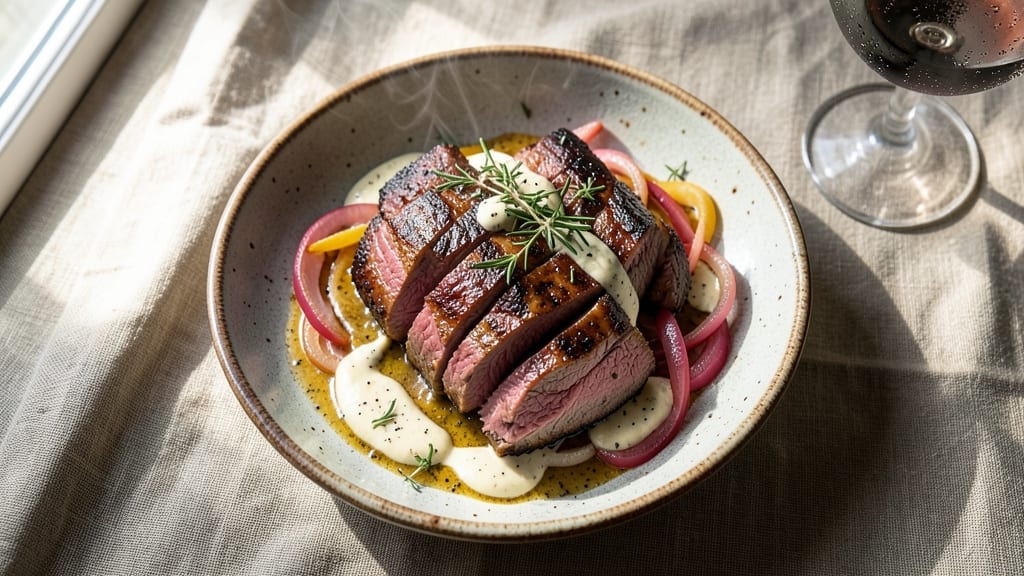
This beef and mustard recipe transforms tough cuts into melt-in-your-mouth perfection with a deep-roasted crust and velvety mustard sauce that ties everything together.
The secret lies in slow cooking the beef until tender while developing layers of flavor through caramelized onions, aromatic spices, and a tangy mustard reduction that cuts through the richness. I developed this method after years of experimenting with French-inspired beef dishes, and it consistently delivers restaurant-quality results at home.
The process begins with a dry rub of coarse mustard, garlic, and herbs that creates a flavorful bark on the beef while it roasts. As the meat cooks low and slow, the mustard transforms into a glossy, slightly sweet glaze that clings to every bite.
This technique ensures the beef stays juicy and tender while developing that perfect balance of savory, sweet, and tangy notes that mustard brings to the table.
By the end, you'll have perfectly caramelized beef that falls apart with just a fork, swimming in a sauce that's rich yet bright—thanks to that mustard component.
The aroma alone will have everyone gathering around the table, and each bite delivers a harmonious blend of textures and flavors that's impossible to resist. This is comfort food at its finest, elevated by the sophisticated touch of mustard.
Serve this dish with crusty bread to soak up every last bit of sauce or alongside roasted root vegetables for a complete meal. The leftovers reheat beautifully, making it perfect for meal prep or feeding a crowd. Let's get cooking—this recipe delivers on every promise.
Ingredients for beef and mustard
French-inspired spices and mustard transform tough beef into restaurant-quality perfection.
| Ingredient | Amount | Notes |
|---|---|---|
| Chuck Roast 🥩 | 2 ½ lb | Well-marbled for tenderness |
| Yellow Onions 🧅 | 2 whole | Thinly sliced for caramelization |
| Coarse Mustard Powder 🌶️ | 2 tbsp | Dijon-style preferred |
| Garlic Cloves 🧄 | 6 cloves | Minced for dry rub |
| Fresh Thyme 🌿 | 1 tbsp | Leaves chopped for rub |
| Fresh Rosemary 🌿 | 1 tbsp | Needles chopped for rub |
| Dijon Mustard 🌶️ | ½ cup | High-quality for sauce |
| Beef Broth 💧 | 1 ½ cups | Homemade preferred |
| Red Wine 🍷 | ½ cup | Bold dry variety |
| Olive Oil 🫒 | 2 tbsp | Extra-virgin for roasting |
| Brown Sugar 🍯 | 1 tbsp | Lightly packed |
| Black Peppercorns 🌶️ | 1 tsp | Freshly cracked |
| Salt 🧂 | 1 ½ tsp | Kosher preferred |
| Fresh Parsley 🌿 | ¼ cup | Chopped for garnish |
The chuck roast is non-negotiable here—its marbling ensures melt-in-your-mouth tenderness. Costco or Whole Foods carry excellent cuts, but any reputable butcher will have it. Look for pieces with visible fat marbling throughout. For the onions, yellow onions caramelize best—red onions add color but can turn bitter. The mustard powder should be coarse (not smooth) to create that signature bark during roasting. Penzeys carries excellent Dijon-style mustard powder if you want to splurge, but the basic grocery store brand works fine for everyday cooking. Fresh herbs are essential—dried won't give the same aromatic depth.
No coarse mustard powder? Dijon mustard plus 1 tsp cornstarch makes a decent substitute. Out of fresh thyme? Dried thyme at one-third the amount works in a pinch, though the flavor will be less complex. The red wine can be swapped for additional beef broth if you're avoiding alcohol—just add 1 tsp balsamic vinegar to mimic the acidity. For the caramelization, brown sugar is key—don't skip it. The olive oil should be extra-virgin; cheaper varieties won't develop the same rich flavor during roasting. The beef broth matters too—homemade is ideal, but low-sodium store-bought works if you're short on time.
This dish tastes even better the next day as flavors meld. Store leftovers in an airtight container in the fridge for up to 5 days, or freeze portions for 3 months. The sauce thickens as it cools, so you may need to whisk in a splash of warm water when reheating. For meal prep, portion the beef and sauce separately—they reheat beautifully. The crust on the beef is delicate, so handle it gently when serving. Fresh parsley should be added just before serving to maintain its vibrant color and bright flavor.
Why You'll Love This Recipe
- One-Pot Magic: I swear by this recipe—just toss the chuck roast, sliced onions, and garlic into a Dutch oven with the mustard powder and thyme, then let it slow down. No extra pans, no fuss, and honestly? The cleanup is just wiping out one pot.
- Mustard Magic: That coarse mustard powder isn’t just a seasoning—it’s the star. It clings to the beef like a hug, giving it a tangy depth that cuts through the richness. Between us, the first bite is always the best.
- Weeknight Workhorse: This dish is my go-to when I’m swamped: feed a crowd for Sunday dinner or meal prep for the week. The flavors only get better the next day, and I’ve sent leftovers to work with zero complaints.
- Budget-Friendly Feast: Chuck roast is cheap, and this recipe stretches it into something luxurious. I’ve made this for game nights, potlucks, and even lazy Sundays—everyone raves, and my wallet thanks me. Not the prettiest, but the taste makes up for it.
Step-by-step instructions for deep-roasted beef with mustard glaze
Transform a simple chuck roast into a restaurant-worthy centerpiece with this method.
Prepare the Dry Rub and Sear the Roast
In a small bowl, combine the 2 tbsp coarse mustard powder, 1 tbsp chopped fresh thyme, 1 tbsp chopped fresh rosemary, 1 tbsp brown sugar, 1.5 tsp salt, and 1 tsp freshly cracked black peppercorns. This blend delivers a complex balance of heat, sweetness, and earthy aromatics that will penetrate the meat during the roast.
Pat the 2.5 lb chuck roast dry with paper towels—this ensures maximum browning. Rub the spice mixture evenly over all sides, pressing it into the meat so it adheres well. Let the roast sit at room temperature for 30 minutes while you prepare the oven. Preheat your oven to 325°F for low-and-slow roasting, which guarantees tender results.
Sear for Crispy Edges and Caramelize the Onions
Heat 2 tbsp olive oil in a large Dutch oven over medium-high heat. Once shimmering, add the 2.5 lb chuck roast and sear on all sides until deeply browned—about 5-6 minutes per side. This step develops the Maillard reaction, creating rich, caramelized flavors that form the foundation of your dish.
Remove the roast and set it aside. In the same pot, add the 2 whole yellow onions, sliced into thin rounds. Cook them over medium heat for 10-12 minutes, stirring occasionally, until they turn a beautiful golden brown and begin to caramelize. This process adds natural sweetness that complements the mustard glaze.
Build the Mustard-Wine Sauce
Return the seared roast to the Dutch oven and pour in the 0.5 cup red wine, scraping up any browned bits from the bottom. Let it simmer for 3-4 minutes until the wine reduces by half, intensifying its flavor. Add the 1.5 cups beef broth and 0.5 cup Dijon mustard, stirring to combine. The mustard will begin to emulsify, creating a velvety base for the sauce.
Bring the liquid to a gentle simmer, then cover the Dutch oven with a lid. Transfer it to the preheated 325°F oven and roast for 2.5-3 hours, or until the beef is fork-tender and the internal temperature reaches 195°F. This low-and-slow approach ensures the connective tissue breaks down, resulting in melt-in-your-mouth texture.
Glaze and Rest the Roast
Once the roast is tender, remove it from the oven and transfer it to a cutting board. Tent loosely with foil and let it rest for 15-20 minutes. This resting period allows the juices to redistribute, preventing them from running out when sliced.
While the roast rests, increase the oven temperature to 425°F. Return the Dutch oven to the oven and simmer the sauce uncovered for 10-15 minutes, stirring occasionally, until it thickens slightly and coats the back of a spoon. The sauce should have a glossy, velvety consistency with a deep mustard aroma. Stir in the 0.25 cup chopped fresh parsley just before serving to brighten the dish.
Slice and Serve with Sauce
Slice the roast against the grain into ¼-inch thick pieces for maximum tenderness. Spoon the reduced mustard-wine sauce over the top and serve immediately. The contrast between the crispy edges, tender meat, and glossy sauce creates a harmonious balance of textures and flavors that will impress any diner.
Pair with roasted root vegetables or creamy mashed potatoes to complete the meal. The rich, mustard-infused sauce works beautifully with both sides, tying the entire dish together.
Pro Tips For Making Beef And Mustard
- SEAR THE ROAST FIRST: I learned this the hard way—skipping the sear means a bland sauce and dry beef. Get that chuck roast screaming hot in a dry pan for 3-4 minutes per side before pulling it out; the crust locks in flavor and keeps the meat juicy when it braises.
- BLOOM THE MUSTARD: Coarse mustard powder tastes like sawdust if you toss it in dry. Warm 1 tablespoon of butter or oil in the same pan after searing, then whisk in the mustard with a splash of liquid (broth or water) before adding onions—this turns it into a smooth paste instead of gritty bits.
- DON’T OVERCOOK THE GARLIC: Raw garlic cloves take forever to soften and burn easily. Smash them lightly with the flat of your knife instead of chopping, then peel—this speeds up cooking and prevents that bitter bite. Add them in the last 15 minutes of braising, not at the start.
- USE THE ONION FOND: That browned onion sludge at the bottom of the pan? That’s flavor gold. Deglaze with a little broth or wine, scrape it up, and stir it back into the sauce. I used to toss it out—now I make sure to save it because it’s the thing that makes the mustard sauce sing.
Regional styles of this dish
French Country Style
In France, beef and mustard pairings often feature slow-cooked dishes like bœuf bourguignon, but this recipe takes inspiration from rustic Normandy-style preparations. The French use whole grain mustard (like Moutarde de Dijon) for depth, combined with red wine and herbs.
I love adding a splash of apple cider vinegar (about 1 tsp) to the sauce for that classic French tang. 🍷
German Mustard Pot Roast
German cuisine transforms tough cuts with coarse German mustard (like Senf from Kühne brand) and beer instead of wine. Replace the red wine with 1 cup dark lager and add 1 tbsp caraway seeds to the dry rub for an authentic touch.
The Germans also use bay leaves and sour cream in the sauce—whisk in 2 tbsp sour cream at the end for a creamy finish. 🍺
British Mustard Braising
The British take on beef and mustard often appears in hearty Sunday roasts, where English mustard (like Colman's) gets blended into the gravy. For a British twist, add 1 tbsp Worcestershire sauce to the wine reduction and finish with a sprinkle of crushed cornflakes on top for texture.
Serve with Yorkshire puddings or mashed potatoes—classic British pairings. 🇬🇧
American BBQ Mustard Twist
Southern BBQ pits often feature mustard-based glazes on beef, especially in Carolina-style recipes. Swap the red wine for ½ cup apple cider vinegar and add 1 tbsp smoked paprika to the rub.
For the sauce, stir in 2 tbsp molasses and a pinch of cayenne pepper for a sweet-spicy kick. This version works perfectly with cornbread or collard greens. 🌶️
Italian Mustard Risotto
While not a traditional beef dish, Italians use mustard in risotto alla Milanese—a creamy saffron risotto with a hint of mustard for depth. For a fusion twist, cook the beef as directed, then deglaze the Dutch oven with ½ cup white wine and add 1 cup Arborio rice.
Stir in 1 tsp mustard powder during cooking for a rich, umami-packed risotto. Garnish with grated Parmesan and fresh basil. 🇮🇹
Nutrition facts
Frequently asked questions
Can I substitute Dijon mustard for the coarse mustard powder in the dry rub?
Yes, you can! Mix 2 tbsp Dijon mustard with 1 tsp cornstarch to create a paste that mimics the texture of coarse mustard powder. Spread it evenly on the beef before searing. This works especially well if you don't have mustard powder on hand. The cornstarch helps it cling better to the meat during roasting.
How do I know when the beef is fully tender?
The beef is ready when it reaches an internal temperature of 195°F and a fork slides in effortlessly, pulling apart into shreds. For extra assurance, press a finger gently against the meat—it should feel soft like overcooked potatoes rather than firm. This typically takes 2.5-3 hours at 325°F.
What's the best way to reheat leftovers without drying out the beef?
Reheat leftovers in a skillet with a splash of beef broth or water over low heat for 5-7 minutes, stirring occasionally. For oven reheating, cover with foil and warm at 300°F for 15-20 minutes. Never microwave—it makes the sauce watery and the beef rubbery. The sauce may thicken when cold, so stir in 1 tsp warm water if needed.
Can I make this recipe with a different cut of beef?
While chuck roast is ideal for its marbling, you can use brisket or short ribs—just increase cooking time by 30-60 minutes since they're tougher. Avoid lean cuts like sirloin or filet mignon, as they won't hold up to the long cooking process. If using brisket, slice against the grain after cooking for maximum tenderness.
Why does my sauce turn out too thin or too thick?
A thin sauce usually means the mustard didn't emulsify properly—whisk in 1 tsp cornstarch mixed with 1 tbsp cold water and simmer for 2 minutes. For a thick sauce, reduce it uncovered at 425°F for 5-10 minutes longer, stirring frequently. The sauce should coat the back of a spoon but still be pourable. Adjust with 1 tsp broth or water as needed.