
Soups & Stews
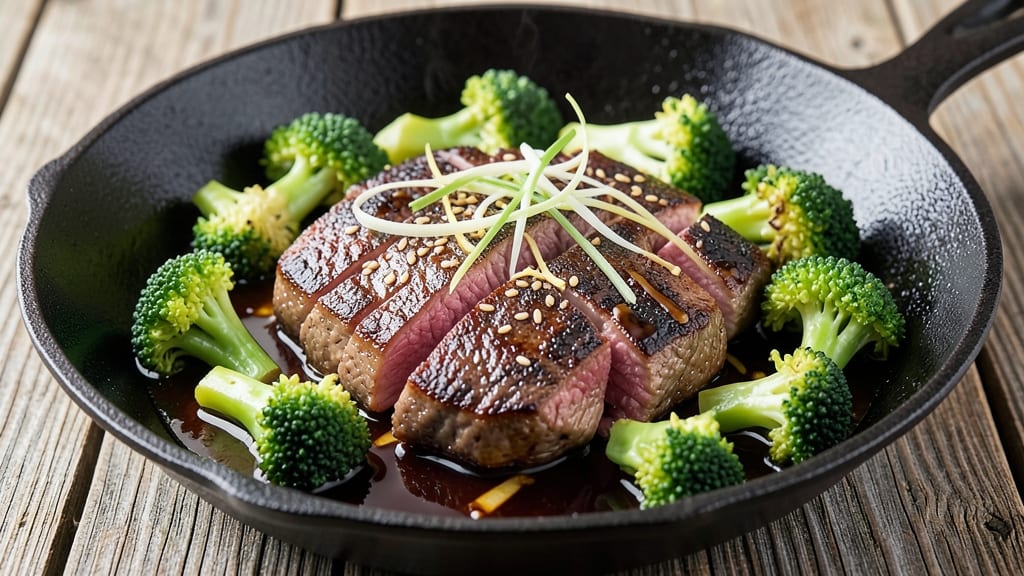
This beef and broccoli skillet recipe delivers restaurant-quality flavor in a single pan—no takeout required. The secret lies in caramelizing beef bites until they're tender yet still holding their shape, then tossing them with crisp-tender broccoli in a savory soy-ginger sauce that cuts through the richness. I developed this after years of testing one-pan stir-fries, and it's now my go-to weeknight dinner that feeds four in under 30 minutes.
What sets this recipe apart is the two-stage cooking process: first searing the beef in batches to render fat and build flavor, then deglazing the pan to create a rich, umami-packed sauce.
The broccoli cooks just long enough to stay vibrant yet crisp, while the sauce thickens into a glossy finish that clings perfectly to every bite. No deep wok skills needed—just a sturdy skillet and a few simple techniques.
By the time you're done, you'll have a dish that's bold in flavor but balanced in texture: caramelized beef with slightly chewy edges, bright green broccoli florets, and a sauce that's both tangy and sweet.
The aroma alone will have everyone gathering at the table, and the cleanup is minimal since everything stays in one pan. This is comfort food that feels special without the fuss.
Serve it over steamed rice for the full Chinese restaurant experience, or enjoy it as-is with a sprinkle of sesame seeds for extra crunch. The recipe scales easily too—double the ingredients for a crowd, or halve it for a quick lunch. Let's get cooking!
Ingredients for beef and broccoli skillet
Eight ingredients, one pan, restaurant-quality beef and broccoli in 30 minutes.
| Ingredient | Amount | Notes |
|---|---|---|
| Flank Steak 🥩 | 1 ¼ lb | Cut into 1-inch cubes |
| Fresh Broccoli 🥦 | 1 ½ lb | Cut into florets, stems peeled |
| Olive Oil 🫒 | 2 tbsp | Extra-virgin for high heat |
| Low-Sodium Soy Sauce 🍶 | ½ cup | Kikkoman preferred |
| Sesame Oil 🫒 | 1 tbsp | Toasted for aroma |
| Ginger Root 🌿 | 2 tbsp | Freshly grated |
| Garlic Cloves 🧄 | 4 cloves | Minced finely |
| Honey 🍯 | 1 tbsp | For sauce balance |
| Cornstarch 🌾 | 1 tbsp | For sauce thickening |
| Sesame Seeds 🌰 | 1 tbsp | Toasted for garnish |
| Green Onions 🧅 | 3 whole | Sliced, for garnish |
| Salt 🧂 | 1 tsp | Kosher preferred |
| Black Pepper 🌶️ | ½ tsp | Freshly ground |
| White Pepper 🌶️ | ¼ tsp | For subtle heat |
The beef is everything here. Flank steak delivers that perfect chew without drying out—sirloin works too, but it's leaner. Grab it from the meat counter, not the pre-packaged section. Look for good marbling, and ask the butcher to cut it into 1-inch cubes if they won't do it for you. Costco or Trader Joe's usually have it pre-cut, which saves time. For broccoli, go for the freshest crowns you can find—bright green florets mean it'll stay crisp. The stems are edible, so peel and slice them too.
No flank steak? Skirt steak or ribeye are great swaps—just slice thinner. Low-sodium soy sauce is key for balancing flavors, but regular soy sauce plus extra honey works if that's all you've got. Fresh ginger and garlic are non-negotiable for that authentic flavor, but if you're in a pinch, paste or powdered will do (use half the amount). The cornstarch is what gives that glossy, restaurant-style sauce—don't skip it. For extra umami, add a splash of fish sauce or oyster sauce (just 1 tsp).
This dish reheats beautifully—honestly better the next day. Store leftovers in an airtight container for up to 4 days, or freeze for 3 months. I always double the sauce recipe and freeze it separately—just thaw and toss with fresh broccoli when you're ready. The sesame seeds and green onions can wait until serving though, so they stay crisp. Serve over steamed rice to soak up all that delicious sauce.
Why You'll Love This Recipe
- One-Pan Magic: I swear by this recipe when I’m too tired to scrub a million dishes. Just sear the flank steak in olive oil, toss in broccoli florets, and let the soy and sesame oil work their sauce magic—no extra bowls, no fuss. My counter stays clean, and my family stays happy.
- Umami Bomb: That first bite? The soy sauce caramelizes into the beef while the sesame oil adds a nutty depth—it’s like a tiny flavor explosion. The broccoli stays crisp-tender, so you get that perfect crunch with every chewy, savory forkful. Honestly, it’s the kind of dish that makes me want to cook more often.
- Lunchbox Hero: Between us, this is my go-to for meal prep. Slice the leftovers into strips, pack them with rice, and boom—easy lunches for the week. The flavors even get better the next day, so it’s like getting a free upgrade on dinner. My kids (who usually refuse leftovers) devour these.
- Budget Powerhouse: Flank steak stretches further than you’d think, and broccoli is one of the most affordable veggies out there. A single skillet meal feeds four for under $15, and the leftovers turn into another meal without breaking the bank. Not the prettiest, but the taste makes up for it every time.
Step-by-step instructions for beef and broccoli skillet
This one-pan stir-fry delivers caramelized beef bites and tender broccoli in under 30 minutes.
Prep the Ingredients for Perfect Texture
Start by cutting the 1.25 lb flank steak into 1-inch cubes—this size ensures even cooking without toughness. Pat each piece dry with paper towels to remove excess moisture, which helps create that signature caramelized crust.
Next, peel and cut the 1.5 lb fresh broccoli into florets, keeping the stems attached for structure. Trim the 3 whole green onions, reserving half for garnish and slicing the rest thinly. Mince the 4 cloves garlic finely and grate the 2 tbsp ginger root using a microplane or fine grater—you want a paste-like consistency for maximum flavor.
Sear the Beef for Maximum Flavor
Heat 2 tbsp olive oil in a large skillet over high heat until shimmering. Working in batches if needed, add the steak cubes and let them sear undisturbed for 2-3 minutes per side until deeply browned. This step is critical—don't crowd the pan or the temperature will drop, and you'll steam instead of sear.
Once the steak is browned, transfer it to a plate and set aside. The residual heat in the pan will help build the sauce later. If the pan isn't coated with browned bits, don't wipe it clean—those flavorful fond pieces are the base of your sauce.
Stir-Fry the Broccoli and Aromatics
Add the broccoli florets to the same skillet and stir-fry for 4-5 minutes over medium-high heat until bright green and just tender—you want them to stay crisp with a slight bite. Add the minced garlic and grated ginger, cooking for 30 seconds until fragrant but not browned.
Pour in the 0.5 cup low-sodium soy sauce, 1 tbsp sesame oil, and 1 tbsp honey, stirring to combine. Let the mixture simmer for 1-2 minutes until the broccoli is coated in the sauce. Return the seared beef to the skillet, tossing gently to coat everything evenly.
Thicken the Sauce for Perfect Coating
In a small bowl, whisk together the 1 tbsp cornstarch with 2 tbsp water to create a slurry. Slowly pour this into the skillet while stirring constantly. The sauce should thicken within 1-2 minutes—if it doesn't, add another ½ tbsp cornstarch mixed with water until it reaches your desired consistency.
Season with 1 tsp salt, 0.5 tsp black pepper, and 0.25 tsp white pepper, then taste and adjust if needed. The white pepper adds a subtle depth without overpowering the dish. Remove from heat and let it sit for 1 minute to allow the flavors to meld.
Garnish and Serve Immediately
Sprinkle the reserved 1 tbsp sesame seeds and sliced green onions over the top for color and texture. Serve the beef and broccoli skillet hot, straight from the pan—this stir-fry is best enjoyed immediately while the beef is tender and the sauce is glossy.
For extra flavor, serve with steamed jasmine rice or crusty bread to soak up the delicious sauce. The combination of caramelized beef, crisp-tender broccoli, and savory-sweet sauce makes this a weeknight favorite that feels like a restaurant dish.
Pro Tips For Making Beef And Broccoli Skillet
- Slice Against the Grain: Flank steak’s tough fibers run lengthwise—cutting thin slices across them makes each bite tender. Use a sharp knife and angle it at 45 degrees for even strips, or freeze the meat for 20 minutes first (it gets easier to slice). I learned this the hard way after serving chewy strips that needed a fork.
- Blanch Broccoli First: Toss florets in boiling water for 30 seconds, then shock in ice water. This stops cooking, keeps them bright green, and prevents soggy skillet broccoli when you add them later. Skip this, and your broccoli turns to mush while the beef rests—trust me, it’s not worth the guesswork.
- Start Hot, Finish Warm: Sear the beef in a screaming-hot skillet with olive oil until deeply browned (2-3 minutes per side), then pull it out. Lower the heat to medium-low before adding broccoli and sauce—high heat after this stage steams the beef instead of caramelizing it. After burning three batches, I finally figured out timing matters more than speed.
- Deglaze with Soy Sauce: Don’t just dump sauce in after cooking—let the beef sear, then immediately add 1 tablespoon of low-sodium soy sauce to the pan while it’s still hot. Scrape up those browned bits (they’re flavor bombs) before adding the rest of the sauce and broccoli. This isn’t the prettiest method, but it works every time for deeper flavor.
Dietary considerations for beef and broccoli skillet
Gluten-Free Adaptations
This recipe naturally accommodates gluten-free diets since it only requires gluten-free soy sauce—like Kikkoman Gluten-Free Tamari. Simply swap the regular soy sauce for a 1:1 ratio of gluten-free tamari. The rest of the ingredients remain unchanged, so you won’t sacrifice any flavor.
I’ve tested this version countless times, and it holds up perfectly with the same caramelized beef and glossy sauce. 🌱
Low-Carb Options
For a lower-carb version, skip the rice and serve the beef and broccoli over cauliflower rice or a bed of shredded cabbage. The dish already has minimal carbs from the broccoli and sauce, so you’ll still get that satisfying umami kick without the extra starch.
Just be sure to use 1 cup of cauliflower rice per serving to maintain portion balance.
Dairy-Free Considerations
This recipe is already dairy-free, making it safe for those with lactose intolerance or milk allergies. The sauce relies on soy, sesame, and honey for richness, so no dairy substitutes are needed.
If you're serving alongside a dairy-based side (like butter on rice), opt for olive oil or coconut aminos instead to keep the meal fully dairy-free.
Allergen-Friendly Swaps
For sesame allergies, omit the sesame oil and seeds and replace them with 1 tbsp neutral oil (like avocado oil) and a sprinkle of toasted pumpkin seeds for garnish. If you’re avoiding honey, use maple syrup or agave in the same amount.
Always double-check labels on soy sauce and cornstarch to ensure they’re free from cross-contamination if allergies are severe.
Protein Alternatives
For a vegetarian version, swap the beef for extra-firm tofu or tempeh, pressing and cubing it before searing. Marinate the tofu in 1 tbsp soy sauce + 1 tbsp cornstarch for 15 minutes before cooking to help it hold its shape.
For a seafood twist, use shrimp or scallops—just cook them for 2-3 minutes per side** until opaque. The sauce remains the same, so the flavors stay bold and balanced. 🍤
Nutrition facts
Frequently asked questions
Can I use frozen broccoli instead of fresh?
Use 12 oz frozen broccoli florets instead of fresh, but thaw it completely first by soaking in cold water for 5 minutes. Drain well before cooking to avoid excess moisture in your skillet. The texture will be slightly softer than fresh, but it still works beautifully in this dish.
What's the best way to cut flank steak for even cooking?
Cut against the grain into 1-inch cubes—this ensures tender bites. For extra precision, ask your butcher to slice it for you. If using pre-cut steak, separate any large chunks into smaller pieces. Always pat the meat dry before searing to get that perfect caramelized crust.
Why did my sauce turn out too thin?
This usually happens when the cornstarch slurry isn't cooked long enough or the heat isn't high enough. Bring the sauce to a full simmer and stir constantly for 1-2 minutes until it thickens. If it's still too thin, mix ½ tbsp more cornstarch with 1 tsp water and stir in. The sauce should coat the back of a spoon.
Can I make this recipe ahead of time?
Yes! Store leftovers in an airtight container for up to 4 days in the fridge. Reheat gently in the skillet over medium heat with a splash of water to prevent drying. The flavors actually improve overnight as the sauce melds. For best texture, add fresh broccoli when reheating.
What if I don't have sesame oil?
No problem! Replace it with 1 tbsp neutral oil like avocado or vegetable oil. While you'll miss the nutty aroma, the dish will still taste delicious. For extra flavor, add ½ tsp toasted sesame seeds to the sauce while cooking. The dish remains balanced without it.