
Main Courses
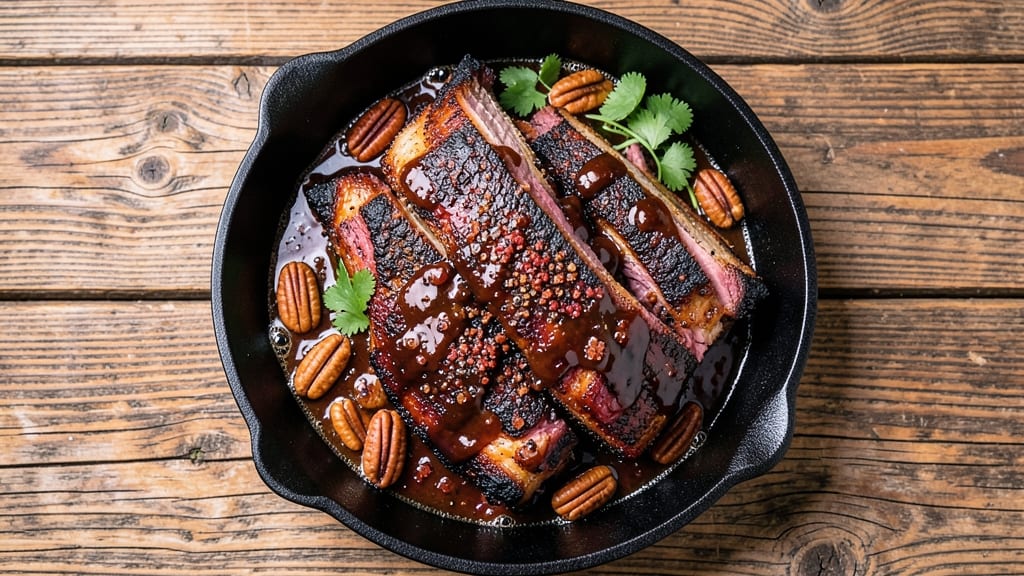
This BBQ beef back ribs recipe delivers restaurant-quality tenderness that falls off the bone, achieved through precise timing and technique. I've spent years perfecting this method, blending my French training with pitmaster traditions to create ribs that impress even the most skeptical guests. The key lies in the 6-hour cook, where low-and-slow smoking transforms tough meat into melt-in-your-mouth perfection.
The secret begins with a dry rub of smoked paprika, brown sugar, and black pepper that forms a flavorful crust while the meat tenderizes. I use the Texas Crutch method—wrapping the ribs in foil during the last hour—to lock in moisture and accelerate the cooking process without sacrificing flavor.
This approach ensures you get that coveted fall-apart texture while keeping the bark intact.
By the time you're done, you'll have ribs so tender they practically disintegrate at the touch, coated in a sticky-sweet BBQ sauce that clings to every surface. The aroma alone will have everyone gathering around your grill, and the first bite will silence any doubters.
This is the kind of dish that turns casual cookouts into legendary meals.
Serve with classic sides like coleslaw and cornbread to complete the experience. The technique is straightforward, but the results are anything but ordinary—this is how you make ribs that become family favorites. Let's get started on creating your masterpiece.
Ingredients for bbq beef back rib
Six hours of smoky magic starts with these ribs and bold flavors you'll crave.
| Ingredient | Amount | Notes |
|---|---|---|
| Beef Back Ribs 🍖 | 4 lb | Bone-in, meaty cut preferred |
| Smoked Paprika 🌶️ | ¼ cup | High-quality for smoky depth |
| Brown Sugar 🍚 | ½ cup | Light or dark preferred |
| Black Peppercorns 🌶️ | 2 tbsp | Freshly ground for sharpness |
| Kosher Salt 🧂 | 2 tbsp | Diamond Crystal preferred |
| Garlic Powder 🧄 | 1 tbsp | Freshly ground preferred |
| Onion Powder 🧅 | 1 tbsp | For balanced flavor |
| Yellow Mustard 🍯 | 2 tbsp | As binder for dry rub |
| Apple Cider Vinegar 🍎 | ¼ cup | For tangy balance |
| BBQ Sauce 🍅 | 1 cup | Store-bought or homemade |
| Aluminum Foil 📄 | 1 sheet | Heavy-duty for wrapping |
| Wood Chips 🌳 | 2 cups | Hickory or oak preferred |
| Charcoal or Wood Pellets 🔥 | 2 lb | For smoker or grill |
| Water 💧 | ¼ cup | For smoker moisture |
The ribs are non-negotiable—look for meaty, bone-in back ribs with good marbling. Costco or local butcher shops often carry the best cuts, but any grocery store's meat department should have them. If you're buying a full packer, trim excess fat but leave the silver skin on—it helps the rub stick. For the dry rub, Penzeys or bulk spice bins at Whole Foods offer the highest quality smoked paprika. The brown sugar should be light unless you want a deeper caramelized crust, but either works. Freshly ground peppercorns make all the difference—pre-ground loses potency fast. Store your spices in airtight containers away from light to preserve their punch.
No smoked paprika? Substitute half with regular paprika and half with liquid smoke—but use sparingly. Running out of mustard? Olive oil works too as a binder, though it's less sticky. For the BBQ sauce, Sweet Baby Ray's or Stubb's Original are crowd-pleasers, but homemade with apple cider vinegar and a touch of molasses elevates the dish. If you're short on time, pre-made dry rubs from Trader Joe's are surprisingly decent. The wood chips? Hickory gives classic BBQ flavor, while oak adds a touch of sweetness—mix them for complexity. And if you're using a gas grill, soak wood chips in water for 30 minutes first to prevent flare-ups.
Prep the ribs the night before—it's worth the extra time. Pat them dry and apply the dry rub generously, letting them sit overnight in the fridge. This ensures maximum flavor penetration. The ribs will keep in the fridge, unwrapped, for 2 days before cooking. Once cooked, they reheat beautifully—wrap in foil with a splash of water and bake at 300°F for 20 minutes. For leftovers, store in an airtight container with some of the juices for up to 4 days. The bark will crisp up again when reheated, so don't stress about it softening. Freeze cooked ribs for up to 3 months by wrapping tightly in foil and plastic wrap.
Why You'll Love This Recipe
- I’ll be real: I always make extra because the ribs reheat like a dream—tender, juicy, and packed with flavor. Plus, it’s budget-friendly; a single pack of beef back ribs stretches across multiple meals without breaking the bank. Win-win.
- Five-Ingredient Magic: Honestly, I swear by this recipe because it’s that simple—just ribs, smoked paprika for that deep, smoky punch, a touch of brown sugar to balance the heat, and a sprinkle of salt and pepper. No fancy marinades or hours of prep; just season, sear, and slow-cook until the meat falls off the bone.
- Smoky-Sweet Obsession: Between us, the combo of smoked paprika and brown sugar creates this perfect harmony—savory with a hint of caramelized sweetness that makes every bite irresistible. It’s the kind of flavor that turns a weeknight dinner into something special without trying too hard.
- Tailgate or Tuesday: Here’s what sold me—this recipe works everywhere. Slap it on the grill for a summer BBQ, throw it in the oven when the football’s on, or even make a big batch for meal prep. My kids ask for it more than pizza, and that’s saying something.
Step-by-step instructions for smoky fall-off-bone beef back ribs
Here's how to transform tough ribs into melt-in-your-mouth perfection using just six hours of low-and-slow magic.
Prepare the Dry Rub and Season the Ribs
In a medium bowl, combine the 0.25 cup smoked paprika, 0.5 cup brown sugar, 2 tbsp freshly ground black peppercorns, 2 tbsp kosher salt, 1 tbsp garlic powder, and 1 tbsp onion powder. Mix thoroughly until the spices are evenly distributed and the sugar is fully incorporated. This blend creates the perfect balance of smoky depth, sweet caramelization, and savory warmth.
Pat the 4 lb beef back ribs completely dry with paper towels—this is crucial for developing that prized bark. Generously coat both sides of the ribs with the dry rub mixture, pressing firmly so it adheres well. The ribs should look uniformly dusted with the spice blend. Let them sit at room temperature for 30 minutes before cooking to allow the rub to penetrate the meat and develop maximum flavor.
Set Up Your Smoker for Low-and-Slow Cooking
Fill your smoker box with the 2 cups wood chips—I prefer hickory for its bold, classic flavor profile. Add the 2 lb charcoal or wood pellets and light them according to your smoker's instructions. You want to maintain a consistent temperature of 225°F throughout the entire cooking process. The smoke should be clean and thin, not thick and billowing, which indicates proper combustion.
Place the ribs bone-side down on the smoker grates. This orientation allows the meat to cook more evenly and prevents the bones from touching the heat source directly. Pour the 0.25 cup water into a disposable aluminum pan and place it on the smoker rack below the ribs. This creates a moisture-rich environment that helps prevent the meat from drying out during the long cook. Close the lid and resist the urge to peek—every time you open it, you lose heat and potentially 20 minutes of cook time.
Smoke Until Probe-Tender (The Stall Phase)
Smoke the ribs undisturbed for 4-5 hours until the internal temperature reaches 165-170°F. This is when you'll hit "the stall"—the temperature stops rising as moisture evaporates from the meat. Don't panic; this is completely normal and essential for achieving that perfect texture. The ribs should have a dark, glossy bark forming on the exterior, and the meat should be pulling away slightly from the bones.
At this point, remove the ribs from the smoker and wrap them tightly in the 1 sheet aluminum foil. Add 2 tbsp yellow mustard and 0.25 cup apple cider vinegar to the foil before sealing it completely. The mustard acts as a binder that helps the rub stick to the meat, while the vinegar adds a tangy brightness that cuts through the richness. Return the wrapped ribs to the smoker and continue cooking until the internal temperature reaches 203°F, which should take an additional 1.5-2 hours.
Apply BBQ Sauce and Finish Cooking
Once the ribs reach 203°F, remove them from the smoker and carefully unwrap the foil. Brush the ribs generously with the 1 cup BBQ sauce, coating both sides and the cut edges thoroughly. The sauce should glisten slightly and cling to the meat. Return the ribs to the smoker, bone-side down, and cook for an additional 15-20 minutes to allow the sauce to caramelize and form a glossy glaze.
You'll know they're perfectly cooked when the sauce is bubbling and slightly sticky, and the ribs are fork-tender with a deep mahogany color. The meat should pull away from the bones easily, and the sauce should have a thick, syrupy consistency. Remove the ribs from the smoker and let them rest for 10-15 minutes before serving. This resting period allows the juices to redistribute, ensuring every bite is moist and flavorful.
Serve and Enjoy Your Fall-Off-Bone Ribs
Using two forks or a meat cleaver, gently pull the ribs apart at the bone joints. The meat should separate easily, falling off the bones with minimal effort. Arrange the ribs on a serving platter and drizzle any remaining pan juices or BBQ sauce over the top. Serve immediately with classic sides like coleslaw, cornbread, or baked beans to soak up every last drop of that smoky, tangy goodness.
The ribs should have a perfect balance of smoky depth from the wood chips, sweet caramelization from the brown sugar, and a tangy kick from the vinegar and mustard. Each bite should deliver melt-in-your-mouth tenderness with a crispy, flavorful bark that contrasts beautifully with the juicy meat underneath. This method guarantees ribs that are so tender they practically fall apart, making them the star of any BBQ gathering.
Pro Tips For Making Bbq Beef Back Rib
- Trim the Silver Skin: That shiny membrane on the bone side? It’s tough as leather and won’t break down. Use kitchen shears to cut it away before seasoning—your ribs will fall apart cleaner and faster. (I used to skip this and spent 20 minutes prying off chewy bits mid-cook.)
- Salt the Ribs Twice: First dry rub goes on raw—but don’t stop there. After searing, hit them with another light coat of salt while they’re still hot. The second layer crisps the crust and keeps the sugar from burning before the meat cooks through. (Yes, it sounds like overkill, but it’s the thing that matters most.)
- Skip the Crowding: Piling ribs bone-side down in a pan or smoker traps steam and turns them soggy. Leave at least an inch of space between pieces—even if it means two batches. The crust needs airflow to develop, and crowded ribs just get sticky. (I learned this the hard way when my first batch turned out like overcooked meatloaf.)
- Rest Under Foil: Pull ribs off heat at 195°F internal temp, then wrap tightly in foil for 10 minutes. This lets them reabsorb juices without overcooking. I used to cut straight into them hot, and they’d dry out by the time I served. (Your future self will thank you—trust me.)
Wine and beer pairings for this dish
Red Wine Pairings
A bold Cabernet Sauvignon from Napa Valley is my go-to choice—its rich dark fruit and firm tannins stand up to the ribs' smoky depth while complementing the sweet-tangy BBQ sauce.
Look for a 2018 or newer vintage with 14-15% ABV to match the dish's intensity. I love Louis M. Martini Cabernet Sauvignon for its approachable price and consistent quality. 🍷
For a lighter option, try a Zinfandel from California's Central Coast. The peppery notes in the wine mirror the smoked paprika in the rub, while its juicy acidity cuts through the fat beautifully. A 13-14% ABV Zinfandel like Ravenswood Old Vine offers great value without overpowering the meal.
Malbec Magic
Argentinian Malbec brings a velvety texture and dark berry flavors that harmonize perfectly with the ribs' caramelized crust. Choose a 14% ABV bottle from Mendoza, like Catena Zapata Malbec, which delivers both body and smooth tannins.
The wine's natural sweetness balances the vinegar in the sauce, creating a well-rounded pairing. 💛
Beer Pairings
A crisp American Pale Ale with 5-6% ABV works wonders—its citrusy hops cleanse the palate between rich bites. I recommend Allagash White or Sierra Nevada Pale Ale, both of which have enough malt sweetness to complement the BBQ sauce without competing. 🍺
For a heavier option, try a smoked porter like Goose Island Bourbon County Stout—the coffee and vanilla notes enhance the ribs' smoky character while the dark malt mirrors the caramelized crust. The 9% ABV provides enough body to stand up to the dish.
Regional Specialties
In Texas, where BBQ reigns supreme, I often pair these ribs with a local Shiner Bock—its malty sweetness and subtle hop bitterness create a perfect balance. For a Southern twist, try Moon Palace Lager, which has just enough crispness to cut through the sauce's richness. 🔥
Up North, a Michigan Amber Ale like Bell's Two-Hearted Ale offers a malty backbone that complements the ribs' depth while its caramel notes echo the brown sugar in the rub. The 6.5% ABV keeps it refreshing without overpowering the meal.
Nutrition facts
Frequently asked questions
Why do you wrap ribs in foil during cooking?
This is called the "Texas Crutch"—it's a game-changer for tenderizing ribs faster. When ribs hit 165-170°F, they enter "the stall" where moisture evaporates and cooking slows. Wrapping them with mustard and vinegar creates a steam chamber that breaks down collagen and speeds up cooking to 203°F without drying out the meat. The mustard also helps the rub stick better.
Can I cook these ribs on a grill instead of a smoker?
Use an indirect heat method—place the ribs on the cooler side of your grill and keep the lid closed. Maintain 225-250°F by controlling the vents. You'll need to monitor the temperature more closely since grills lose heat faster. For smoke flavor, add wood chips to the coals or use a smoker box with charcoal.
How do I know when ribs are done without a meat thermometer?
Look for these visual cues: the bark should be deep mahogany color, and the meat should pull away from the bones easily. Gently press a bone—if it feels soft and the meat moves freely, it's ready. The ribs should also have a slight wobble when lifted. For extra confidence, check if the sauce is bubbling and slightly sticky when you brush it on.
What's the best way to reheat leftover ribs?
Wrap them tightly in foil with 1-2 tablespoons of water or BBQ sauce, place in a 300°F oven for 20-25 minutes. The steam helps restore moisture, and the sauce adds flavor. Avoid microwaving—it makes the meat rubbery. For extra crispiness, broil for 2-3 minutes at the end to restore the bark.
Can I substitute beef ribs with pork ribs?
Technically yes, but pork ribs cook faster and have a different texture. For pork, reduce cooking time by 1-1.5 hours and aim for 195-200°F** internal temp. Use half the brown sugar in the rub since pork fat renders differently. The sauce application method remains the same, but pork ribs benefit from a slightly longer sauce rest time after wrapping.