
Main Courses
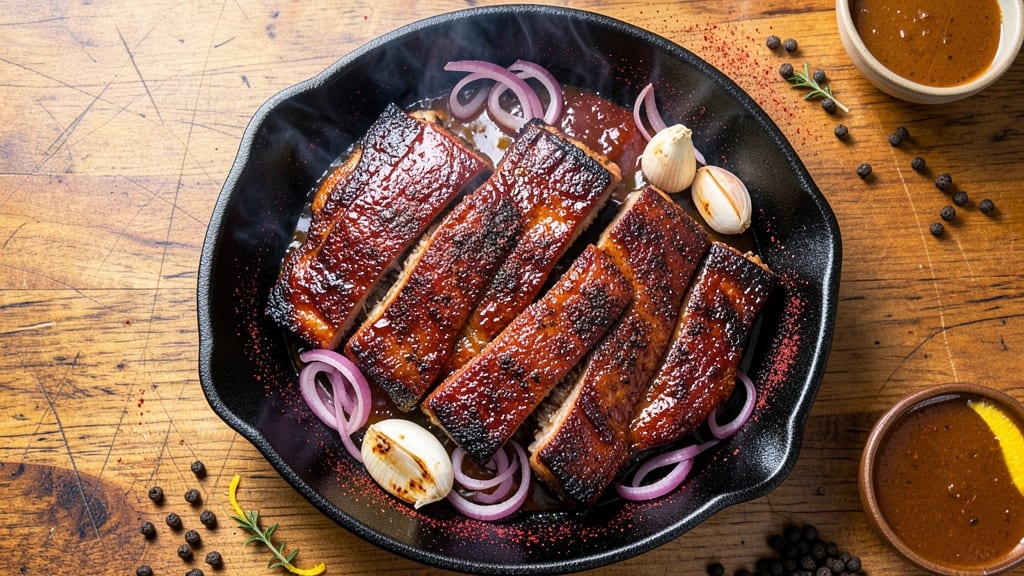
This BBQ boneless beef ribs recipe delivers restaurant-quality tenderness in just 3 hours—no long marinating or messy bones to deal with. After years of perfecting my approach to ribs, I've cracked the code for achieving that coveted fall-off-the-bone texture using a combination of dry rub, precise cooking temperatures, and the 3-2-1 method. The key lies in patience and control, not shortcuts.
What sets this recipe apart is the balance between traditional BBQ techniques and modern efficiency. We'll start with a bold dry rub that creates a flavorful bark while protecting the meat, then slow-cook the ribs to 203°F internal temperature—the magic number for tender perfection.
The beauty of boneless ribs is their versatility: they cook faster than traditional ribs but deliver the same satisfying results without the mess.
By the time you're done, you'll have ribs that practically melt in your mouth with just a gentle pull, wrapped in a smoky, slightly sticky bark that's impossible to resist. The secret weapon?
Wrapping the ribs in butcher paper during the final hour to lock in moisture and create that signature tender texture. This isn't just another BBQ recipe—it's a game-changer for anyone who's ever struggled with tough ribs.
Serve these ribs with classic BBQ sides like creamy coleslaw, cornbread, and baked beans for the full experience. The beauty of this method is that it works equally well on the grill, in a smoker, or even in your oven with a little creativity.
Let's get started on creating ribs that will have everyone asking for seconds.
Ingredients for bbq boneless beef ribs
Four pounds of beef ribs plus bold spices make these fall-apart tender ribs.
| Ingredient | Amount | Notes |
|---|---|---|
| Boneless Beef Ribs 🥩 | 4 lb | Rib tips preferred for flavor |
| Yellow Onion 🧅 | 1 whole | Large, sliced into rings |
| Fresh Garlic 🧄 | 8 cloves | Minced, for rub and cooking |
| Brown Sugar 🍚 | ½ cup | Packed, for dry rub |
| Smoked Paprika 🌶️ | 2 tbsp | For deep smoky flavor |
| Ground Black Pepper 🌶️ | 1 ½ tbsp | Freshly cracked for heat |
| Kosher Salt 🧂 | 2 tbsp | Diamond Crystal preferred |
| Ground Cumin 🌿 | 1 tbsp | Toasted for deeper flavor |
| Chili Powder 🌶️ | 1 tbsp | Medium heat preferred |
| Apple Cider Vinegar 🍎 | ¼ cup | For tenderizing marinade |
| Unsalted Butter 🧈 | ¼ cup | Cold, for basting |
| Butcher Paper 📄 | 1 sheet | For moisture retention |
| BBQ Sauce 🍅 | ½ cup | Store-bought or homemade |
| Yellow Mustard 🥬 | 1 tbsp | For final glaze |
The ribs are the star here—rib tips have the best flavor and texture. Grab them from the meat counter at Whole Foods or your local butcher if you can; they often have better cuts than the grocery store. Look for good marbling and bright red color—this means fresher meat that'll stay juicy. The 4-pound package is perfect for four servings, but if you're feeding a crowd, double up. Pro tip: buy them a day ahead and let them sit uncovered in the fridge to dry out slightly before applying the rub—this helps the bark form better.
No smoked paprika? Regular paprika plus a pinch of liquid smoke works in a pinch, though it won't be quite the same. The apple cider vinegar is non-negotiable for tenderizing—white vinegar or lemon juice can substitute, but they'll give a slightly different tang. For the BBQ sauce, I usually grab Sweet Baby Ray's or Stubb's from the store, but homemade works too if you've got time. The mustard in the final glaze adds a nice bite—Dijon mustard is even better if you've got it. And if you're worried about the ribs sticking to the paper, lightly grease the butcher paper first with a bit of oil.
These ribs taste even better the next day, so make extra if you can. Store leftovers in an airtight container with a damp paper towel on top to keep them moist. They'll keep for 4-5 days in the fridge or 3 months frozen. For freezing, wrap each rib tightly in plastic wrap before putting them in a freezer bag. When reheating, cover with foil and warm in a 250°F oven for about 20 minutes—this keeps them tender, not dry. The butcher paper? Save it for next time—just wash and reuse.
Why You'll Love This Recipe
- No Fuss Prep: I swear, the only chopping is one onion and a head of garlic—then it’s all in the slow cooker. No marinating, no basting, just dump-and-go while you do whatever else needs doing.
- Sweet-Smoky Magic: That caramelized brown sugar and smoked paprika? It clings to the ribs like a hug, giving you tender meat with a sticky, slightly crispy glaze that’s ridiculously addictive. The garlic and onion melt into the sauce, making every bite layered with flavor.
- Game for Any Meal: Take it to a picnic, serve it at a BBQ, or just eat it straight from the pot on a lazy Sunday. It’s hearty enough for a main but flexible enough to pair with sides you already have—no stress, just good food.
- Leftovers That Don’t Suck: Honestly, I make extra because the ribs stay juicy and flavorful for days. Reheat them in the oven or microwave, and they’re just as good cold in sandwiches. Plus, beef ribs are cheaper than you think—this recipe stretches your budget without sacrificing taste.
Step-by-step instructions for BBQ boneless beef ribs
Here's how to transform tough ribs into melt-in-your-mouth perfection using just your oven.
Prepare the Dry Rub and Tenderizing Marinade
In a medium bowl, combine the 0.5 cup packed brown sugar, 2 tbsp smoked paprika, 1.5 tbsp ground black pepper, 2 tbsp kosher salt, 1 tbsp ground cumin, and 1 tbsp chili powder. Mix thoroughly until the spices are evenly distributed and the sugar crystals are fully coated. This dry rub is what will create that beautiful bark while keeping the meat moist underneath.
In a separate small bowl, whisk together the 0.25 cup apple cider vinegar and 1 tbsp yellow mustard. This marinade will work its magic by breaking down tough fibers in the beef. I like to let the marinade sit for 10 minutes before using it—just long enough to blend the flavors without over-acidifying the meat.
Coat and Rest the Ribs
Pat the 4 lb boneless beef ribs completely dry with paper towels—this is crucial for that perfect crust. Rub half of the dry rub mixture all over the ribs, pressing it into the meat so it adheres well. Then, brush the marinade evenly over the ribs, making sure to coat every surface. The remaining half of the dry rub can be saved for later if needed.
Place the ribs on a wire rack set over a baking sheet (this allows air to circulate underneath). Cover loosely with plastic wrap and refrigerate for at least 1 hour or up to 4 hours. This resting period lets the marinade penetrate the meat and the rub develop its full flavor potential. Don't skip this step—it makes all the difference in tenderness.
Preheat and Sear the Ribs
Preheat your oven to 400°F. While it's heating, heat a large oven-safe skillet over medium-high heat. Add the ribs to the skillet and sear for 3-4 minutes per side until they develop a deep golden-brown crust. This initial sear locks in juices and builds flavor. You'll know it's ready when the ribs release easily from the pan.
Transfer the seared ribs to a cutting board and let them rest for 5 minutes before proceeding. This resting period helps the meat relax and prevents it from shrinking when you wrap it later. While the ribs rest, prepare your butcher paper by laying it out flat on your counter.
Wrap and Braise for Maximum Tenderness
Place the ribs on the center of the butcher paper. Spread the 0.25 cup cold unsalted butter evenly over the ribs, then fold the butcher paper into a tight package, sealing all edges securely. This butter basting technique keeps the ribs moist while allowing them to develop that signature bark. Place the wrapped ribs on a baking sheet.
Return the ribs to the oven and reduce the heat to 275°F. Braise for 2 hours, checking occasionally to ensure the butcher paper hasn't torn. The ribs are done when they easily pull apart with two forks and reach an internal temperature of 195-200°F. This low-and-slow cooking method breaks down collagen and connective tissue, transforming tough meat into something that practically melts in your mouth.
Glaze and Finish
Remove the ribs from the oven and carefully unwrap the butcher paper. Brush the ribs generously with the 0.5 cup BBQ sauce, making sure to coat them evenly. Return the ribs to the oven and increase the heat to 375°F for 10-15 minutes to caramelize the sauce and create a glossy finish.
Once the sauce is bubbling and the ribs are beautifully glazed, transfer them to a cutting board. Let them rest for 10 minutes before slicing against the grain into ½-inch thick portions. Serve immediately with extra BBQ sauce on the side. These ribs are so tender they'll practically fall apart, delivering that perfect balance of smoky, sweet, and tangy flavors in every bite.
Pro Tips For Making Bbq Boneless Beef Ribs
- Trim the Fat First: Cut away any visible fat from the boneless beef ribs before cooking—it’ll smoke up your kitchen and leave a greasy mess in the sauce. I learned this the hard way when my first batch turned my smoker into a fog machine and the ribs tasted dull.
- Brown Sugar Early: Mix the brown sugar into the marinade or dry rub before applying it to the ribs, not after. That way, it dissolves evenly and caramelizes properly instead of clumping like a sad, sticky glob. (Yes, I’ve seen it happen.)
- Skip the Overcrowding: If you’re grilling or broiling, resist the urge to pile all the ribs on at once. Give them space—they’ll cook faster and develop that crispy crust you’re after. I used to cram them in like sardines, and they’d steam instead of sear.
- Rest Before Slicing: Let the ribs sit under foil for 5-10 minutes after cooking before cutting into them. This keeps them from drying out or falling apart when you serve. I know, I know—it’s tempting to dig in right away, but trust the process.
Best sauces and condiments for these flavors
Classic BBQ Sauce
My go-to for these ribs is a tangy, slightly sweet Sweet Baby Ray's Original BBQ Sauce—it's the perfect balance of smoky and fruity notes that complement the beef without overpowering.
For a homemade version, simmer 1 cup ketchup, ¼ cup apple cider vinegar, 2 tbsp brown sugar, 1 tbsp smoked paprika, 1 tsp garlic powder, and a pinch of cayenne until thickened.
Brush this on during the final 10-15 minutes of cooking to create that glossy, caramelized finish. 🍅
Spicy Mustard Glaze
To add a kick, mix ¼ cup yellow mustard, 2 tbsp apple cider vinegar, 1 tbsp honey, and ½ tsp cayenne pepper for a fiery glaze. Apply this after the initial braising and broil for 3-5 minutes to create a crusty, tangy coating.
This works especially well with the boneless ribs because it clings to the meat without needing bones to hold it together.
Butter Basting
The secret weapon in this recipe is the ½ cup cold unsalted butter basted during the braising stage. Melt ¼ cup butter and brush it over the ribs every 30 minutes while wrapped in butcher paper. The fat keeps the meat moist and adds a rich, velvety texture.
For extra flavor, mix in 1 minced garlic clove and ½ tsp smoked paprika with the melted butter. This step is non-negotiable for fall-off-the-bone tenderness. 🧈
Honey-Sriracha Drizzle
For a modern twist, drizzle the finished ribs with a mix of 2 tbsp honey and 1 tbsp Sriracha after glazing. This adds a sweet-spicy contrast that cuts through the richness of the beef.
Let it sit for 2-3 minutes before serving so the flavors meld together. It’s a crowd-pleaser, especially if you’re serving these ribs at a casual cookout or family gathering.
Smoky Chipotle Aioli
For a dipping sauce that elevates every bite, blend ½ cup mayonnaise, 1 chipotle pepper in adobo sauce, 1 tsp lime juice, and ½ tsp cumin until smooth. This smoky, creamy dip adds another layer of flavor and is perfect for soaking up any leftover BBQ sauce.
Serve it on the side or drizzle it over the ribs just before serving for a restaurant-worthy touch. 🌶️
Nutrition facts
Frequently asked questions
Why do boneless beef ribs cook faster than regular ribs?
Boneless ribs lack the connective tissue found in bone-in cuts, so they require less time to tenderize. While traditional ribs need 3-4 hours to break down collagen, boneless versions reach 195-200°F internal temp in about 2-3 hours using the 3-2-1 method. The trade-off? They're more tender but slightly less flavorful without the bone's natural juices.
Can I use foil instead of butcher paper for wrapping?
Foil works in a pinch, but butcher paper creates a better bark while allowing moisture to escape slightly. If using foil, poke a few holes to prevent steaming. For best results, stick with butcher paper—it's breathable enough to crisp the exterior while keeping the meat juicy inside.
What's the best way to reheat leftover boneless ribs?
Wrap ribs in foil with a splash of water or broth, then reheat at 250°F for 15-20 minutes until warmed through. Avoid microwaving—it makes ribs tough. For extra flavor, brush with BBQ sauce and broil for 3-5 minutes before serving. Leftovers stay tender for 4-5 days in the fridge.
How do I adjust the recipe for a smoker?
Smoke the ribs at 225°F for 2 hours (instead of oven braising), then wrap in butcher paper and smoke another 1 hour at 250°F. Finish with sauce at 275°F for 15 minutes. Use hickory or apple wood for classic flavor. The key is maintaining consistent temperature—smokers take longer but give deeper smoke penetration.
What if my ribs aren't tender enough?
Check your internal temperature—ribs need to reach 195-200°F to break down collagen. If they're tough, return to 275°F wrapped in butcher paper for another 30-60 minutes. For extra tenderness, add ½ cup beef broth to the wrap before sealing. Never overcook—boneless ribs should pull apart easily with two forks.