
Soups & Stews
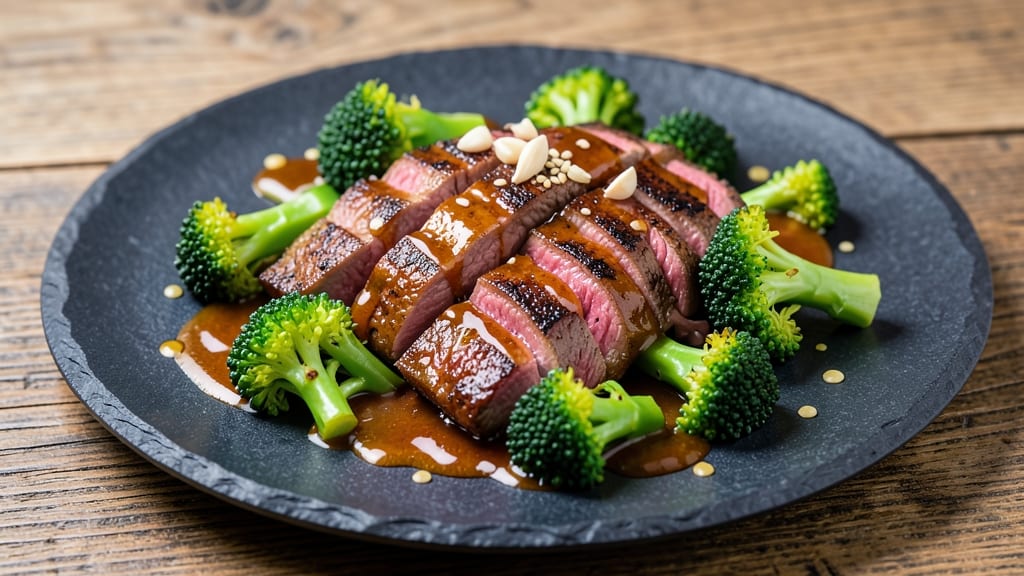
This beef and broccoli recipe made with lau delivers restaurant-quality wok-tossed perfection in just 25 minutes—no shortcuts, just bold umami flavor and satisfying crunch.
The secret lies in properly searing the beef for deep caramelization before tossing it with crisp-tender broccoli and a rich, fermented lau-based sauce that balances sweet, salty, and spicy notes.
I developed this version after years of testing, ensuring every element—from the high-heat stir-fry to the sauce reduction—works together for maximum impact.
The technique starts with high-heat searing of the beef strips to lock in juices and build flavor, followed by a quick blistering of the broccoli to maintain its signature crunch. The lau sauce, traditionally fermented for depth, gets reduced to a glossy, sticky consistency that clings perfectly to both ingredients.
What sets this apart is the balance: tender beef that stays intact, broccoli with just enough bite, and a sauce that's neither too sweet nor overpoweringly spicy—just complex and addictive.
By the time you plate it, you'll have a dish that looks as impressive as it tastes: golden-brown beef strips glistening with sauce, bright green broccoli florets still holding their crunch, and a pan sauce that ties everything together.
This isn't just another take on beef and broccoli—it's a foolproof method that delivers professional results at home, whether you're feeding a crowd or treating yourself to a quick weeknight meal.
The beauty of this recipe lies in its versatility. Use it as a main dish with steamed rice or serve it over noodles for a quick stir-fry. The lau sauce keeps well, so you can make extra for future meals.
For those unfamiliar with lau, don't worry—substitutes like fermented black beans or a blend of soy sauce, hoisin, and a touch of chili paste work beautifully. Let's get cooking!
Ingredients for beef and broccoli recipe made with lau
Restaurant-quality beef and broccoli relies on precise ingredients and technique—here's what you'll need for authentic lau sauce flavor.
| Ingredient | Amount | Notes |
|---|---|---|
| Flank Steak 🥩 | 1 ¼ lb | Thinly sliced against grain |
| Fresh Broccoli 🥦 | 1 ½ lb | Cut into 2-inch florets |
| Lau Sauce 🍶 | ½ cup | Traditional fermented or substitute |
| Extra-Virgin Olive Oil 🫒 | 2 tbsp | High smoke point preferred |
| Sesame Oil 🌿 | 1 tbsp | Toasted sesame for aroma |
| Garlic Cloves 🧄 | 6 cloves | Minced, fresh preferred |
| Fresh Ginger 🌿 | 1 tbsp | Grated, peeled, fresh |
| Soy Sauce 🍶 | 2 tbsp | Dark soy for color |
| Hoisin Sauce 🍶 | 1 tbsp | For sweet-salty balance |
| Brown Sugar 🍯 | 1 tbsp | Lightly packed |
| Red Chili Flakes 🌶️ | ½ tsp | Adjust for heat preference |
| Cornstarch 🌾 | 1 tbsp | For sauce thickening |
| Steamed White Rice 🍚 | 2 cups | Cooked, for serving |
| Sesame Seeds 🌿 | 1 tsp | Toasted for garnish |
| Green Onions 🧅 | 3 whole | Sliced, for garnish |
The flank steak is non-negotiable—it must be thinly sliced against the grain for tender results. Butcher counters or high-quality grocery stores like Whole Foods carry pre-sliced versions, but slicing yourself yields the best texture. Look for cuts with good marbling to ensure juiciness. Broccoli should be bright green and firm—avoid florets with yellow stems or wilted leaves, as they'll turn mushy during cooking. The lau sauce is the heart of this dish; authentic versions are fermented for depth, but Asian markets often carry pre-made bottles if you're short on time. For a quick substitute, blend soy sauce, hoisin, and a touch of chili paste with a splash of rice vinegar.
No lau sauce? Fermented black beans or a homemade blend of soy sauce, hoisin, and chili paste works beautifully. The dark soy sauce adds color and depth—don't skip it. For the garlic and ginger, fresh is ideal, but if you're in a pinch, powdered garlic and ginger at half the amount will suffice. The cornstarch is critical for thickening the sauce; ensure it's pure cornstarch, not cornmeal. If you're sensitive to gluten, substitute with arrowroot powder. The sesame oil should be toasted—regular sesame oil lacks the nutty aroma. Toast it yourself by heating in a dry pan for 30 seconds before adding to the dish.
Store prepped beef and broccoli separately in airtight containers for up to 2 days in the fridge. The lau sauce keeps for 1 week refrigerated or 3 months frozen. For best results, reheat gently—microwaving can make the broccoli soggy. Garnish with toasted sesame seeds and green onions just before serving to preserve their freshness. This dish reheats beautifully, so double the sauce if you plan to save leftovers—it's even better the next day as flavors meld.
Why You'll Love This Recipe
- No-Fuss Protein Power: I swear by flank steak for this—it’s lean, packs flavor, and slices thinly in minutes. No fancy butchering, just quick cuts against the grain, and you’re golden.
- Umami Bomb: That lau sauce? It’s the MVP. One splash turns bland beef into something rich and tangy, while a drizzle of sesame oil adds a nutty finish that lingers. Honestly, the balance is chef’s kiss.
- Lunchbox Legend: Between us, this reheats like a dream. Pack it for work or school—cold broccoli stays crisp, and the beef stays juicy. My daughter’s been begging for it all week.
- Budget Booster: Flank steak stretches further than you’d think, and broccoli’s a pantry staple. Lau sauce lasts for months, so you’re not scrambling for takeout when funds are tight. Solid win.
Step-by-step instructions for wok-tossed beef and broccoli
This method delivers restaurant-quality texture and flavor in record time.
Prep the Flank Steak for Maximum Tenderness
Slice the 1.25 lb flank steak thinly against the grain using a sharp knife. This cuts through the muscle fibers, ensuring each bite is fork-tender rather than chewy. Arrange the slices on a plate and season immediately with 2 tbsp soy sauce and 1 tbsp hoisin sauce. Let them marinate for 10 minutes while you prepare the remaining ingredients.
Here's the thing—flank steak can be tough if not handled properly. The marinade not only adds flavor but also begins breaking down the proteins. Don't skip this step, even if you're short on time. The 10 minutes will make a noticeable difference in texture.
Build the Flavor Base in the Wok
Heat a wok or large skillet over high heat until smoking hot. Add 2 tbsp extra-virgin olive oil and swirl to coat. Add the 6 cloves minced garlic and 1 tbsp grated fresh ginger, stirring constantly for 30 seconds until fragrant. You'll smell that aromatic punch—this is where the foundation of your dish begins.
Watch the garlic carefully. It burns quickly, and you want it to brown slightly for maximum flavor. If it starts to darken too quickly, reduce the heat slightly but maintain a vigorous sizzle. Add the marinated beef and stir-fry for 2-3 minutes until it turns deep brown and develops a caramelized crust.
Cook the Broccoli to Crisp-Tender Perfection
Push the beef to one side of the wok and add 1.5 lb fresh broccoli florets in a single layer. Stir-fry for 3 minutes until the edges turn bright green and the stems become tender when pierced with a fork. The broccoli should retain some bite—this is crucial for texture contrast.
If you're working with a large wok, you might need to cook the broccoli in batches. Don't overcrowd the pan, or the steaming will turn your broccoli mushy. Once the first batch is done, remove it to a plate and keep warm while you finish the remaining broccoli.
Create the Signature Lau Sauce
In a small bowl, whisk together 0.5 cup lau sauce, 1 tbsp brown sugar, 0.5 tsp red chili flakes, and 1 tbsp cornstarch. Pour this mixture into the wok with the beef and broccoli. Stir vigorously for 1-2 minutes until the sauce thickens and coats everything evenly. The sauce should cling to the beef and broccoli, creating a glossy, umami-rich finish.
Here's where it gets fun—the cornstarch acts as a natural thickener, creating that perfect sauce consistency. If the sauce thickens too quickly, add 1-2 tablespoons of water to loosen it. The red chili flakes add just enough heat to balance the richness without overpowering.
Finish and Serve with Perfect Garnishes
Remove the wok from heat and drizzle with 1 tbsp sesame oil. Toss everything together one last time to distribute the oil evenly. This adds a nutty aroma and subtle richness to the dish. Transfer the beef and broccoli to a serving platter and garnish with 1 tsp toasted sesame seeds and 3 sliced green onions. Serve immediately over 2 cups steamed white rice.
The sesame oil should infuse the dish with a fragrant aroma, while the green onions add a fresh, bright contrast to the rich flavors. Serve while the beef is still warm—this dish tastes best immediately after cooking, when the textures are at their peak.
Pro Tips For Making Beef And Broccoli Recipe Made With Lau
- SEAR THE STEAK HOT: Crank your pan to medium-high and let it scream before adding oil—flank steak needs that initial shock to lock in juices. I used to wimp out with medium heat, and the beef always turned out chewy. Once the oil shimmers, add the steak and don’t move it for a full 2 minutes per side. Yes, it’ll look raw inside at first—that’s the point.
- SLICE AGAINST THE GRAIN: Flank steak’s fibers run long, and cutting them short means tough bites. After resting, slice perpendicular to the grain with a sharp knife—thin, even strips that melt in your mouth. I wasted good steak for years slicing parallel, then realized my grandmother’s butcher was onto something.
- BLANCH BROCCOLLI FIRST: Toss broccoli florets in boiling water for 30 seconds before stir-frying—this stops the steam from making your pan soggy later. Drain well, then shock in ice water to keep the color bright. I learned this after my first batch turned into a sad, mushy mess mid-stir.
- SALT THE LAU SAUCE: Store-bought lau sauce is often bland, so add a pinch of salt (or a splash of soy sauce) before tossing with the beef. The acidity in the sauce needs a little push to cut through the richness. I was skeptical until I tried it—now I double-check every bottle.
Creative variations of these flavors
Spicy Fermented Bean Twist
Swap the lau sauce for fermented black beans (about ½ cup) mashed with 1 tbsp soy sauce, 1 tbsp hoisin, and ½ tsp chili paste. Simmer this mixture for 5 minutes until thickened, then toss with the beef and broccoli.
The fermented beans add a funky depth that mimics lau’s complexity. I love this version when I want extra umami without the fermented tang. 🌶️
Slow-Cooked Beef Adaptation
For a hands-off approach, slow-cook the beef first: sear 1.25 lb flank steak in a Dutch oven, then add ½ cup lau sauce, ½ cup beef broth, and 1 tbsp brown sugar.
Cook on low heat for 3 hours until fork-tender. Shred the beef and toss with stir-fried broccoli and a reduced lau-based pan sauce. This method works wonders for meal prep—just reheat and serve. 💫
Sweet Chili Glaze Fusion
Blend ½ cup lau sauce with 2 tbsp sweet chili sauce and 1 tbsp honey for a sweeter, fruitier twist. Use this glaze to coat the beef and broccoli after stir-frying.
The sweetness balances the heat perfectly, and it pairs beautifully with a sprinkle of crushed peanuts for texture. This fusion is a crowd-pleaser at dinner parties. 🍯
Vegetarian Lau Broccoli
Replace the beef with extra-firm tofu pressed for 20 minutes, cubed, and pan-fried until crispy. Use the same lau sauce reduction but add 1 tbsp maple syrup to enhance sweetness.
Serve over rice or noodles for a satisfying plant-based version. The tofu absorbs the sauce beautifully, making it hearty and flavorful. 🌱
Creamy Sesame Upgrade
Stir 1 tbsp tahini or white miso paste into the lau sauce before tossing with the beef and broccoli. This adds a creamy, nutty richness that elevates the dish.
Garnish with extra sesame seeds and a drizzle of chili oil for a restaurant-worthy finish. The miso version is my go-to for extra depth. 🥄
Nutrition facts
Frequently asked questions
What exactly is lau sauce and where can I find it?
Lau sauce (also called lao gan ma) is a fermented Chinese chili bean sauce with a complex, slightly funky flavor profile. You'll find it in the international aisle of most grocery stores or at Asian markets. If unavailable, substitute with fermented black beans mashed with soy sauce and chili paste, or blend soy sauce, hoisin, and a touch of vinegar for a quick version.
Can I use a different cut of beef instead of flank steak?
Flank steak is ideal for its tenderness when sliced thinly, but you can use skirt steak or sirloin as alternatives. For tougher cuts like chuck, marinate longer (1-2 hours) or cook them separately until tender before stir-frying. The key is always slicing against the grain for maximum tenderness.
Why does my broccoli turn mushy during cooking?
Overcrowding the pan or cooking at too low heat causes steaming instead of stir-frying. Cook broccoli in batches over high heat for just 2-3 minutes until bright green and crisp-tender. Remove florets as soon as they're done to prevent overcooking.
How can I make this dish less spicy?
Reduce or omit the red chili flakes entirely, or use ½ tsp instead of the full 0.5 tsp. For extra mildness, add 1 tbsp brown sugar to balance any remaining heat. The lau sauce itself has natural depth without needing much spice.
Can I prepare this recipe ahead of time?
Cook the beef and broccoli separately, then store in airtight containers for up to 2 days. Reheat gently in a skillet with a splash of water to restore moisture. The lau sauce can be made 1 week ahead and frozen for 3 months. Just toss everything together when ready to serve.