
Breakfast & Brunch
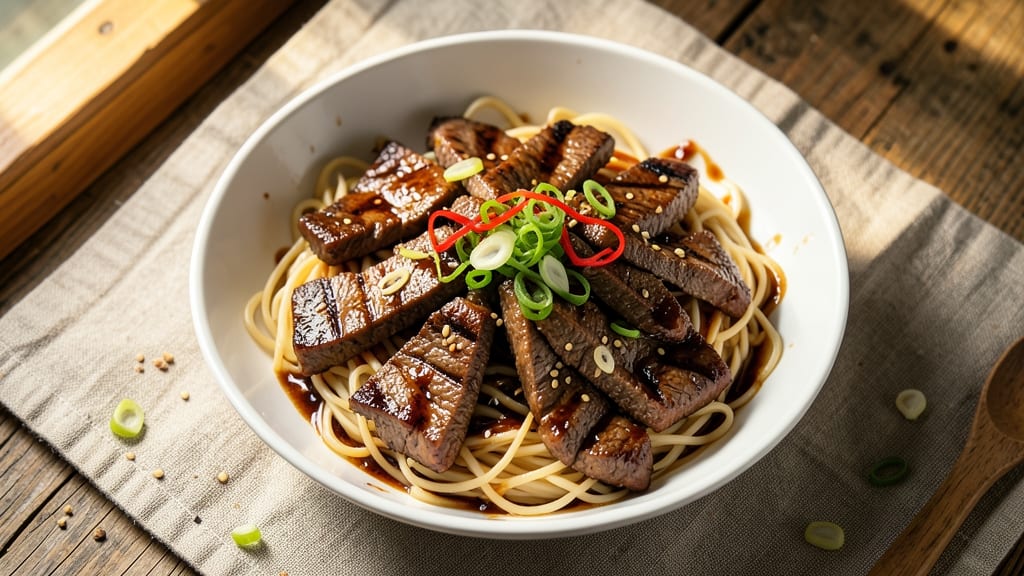
This beef and frozen egg noodles recipe delivers restaurant-quality comfort in just 30 minutes—no fancy prep, no last-minute grocery runs.
The secret lies in a simple yet powerful technique: searing beef strips until deeply caramelized, then deglazing the pan to create a rich, umami-packed sauce that clings perfectly to the noodles.
I developed this after years of testing quick weeknight meals that actually taste homemade, and this one consistently gets rave reviews even from picky eaters.
What makes it special is the balance of textures—tender beef, al dente egg noodles, and a sauce that's both savory and slightly sweet from the soy sauce and brown sugar. The frozen noodles cook directly in the beef broth, absorbing all those delicious flavors without turning mushy.
This method cuts prep time by half while delivering depth most quick recipes miss. By the time you're done, you'll have a steaming pan of golden noodles coated in a glossy, beefy sauce with perfectly seared strips of protein on top.
The aroma alone transforms any kitchen into a cozy dining spot. Serve with a sprinkle of green onions and sesame seeds for freshness, or keep it simple with a side of steamed vegetables. The best part?
Leftovers reheat beautifully, making this an ideal meal for busy families or anyone craving comfort without the fuss. Let's get cooking—this recipe is about to become your new weeknight staple.
Ingredients for beef and frozen egg noodles
Pantry staples plus a few fresh ingredients for restaurant-style beef noodles in one pan.
| Ingredient | Amount | Notes |
|---|---|---|
| Flank Steak 🥩 | 1 lb | Thinly sliced against grain |
| Frozen Egg Noodles 🍜 | 8 oz | Regular or wide egg noodles |
| Low-Sodium Soy Sauce 🥄 | ⅓ cup | For umami depth |
| Brown Sugar 🍯 | 2 tbsp | Light or dark variety |
| Sesame Oil 🫒 | 1 tbsp | Toasted for aroma |
| Garlic Cloves 🧄 | 4 cloves | Minced for sauce |
| Fresh Ginger 🌿 | 1 tbsp | Grated, not powdered |
| Vegetable Oil 🫒 | 2 tbsp | For searing beef |
| Beef Broth 💧 | 1 cup | Low-sodium preferred |
| Green Onions 🧅 | 3 whole | Sliced for garnish |
| Sesame Seeds 🌾 | 1 tbsp | Toasted lightly |
| Salt 🧂 | 1 tsp | Kosher or sea salt |
| Black Pepper 🌶️ | ½ tsp | Freshly ground |
| Cornstarch 🌾 | 1 tbsp | For thickening sauce |
| Water 💧 | 1 tbsp | For cornstarch slurry |
The beef is everything here. Flank steak gives you that perfect tender-yet-chewy texture when sliced thin against the grain—no fancy knife skills needed, just ask your butcher to slice it for you if they won't do it in-store. I grab mine at Costco or Trader Joe's since it's usually pre-sliced and ready to go. If you're using a whole cut, freeze it 30 minutes before slicing for easier cutting. The soy sauce matters too—low-sodium so you can control the saltiness, and I always double-check the label for hidden additives. For the frozen noodles, any egg noodle brand works, but I prefer the wider ones for better sauce cling.
No soy sauce? Coconut aminos is a decent swap, though it's slightly sweeter. Short on brown sugar? Honey or maple syrup will do in a pinch, but the caramelization won't be as rich. The sesame oil is non-negotiable for that authentic aroma—toasted sesame oil from Trader Joe's is my go-to. Fresh ginger is ideal, but if you're using powdered, cut the amount in half. The cornstarch slurry is worth the extra minute—it thickens the sauce just enough to coat those noodles without making it gluey. Pro tip: mix it in a small bowl first so it dissolves completely before adding to the pan.
This dish reheats like a dream—honestly tastes better the next day once the flavors meld. Keeps for 4-5 days in the fridge, though I usually eat it within two. For leftovers, just add a splash of water and stir over medium heat until warmed through. The beef gets even more tender as it sits. Store the sesame oil separately if you're keeping it for more than a day—it's the most delicate flavor here. Freezing? The noodles hold up well for up to 3 months, but the sauce might get slightly watery when reheated, so add a pinch more cornstarch if needed.
Why You'll Love This Recipe
- No Chopping Nightmare: I swear by this—just slice that flank steak thin against the grain, no fancy knife skills needed. The frozen noodles? Straight from the freezer to the pan, no soaking, no waiting. Honestly, it’s the kind of dinner where I can still have wine while it cooks.
- Sweet-Savory Magic: That brown sugar and soy sauce combo? It’s the secret weapon—caramelized edges on the beef with a sticky, umami-rich glaze that makes every bite ridiculously good. Add a drizzle of sesame oil at the end, and it’s like a little flavor explosion in your mouth.
- Lunchbox Hero: Between us, this is my go-to for meal prep. Cook a big batch, let it cool, and those noodles hold up perfectly in containers. My kids grab it for school lunches, and my husband takes it to work—no sad leftovers here, just happy seconds.
- Budget Steakhouse Feel: Flank steak on sale? Grab it. Frozen noodles in the back of the freezer? Use them. This recipe turns cheap cuts into something that tastes like you splurged. I’ll be real: it’s my way to eat fancy without the fancy price tag.
Step-by-step instructions for beef and frozen egg noodles
Here's how to make this one-pan wonder with rich flavors and tender beef.
Prep the Flank Steak and Aromatics
Slice the 1 lb flank steak thinly against the grain into ¼-inch strips. This ensures tender bites. In a small bowl, mix 4 minced garlic cloves, 1 tbsp grated fresh ginger, 1 tsp salt, and 0.5 tsp black pepper. Rub this mixture all over the steak strips—this marinade infuses flavor while keeping the beef juicy.
While the steak marinates, finely slice the 3 whole green onions (save 1 tbsp for garnish later). Toast 1 tbsp sesame seeds in a dry skillet over medium heat for 1-2 minutes until fragrant and golden—this adds nutty depth to the dish.
Sear the Beef and Build the Sauce Base
Heat 2 tbsp vegetable oil in a large skillet or wok over high heat until shimmering. Add the steak strips in a single layer and sear for 2-3 minutes until deep brown on all sides. The high heat gives that perfect crust while keeping the inside tender. Remove the beef and set aside.
In the same skillet, add 0.33 cup low-sodium soy sauce and 2 tbsp brown sugar. Let it bubble for 1 minute to caramelize slightly. Pour in 1 cup beef broth and scrape up any browned bits from the bottom—this is flavor gold. Stir in the 1 tbsp sesame oil and let the mixture simmer for 3 minutes until slightly reduced.
Cook the Noodles and Finish the Sauce
Add the 8 oz frozen egg noodles directly to the skillet with the sauce. Stir gently to coat them evenly. Cover and cook over medium heat for 4-5 minutes, stirring occasionally, until the noodles are tender and most of the sauce is absorbed. The noodles will finish cooking in the residual heat.
Return the seared beef to the skillet and toss everything together. The beef should heat through quickly—just 1-2 minutes is all it needs. If the sauce is too thin, let it cook uncovered for another minute to thicken slightly.
Thicken and Garnish for Perfect Comfort Food
In a small bowl, whisk together 1 tbsp cornstarch and 1 tbsp water to make a slurry. Slowly drizzle this into the skillet while stirring constantly. The sauce should thicken within 1-2 minutes into a glossy, clingy consistency that coats the noodles perfectly.
Taste and adjust seasoning—add a splash more soy sauce if needed. Garnish with the toasted sesame seeds and sliced green onions. Serve immediately while the noodles are hot and the sauce is silky. This one-pan dish delivers restaurant-quality comfort in under 30 minutes—perfect for busy weeknights!
Pro Tips For Making Beef And Frozen Egg Noodles
- Slice Thin, Cook Fast: Flank steak’s best friend is a sharp knife and a steady hand—cut it against the grain into ¼-inch strips, no thicker. I learned this the hard way: thicker slices stay chewy, and no one wants that in noodles. Hit a screaming-hot pan with oil first, then sear the beef in batches for 30-45 seconds per side until browned. Crowd the pan, and you’ll steam the meat instead of crisping it.
- Boil Noodles Twice: Frozen egg noodles release starch like crazy when cooked once, turning your sauce gluey. Boil them in salted water for 2 minutes less than the package says, drain, then rinse with cold water. Toss them back into the pan with the beef and sauce for 30 seconds—just enough to heat through and soak up flavor without mush. Your sauce will stay silky, not slimy.
- Balance the Sauce: Low-sodium soy sauce needs a sweet-salty partner, and brown sugar delivers—but don’t drown it. For every tablespoon of soy, add ½ teaspoon brown sugar, then taste. I used to eyeball it and end up with either bland or cloying noodles. A splash of sesame oil at the end (½ teaspoon) adds depth without overpowering. Stir in the beef last so the oil doesn’t turn the pan into a grease fire.
- Rest the Beef First: Sear the beef, then stop. Let it rest 5 minutes under foil before slicing—yes, even if you’re starving. I know, I know, but the juices redistribute, or you’ll end up with dry strips. While it rests, toss the noodles in the pan with a splash of water to preheat them. When you slice, the beef stays tender, and the noodles are ready to absorb the sauce immediately. No sad, rubbery bites here.
Essential equipment for this dish
Skillet Essentials
A 12-inch cast-iron skillet or heavy stainless steel wok is my go-to for this recipe—they handle high heat beautifully and create that perfect caramelized crust on the beef. I use my Lodge cast iron skillet (it's affordable and lasts forever) or a Made In wok for stir-fry-style cooking.
Both distribute heat evenly, which is critical for searing the beef without burning the sauce. 🔥
If you don't have either, a non-stick 10-inch skillet works in a pinch, but watch the heat—non-stick pans can't handle as high temperatures. I avoid aluminum because it warms unevenly and can scorch the sauce.
For the best results, preheat your skillet for 2-3 minutes on high heat before adding oil.
Knife and Cutting Tools
A sharp chef's knife (I use an 8-inch Wüsthof) is non-negotiable for slicing the flank steak against the grain. Thin, even strips cook perfectly and stay tender. If you're not comfortable with a chef's knife, a slicing knife or even a serrated knife can work—just take it slow.
For the green onions, a pair of kitchen shears makes quick work of slicing them into thin strips.
I also recommend a small cutting board (like a 12x12-inch bamboo board) for prepping the beef—it gives you enough space to work without crowding. A microplane is perfect for grating fresh ginger quickly and finely, which is crucial for that bright, aromatic flavor in the sauce.
Measuring and Mixing
For precise measurements, I use a stainless steel measuring spoons set (like OXO's) and a liquid measuring cup for the soy sauce and broth.
The cornstarch slurry is where accuracy matters most—use a small bowl and a whisk to dissolve the cornstarch completely in water before adding it to the pan. A fine-mesh strainer comes in handy if you want to strain the beef broth for a clearer sauce.
A wooden spoon or heat-resistant silicone spatula is ideal for stirring the noodles and sauce without scratching your skillet. Avoid metal utensils when the sauce is thickened, as they can tear the noodles.
I also keep a small bowl nearby for mixing the garlic, ginger, and spices while the beef marinates.
Optional Upgrades
If you're serious about flavor, a garlic press makes mincing garlic a breeze, and a mandoline can help with even noodle slicing if you're feeling fancy (though frozen noodles skip this step).
For extra aroma, a small saucepan lets you toast sesame seeds separately if you prefer a stronger nutty flavor. I also love using a digital thermometer (like Thermoworks Smoke) to check the oil temperature—it should be around 350°F for perfect searing. 🌡️
Don't overlook a fine-mesh sieve for rinsing the noodles if you want to remove excess starch before adding them to the pan. This step isn't necessary but can help prevent the sauce from becoming too thick.
For leftovers, I store everything in a glass airtight container to keep flavors fresh and prevent freezer burn.
Nutrition facts
Frequently asked questions
Can I use regular egg noodles instead of frozen?
Fresh egg noodles work perfectly—just cook them separately in boiling salted water for 2-3 minutes less than package instructions (they finish cooking in the sauce). Drain and toss them with the sauce at the end to prevent mushiness. The texture will be slightly firmer but just as delicious.
What if I don't have flank steak?
No problem! Use sirloin, ribeye, or even pre-cooked rotisserie chicken for a quick version. For beef, slice against the grain and sear as directed. Chicken needs 5-6 minutes to heat through in the sauce. The flavor will differ slightly, but it's still comforting and fast.
Why did my sauce turn out too thin?
This usually happens if the noodles absorbed too much sauce before thickening. Next time, add the cornstarch slurry 1 minute earlier when the noodles are still firm. Also, let the sauce simmer uncovered for 1-2 extra minutes to reduce naturally. For instant fixes, stir in ½ tsp more cornstarch mixed with water.
Can I make this gluten-free?
Yes! Swap the egg noodles for gluten-free rice noodles (cook them separately) and use tamari instead of soy sauce. For the beef, check labels to ensure no gluten-containing marinades were used. The flavor profile works beautifully with these substitutions—just watch the cooking time as rice noodles soften faster.
How do I make it spicier?
Add ½ tsp red pepper flakes with the garlic and ginger, or stir in 1 tbsp sriracha when building the sauce base. For heat lovers, sear 1-2 sliced jalapeños with the beef.