
Soups & Stews
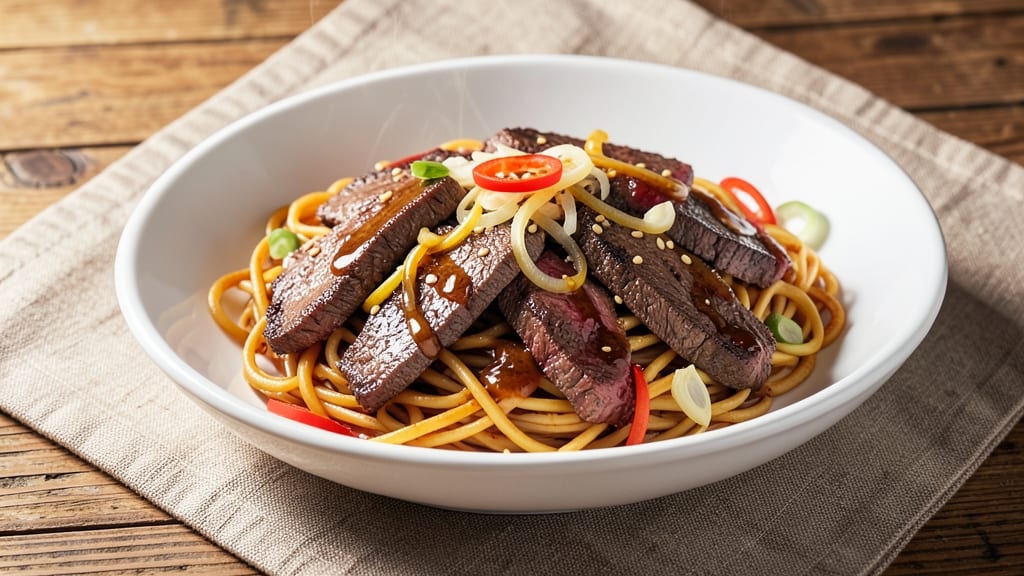
This beef and frozen noodles recipe delivers restaurant-quality flavor with minimal effort—one-pot magic that transforms simple ingredients into a deeply satisfying meal. The secret lies in high-heat searing of beef strips to lock in juices, followed by a quick stir-fry with aromatics that build layers of umami.
I developed this after realizing most frozen noodle dishes miss the mark by either overcooking the meat or leaving flavors flat.
What sets this apart is the technique: beef cooks first to render fat and develop flavor before frozen noodles join the pot, absorbing the rich beef broth and sauce. No pre-boiling noodles required—just add them directly to the hot pan where they'll cook perfectly in under 20 minutes.
The result is tender beef strips nestled in chewy noodles, all blanketed with a savory sauce that balances sweet, salty, and umami notes.
This method delivers restaurant-quality results without the fuss, making it ideal for busy weeknights or when you crave comfort food without the cleanup. The beef stays juicy while the noodles achieve that signature chewy texture, and the sauce clings to every strand.
Garnish with green onions and sesame seeds for freshness and crunch that elevates the dish from simple to special.
Perfect for feeding a family or meal prepping, this recipe scales effortlessly while maintaining its bold flavors. The one-pot approach means less cleanup, and the 20-minute timeline ensures dinner is ready when you are.
Whether serving as a main course or pairing with steamed vegetables, this dish proves home cooking can be both impressive and efficient.
Ingredients for beef and frozen noodles
Restaurant-quality beef and noodles starts with these 15 simple ingredients.
| Ingredient | Amount | Notes |
|---|---|---|
| Flank Steak 🥩 | 1 lb | Thinly sliced against grain |
| Frozen Stir-Fry Noodles 🍜 | 8 oz | Egg or wheat variety preferred |
| Yellow Onion 🧅 | 1 whole | Thinly sliced |
| Garlic Cloves 🧄 | 4 cloves | Minced |
| Fresh Ginger 🌿 | 1 ½ tbsp | Finely grated |
| Soy Sauce 🍶 | ½ cup | Low-sodium preferred |
| Oyster Sauce 🍶 | 2 tbsp | For umami depth |
| Honey 🍯 | 1 ½ tbsp | For balance |
| Sesame Oil 🫒 | 1 tbsp | Toasted for aroma |
| Vegetable Oil 🫒 | 2 tbsp | High smoke point |
| Green Onions 🧅 | 3 whole | Sliced for garnish |
| Sesame Seeds 🌱 | 1 tbsp | Toasted for crunch |
| Salt 🧂 | 1 tsp | Kosher or sea salt |
| Black Pepper 🌶️ | ½ tsp | Freshly ground |
| Beef Broth 💧 | ½ cup | Low-sodium preferred |
The beef choice matters—flank steak delivers the perfect balance of tenderness and flavor when sliced thin against the grain. Most grocery stores carry pre-sliced flank steak, but if you're buying a whole cut, ask the butcher to slice it thinly for you. Trader Joe's and Costco often have pre-sliced packages ready to go, saving you time. For the frozen noodles, egg noodles hold up best to the stir-fry process, but wheat noodles work too. Look for brands with higher protein content—they'll stay chewier during cooking. The aromatics (onion, garlic, ginger) should be fresh; no wilting or bruising means they'll add the most flavor.
No flank steak? Sirloin or ribeye sliced thin will work in a pinch, though they may be slightly tougher. Swap soy sauce for coconut aminos if you're avoiding sodium, but the umami will be less intense. Oyster sauce can be tricky to find—vegetarian oyster sauce or a splash of hoisin sauce adds similar depth. The honey balances the saltiness, but maple syrup works too. Sesame oil is non-negotiable for that authentic aroma, though you can use a pinch of toasted sesame seeds if you're avoiding it. For the broth, low-sodium is key—you can always add more salt at the end if needed.
Prep the beef and aromatics first—they'll sit while you cook. Store sliced beef in the fridge for up to 2 days in an airtight container, but cook it within the hour for best texture. The frozen noodles? Keep them frozen until you're ready to cook—no need to thaw. This dish reheats beautifully, so double the batch and freeze half for later. Portion into glass containers for easy reheating; microwave for 2-3 minutes or stovetop with a splash of water. Garnishes like green onions and sesame seeds stay fresh for 5 days in the fridge if stored properly.
Why You'll Love This Recipe
- No Chopping Chaos: The onion and garlic get tossed in whole—no dice, no tears. I swear, the frozen noodles are pre-chopped too, so you’re basically just slicing steak and stirring. (Yes, even on a Tuesday night when you’d rather be binge-watching.)
- Umami Bomb: That flank steak? Thinly sliced and seared until it’s got a crispy edge with that creamy center—chef’s kiss. The ginger and garlic caramelize just enough to make the whole thing taste like you spent hours marinating. (Spoiler: You didn’t.)
- Lunchbox Hero: Between us, this is my go-to for meal prep. Toss leftovers in a container, and you’ve got a lunch that’s basically a restaurant takeout—no sad desk salad here. My kids pack it in their lunches, and honestly? They ask for it more than my "fancy" homemade pasta.
- Budget Steakhouse: Flank steak on sale? Frozen noodles in the freezer? This is how you stretch a protein into three meals without breaking the bank. I’ll be real: it’s not the prettiest, but the taste makes up for it—and your wallet thanks you.
Step-by-step instructions for beef and frozen noodles
This one-pot stir-fry comes together faster than takeout and delivers restaurant-quality flavor.
🍳 Step 1: Prep and Sear the Flank Steak
Slice the 1 lb flank steak thinly against the grain into ¼-inch strips. Pat dry with paper towels and season generously with the 1 tsp salt and 0.5 tsp black pepper—this ensures maximum flavor penetration. Set aside for 5 minutes while you prep the rest.
Heat a large skillet or wok over high heat until it's smoking hot. Add the 2 tbsp vegetable oil and swirl to coat. Working in batches to avoid crowding, add the steak strips and sear for 1-2 minutes per side until they develop a deep golden-brown crust. Remove and set aside—these seared strips will be the flavor foundation of your dish.
🍳 Step 2: Stir-Fry Aromatics and Noodles
In the same skillet, reduce heat to medium-high and add the 1 whole yellow onion and 4 cloves garlic cloves. Stir-fry for 2-3 minutes until the onions soften and garlic becomes fragrant—this builds the aromatic base. Add the 1.5 tbsp fresh ginger and cook for another 30 seconds until it releases its bright, citrusy aroma.
Push the aromatics to one side of the pan, then add the 8 oz frozen stir-fry noodles to the empty space. Stir-fry for 2 minutes until the noodles begin to soften and turn translucent. If needed, add a splash of water to prevent burning, but keep the heat high to maintain the stir-fry's signature quick cooking.
🥘 Step 3: Combine Sauces and Finish
Return the seared steak to the skillet and pour in the 0.5 cup soy sauce, 2 tbsp oyster sauce, 1.5 tbsp honey, and 0.5 cup beef broth. Stir everything together vigorously for 1-2 minutes until the sauce coats the noodles and steak evenly. The honey will help balance the salty-savory flavors while adding a subtle sweetness.
Taste and adjust seasoning—you may need a pinch more salt or a drizzle of soy sauce to deepen the umami. The sauce should cling to the noodles and steak, creating a glossy, cohesive dish. If it's too thick, add a splash of water to loosen it to your preferred consistency.
🔥 Step 4: Garnish and Serve
Remove the skillet from heat and stir in the 1 tbsp sesame oil—this adds a nutty aroma and rich depth of flavor. Divide the dish among four plates and garnish each serving with 1 whole green onion (sliced) and 1 tbsp sesame seeds. The sesame seeds should be toasted lightly in a dry pan for 30 seconds** before sprinkling to enhance their crunch.
Serve immediately while the noodles are still hot and the sesame oil is fragrant. The dish should have a perfect balance of tender steak, chewy noodles, and a glossy, umami-rich sauce. Each bite delivers a harmonious blend of textures and flavors, making this one-pot meal a satisfying, quick solution for any night of the week.
Pro Tips For Making Beef And Frozen Noodles
- SLICE THIN AND REST: Flank steak’s tough when cold—slice it thinly against the grain (¼-inch max) before cooking, then let it sit at room temp for 15 minutes. I used to skip this and ended up with chewy beef; now it melts like butter in the noodles.
- THAW NOODLES IN HOT WATER: Skip the microwave—drop frozen noodles into boiling water for 2 minutes, then drain and toss with a splash of oil. This keeps them from turning mushy later, and they absorb sauce better than thawed-in-the-bag noodles.
- DON’T OVERCROWD THE PAN: Cook the beef in batches if needed—overcrowding steams instead of sears. A hot pan with 1-2 minutes per side gives you those crispy edges, not sad, gray meat. (Yes, even if you’re impatient like me.)
- SAVE THE GINGER PEEL: Use the outer layer of ginger—it’s packed with flavor. Peel just the papery skin, then grate the whole knob (including the peel) for the stir-fry. Toss the peel after; it disappears but adds depth your recipe won’t have otherwise.
Regional styles of this beef and frozen noodles
Chinese Takeout Classic
This dish draws heavy inspiration from classic Chinese-American takeout, where beef and noodles are a staple. The key difference here is using frozen stir-fry noodles instead of fresh, which cuts prep time dramatically while still delivering that signature chewy texture.
I remember my first time making this at home—it was a revelation how much better homemade tastes compared to restaurant versions, especially with the fresh ginger and toasted sesame oil. 🥢
For authentic flavor, use light soy sauce (not dark) and Kikkoman oyster sauce—these are the brands I trust for that true takeout taste. The dish works perfectly with egg noodles for that classic texture, but wheat noodles add a subtle nuttiness that pairs beautifully with the beef.
Serve with a side of steamed bok choy or cucumber salad to complete the takeout experience.
Japanese Beef Noodle Twist
In Japan, this dish would transform into a yakiniku-inspired noodle bowl. Swap the soy sauce for 3 tbsp Japanese ponzu sauce and add 1 tbsp mirin to the sauce mixture for a citrusy brightness.
Use udon noodles instead of stir-fry noodles for a heartier texture, and garnish with shredded bonito flakes and pickled ginger for that izakaya vibe. 🍜
The Japanese version keeps the beef searing technique but adds a dash of sake to the sauce for depth. I like to finish with a sprinkle of furikake (Japanese seasoning) for extra umami. This variation works especially well with ribeye instead of flank steak for a richer flavor profile.
Korean Bibimbap Fusion
For a Korean-inspired take, transform this into a beef noodle bibimbap. Cook the beef with 1 tbsp gochujang (Korean chili paste) and 1 tsp gochugaru (Korean red pepper flakes) for heat.
Add 1 tbsp toasted sesame seeds directly to the sauce mixture. Serve over steamed rice instead of noodles, and top with quick-pickled cucumbers and fried egg for that classic bibimbap presentation. 🌶️
This version keeps the one-pot efficiency but adds vibrant colors and textures. The gochujang brings a deep, slightly sweet heat that balances perfectly with the beef's richness. I like to serve it in individual bowls with small side dishes for a full bibimbap experience.
Vietnamese Pho-Inspired
Bring pho flavors to this dish by using star anise and cinnamon sticks in the beef broth. Simmer them with the broth for 10 minutes before adding to the pan. Swap oyster sauce for fish sauce and add 1 tbsp lime juice at the end for brightness.
Garnish with thinly sliced jalapeños, bean sprouts, and cilantro for that fresh, herbal pho touch. 🍋
The Vietnamese version keeps the quick cooking time but adds aromatic complexity. I like to use sirloin instead of flank steak for this adaptation, as it holds up better to the longer simmering of the broth. Serve with hoisin sauce on the side for dipping.
Nutrition facts
Frequently asked questions
Can I use any frozen noodles for this recipe?
Egg or wheat-based stir-fry noodles work best—they hold up well to the high-heat cooking and maintain a satisfying chew. Avoid ramen noodles (they're too soft) or spaghetti (they won't absorb the sauce properly). For extra authenticity, look for Asian-style frozen noodles with higher protein content.
Why does my beef turn out tough instead of tender?
This happens when you don't slice against the grain or overcook the meat. Always cut flank steak at a 45-degree angle into ¼-inch strips and sear for only 1-2 minutes per side—high heat locks in juices. Remove the beef from the pan as soon as it browns, then return it later to finish cooking.
How do I adjust this for a slow cooker?
Brown the beef first in a skillet, then transfer everything to the slow cooker. Use low heat for 3-4 hours (not high) with ½ cup water instead of broth. The noodles will cook in the liquid—drain any excess before serving. Add sesame oil and garnishes at the end to prevent sogginess.
What if I don't have oyster sauce?
No problem! Substitute with 2 tbsp hoisin sauce + 1 tsp soy sauce for similar umami depth. For a vegetarian option, use 2 tbsp soy sauce + 1 tbsp mushroom sauce. The honey and beef broth will still balance the flavors beautifully.
Can I make this spicier?
Add ½ tsp red pepper flakes when searing the beef or 1 tbsp sriracha to the sauce mixture. For heat lovers, stir in 1 tsp gochujang (Korean chili paste) with the soy sauce. Adjust to taste—start with less if you're sensitive to spice.