
Main Courses
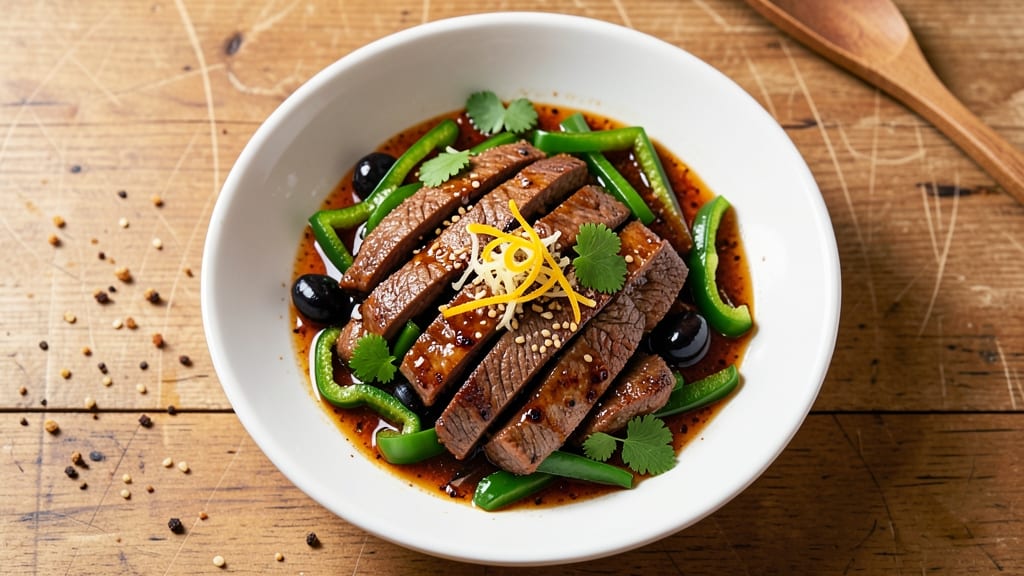
This beef and green pepper stir fry delivers restaurant-quality results with its velvety soy-ginger sauce and crisp-tender beef bites. The secret lies in proper slicing techniques and high-heat stir-frying to lock in juices while achieving that signature wok hei flavor.
I've perfected this recipe over countless weeknight dinners, where it consistently delivers satisfying, flavorful results that feel special without requiring hours in the kitchen.
The foundation of this dish is in the preparation: thinly sliced beef that cooks quickly to remain tender, and vibrant green peppers that retain their crispness while developing a satisfying char.
The sauce balances sweet, savory, and aromatic elements through a simple combination of soy sauce, ginger, garlic, and a touch of honey. What sets this recipe apart is the technique of cooking the beef separately from the vegetables, then combining everything at the end to preserve texture and maximize flavor.
By the time you serve this dish, you'll have perfectly seared beef with just a hint of caramelization, vibrant green peppers that are crisp-tender, and a sauce that coats every bite with its velvety, aromatic goodness.
The combination of textures and flavors creates a dish that's both comforting and exciting - ideal for weeknight dinners or when you want to impress guests with minimal effort. The aroma alone will have everyone gathered at your table.
This stir fry pairs beautifully with steamed jasmine rice, which soaks up every drop of that flavorful sauce. The recipe scales effortlessly for larger groups, making it perfect for meal prep or feeding a crowd.
Whether you're a seasoned home cook or new to stir-frying, this recipe delivers professional-quality results with simple techniques and accessible ingredients.
Ingredients for beef and green pepper stir fry
Restaurant-quality stir fry begins with these carefully selected ingredients for velvety sauce and crisp-tender beef bites.
| Ingredient | Amount | Notes |
|---|---|---|
| Flank Steak 🥩 | 1 ¼ lb | Thinly sliced against grain |
| Green Bell Peppers 🧅 | 2 large | Coreless, sliced into strips |
| Soy Sauce 🍶 | ½ cup | High-quality, preferably Japanese |
| Fresh Ginger 🌿 | 2 tbsp | Finely grated, aromatic |
| Garlic Cloves 🧄 | 4 cloves | Minced, fresh preferred |
| Honey 🍯 | 1 tbsp | Pure, for balance |
| Sesame Oil 🫒 | 1 tbsp | Toasted, for aroma |
| Vegetable Oil 🫒 | 2 tbsp | High smoke point |
| Cornstarch 🌾 | 1 tbsp | For sauce thickening |
| Green Onions 🧅 | 4 whole | Sliced, for garnish |
| Sesame Seeds 🌰 | 1 tbsp | Toasted, for texture |
| Diamond Crystal Kosher Salt 🧂 | 1 tsp | For seasoning |
| Black Pepper 🌶️ | ½ tsp | Freshly ground |
| Jasmine Rice 🍚 | 1 ½ cups | Uncooked, for serving |
The flank steak is non-negotiable—it's lean yet tender when sliced thinly against the grain. Look for USDA Choice or Prime at your local butcher or major grocery stores like Whole Foods or Kroger. The green bell peppers should be firm and vibrant, not soft or discolored. I always buy organic when possible, but conventional works too. The soy sauce makes all the difference—Japanese brands like Kikkoman have that perfect balance of umami and saltiness that store-brand versions can't match. Fresh ginger and garlic are essential; dried just won't cut it here. Toast your sesame seeds in a dry pan for 30 seconds before adding—they'll release incredible aroma.
No flank steak? Sirloin or ribeye work in a pinch, but slice them thinner. Running short on soy sauce? Coconut aminos in a 1:1 ratio keeps it gluten-free. The cornstarch is crucial for that signature velvety sauce—don't substitute arrowroot or flour. For extra heat, add 1/2 tsp of red pepper flakes with the sesame oil. If you're prepping ahead, marinate the beef in soy sauce, honey, and garlic for up to 2 hours before cooking. The jasmine rice should be steamed to perfection—slightly sticky but not mushy. For a quicker version, use microwaveable rice in a pinch, though it won't have the same texture.
This stir fry reheats beautifully—just add a splash of water or soy sauce to the pan. Store leftovers in an airtight container for up to 4 days in the fridge or 3 months in the freezer. The sauce thickens as it cools, so you may need to thin it with a bit of water when reheating. For meal prep, portion the rice and stir fry separately—they reheat better that way. The green onions and sesame seeds should be added fresh right before serving to maintain their vibrant color and crisp texture. This dish keeps its restaurant-quality flavor even after reheating, making it perfect for busy weeknights.
Why You'll Love This Recipe
- One-Pan Magic: I swear by this recipe when I’m too tired to scrub a million dishes—just one skillet, a quick sear for the flank steak, and those peppers sizzling alongside. The soy sauce and ginger caramelize right into the pan, so cleanup is basically nonexistent. (Yes, even on a Tuesday night.)
- Umami Bomb: That first bite of tender beef with the bright, crisp peppers? It’s the kind of flavor that makes you pause mid-chew. The garlic and ginger hit you like a warm hug, while the soy sauce adds this deep, savory punch that lingers. Honestly, I’ve tried fancier stir-fries, but this one’s the real MVP.
- Lunchbox Hero: Between us, this is my secret weapon for meal prep. Slice the leftovers into rice bowls, pack them in containers, and boom—you’ve got lunch sorted for days. The beef stays juicy even reheated, and the peppers add a pop of color that makes it feel fresh, not sad.
- Budget Powerhouse: Flank steak is lean but mighty, and a single pound stretches across two meals without breaking the bank. Add a bag of peppers, a jar of ginger, and a bottle of soy sauce—you’re looking at a fraction of the cost of takeout, but way more satisfying. Plus, it feeds four for under $15. (My wallet thanks me.)
Step-by-step instructions for beef and green pepper stir fry
Master this technique for perfectly tender beef and crisp vegetables every time.
Prepare the Flank Steak for Optimal Tenderness
Begin by slicing the 1.25 lb flank steak thinly against the grain into ¼-inch thick strips. This is critical for tender bites—thicker slices will remain chewy. Pat the sliced steak dry with paper towels to remove any surface moisture, which helps achieve a better sear. In a small bowl, combine 1 tsp Diamond Crystal kosher salt, 0.5 tsp black pepper, and 1 tbsp cornstarch. Toss the steak strips in this mixture until evenly coated, pressing gently to adhere. Let the seasoned steak rest for 10 minutes at room temperature before cooking.
This resting period ensures even cooking and prevents the steak from releasing juices too quickly when it hits the hot pan. The cornstarch creates a light crust that helps thicken the sauce while keeping the beef tender. Don't skip this step—it makes a noticeable difference in texture.
Cook the Jasmine Rice to Perfection
Rinse the 1.5 cups jasmine rice thoroughly under cold water until the water runs clear, then drain. In a medium saucepan, combine the rice with 2 cups water (measured precisely) and bring to a boil over medium-high heat. Once boiling, reduce heat to low, cover tightly with a lid, and simmer for 15 minutes. Remove from heat and let it steam, covered, for an additional 10 minutes. Fluff the rice gently with a fork before serving.
The rice should be tender with a slight bite—jasmine rice absorbs water differently than other varieties. If the rice isn't fully cooked after 25 minutes, add 2-3 tablespoons of hot water and steam for another 5 minutes. Overcooking turns rice mushy, so monitor closely during the final steaming phase.
Sear the Beef and Set Aside
Heat 2 tbsp vegetable oil in a large skillet or wok over high heat until shimmering. Working in batches (to avoid overcrowding), add the steak strips and sear for 1-2 minutes per side until deep golden brown and cooked to medium-rare (internal temperature 130-135°F). Transfer the cooked beef to a plate and tent loosely with foil to keep warm.
Don't rush this step—high heat is essential for a good sear. If the pan isn't hot enough, the beef will steam instead of develop that beautiful crust. The steak should release easily from the pan when ready to flip. If it sticks, your pan isn't hot enough; let it heat up for another 30 seconds before trying again.
Stir-Fry the Green Bell Peppers
In the same skillet, add the 2 large green bell peppers (cut into strips) and stir-fry over medium-high heat for 4-5 minutes until they begin to soften but still retain a slight crispness. Add the 4 minced garlic cloves and 2 tbsp finely grated fresh ginger, cooking for an additional 30 seconds until fragrant.
The peppers should be tender-crisp, not fully softened. Overcooking them turns the stir-fry mushy. If they're browning too quickly, reduce heat slightly. This step builds the foundation of your dish—bright, fresh vegetables that contrast with the rich beef.
Create the Velvety Soy-Ginger Sauce
Reduce heat to medium, then pour in the 0.5 cup soy sauce, 1 tbsp honey, and 1 tbsp toasted sesame oil. Stir to combine, then sprinkle the 1 tbsp cornstarch over the mixture. Cook for 1-2 minutes, stirring constantly, until the sauce thickens to a glossy, velvety consistency that coats the back of a spoon.
This is where the magic happens—the cornstarch transforms the sauce from thin to rich and clinging. If the sauce thickens too quickly, add 1-2 tablespoons of water to reach your desired consistency. The sauce should coat the vegetables and beef beautifully without being gluey.
Combine and Finish the Stir-Fry
Return the seared beef to the skillet and toss everything together for 1-2 minutes until the beef is heated through and fully coated in the sauce. Stir in the 4 sliced green onions and cook for an additional 30 seconds. Remove from heat and garnish with 1 tbsp toasted sesame seeds. Serve immediately over the prepared jasmine rice.
Each bite should deliver tender beef with crisp vegetables, balanced by the sweet-savory sauce. The sesame seeds add a nutty finish that ties everything together. Serve while hot—this dish doesn't wait. If the sauce seems too thin after sitting, warm it gently and stir in a splash of water to restore consistency.
Pro Tips For Making Beef And Green Pepper Stir Fry
- Slice Against the Grain: Flank steak’s tough fibers run lengthwise—cutting perpendicular to them shortens cooking time and keeps the meat tender. A sharp knife and steady hand make this easier than you think, and it’s worth the effort.
- Prep Peppers Like a Pro: Slice bell peppers into thin, even strips (about ¼-inch thick) and pat them dry with a paper towel. Wet peppers steam instead of sear, and uneven slices mean some end up mushy while others stay crunchy.
- Don’t Crowd the Pan: After searing the beef, push it to one side and add peppers in a single layer. Overloading the pan drops the temperature, turning your stir-fry into a sad, greasy mess. A 12-inch skillet is your friend here.
- Salt the Beef Before Searing: Season the flank steak with soy sauce and a pinch of salt at least 15 minutes before cooking. This lets the salt break down proteins and draw out moisture, guaranteeing a better crust when you hit the pan with high heat.
Storing and reheating your beef and green pepper stir fry
Refrigerator Storage
Store your beef and green pepper stir fry in an airtight container for up to 4 days in the refrigerator. The sauce will thicken slightly as it cools, so I recommend adding 1-2 tablespoons of water when reheating to restore its velvety consistency.
Keep the rice and stir fry separate in the container—they reheat better that way. 🌡️
For best results, let the dish cool completely before refrigerating to prevent condensation and soggy textures. I like to portion it into single-serving containers for easy grab-and-go lunches. The beef remains tender, and the peppers stay slightly crisp when reheated properly.
Freezer Storage
This stir fry freezes exceptionally well for up to 3 months without significant quality loss. Use freezer-safe containers or heavy-duty plastic bags, leaving 1 inch of headspace for expansion. I recommend freezing the components separately—beef, vegetables, sauce, and rice—to maintain texture. Label containers with dates to track freshness. ❄️
When ready to eat, thaw overnight in the refrigerator. For quick reheating, transfer frozen portions to a microwave-safe dish and heat on medium power in 2-minute intervals, stirring between each interval. Add 1-2 tablespoons of water or soy sauce to prevent drying.
Stovetop Reheating
My preferred method for reheating is on the stovetop, which preserves the dish's restaurant-quality texture. Heat 1 tablespoon of vegetable oil in a skillet over medium heat, then add the stir fry and 2 tablespoons of water or soy sauce.
Cover and cook for 3-4 minutes, stirring occasionally, until heated through. The sauce will become glossy again as it reheats. 🔥
If the beef appears dry, add an extra splash of soy sauce or water to restore moisture. For extra flavor, toss in 1 teaspoon of toasted sesame oil during reheating. This method works best for 2-3 servings at a time.
Microwave Reheating
For quick reheating, transfer the stir fry to a microwave-safe dish and cover loosely with a damp paper towel. Heat on 70% power for 2-3 minutes, stirring halfway through.
Add 1-2 tablespoons of water or soy sauce if the dish appears dry. The microwave method is fastest but may make the peppers slightly softer than stovetop reheating. ✨
I recommend reheating only what you plan to eat immediately, as the texture continues to change over time. The sauce may separate slightly, so give it a good stir before serving. For best results, reheat to an internal temperature of 165°F to ensure food safety.
Sauce Refresh
If the sauce loses its velvety consistency after reheating, combine 1 teaspoon cornstarch with 1 tablespoon cold water to create a slurry. Stir this into the reheated sauce and cook for 30 seconds until thickened. This trick works wonders for restoring that signature clingy texture. 💫
For extra flavor, add a pinch of fresh ginger or garlic while reheating to revive the aromatic profile. The stir fry reheats beautifully when handled properly, making it perfect for meal prep and busy weeknights.
Nutrition facts
Frequently asked questions
Why is slicing the beef against the grain so important?
Slicing flank steak against the grain breaks the muscle fibers, creating shorter, more tender pieces. This technique prevents tough, chewy bites by reducing the connective tissue resistance. For best results, slice at a 45-degree angle to create thin, uniform strips about ¼-inch thick—this ensures even cooking and maximum tenderness.
Can I use a different type of beef for this recipe?
Yes! While flank steak is ideal, you can substitute with sirloin, ribeye, or even chicken breast (adjust cooking time). For leaner cuts, marinate for 30-60 minutes in soy sauce, honey, and garlic to add moisture. Never use ground beef—the texture won't match the restaurant-quality results of properly sliced beef.
How do I prevent the peppers from turning mushy?
Keep heat at medium-high and cook peppers for only 4-5 minutes—they should be tender but still hold their shape. Overcrowding the pan lowers temperature, causing steaming instead of searing. For extra crunch, add peppers back to the pan for 30 seconds at the very end with the beef and sauce.
What can I do if I don't have cornstarch for thickening?
Use arrowroot powder (1:1 ratio) or mix 1 tbsp flour with 1 tbsp cold water to make a slurry. For a gluten-free option, try tapioca starch. Cook the slurry for 1-2 minutes until thickened. If you omit it entirely, the sauce will be thinner but still flavorful.
How can I make this dish spicier?
Add 1 tsp red pepper flakes to the sauce or ½ tsp cayenne pepper when tossing with the beef. For heat lovers, stir in 1 tbsp sriracha with the soy sauce. For balanced heat, use 1 tsp gochujang (Korean chili paste) instead of red pepper flakes—it adds depth alongside spice.