
Main Courses
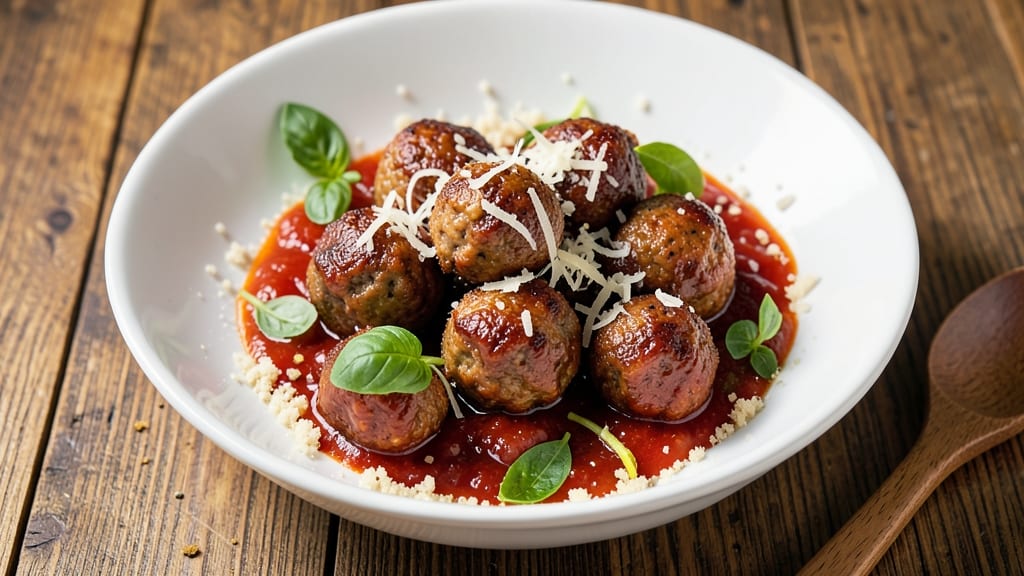
This beef and Italian sausage meatball recipe delivers the perfect balance of rich, savory flavors and aromatic freshness that makes every bite irresistible. The combination of ground beef and Italian sausage creates meatballs with deep umami notes, while fresh herbs and garlic elevate them to restaurant-quality.
I've perfected the technique of pan-searing for crispy exteriors and juicy interiors, ensuring each meatball stays tender and packed with flavor.
The secret lies in the mixture itself—Italian sausage brings a subtle spice and fat content that keeps the meatballs moist, while the beef adds structure and depth. Using a mix of breadcrumbs and grated Parmesan creates a binding that holds everything together without making the meatballs dense.
This recipe also incorporates a simple marinara sauce that complements the rich meatballs beautifully, making it a complete dish that's ready to serve in under an hour.
What you'll end up with are meatballs that are golden-brown on the outside, with a tender, juicy interior bursting with flavor. The aroma alone will have everyone gathering around the table, and the first bite delivers that perfect combination of savory, herby, and slightly spicy notes.
These meatballs work equally well as a standalone dish or served over pasta, with garlic bread on the side for a complete Italian meal.
Whether you're hosting a dinner party or simply craving a comforting meal, this recipe delivers foolproof results that will impress even the most discerning eaters. The technique is straightforward, and the ingredients are simple, but the outcome is anything but basic.
Let's get started on creating these umami-packed, herby-fresh meatballs that will become a staple in your recipe collection.
Ingredients for beef and italian sausage meatball
Simple ingredients that transform into restaurant-quality meatballs with perfect texture and flavor balance.
| Ingredient | Amount | Notes |
|---|---|---|
| Ground Beef (80% lean) 🥩 | 1 lb | Chilled, not pre-formed patties |
| Italian Sausage (mild or spicy) 🌭 | ½ lb | Casings removed, crumbled |
| Parmesan Cheese 🧀 | ½ cup | Freshly grated, fine texture |
| All-Purpose Flour 🌾 | ¼ cup | For binding, not self-rising |
| Fresh Breadcrumbs 🍞 | ½ cup | Panko for extra crispiness |
| Large Eggs 🥚 | 1 whole | Room temperature for best mix |
| Garlic Cloves 🧄 | 3 cloves | Minced, not powdered |
| Fresh Parsley 🌿 | ¼ cup | Chopped, stems removed |
| Fresh Basil 🌿 | ¼ cup | Chopped, for freshness |
| Olive Oil 🫒 | 2 tbsp | Extra-virgin for pan-searing |
| Marinara Sauce 🍅 | 2 cups | Homemade or quality jarred |
| Salt 🧂 | 1 ½ tsp | Kosher or sea salt |
| Black Pepper 🌶️ | 1 tsp | Freshly ground preferred |
| Red Pepper Flakes 🌶️ | ½ tsp | Optional, for subtle heat |
The beef and sausage ratio is key here. Ground beef provides structure, while the Italian sausage adds moisture and subtle spice—mild works best for first-timers. Grab 80% lean beef from the meat counter for juiciness, and look for Italian sausage with visible herbs and spices. Whole Foods or Trader Joe's often carry high-quality casings-removed options, but the regular supermarket variety works fine if you crumble it yourself. Freshly grated Parmesan makes all the difference—pre-grated clumps up and lacks flavor. If you're short on time, Parmigiano-Reggiano from a wedge is worth the investment.
No Italian sausage? Substitute with ground pork for similar fat content, or use all beef but add 1/2 tsp fennel seeds for that authentic touch. The breadcrumbs can be swapped for crushed cornflakes if you're gluten-free, though texture will differ slightly. Fresh herbs are ideal, but dried parsley or basil at 1/3 the amount works in a pinch. For the marinara, Rao's or Barilla are reliable jarred options, but homemade with San Marzano tomatoes and garlic elevates everything. The red pepper flakes are optional—skip them if you prefer mild flavor, but they add depth that complements the sausage spices perfectly.
Meatballs keep best in the fridge for 4 days, though they taste even better reheated the next day. Portion into airtight containers with a thin layer of marinara to prevent drying. For longer storage, freeze in a single layer before transferring to bags—3 months in the freezer with no texture loss. When reheating, low heat in olive oil restores crispiness better than the microwave. The marinara sauce can be prepped ahead and stored separately, making this a perfect make-ahead meal for dinner parties.
Why You'll Love This Recipe
- No-Fuss Mixing: I swear by the 5-minute prep here—just toss the ground beef, sausage, and breadcrumbs in a bowl. No fancy techniques, no overworking the meat, just a quick squeeze of Parmesan and a pinch of flour to bind. It’s the kind of recipe where you can still chat with whoever’s in the kitchen while you roll.
- Double the Flavor: That Italian sausage? It’s the star. The fennel and herbs in the casing infuse the meatballs with a warmth that lingers, and the Parmesan adds a salty, umami punch. Honestly, I’ve tried store-bought meatballs, but these taste like they’ve been simmering in a nonna’s kitchen all day—even if they’re ready in 30.
- Weeknight to Party: These meatballs work everywhere. Toss them in marinara for a quick pasta night, serve them on a platter with toothpicks for game day, or even stuff them into peppers for a hands-off dinner. My college roommate used to steal half the batch for her potluck—no judgment, they’re that good.
- Budget Meal Maker: A pound of ground beef and a pack of sausage stretch far, and the leftovers? Chef’s kiss. Reheat them in the oven or microwave for sandwiches, salads, or a lazy breakfast hash. I’ll be real: I’ve made this recipe three times in a row for my kids’ lunches, and they’ve never complained. That’s saying something.
Step-by-step instructions for beef and Italian sausage meatballs
Here's how to craft meatballs with perfect texture and bold flavor every time.
Combine Meat and Seasonings
In a large mixing bowl, combine the 1 lb ground beef (80% lean) and 0.5 lb Italian sausage (mild or spicy). Use your hands to break up any large clumps and distribute the meat evenly. This creates a uniform texture in your meatballs.
Add the 0.5 cup freshly grated Parmesan cheese, 1.5 tsp salt, 1 tsp black pepper, and 0.5 tsp red pepper flakes to the meat mixture. Mix thoroughly with your hands until the cheese is evenly distributed. The Parmesan adds richness and helps bind the meatballs together. Don't overwork the mixture—just combine until fully incorporated.
Add Binders and Herbs
In a separate bowl, whisk together the 1 whole large egg, 0.25 cup all-purpose flour, and 0.5 cup fresh breadcrumbs (panko). This creates a binder that will help the meatballs hold their shape during cooking. The panko adds texture and prevents the meatballs from becoming too dense.
Add the minced 3 cloves garlic, 0.25 cup chopped fresh parsley, and 0.25 cup chopped fresh basil to the meat mixture. Mix everything together gently but thoroughly with your hands. You want the herbs distributed evenly throughout—this ensures each bite has that fresh, herby brightness. The mixture should be cool to the touch but not cold, which helps the meatballs form properly.
Form Perfectly Shaped Meatballs
Wet your hands with cold water and gently roll the meat mixture into 1.5-inch diameter meatballs—about the size of a golf ball. This size ensures even cooking and a perfect balance of texture. Don't pack them too tightly, as this can make them dense. If the mixture feels sticky, add an extra tablespoon of breadcrumbs to help with shaping.
Place the formed meatballs on a parchment-lined baking sheet, spacing them about 1 inch apart. This prevents them from sticking together during cooking. Cover the tray with plastic wrap and refrigerate for 30 minutes to firm up. This chilling step is crucial—it helps the meatballs hold their shape and prevents them from falling apart when you cook them.
Sear for Maximum Flavor
Heat 2 tbsp olive oil in a large skillet over medium-high heat until shimmering. Working in batches to avoid crowding, add the meatballs to the skillet and cook for 3-4 minutes per side until golden brown and cooked through. You'll know they're ready when the internal temperature reaches 160°F—use a meat thermometer to check. The searing step is what develops that rich, caramelized crust that's packed with flavor.
As the meatballs brown, they'll release their juices into the pan. Don't drain these—use a spoon to baste the meatballs with the rendered fat and juices. This keeps them moist and adds depth of flavor. Once all the meatballs are browned, transfer them to a plate and set aside.
Simmer in Marinara Sauce
In the same skillet, add the 2 cups marinara sauce and bring to a gentle simmer over medium-low heat. Return the meatballs to the skillet, spooning sauce over them to coat evenly. Let them simmer for 10-15 minutes, stirring occasionally, until the sauce thickens slightly and the meatballs are fully heated through.
Taste the sauce and adjust the seasoning if needed—add a pinch more salt or a sprinkle of red pepper flakes for heat. The meatballs should be tender but still hold their shape. Serve immediately over pasta, with crusty bread, or alongside your favorite sides. The combination of the herby, umami-packed meatballs and rich marinara sauce makes this dish unforgettable.
Pro Tips For Making Beef And Italian Sausage Meatball
- CHILL THE MIX BEFORE SHAPING: I learned this the hard way—skipping this step makes the meatballs greasy and uneven. After mixing your ground beef, sausage, Parmesan, flour, and breadcrumbs, pop the bowl in the fridge for 15 minutes. The fat firms up just enough to hold shape without falling apart when rolling.
- GRATE YOUR OWN PARMESAN: Store-bought shavings are convenient, but freshly grated Parmesan makes a real difference in these meatballs. Use a fine grater and pulse the cheese in a food processor for a powdery texture—this distributes flavor evenly and prevents clumps that turn to rubbery bits. (Yes, even if you’re impatient like me.)
- DON’T OVERWORK THE MEAT: Once you start mixing, stop after 30 seconds—any longer and the meatballs turn dense. The sausage’s natural fat and the breadcrumbs’ moisture are enough to bind; kneading it like dough will squeeze out juices you’ll regret later.
- BROWN IN BATCHES, LOW AND SLOW: Crowding the pan steams the meatballs instead of searing them. Cook in a single layer over medium heat for 4-5 minutes per side, turning once, until deeply browned. If you’re frying a big batch, work in two rounds—your future self will thank you for crispy exteriors, not sad, soggy ones.
Perfect pairings for this recipe
Classic Italian Sides
Serve your meatballs with creamy polenta—its mild, buttery texture contrasts beautifully with the rich meatballs. I like to prepare it ahead and reheat in the microwave with a splash of milk for extra creaminess.
For a lighter option, roasted cherry tomatoes tossed with fresh basil and a drizzle of extra-virgin olive oil add brightness to the plate. 🍅
Garlic bread is a must-have for soaking up any leftover marinara sauce. Toast a baguette with a mix of 3 tbsp softened butter, 2 minced garlic cloves, and 1 tbsp fresh parsley. Broil for 2-3 minutes until golden and crispy. Trust me, this simple side elevates the whole meal.
Sauce Variations
Swap the marinara for a brown butter and sage sauce—melt 3 tbsp butter with 4 fresh sage leaves until nutty, then deglaze with ½ cup white wine and reduce. This adds a luxurious depth that pairs perfectly with the meatballs.
For something tangy, try a lemon-herb sauce with ¼ cup heavy cream, zest of 1 lemon, and 2 tbsp chopped dill. 🍋
For a spicy kick, stir 1 tbsp Calabrian chili paste into the marinara and simmer for 5 minutes to meld the flavors. This adds a slow-building heat that complements the sausage without overpowering it.
If you prefer creaminess, fold ¼ cup ricotta into the sauce for a Roman-style twist.
Beverage Pairings
A Chianti Classico or Sangiovese from Tuscany is the ultimate wine pairing—its bright acidity and earthy notes cut through the richness of the meatballs. For a lighter option, a Pinot Grigio from Friuli-Venezia Giulia offers crisp citrus notes that refresh the palate. 🍷
If you prefer beer, a Peroni or Moretti Italian lager cleanses the palate without competing with the dish. For craft beer lovers, a Belgian witbier like Hoegaarden adds a subtle citrusy contrast. And don’t overlook sparkling water with a splash of lemon—it’s refreshing and lets the flavors shine.
Garnish Like a Pro
Finish your dish with fresh basil leaves torn by hand and a sprinkle of flaky sea salt for a pop of color and texture. A drizzle of high-quality olive oil (like Colavita) adds a final touch of elegance.
For extra flair, top with toasted pine nuts or crumbled pecorino Romano for a savory crunch. 🌿
For a bright contrast, scatter thinly sliced radishes or quick-pickled red onions over the top. These add a crisp, tangy bite that balances the richness. Serve with a lemon wedge on the side so guests can squeeze fresh juice over their plates if desired.
Nutrition facts
Frequently asked questions
Why mix beef and Italian sausage in these meatballs?
The beef provides structure and a rich, meaty flavor while the Italian sausage adds moisture and subtle spice. The fat content from the sausage keeps the meatballs juicy during cooking, while the beef prevents them from becoming greasy. This combo creates the perfect balance of texture and flavor that's both hearty and aromatic.
Can I make these meatballs ahead of time?
Form the meatballs and refrigerate them uncovered on a tray for 2-3 hours to firm up. Store them in an airtight container in the fridge for up to 4 days or freeze for 3 months. Thaw overnight in the fridge before cooking. The flavors actually improve after resting!
What's the best way to reheat cooked meatballs?
For crispy results, warm them in a skillet with 1 tbsp olive oil over medium heat for 3-4 minutes until heated through. Avoid microwaving—they'll get soggy. If reheating from frozen, bake at 375°F for 20-25 minutes until internal temp reaches 165°F.
Can I use a different type of sausage?
For authentic flavor, Italian sausage is ideal, but you can substitute with mild chorizo (remove casings) or ground pork (add ½ tsp fennel seeds). Avoid hot sausage unless you want extra heat—stick with mild varieties for balanced flavor. The fat content is more important than the specific type.
How do I prevent meatballs from falling apart?
Don't overwork the mixture and chill the formed meatballs for 30 minutes before cooking. Use your hands to gently shape them (don't press too hard) and avoid adding too much liquid. The egg and breadcrumb binder works best when the meatballs are cool but not cold.