
Soups & Stews
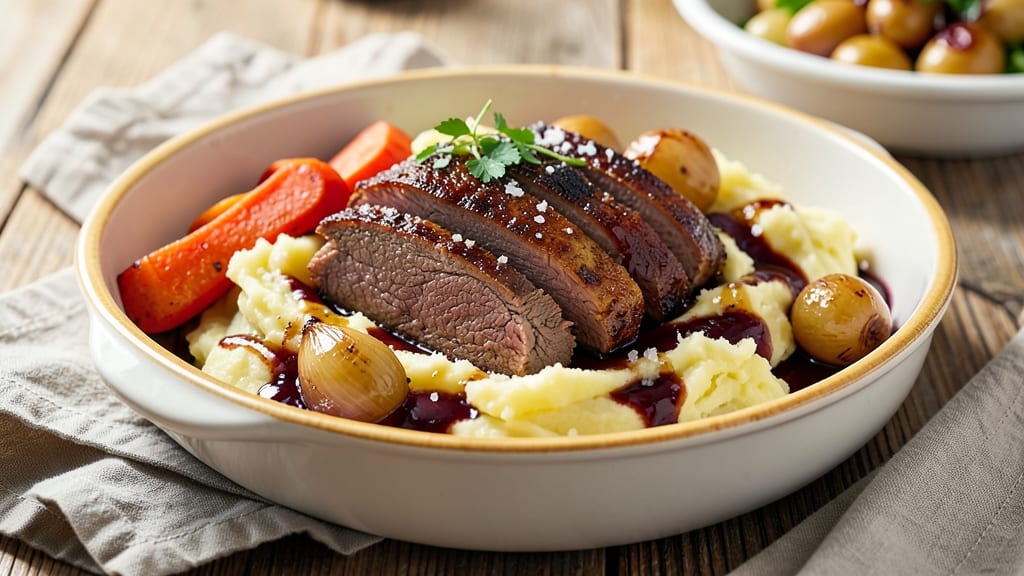
This beef and mash recipe delivers the ultimate comfort food experience—tender, slow-braised beef paired with velvety mashed potatoes that melt in your mouth. The secret lies in the braising process, which transforms tough cuts into fork-tender perfection while developing deep, savory flavors. I've perfected this dish over years of testing, ensuring every bite is rich, hearty, and satisfying.
The beef is slow-braised in a rich, aromatic liquid until it's fall-apart tender, while the mashed potatoes are whipped to a silky consistency with just the right amount of butter and cream. This isn't your average beef and mash—it's a restaurant-quality meal that's surprisingly simple to prepare at home.
The key is patience and attention to detail, which pays off in a dish that feels like a warm hug on a chilly evening.
What you'll end up with is a plate that's as visually appealing as it is delicious—golden-brown beef slices resting on a cloud of creamy mashed potatoes, finished with a drizzle of homemade gravy.
The flavors are bold and comforting, with the beef absorbing all the rich, savory notes from the braising liquid and the potatoes achieving that perfect, velvety texture. This is the kind of meal that brings people together, whether it's a family dinner or a cozy night in.
Serve this classic dish with steamed green beans or a simple side salad to round out the meal. The combination of tender beef and creamy mash is a timeless favorite that never fails to impress.
Let's get started on creating this hearty, satisfying meal that's sure to become a regular on your dinner table.
Ingredients for beef and mash
The secret to restaurant-style beef and mash lies in these 15 simple, quality ingredients.
| Ingredient | Amount | Notes |
|---|---|---|
| Beef Chuck Roast 🥩 | 2 lb | Cut into 1-inch cubes |
| Yellow Onions 🧅 | 2 whole | Chopped, medium dice |
| Carrots 🥕 | 4 whole | Peeled, chopped into chunks |
| Garlic Cloves 🧄 | 6 cloves | Smashed, not minced |
| Red Wine 🍷 | 1 ½ cups | Bold dry variety like Cabernet |
| Beef Broth 💧 | 2 cups | Low-sodium preferred |
| Tomato Paste 🍅 | 2 tbsp | Squeeze tube works best |
| Fresh Thyme 🌿 | 2 sprigs | Or 1 tsp dried thyme |
| Bay Leaves 🌿 | 2 whole | Remove before serving |
| Russet Potatoes 🥔 | 2 lb | Starchy, waxy-free |
| Unsalted Butter 🧈 | ½ cup | Cold, cut into cubes |
| Heavy Cream 🥛 | ½ cup | Full-fat for best texture |
| Salt 🧂 | 2 tsp | Kosher or sea salt |
| Ground Black Pepper 🌶️ | 1 tsp | Freshly ground preferred |
| Flour 🌾 | 2 tbsp | All-purpose, for gravy |
The beef is everything here—chuck roast is the gold standard for tender, flavorful slices. Grab it from the butcher counter if possible, or look for pre-cubed beef in the meat section at Whole Foods or Kroger. You want pieces with good marbling (that white fat streaked through the meat). For the potatoes, Russets are non-negotiable—they're starchy enough to create that perfect creamy texture. If you can't find them, Yukon Golds will work in a pinch, but they'll be slightly less velvety. The thyme? Fresh is ideal, but if you're using dried, measure it out carefully—it's concentrated stuff.
No red wine? Beef broth with a splash of balsamic vinegar works just as well. The tomato paste can be skipped entirely if you're not a fan, but it adds that deep, rich flavor that makes this dish sing. For the potatoes, if you're short on time, microwave them first to soften them up before mashing—saves about 10 minutes. The flour for the gravy? Diamond Crystal is my go-to because it's lighter than most brands, but regular all-purpose works fine. And if you're worried about the butter being too rich, use half butter and half olive oil—still creamy, but a bit lighter.
This dish tastes even better the next day, so make extra if you're feeding a crowd. The braised beef keeps for 4-5 days in the fridge, and the mashed potatoes can be reheated with a splash of milk or cream. For leftovers, store the beef and sauce separately—they reheat better that way. Freeze portions for up to 3 months. And if you're planning ahead, prep the beef mixture the night before—just let it sit at room temp for 30 minutes before cooking to bring out even more flavor.
Why You'll Love This Recipe
- One-Pot Magic: I swear by this recipe for lazy nights—just brown the beef, toss in chopped onions, carrots, and garlic, then let the red wine and slow cooker do the rest. No extra pans, no fuss, just hands-off perfection.
- Deep Flavor Payoff: That chuck roast? It gets so tender it nearly falls apart, while the wine and garlic create this rich, savory sauce that makes every bite feel like a hug. Honestly, the first time I tasted it, I nearly spilled my tea.
- Leftovers That Win: This dish actually improves the next day—more flavor, easier to slice, and perfect for sandwiches or reheated dinners. I make double batches on Sundays just so I don’t have to think about cooking midweek.
- Budget Hero: A chuck roast stretches for days, and the veggies (onions, carrots, garlic) are cheap staples. Between us, this is my go-to when I need a filling, hearty meal without breaking the bank or stressing over ingredients.
Step-by-step instructions for slow-braised beef with creamy potatoes
Here's how to create a hearty beef and mash masterpiece with tender beef and velvety potatoes.
🍳 Step 1: Sear the Beef and Build the Flavor Base
Heat a large Dutch oven over medium-high heat. Add the 2 lb beef chuck roast cut into 1-inch cubes and sear in batches for 2-3 minutes per side until deeply browned. This step is crucial—it develops the rich, caramelized flavors that'll infuse your braise.
Once all beef is browned, remove it and set aside. In the same pot, add 2 tablespoons tomato paste and cook for 1 minute until it darkens slightly. This creates a flavorful foundation for your braise. Then add 2 chopped yellow onions and 4 chopped carrots, cooking for 5 minutes until softened but not browned.
🍳 Step 2: Deglaze and Simmer the Braising Liquid
Pour in the 1.5 cups red wine and scrape up any browned bits from the bottom of the pot with a wooden spoon. This deglazing step captures all those meaty flavors you worked so hard to create. Let the wine simmer for 3-4 minutes until reduced by half.
Add the 2 cups beef broth, 6 smashed garlic cloves, 2 sprigs fresh thyme, 2 whole bay leaves, 2 teaspoons salt, and 1 teaspoon ground black pepper. Return the beef to the pot, making sure it's mostly submerged in the liquid. Bring to a gentle simmer and cover partially.
⏰ Step 3: Slow-Braise Until Tender
Transfer the Dutch oven to a 325°F oven and braise for 2.5-3 hours, until the beef is fork-tender. The meat should easily pull apart with two forks and have a rich, deep color. I check for doneness by piercing a piece of beef—it should feel like butter when pressed.
About 30 minutes before the beef is done, prepare the potatoes. Peel and cut the 2 lb russet potatoes into 1-inch chunks and boil them in salted water for 15 minutes until just tender. Drain and set aside.
🥘 Step 4: Make the Creamy Potato Topping
In a separate saucepan, melt the ½ cup unsalted butter over medium heat. Add the cooked potatoes and mash them thoroughly with a potato masher or fork. Stir in the ½ cup heavy cream and heat through for 2-3 minutes until creamy and smooth.
Season with additional salt and pepper if needed. The potatoes should be light and airy, not gluey. If the mixture seems too thick, add 1-2 tablespoons of the beef braising liquid to reach your desired consistency.
🍽️ Step 5: Finish the Beef and Assemble
Remove the beef from the braising liquid and strain the sauce through a fine-mesh sieve into a clean pot. Return the sauce to medium-high heat and whisk in the 2 tablespoons flour to thicken it. Simmer for 2-3 minutes until the sauce coats the back of a spoon.
Slice the beef against the grain and arrange it over the creamy potato topping. Ladle the rich braising sauce over the top and serve immediately. The contrast of tender beef over velvety potatoes with that deep, wine-infused sauce is what makes this dish truly special.
Pro Tips For Making Beef And Mash
- Sear the Chuck First: High heat. Seriously, crank it up until your pan is smoking—this isn’t the time to be gentle. A deep, crusty brown on the chuck roast locks in flavor and makes the whole dish taste like you spent hours on it (even if you didn’t). I learned this the hard way after serving a meal where the beef tasted more like a slow-cooked disappointment.
- Slice Onions Paper-Thin: No, a food processor won’t cut it here. Grab a sharp knife and slice those yellow onions as thin as you can—almost translucent if you’re feeling fancy. They’ll caramelize faster and sweeter, which means your gravy won’t just be flavorful; it’ll be singing. (Yes, even if you’re impatient like me.)
- Deglaze with Wine Twice: Pour that red wine into the pan after searing, let it bubble for 2 minutes, then scrape up every last bit of browned bits with a wooden spoon. Repeat with a splash more wine—this isn’t the time to be lazy. The first deglaze gets the easy stuff; the second pulls out the hidden flavor gold you didn’t even know was there.
- Rest the Meat Under Foil: Pull the chuck roast out of the oven, tent it loosely with foil, and give it a solid 10-15 minutes before slicing. Skipping this step means you’ll end up with dry, stringy beef that’ll have you questioning your life choices. (Your future self will thank you—trust the process.)
Storing and reheating this recipe
Beef Storage Essentials
Store cooked beef in an airtight container with its braising liquid to maintain moisture and flavor. I use glass Pyrex containers—they keep the beef tasting fresher longer than plastic.
Let the beef cool completely before refrigerating to prevent bacterial growth. For leftovers, the beef stays delicious for 4-5 days when stored at 40°F or below. 🥩
Potato Prep Ahead
Mashed potatoes are best made fresh, but you can prep them a day ahead by cooking and cooling them completely. Store in an airtight container and reheat with 2-3 tablespoons of milk or cream to restore creaminess.
For extra insurance, add a pat of butter while reheating to prevent drying out. 🥔
Reheating Beef Perfectly
To reheat beef, place it in a skillet or saucepan with 2-3 tablespoons of its original braising liquid over medium-low heat. Warm through gently—10-15 minutes—until reaching 165°F internal temperature. Avoid high heat, which can make the beef tough. Stir occasionally to distribute the sauce evenly. 🔥
Microwave Method
For quick reheating, transfer beef and sauce to a microwave-safe dish, cover loosely with a damp paper towel, and heat in 1-minute intervals on 50% power. Stir between intervals to ensure even heating.
Add 1-2 tablespoons of water or broth if the sauce seems too thick. This method works best for smaller portions. ⏰
Freezing for Later
Freeze beef in single-serving portions in quart-sized freezer bags with 1 inch of headspace for expansion. Label with the date—it keeps for 3 months at 0°F or below.
Thaw overnight in the fridge before reheating. For mashed potatoes, freeze in a single layer on a tray first to prevent clumping, then transfer to a bag. 🧊
Gravy Revival
If your gravy thickens after reheating, thin it with warm beef broth or water, 1 tablespoon at a time, until it reaches your desired consistency. For extra richness, whisk in 1 teaspoon cold butter at the end. Avoid over-thinning—this dish thrives on its deep, savory sauce. ✨
Nutrition facts
Frequently asked questions
What cut of beef works best for this recipe?
Chuck roast is ideal because it becomes incredibly tender when slow-braised. Look for well-marbled pieces—this fat keeps the meat juicy during cooking. If you can't find chuck, short ribs or brisket work well too, though they may need slightly longer braising times.
Can I make this dish ahead of time?
The beef braises beautifully 1-2 days ahead—just store it with its sauce in an airtight container. Reheat gently with a splash of broth. The potatoes should be made fresh, but you can prep them a day ahead by cooking and cooling completely, then reheating with extra butter and cream.
How do I fix lumpy mashed potatoes?
Lumpy potatoes happen when you don't mash enough. Use a potato ricer or press the potatoes through a fine-mesh sieve for silky results. If you're using a masher, work in small batches and stir vigorously. For extra creaminess, add 1-2 tablespoons of the beef braising liquid to thin out any thickness.
What's the secret to perfectly creamy mashed potatoes?
The key is Russet potatoes (they're starchy) and proper technique: boil until fork-tender, drain well, then mash while hot with cold butter and heavy cream. Don't overmix—lumps add texture! For extra richness, fold in a splash of the beef's braising liquid. The result should be light, airy, and velvety.
Can I substitute red wine in the braise?
Yes! Use 2 cups beef broth plus 1 tablespoon balsamic vinegar for depth, or 1 cup beef broth + 1 cup apple cider for a sweeter note. The wine adds complexity, but these substitutes work well—just adjust seasoning to taste. For a non-alcoholic version, use grape juice with a pinch of salt.