
Soups & Stews
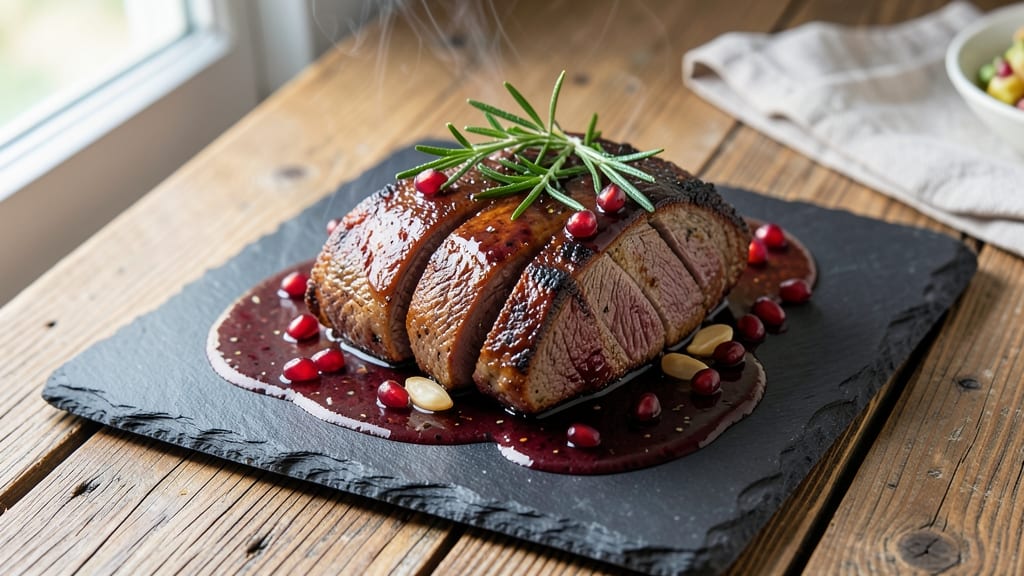
This beef and pomegranate recipe transforms winter dinners into a feast for both taste and sight. The rich, savory beef pairs perfectly with the jewel-like pop of fresh pomegranate seeds, creating a dish that's as visually stunning as it is delicious.
I developed this recipe to bring restaurant-quality depth to your home kitchen using simple techniques and a few key ingredients.
The secret lies in slow-cooking tender beef until it's fork-tender, then finishing it with a bright pomegranate glaze that adds a touch of sweet-tart contrast. This method ensures every bite delivers perfect texture and vibrant color—no fancy equipment required.
The pomegranate seeds not only add visual appeal but also introduce a refreshing crunch that cuts through the richness of the beef.
What you'll end up with is a hearty dish that feels special enough for holiday gatherings but simple enough for weeknight dinners. The beef remains juicy and flavorful, while the pomegranate glaze creates a glossy finish that makes the plate pop.
Serve it with warm flatbread to soak up every last drop of sauce, or pair it with a fresh arugula salad for balance.
The best part? This recipe scales effortlessly—double it for a crowd or halve it for a cozy meal for two. The combination of deep beef flavors and the bright, jewel-like pomegranate creates a dish that's impossible to resist. Let's get started on creating this showstopping winter meal.
Ingredients for beef and pomegranate
Rich beef meets jewel-toned pomegranate for a winter dish that's equal parts hearty and elegant.
| Ingredient | Amount | Notes |
|---|---|---|
| Beef Chuck Roast 🥩 | 2 ½ lb | Center-cut for tenderness, trimmed of excess fat |
| Fresh Pomegranate Seeds 🍇 | 1 ½ cups | Ruby-red, no membrane pieces |
| Red Wine 🍷 | 1 cup | Bold Cabernet Sauvignon, dry |
| Beef Broth 💧 | 2 cups | Low-sodium, homemade preferred |
| Garlic Cloves 🧄 | 6 cloves | Peeled, lightly crushed |
| Fresh Rosemary 🌿 | ½ cup | Chopped, stems removed |
| Fresh Thyme 🌿 | ¼ cup | Leaves only, stems discarded |
| Extra-Virgin Olive Oil 🫒 | ¼ cup | Fruity, peppery variety |
| Orange Juice 🍊 | ½ cup | Freshly squeezed, no pulp |
| Orange Zest 🍊 | 1 tbsp | Finely grated, bright aroma |
| Honey 🍯 | 2 tbsp | Wildflower preferred |
| Diamond Crystal Kosher Salt 🧂 | 1 ½ tsp | For seasoning and glaze |
| Freshly Ground Black Pepper 🌶️ | 1 tsp | Coarsely ground |
| All-Purpose Flour 🌾 | 1 tbsp | For thickening glaze |
The beef is the foundation, so prioritize quality—chuck roast with good marbling yields the most tender results. Whole Foods or your local butcher often carry premium cuts, but the pre-trimmed roasts at Costco work beautifully for convenience. Look for vibrant red meat with visible fat streaks; avoid anything grayish or overly lean. Fresh pomegranate seeds are essential for that signature pop—Trader Joe's carries them year-round, or buy whole pomegranates and crack them open yourself for maximum freshness. The seeds should be plump and ruby-red, not dried out or discolored.
No red wine? Substitute with beef broth plus 1 tbsp balsamic vinegar for depth, though the acidity won't be identical. Fresh herbs can be swapped for dried at a 1:3 ratio—dried rosemary and thyme work in a pinch, but the flavor will be more muted. For the glaze, if you're out of orange juice, grapefruit juice adds a tangy twist (reduce the honey slightly). The honey should be liquid at room temperature; if yours is crystallized, warm it gently in a bowl over hot water. For extra visual drama, reserve some pomegranate seeds for garnish—toss them with a pinch of salt and a drizzle of olive oil before serving.
Beef can be prepped a day ahead—sear and refrigerate overnight for more intense flavor. The pomegranate glaze keeps for 5 days in the fridge, though it's best used fresh. For leftovers, reheat gently in a skillet with a splash of broth to maintain moisture. This dish freezes beautifully for up to 3 months—portion the beef and sauce separately to avoid sogginess. When reheating from frozen, thaw overnight in the fridge before warming through. The glaze can be made ahead and stored separately, then combined with the beef just before serving for maximum brightness.
Why You'll Love This Recipe
- One-Pot Magic: The beef chuck roast practically cooks itself—just sear, add wine and broth, then let it slow down. No flipping, no fussing, just hands-off richness while you handle the rest.
- Sweet-Savory Bomb: That first bite? Juicy beef with a burst of pomegranate seeds—tart, bright, and perfectly balanced. The red wine keeps it deep and warm, while the garlic ties it all together like a hug.
- Leftover Hero: This dish tastes better the next day—ideal for meal prep or feeding a crowd. I’ve turned it into tacos, salads, or even breakfast hash, and it never lets me down.
- Budget Stretch: A chuck roast feeds six for under $20, and the pomegranate adds luxury without breaking the bank. Honestly, it’s the kind of meal that makes grocery day feel like a win.
Step-by-step instructions for beef and pomegranate roast
Transform humble beef chuck into a showstopping centerpiece with jewel-toned pomegranate and aromatic herbs.
Sear the Beef for Deep Flavor
Pat the 2.5 lb beef chuck roast completely dry with paper towels—this is non-negotiable for crispy bark. Heat 0.25 cup extra-virgin olive oil in a Dutch oven over medium-high heat until shimmering. Place the roast in the pot, fat-side down, and sear undisturbed for 5 minutes until deeply browned. Flip and repeat on all sides until the exterior develops a rich mahogany crust.
Here's the thing—don't rush this step. The Maillard reaction happening now creates complex flavors that will carry through the entire braise. I press down gently on the roast during the first minute to prevent curling, which ensures even contact with the pan. Once properly seared, remove the roast and set it aside on a plate.
Build the Aromatic Base
In the same Dutch oven, add 6 cloves crushed garlic, 0.5 cup chopped fresh rosemary, and 0.25 cup fresh thyme leaves to the rendered beef fat. Sauté for 2 minutes until the garlic turns golden and the herbs release their essential oils. Be careful not to burn them—garlic turns bitter quickly.
Deglaze immediately with 1 cup red wine, scraping up all those flavorful browned bits from the bottom of the pot. Let the wine reduce by half (2-3 minutes) before adding 2 cups beef broth, 0.5 cup orange juice, and 1 tbsp orange zest. This citrus infusion brightens the rich beef flavors while adding subtle sweetness that pairs perfectly with the pomegranate.
Braise Until Fork-Tender
Return the seared roast to the Dutch oven, spooning the aromatic liquid over the top. Bring to a simmer, then cover tightly and transfer to a 325°F oven. Braise for 2.5 to 3 hours until the meat is fork-tender—you should be able to pierce it easily with minimal resistance. The internal temperature should reach 200-203°F at its thickest point.
Real talk: Your oven might run hot, so start checking at the 2-hour mark. If the liquid reduces too quickly, add ¼ cup water to maintain moisture. The roast should be falling apart when tested with two forks, but still holding together enough to slice. This low-and-slow cooking transforms tough chuck into melt-in-your-mouth perfection.
Finish with Pomegranate Glaze
Remove the roast from the pot and tent with foil. Skim excess fat from the braising liquid, then return it to the stovetop over medium heat. Whisk in 2 tbsp honey and 1.5 cups fresh pomegranate seeds, letting the mixture simmer for 3-4 minutes until slightly thickened. The pomegranate seeds will plump slightly and release their ruby juices, creating a vibrant glaze.
Season the reduced sauce with 1.5 tsp diamond crystal kosher salt and 1 tsp freshly ground black pepper. In a small bowl, combine 1 tbsp all-purpose flour with 1 tbsp cold water to make a slurry. Slowly whisk this into the sauce, stirring constantly until thickened enough to coat the back of a spoon. This step ensures your glaze clings beautifully to each slice.
Rest and Serve with Ruby Jewels
Let the roast rest for 15 minutes before slicing against the grain into ½-inch thick portions. Arrange the slices on a warm platter and generously spoon the pomegranate glaze over the top. The contrast of deep red pomegranate against the rich beef creates a visual masterpiece that's just as delicious as it looks.
Here's where it gets fun—garnish each serving with an additional sprinkle of fresh pomegranate seeds and a few thyme leaves. The bright acidity of the citrus and the sweet-tart pomegranate cut through the richness of the beef, balancing every bite. Serve with crusty bread to soak up the glorious sauce, or alongside roasted root vegetables for a complete winter feast.
Pro Tips For Making Beef And Pomegranate
- Sear the Chuck First: I learned this the hard way—skipping the sear means flavorless beef. Get your pan screaming hot and let those garlic cloves sizzle until they’re golden before adding the chuck. The Maillard reaction here is non-negotiable for depth.
- Toast the Pomegranate Seeds: Sounds weird, but it works: toss the seeds in a dry pan for 30 seconds until slightly fragrant. This removes bitterness and makes them pop against the wine’s acidity. (Yes, even if you’re impatient like me.)
- Deglaze with Broth First: Don’t just dump the wine in—after searing, splash in a little beef broth first, scrape up those browned bits, then add the wine. This builds a richer base before the slow cook. I skip this when I’m lazy, but the dish is noticeably better when I don’t.
- Use a Meat Thermometer: Chuck roast is forgiving, but 195°F internal is where the magic happens. Pull it early if you’re serving with crusty bread—it’ll rest and slice cleaner. (Your future self will thank you.)
Wine and beer pairings for beef and pomegranate
Bold Red Wines
For this rich, spiced beef dish, I always reach for a bold Cabernet Sauvignon or Syrah—their dark fruit notes and tannins complement the beef beautifully while standing up to the pomegranate's tartness.
A 2018 Napa Valley Cabernet from Caymus Vineyards has been my go-to, with its blackcurrant and vanilla undertones that mirror the dish's depth. Serve slightly chilled (60-65°F) to enhance the wine's freshness against the warm beef. 🍷
Medium-Bodied Reds
If you prefer something slightly lighter, a Merlot or Pinot Noir works wonderfully. I love a Washington State Merlot like Chateau Ste. Michelle—its plum and chocolate notes harmonize with the pomegranate's sweetness without overpowering the beef.
For Pinot Noir lovers, a Oregon Willamette Valley bottle from Domaine Serene offers bright red fruit flavors that cut through the dish's richness. Let these wines breathe for 10-15 minutes before serving.
Crisp White Wines
Don't overlook whites if you're serving this dish during warmer months or prefer a refreshing contrast. A dry Viognier from Condrieu, France brings floral and stone fruit notes that pair surprisingly well with the pomegranate's brightness.
For something more accessible, try a California Chardonnay with minimal oak, like La Crema, which offers citrus and apple accents that complement the orange in the glaze. Serve these at 50-55°F for optimal balance.
Beer Pairings
For beer lovers, a dark ale or porter works beautifully. I recommend a Belgian Dubbel like Westmalle Trappist 8—its caramel and raisin notes echo the pomegranate while the maltiness stands up to the beef.
For a lighter option, try a German Helles Lager from Weihenstephaner, which provides crispness to cut through the dish's richness. Serve beers at 45-50°F to preserve their carbonation and flavor.
Non-Alcoholic Options
Don't worry if alcohol isn't your thing—sparkling grape juice or a pomegranate-infused sparkling water works beautifully. For a more substantial option, try a hibiscus tea with a splash of orange juice, which mirrors the dish's citrus and floral notes.
I often make a quick batch by steeping 2 tbsp dried hibiscus in 1 cup hot water for 5 minutes, then adding ½ cup orange juice and chilling. The tartness pairs perfectly with the beef's richness. 💫
Nutrition facts
Frequently asked questions
Can I substitute pomegranate molasses for fresh seeds?
Use 2 tablespoons of pomegranate molasses instead of the fresh seeds and reduce the honey to 1 tablespoon. Simmer the molasses with the sauce for 2-3 minutes until it thickens slightly. The molasses adds a deeper tartness that works beautifully with the beef.
What's the best cut of beef for this recipe?
For maximum tenderness, use a chuck roast or brisket—both have excellent marbling that keeps the meat juicy during slow cooking. Avoid lean cuts like sirloin, which can dry out. If you prefer a quicker cook time, try a beef short rib (increase braising time to 3-4 hours).
How do I make this dish ahead of time?
The beef can be fully cooked and refrigerated for up to 3 days—just reheat gently in the oven at 300°F until warmed through. For the glaze, make it fresh before serving to maintain its vibrant color. Alternatively, freeze the cooked beef (without glaze) for up to 3 months—thaw overnight in the fridge before finishing with the sauce.
Why does my pomegranate glaze turn watery?
This usually happens if you didn't reduce the sauce enough or if the pomegranate seeds released too much liquid. Fix it by simmering the glaze uncovered for 2-3 extra minutes or whisking in ½ teaspoon cornstarch mixed with 1 teaspoon water to thicken it. The glaze should coat the back of a spoon when finished.
What are the best sides for this dish?
For a complete meal, serve with warm naan or flatbread to soak up the sauce, creamy couscous for texture contrast, or roasted root vegetables (carrots, parsnips) for heartiness. A simple arugula salad with lemon vinaigrette adds freshness to balance the rich beef. The pomegranate's tartness also pairs well with crusty sourdough.