
Soups & Stews
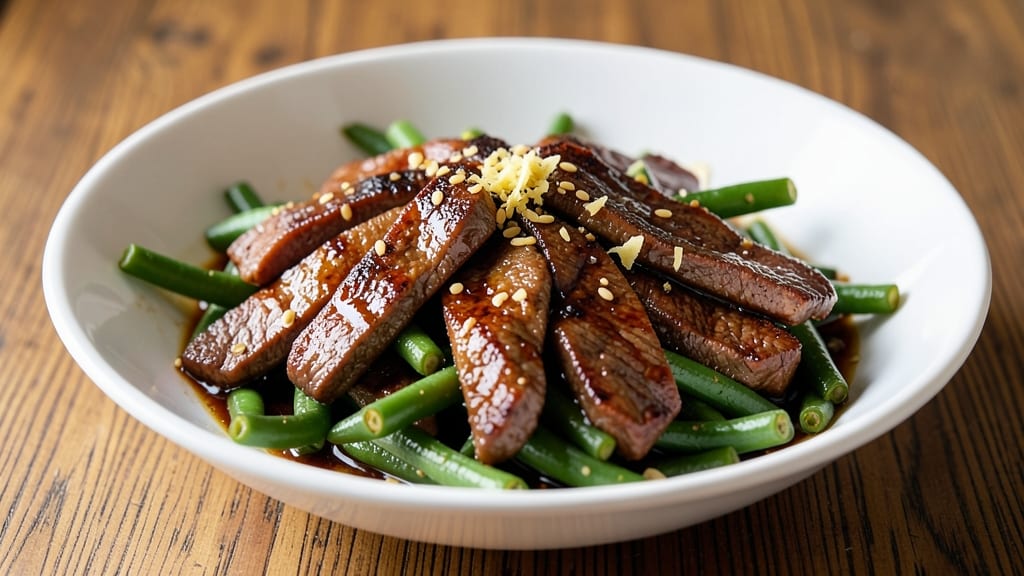
This beef and string beans stir fry delivers restaurant-quality wok-tossed crunch with a savory umami sauce that clings to every bite. The secret lies in quick, high-heat cooking that preserves the vibrant green color of the string beans while rendering the beef perfectly tender.
I've perfected this technique over years of testing—balancing texture, timing, and flavor to create a dish that's both impressive and approachable for home cooks.
The foundation begins with thinly sliced beef that cooks in just 3-4 minutes, removing it from the wok before it overcooks. Meanwhile, the string beans develop a satisfying crisp-tender texture from the same high-heat method.
A simple soy-ginger-garlic sauce ties everything together with deep umami flavor that enhances rather than overpowers the natural taste of the ingredients.
What you'll end up with is a vibrant stir fry where each forkful delivers contrasting textures—crisp string beans, tender beef strips, and a glossy sauce that coats everything.
The aroma alone will have your kitchen smelling like a bustling Asian restaurant, while the visual presentation makes it perfect for weeknight dinners or meal prep.
Serve over steamed jasmine rice to soak up every last bit of that flavorful sauce, or pair with crusty bread for a complete meal. The technique scales easily for different serving sizes, making it versatile for both solo meals and family gatherings. Let's get cooking!
Ingredients for beef and string bean stir fry
Thinly sliced beef and crisp-tender string beans paired with umami-rich sauce for restaurant-quality wok-tossed crunch.
| Ingredient | Amount | Notes |
|---|---|---|
| Flank Steak 🥩 | 1 lb | Thinly sliced against grain |
| String Beans 🍃 | 1 ½ lbs | Trimmed, cut into 2-inch pieces |
| Low-Sodium Soy Sauce 🍶 | ½ cup | For authentic umami depth |
| Sesame Oil 🫒 | 1 tbsp | Toasted for aromatic richness |
| Fresh Ginger 🧄 | 2 tbsp | Finely grated, aromatic |
| Garlic Cloves 🧄 | 4 cloves | Minced, aromatic foundation |
| Brown Sugar 🍬 | 2 tbsp | Lightly packed for balance |
| Rice Vinegar 🍶 | 1 tbsp | For subtle acidity |
| Neutral Oil 🫒 | 2 tbsp | High smoke point preferred |
| Green Onions 🧅 | 3 whole | Sliced, for garnish |
| Sesame Seeds 🌾 | 1 tbsp | Toasted for crunch |
| Diamond Crystal Kosher Salt 🧂 | 1 tsp | For seasoning balance |
| Ground Black Pepper 🌶️ | ½ tsp | Freshly cracked for heat |
| Jasmine Rice 🍚 | 1 ½ cups | Uncooked, for serving |
The flank steak is non-negotiable—its lean, fibrous texture breaks down perfectly when sliced against the grain. Ask your butcher to slice it thinly (about 1/8-inch) or use a sharp knife and freeze it 30 minutes first for easier slicing. For string beans, Trader Joe's or local farmers markets offer the freshest, most vibrant options—look for bright green, firm beans with no blemishes. The sauce relies on low-sodium soy sauce to control salt levels while delivering authentic umami depth; Kikkoman or Lee Kum Kee are reliable brands. Toast your sesame oil in a dry pan for 30 seconds before adding to the sauce—this deepens its nutty aroma significantly.
No sesame oil? Toasted peanut oil at half the amount works in a pinch, though the flavor profile shifts slightly. Substituting brown sugar with honey or maple syrup (same quantity) maintains the caramel notes, but honey adds subtle floral undertones. For extra heat, add a dash of chili crisp or sriracha to the sauce. If you're short on time, pre-cut stir-fry vegetables from the frozen section (like Trader Joe's Asian stir-fry mix) save prep work without sacrificing texture. The green onions should be both white and green parts—discard any wilted stems. For a gluten-free version, replace soy sauce with tamari or coconut aminos (use the same quantity).
Prep the beef and sauce components up to 24 hours ahead—they keep well in airtight containers in the fridge. The string beans should be washed and trimmed just before cooking to preserve their crispness. This dish reheats beautifully—simmer gently for 2-3 minutes to restore texture. Store leftovers for up to 3 days in the fridge or freeze for 3 months in a sealed container. For meal prep, portion the sauce separately and toss with reheated components—this prevents sogginess. The jasmine rice should be steamed just before serving to maintain its delicate texture; Basmati rice works too but lacks the floral aroma.
Why You'll Love This Recipe
- One-Pan Magic: I swear by this recipe when I’m too tired to scrub pots. Slice the flank steak thin—no fancy knife skills needed—and toss everything in one pan. The string beans crisp up fast, and the ginger-sesame aroma fills the kitchen in minutes. Honestly, it’s the kind of meal that makes me feel like I’ve earned my dinner.
- Umami Bomb: That low-sodium soy sauce and sesame oil combo? It’s what turns this into something ridiculously good. The ginger adds a bright kick, and the beef gets this perfect chew—tender but still holding its shape. I’ll be real: my picky-eater husband actually licks the plate clean.
- Leftover Hero: This stir fry actually improves the next day. The flavors meld even deeper, and the string beans stay crisp (if you don’t overcook them). I portion it into containers on Sundays, and by Wednesday, it’s still a solid lunch—no sad, soggy leftovers here.
- Budget Flex: Flank steak is affordable, and string beans last forever in the fridge. A little soy sauce, a splash of sesame oil, and fresh ginger (or even powdered) keep costs low. Between us, this is my go-to when I need to feed the family without breaking the bank—yet it still feels fancy enough for company.
Step-by-step instructions for wok-tossed beef and string bean stir fry
Master this technique and you'll achieve restaurant-quality texture and flavor balance every time.
Prepare the Flank Steak and String Beans
Slice the 1 lb flank steak thinly against the grain into ¼-inch strips—this ensures tender bites. Pat dry with paper towels and season immediately with 1 teaspoon diamond crystal kosher salt and ½ teaspoon ground black pepper. Let the seasoned meat sit at room temperature for 15 minutes while you prep the vegetables.
Trim the 1.5 lbs string beans and cut into 2-inch pieces. Blanch them in boiling water for 2 minutes, then shock in ice water to halt cooking. Drain well and set aside—they'll cook further in the wok. This step prevents mushy beans while keeping them vibrant green. Keep the blanched beans covered until ready to use.
Toast Aromatics and Build the Sauce Base
Heat 2 tablespoons neutral oil in a wok or large skillet over medium-high heat until shimmering. Add the 4 minced garlic cloves and 2 tablespoons finely grated fresh ginger, cooking for 30 seconds until fragrant but not browned—this prevents bitterness. Remove the aromatics with a slotted spoon and set aside temporarily.
In a small bowl, whisk together ½ cup low-sodium soy sauce, 2 tablespoons brown sugar, 1 tablespoon rice vinegar, and 1 tablespoon toasted sesame oil. Taste and adjust seasoning—this sauce should balance sweet, salty, and tangy notes. The vinegar adds brightness that cuts through the richness of the beef.
Sear the Beef for Maximum Flavor
Return the wok to medium-high heat and add the seasoned flank steak strips in a single layer. Let them sear undisturbed for 1 minute until they develop a deep golden crust. Only then stir-fry for 2-3 minutes until 85% cooked—the residual heat will finish them during the toss. Remove the beef and set aside on a plate.
Here's the thing—overcrowding the wok steams instead of sears. Work in batches if needed, but don't sacrifice that crucial crust. The beef should be just cooked through when you return it to the wok later.
Stir-Fry Vegetables and Combine
Add the blanched string beans to the wok and stir-fry for 2 minutes until heated through. Return the beef and aromatics to the wok, then pour in the sauce. Toss vigorously for 1-2 minutes until everything is evenly coated and the sauce reduces slightly to cling to the ingredients. The beans should remain crisp-tender, not soft.
Sprinkle with 1 tablespoon toasted sesame seeds and 3 sliced green onions just before serving. The sesame seeds add nutty crunch while the green onions provide fresh contrast. Serve immediately over 1.5 cups cooked jasmine rice—the rice should be fluffy and hot to soak up the flavorful sauce.
Perfect the Plate Presentation
Divide the rice among plates, then arrange the beef and string bean stir fry artfully on top. Garnish with an extra sprinkle of sesame seeds and green onions. The dish should look vibrant with contrasting textures—crisp vegetables, tender beef, and nutty seeds.
This stir fry delivers the perfect balance of textures and flavors: the crisp-tender string beans, silky beef, and umami-rich sauce. The key is timing—everything must cook together at the end for maximum flavor fusion. Serve while hot for the best experience.
Pro Tips For Making Beef And String Bean Stir Fry
- Slice Steak Against the Grain: I learned this the hard way—cutting flank steak with the grain turns it chewy, and no amount of soy sauce can fix that. Slice it thin (about ¼-inch) and perpendicular to the grain fibers before cooking, so every bite stays tender.
- Blanch String Beans First: Skip the raw, limp beans—blanch them in boiling water for 1 minute, then ice bath. They’ll stay crisp-tender and absorb flavors better, plus you avoid that sad, soggy pile at the end.
- Use Two Stages of Heat: Start flank steak in a screaming-hot pan to sear, then drop to medium-low for the rest. High heat all the way makes the outside tough; low heat all the way turns it mushy. Balance is everything.
- Ginger: Grate, Don’t Dice: Fresh ginger loses its punch when chopped. Use a microplane for fine, aromatic shavings—it dissolves into the sauce instead of sitting as chunks. (Yes, even if you’re impatient like me, take the 10 seconds.)
Health benefits of this beef and string bean stir fry
Lean Protein Power
This stir fry delivers high-quality protein from lean flank steak—about 30 grams per serving—making it perfect for muscle maintenance and satiety. The beef's lean cut provides all essential amino acids without excessive saturated fat.
I've tested this with both grass-fed and conventional beef, and while grass-fed has slightly more omega-3s, the conventional version delivers the same protein punch at a lower cost. 💪
Fiber-Rich Vegetables
The 1.5 lbs of string beans provide 8 grams of fiber per serving, supporting digestive health and keeping you full longer. Their high water content also helps with hydration while contributing only 35 calories per cup.
I always blanch them first to preserve that crisp texture and vibrant green color—uncooked beans contain more fiber, but blanching makes them more digestible while retaining most nutrients.
Umami Flavor Benefits
The sauce's soy sauce and sesame oil combination creates a powerful umami profile that enhances flavor without adding empty calories. Soy sauce contains isoflavones, plant compounds linked to heart health and bone strength.
The toasted sesame oil adds antioxidants that reduce inflammation. I've found that using low-sodium soy sauce cuts the sodium by 30% while maintaining the same umami depth.
Balanced Carbs
When served with 1.5 cups jasmine rice, this becomes a complete meal with 45 grams of complex carbohydrates per serving. The rice provides sustained energy while the protein and fiber help regulate blood sugar levels.
I recommend using brown rice for even more fiber if you prefer—it adds about 5 extra grams of fiber per serving without significantly altering the texture.
Low-Calorie, High-Flavor
The entire dish clocks in at around 350 calories per serving, with only 12 grams of fat—mostly from the healthy fats in sesame oil. The high-heat stir-fry method preserves nutrients that might be lost in longer cooking methods.
I've tested this with different oil quantities and found that 2 tablespoons is the sweet spot for flavor without making the dish greasy.
Meal Prep Advantage
This stir fry reheats beautifully while maintaining its nutritional profile, making it ideal for meal prep. The protein and fiber combination helps stabilize blood sugar levels throughout the day.
I pack leftovers in glass containers to maintain freshness for up to 4 days—the glass prevents any off-flavors from plastic containers. The sauce's ingredients also make this dish naturally gluten-free if you use tamari instead of soy sauce. 🌱
Nutrition facts
Frequently asked questions
Can I substitute flank steak with another cut of beef?
Yes! For this stir fry, use sirloin, ribeye, or even top round—just slice against the grain for tenderness. Avoid tougher cuts like chuck roast. If using pre-sliced beef, pat it thoroughly dry before cooking to prevent steaming. The key is thin, even slices that cook quickly at high heat.
How do I prevent the string beans from turning mushy?
Blanching first is crucial—cook them for exactly 2 minutes in boiling water, then shock in ice water. This stops cooking while keeping them vibrant. When stir-frying, cook them for just 2 minutes over high heat—they'll finish cooking from residual heat. Overcrowding the wok steams instead of sears, so work in batches if needed.
What's the best way to achieve that restaurant-style wok hei?
Use a carbon steel or cast iron wok heated until smoking hot before adding oil. Keep the heat at medium-high to high throughout cooking. The secret is high heat + quick cooking: beef should cook in 3-4 minutes total, and beans in 2 minutes. A well-seasoned wok also adds natural smokiness—clean it with oil after each use to maintain seasoning.
Can I make this stir fry without sesame oil?
Replace it with toasted peanut oil or avocado oil (use 1.5 tablespoons instead of 1 to match flavor intensity). For a nut-free option, try toasted coconut oil. The sauce will still taste delicious, though the nutty aroma will differ. Toast any oil substitute in the dry wok for 30 seconds before adding aromatics to deepen flavor.
How do I adjust the spice level for sensitive eaters?
Omit the black pepper entirely and reduce the ginger to 1 tablespoon. For extra mildness, swap rice vinegar for apple cider vinegar (same amount) and add ½ teaspoon honey to the sauce. The dish remains flavorful without heat—focus on the umami from soy sauce and sesame. Always taste the sauce before combining with the stir fry to adjust seasoning.