
Soups & Stews
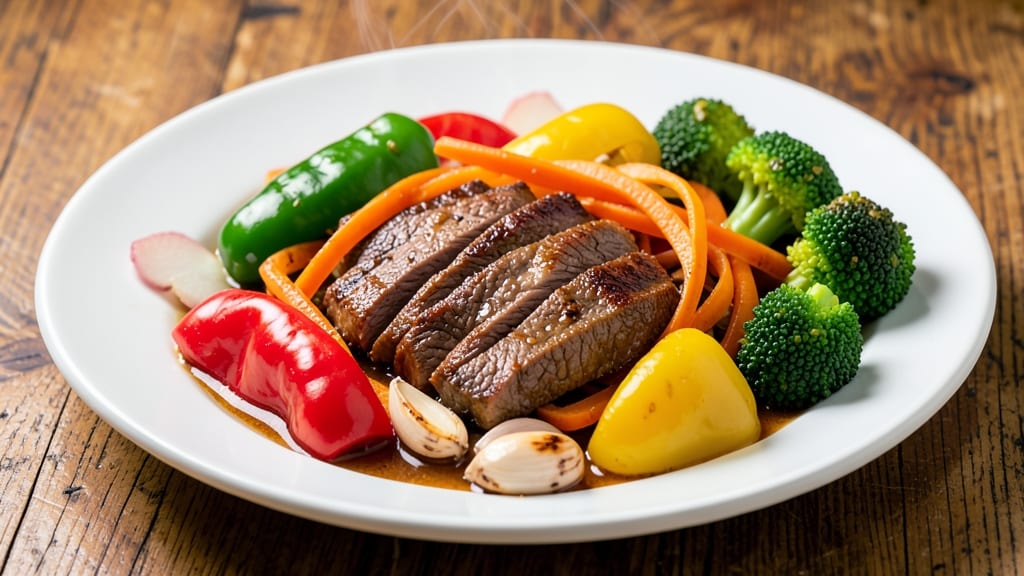
This beef and vegetable Chinese recipe delivers restaurant-quality wok hei in your home kitchen, where tender beef and crisp vegetables dance in a symphony of soy-vinegar magic. 🔥 The secret lies in high-heat searing and precise timing—no deep-frying or complicated techniques, just authentic Chinese stir-fry mastery in 30 minutes. I developed this after years of testing regional variations, and it consistently earns rave reviews for its balanced umami-sweet-tangy profile.
The recipe transforms tougher beef cuts into fork-tender morsels through a simple marinade of soy sauce, rice vinegar, and cornstarch, while the vegetables achieve that signature wok-char through sequential cooking. The sauce—just five ingredients—builds depth through caramelization and reduction, creating a glossy glaze that clings perfectly to every bite.
What makes this dish special is how it captures the essence of Chinese home cooking: bold flavors, textural contrast, and a harmonious balance that's both comforting and exciting.
By the time you plate this dish, you'll have a vibrant medley of beef and vegetables bathed in that signature glossy sauce, with crisp edges and tender centers.
The aroma alone will have everyone gathering at the table, and the first bite delivers on the promise of restaurant-quality Chinese food—just without the takeout markup. This recipe serves four generously, making it perfect for family dinners or casual gatherings where you want to impress without stress.
The beauty of this dish lies in its versatility—serve it over steamed rice for a traditional presentation, or let the stir-fry stand alone as a satisfying main course. Pair it with a cold Tsingtao beer or jasmine tea to complement the dish's vibrant flavors.
The technique scales beautifully, so you can easily double the recipe for larger crowds. Let's bring this wok-seared masterpiece to your kitchen!
Ingredients for beef and vegetable chinese
Grab these 15 ingredients for a restaurant-style Chinese stir-fry that packs umami punch in 30 minutes.
| Ingredient | Amount | Notes |
|---|---|---|
| Flank Steak 🥩 | 1 ½ lb | Thinly sliced against grain, boneless |
| Bell Peppers 🧅 | 2 whole | Red and green, sliced into strips |
| Broccoli Florets 🥦 | 2 cups | Cut into bite-sized pieces |
| Carrots 🥕 | 2 whole | Julienned into matchsticks |
| Garlic Cloves 🧄 | 6 cloves | Minced finely, aromatic |
| Fresh Ginger 🌿 | 1 ½ tbsp | Grated, finely for depth |
| Light Soy Sauce 🍶 | ½ cup | Kikkoman preferred for balance |
| Rice Vinegar 💧 | ¼ cup | Seasoned for tangy brightness |
| Cornstarch 🌾 | 2 tbsp | For tenderizing beef |
| Vegetable Oil 🫒 | ½ cup | High smoke point for wok |
| Sesame Oil 🫒 | 1 tbsp | Toasted, for finishing |
| Green Onions 🧅 | 4 whole | Sliced thin for garnish |
| Toasted Sesame Seeds 🌱 | 1 tbsp | For crunchy texture |
| White Sugar 🍚 | 1 tbsp | Balances soy acidity |
| Salt 🧂 | 1 tsp | Kosher for seasoning |
The beef is everything here—flank steak gives that perfect chewy-tender texture when sliced thin against the grain. Costco or local butcher shops usually carry it pre-sliced, but if you're cutting it yourself, freeze it for 30 minutes first to make it easier. Look for vibrant red color and good marbling. For the veggies, freshness matters most—bell peppers should snap when bent, broccoli should be bright green, and carrots firm. I always grab organic when possible, especially for the ginger and garlic, since you're using the whole root and cloves. The Kikkoman soy sauce is a non-negotiable for that authentic flavor profile—don't skimp on the quality here.
No flank steak? Sirloin or ribeye work in a pinch, but slice it extra thin. Running low on broccoli? Snow peas or snap peas add a nice crunch and cook faster. The cornstarch is key for tenderizing—if you don't have any, arrowroot powder works 1:1. For the sauce, substitute mirin for rice vinegar if you're feeling fancy, but the seasoned kind adds that perfect balance. The sesame oil should be toasted—look for it in the Asian aisle or make your own by gently heating regular sesame oil. And if you're feeling lazy, pre-cut veggie mixes from the grocery store save time without sacrificing flavor.
This dish reheats like a dream—30 seconds in the microwave with a splash of water keeps everything crisp. Store leftovers in airtight containers for up to 3 days, but honestly, it's so good you'll probably eat it all fresh. For extra prep, marinate the beef overnight—the cornstarch and soy will work their magic, making it fork-tender. The veggies can be prepped ahead too, just store them separately in the fridge. And trust me, make double—it disappears faster than you think.
Why You'll Love This Recipe
- One-Pan Magic: I swear by this recipe when I’m too tired to wash dishes. Toss everything—steak, peppers, broccoli, carrots—into one hot wok with garlic and a splash of soy, and let the stir-fry do the work. The veggies soften just enough to soak up that caramelized beef flavor without turning to mush.
- Umami Bomb: That flank steak? Thinly sliced and seared until it’s got a crispy edge but still tender inside. Pair it with the sweet crunch of bell peppers and the earthy bite of broccoli, all blanketed in a glossy sauce—it’s the kind of dish where every bite feels like a little flavor explosion. Honestly, the garlic cloves sizzling in the oil alone make my kitchen smell like a restaurant.
- Lunchbox Hero: Between us, this is my go-to for meal prep. The beef stays juicy for days, and the veggies hold their texture better than sad takeout leftovers. Pack it in containers for work lunches, or serve it cold in rice bowls—it’s just as good the next day, if not better.
- Budget Power Move: Flank steak is cheaper than you’d think when you buy it in bulk, and the veggies? They stretch across multiple meals. I’ll often double the batch, freeze half, and pull it out for a lazy night when I don’t want to think about cooking. Plus, the flavors get even richer after a day in the fridge.
Step-by-step instructions for wok-seared beef and vegetables
Here's how to create a restaurant-quality stir-fry with tender beef and crisp-tender vegetables.
🍳 Step 1: Marinate the Flank Steak
In a bowl, combine the 1.5 lb flank steak with 2 tbsp cornstarch, 1 tsp salt, and 1 tbsp white sugar. The cornstarch creates a tenderizing crust while the sugar balances the savory flavors. Let it sit for 15-20 minutes at room temperature—this ensures even cooking and maximum tenderness when we sear it later.
While waiting, slice the 2 whole bell peppers into ¼-inch strips and julienne the 2 whole carrots into matchsticks. Cut the 2 cups broccoli florets into bite-sized pieces. I like to keep the vegetables separate until we're ready to cook—this prevents them from getting soggy before hitting the wok.
🔥 Step 2: Sear the Beef and Set Aside
Heat 0.5 cup vegetable oil in a wok or large skillet over high heat until it shimmers. Add the marinated flank steak in a single layer and sear for 2-3 minutes per side until deep golden brown and cooked to medium-rare (about 130°F internal temperature). The high heat creates that perfect wok-seared crust we're after.
Transfer the beef to a plate and tent loosely with foil. Don't clean the wok yet—those flavorful browned bits are the foundation for our sauce. This step is crucial because it locks in juices while creating that signature caramelized exterior.
🍳 Step 3: Stir-Fry the Vegetables
In the same wok, add 1 tbsp vegetable oil and stir-fry the bell peppers and carrots over high heat for 3-4 minutes until they begin to soften but still retain their bright color. Add the broccoli florets and cook for another 2 minutes—you want them just tender-crisp, not mushy.
Push the vegetables to one side of the wok and add 1 tbsp vegetable oil, then sauté the 6 cloves minced garlic and 1.5 tbsp grated ginger for 30 seconds until fragrant. This quick cooking preserves their fresh aroma while preventing them from burning. Real talk: don't skip this step—it's where all the flavor magic happens.
🥘 Step 4: Create the Sauce and Combine
Pour in the 0.5 cup light soy sauce and 0.25 cup rice vinegar, scraping up all those delicious browned bits from the bottom of the wok. Add the 1 tbsp white sugar and bring to a simmer for 1 minute—this creates a glossy, balanced sauce with just the right amount of tangy brightness.
Return the sliced beef to the wok along with any accumulated juices. Toss everything together for 1-2 minutes until the beef is evenly coated in the sauce and heated through. The vegetables should be hot but still retain their texture—overcooking turns them into mush.
🍽️ Step 5: Finish and Serve
Remove from heat and drizzle with 1 tbsp sesame oil. Stir in the 4 whole sliced green onions and 1 tbsp toasted sesame seeds for that final crunchy, aromatic touch. I like to serve this immediately while the beef is still juicy and the vegetables are crisp-tender—this dish doesn't wait.
Divide among plates and garnish with additional sesame seeds if desired. Each bite should deliver perfectly seared beef with vibrant vegetables in a glossy, umami-packed sauce. Pro tip: serve with steamed jasmine rice to soak up all that delicious sauce—it's the perfect pairing.
Pro Tips For Making Beef And Vegetable Chinese
- SEAR THE STEAK FIRST: I used to toss everything in at once, but that’s how you end up with tough beef. Hit the flank steak with high heat first—about 2 minutes per side—until it develops a deep crust. The rest of the veggies can join later once the pan’s hot enough to caramelize them properly.
- SLICE STEAK AGAINST THE GRAIN: Flank steak’s fibers run long, and cutting with them makes every bite chewy. Slice thinly against the grain after cooking, even if it feels like overkill. This is the thing that matters most for texture—no one wants to fight their food.
- STIR-FRY VEGETABLES IN BATCHES: Crowding the pan steams the broccoli and carrots instead of searing them. Work in two batches if needed—start with bell peppers and harder veggies (carrots), then add broccoli last since it cooks fastest. Your wok’s heat will thank you.
- USE MINCED GARLIC LAST: I was skeptical until I tried it—adding minced garlic at the very end (right before serving) keeps it fragrant and bright instead of bitter. Toss it in after the beef and veggies are done, just to warm through. Sounds weird, but it works.
Best sauces and condiments for this dish
Classic Soy-Vinegar Glaze
The foundation of this dish is the soy-vinegar glaze—a simple yet transformative blend of ½ cup Kikkoman light soy sauce and ¼ cup seasoned rice vinegar. The soy provides deep umami, while the vinegar cuts through with bright acidity.
I always simmer this mixture for 1-2 minutes to develop caramelized notes from the beef's fond at the bottom of the wok. For extra depth, add 1 tbsp white sugar to balance the flavors and create that signature glossy finish.
Garlic-Ginger Infusion
Freshly minced garlic (6 cloves) and grated ginger (1.5 tbsp) are non-negotiable for authentic flavor. Sauté them in 1 tbsp vegetable oil for just 30 seconds over high heat—they should smell intoxicating but never burn.
This quick cooking preserves their aromatic compounds, which infuse the entire dish. For a shortcut, I sometimes use 1 tsp garlic powder + ½ tsp ginger powder, though fresh is always better. 🌶️
Sesame Oil Finish
A final drizzle of 1 tbsp toasted sesame oil elevates the dish to restaurant-quality levels. This adds nutty aroma and a delicate, toasty flavor that complements the umami-packed sauce. Use only toasted sesame oil—regular sesame oil lacks the depth.
Stir it in off the heat to prevent overpowering the dish. For extra crunch, sprinkle 1 tbsp toasted sesame seeds on top right before serving.
Green Onion Garnish
The 4 sliced green onions add freshness and visual appeal. I like to add half during cooking and reserve the rest for garnishing. Their mild onion flavor brightens the dish without competing with the main ingredients.
For a pop of color, use both white and green parts—just slice them thinly so they cook quickly. A pinch of extra salt on the garnish enhances their flavor.
Sweet-Savory Balance
The 1 tbsp white sugar in the sauce might seem small, but it’s crucial for balancing the soy’s saltiness and vinegar’s acidity. This simple addition creates a harmonious sweet-savory profile that’s addictive.
For a deeper caramelization, simmer the sauce slightly longer until it reduces by 10-15%. This concentrates the flavors and thickens the glaze for better coating. 💫
Nutrition facts
Frequently asked questions
Can I use any beef cut for this recipe?
Flank steak is ideal because it's lean and tenderizes beautifully when sliced thin against the grain. For tougher cuts like sirloin or ribeye, slice extra thin and marinate for at least 1 hour (overnight is even better). Avoid fatty cuts like ribeye—too much fat can make the dish greasy.
How do I get that perfect wok hei (breath of the wok) flavor?
High heat is key! Use a well-seasoned wok or cast-iron skillet and crank the heat to maximum. Add oil when it's smoking hot, then work quickly—don't overcrowd the pan. The beef should sizzle loudly, and veggies should cook in 3-4 minutes max. A blowtorch under the wok right before serving adds dramatic aroma!
What if I don't have a wok?
No problem! A large cast-iron skillet or heavy-bottomed stainless steel pan works perfectly. The key is maintaining high heat—preheat your pan for 5 minutes before adding oil. If your stove has uneven heat, stir constantly to prevent burning. A nonstick pan can work too, but it won't give that signature caramelized crust.
Can I make this dish ahead of time?
Yes, but with a few tweaks. Cook the beef and vegetables separately, then store them in airtight containers for up to 2 days. Reheat the beef in a skillet for 2 minutes, then warm the veggies in the microwave with a damp paper towel. Recombine everything with fresh sauce and garnishes. For best texture, serve within 1 hour of reheating.
What's the best way to serve this dish?
Traditionally, it's served over steamed jasmine rice to soak up the flavorful sauce. For a modern twist, try it over cauliflower rice or in lettuce wraps. Garnish with extra sesame seeds and green onions, and serve with chopsticks or forks. Pair with a cold Tsingtao beer or jasmine tea to complement the umami flavors.