
Soups & Stews
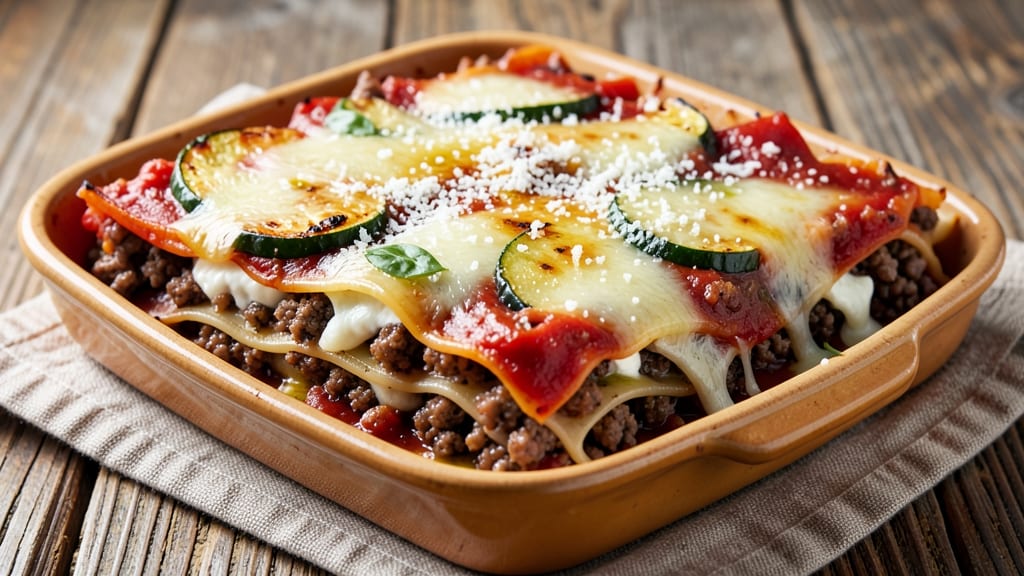
This beef and veggie lasagna recipe delivers layers of tender beef, roasted vegetables, and creamy cheese sauce that taste like a Sunday dinner every time. The secret lies in slow-cooked ground beef with rich tomato sauce and a mix of seasonal vegetables that stay crisp-tender through baking.
I've perfected this version to balance hearty flavors without becoming too heavy—each layer works together to create a dish that's comforting yet refined.
What sets this recipe apart is the combination of traditional techniques with modern shortcuts: no-boil noodles eliminate the need for pre-cooking, while roasting the vegetables ahead enhances their natural sweetness and texture.
The beef mixture is simmered until deeply flavorful, and the cheese layers melt into a golden, bubbly blanket that holds everything together. Every bite delivers a perfect harmony of savory meat, vibrant vegetables, and rich cheese.
The assembly process is straightforward but critical—proper layering ensures each component stays in place while baking. The result is a lasagna with tender beef that falls apart easily, vegetables that retain their texture, and a sauce that's neither too watery nor too thick.
This is the kind of lasagna that disappears quickly, leaving your kitchen smelling like a warm embrace and your guests asking for seconds.
Perfect for family dinners, potlucks, or meal prep, this lasagna keeps well for up to five days in the refrigerator, making it ideal for busy weeks.
Serve with a simple green salad and crusty bread to round out the meal. Let's get started on creating this comforting classic that feels like home.
Ingredients for beef and veggie lasagna
Six layers of comfort: tender beef, roasted veggies, and melty cheese that disappear fast.
| Ingredient | Amount | Notes |
|---|---|---|
| Ground Beef (Chuck Roast) 🥩 | 1 ½ lb | 80% lean for tenderness |
| No-Boil Lasagna Noodles 🍝 | 12 pieces | Standard 9x13-inch pan size |
| Marinara Sauce 🍅 | 2 ½ cups | Store-bought or homemade |
| Ricotta Cheese 🧀 | 15 oz | Part-skim for creaminess |
| Mozzarella Cheese (Shredded) 🧀 | 2 cups | Low-moisture preferred |
| Parmesan Cheese (Grated) 🧀 | ½ cup | Freshly grated from block |
| Large Eggs 🥚 | 2 whole | For ricotta mixture |
| Zucchini 🥒 | 1 medium | Sliced into 1/4-inch rounds |
| Bell Peppers (Assorted Colors) 🧅 | 1 whole | Sliced into 1/4-inch strips |
| Onion (Yellow) 🧅 | 1 medium | Diced into 1/4-inch pieces |
| Garlic Cloves 🧄 | 4 cloves | Minced for beef mixture |
| Olive Oil 🫒 | 2 tbsp | For roasting vegetables |
| Dried Oregano 🌿 | 1 tsp | Italian blend preferred |
| Salt 🧂 | 1 ½ tsp | Kosher or sea salt |
| Black Pepper 🌶️ | 1 tsp | Freshly ground preferred |
The beef is everything here—chuck roast gives that melt-in-your-mouth texture, not lean ground beef. Trader Joe's and Costco sell pre-ground chuck, but if you're buying whole, look for good marbling. The ricotta should be part-skim—full-fat works but can make the lasagna too heavy. For the veggies, roast them ahead until just tender—they'll stay crisp in the lasagna. I always grab a mix of bell peppers (red, yellow, green) for color and sweetness, but one color works too.
No ricotta? Cottage cheese blended smooth gets you close, but it's not the same. Short on mozzarella? Provolone melts better than cheddar and adds great flavor. The Parmesan needs to be freshly grated—pre-shredded gets clumpy. For the marinara, Rao's or Barilla are my go-tos, but homemade is worth it if you've got time. The no-boil noodles are a game-changer—they save 15 minutes and stay perfectly al dente. If you can't find them, regular lasagna noodles cooked al dente work in a pinch.
Assemble the lasagna the night before and refrigerate—it's even better the next day. Keeps 4-5 days in the fridge, freezes for 3 months (wrap tightly with foil). Leftovers reheat beautifully—cover with foil for 20 minutes at 350°F. I always make a double batch because it disappears faster than you'd think. Serve with a simple arugula salad and crusty bread to round out the meal.
Why You'll Love This Recipe
- No-Boil Magic: I swear by these lasagna noodles—just layer, bake, and walk away. No pre-boiling, no soggy mess, and honestly? That’s my kind of dinner.
- Rich Layers, Zero Guilt: The chuck roast stays juicy, the ricotta adds that creamy bite, and the mozzarella? It melts into pure satisfaction. Every forkful feels like a hug—no sad, dry bites here.
- Leftovers That Last: This recipe feeds my family of four and leaves enough for lunch the next day. I’ll be real: the second day is even better, with flavors melding perfectly.
- Budget-Friendly Feast: Ground chuck and pantry staples stretch to feed a crowd without breaking the bank. Plus, the no-boil noodles cut prep time—because who has energy for fancy techniques?
Step-by-step instructions for beef and veggie lasagna
Here's how to build layers of tender beef, roasted veggies, and creamy cheeses for lasagna that stays perfectly tender.
Roast the Vegetables Until Tender
Preheat your oven to 425°F. Toss the sliced zucchini, sliced bell peppers, and diced onion with 2 tablespoons olive oil, 1 teaspoon dried oregano, 1 teaspoon salt, and ½ teaspoon black pepper on a baking sheet. Spread them in a single layer—don't overcrowd or they'll steam instead of roast.
Roast for 20-25 minutes until the vegetables are tender and slightly caramelized at the edges. You'll know they're done when they yield slightly to gentle pressure and develop a golden hue. Remove from the oven and let them cool for 5 minutes before assembling the lasagna—this prevents soggy noodles.
Brown the Ground Beef and Sauté Garlic
While the vegetables roast, heat a large skillet over medium-high heat and add the 1.5 pounds ground beef (chuck roast). Break it apart with a wooden spoon and cook until it loses its raw color and begins to brown, about 5-7 minutes. Drain any excess fat that accumulates, leaving about 1 tablespoon in the pan for flavor.
Add the 4 minced garlic cloves and cook for 30 seconds until fragrant. Stir in ½ teaspoon salt and ½ teaspoon black pepper, then remove from heat. The beef should be fully cooked with no pink remaining—this ensures food safety while keeping the meat tender.
Prepare the Ricotta Mixture
In a medium bowl, combine the 15 ounces ricotta cheese, 2 large eggs, ½ cup grated parmesan cheese, ½ teaspoon salt, and ½ teaspoon black pepper. Mix gently with a fork until just combined—don't overmix or the ricotta will become grainy. The mixture should be thick but spreadable, like a loose custard.
This step is crucial for that creamy, tender layer between the noodles. If the ricotta seems too thick, add 1 tablespoon whole milk to loosen it slightly. Cover the bowl and set aside while you assemble the lasagna.
Assemble the Lasagna Layers
In a 9x13-inch baking dish, spread ½ cup marinara sauce on the bottom to prevent sticking. Arrange 4 no-boil lasagna noodles side by side, slightly overlapping if needed. Top with half of the roasted vegetables, half of the browned beef mixture, and half of the ricotta mixture. Sprinkle with 1 cup shredded mozzarella cheese. Repeat the layers exactly, ending with noodles, remaining vegetables, beef, ricotta, and mozzarella.
Drizzle the remaining 2 cups marinara sauce evenly over the top, then sprinkle with the remaining ½ cup parmesan cheese. The layers should be compact but not forced—this ensures even cooking and tender results.
Bake Until Bubbly and Golden
Cover the lasagna tightly with aluminum foil and bake at 375°F for 30 minutes. Remove the foil and bake for another 15-20 minutes until the top is golden brown and bubbly. The edges should look crisp, and the cheese should be slightly browned—this indicates the lasagna is fully cooked.
Let the lasagna rest for 10 minutes before slicing. This resting period allows the layers to set and prevents the filling from sliding out. Serve with a side salad or garlic bread for a complete meal—each bite will deliver tender beef, roasted veggies, and creamy ricotta perfectly balanced.
Pro Tips For Making Beef And Veggie Lasagna
- BROWN THE BEEF FIRST: Chuck roast ground beef releases more flavor when browned in batches—don’t skip this. Use a heavy pan and cook until it’s deep brown, not just pink, or your lasagna will taste like it’s missing something. (Yes, even if it means extra cleanup.)
- SALT THE RICOTTA: Unsalted ricotta is a flavor trap. Mix in ½ teaspoon of salt per 15 ounces before spreading it on the noodles—this balances the richness and stops you from wondering why it tastes bland. (I learned this after making lasagna that tasted like cheese and regret.)
- LAYER THE SAUCE LAST: Drown the top layer in marinara, not the bottom. The noodles at the bottom will absorb moisture first, and you want that top layer to stay saucy and flavorful. Trust me, your first slice will be worth the extra 30 seconds of patience.
- USE HALF THE MOZZARELLA: No-boil noodles don’t need a ton of cheese to glue them together—start with 2 cups of mozzarella and add more if needed. Too much cheese means a greasy, soggy mess. (I’ve been there, and it’s not pretty.)
Common mistakes when making perfect results
Overcooking the Beef
One of the biggest mistakes is overcooking the ground beef, which turns it dry and tough. I've learned that beef should be cooked until it's just browned and fully done (no pink), but not crispy.
Cook it in 5-7 minutes over medium-high heat, breaking it apart with a spoon. If you let it cook longer, the meat will release excess moisture that can make your lasagna watery. 🥩
Skipping the Vegetable Roast
Many people just sauté the vegetables instead of roasting them, which leads to mushy layers. Roasting at 425°F for 20-25 minutes brings out their natural sweetness and keeps them tender.
I always roast mine ahead of time—they stay crisp and flavorful in the lasagna. Never skip this step, even if you're in a hurry!
Incorrect Layer Order
The layering sequence matters more than you'd think. Starting with sauce on the bottom prevents sticking, but ending with cheese on top ensures a golden crust. I always do: sauce → noodles → veggies → beef → ricotta → mozzarella → repeat.
Mixing up the order can cause soggy noodles or a runny filling. Trust me, the layers are the secret to perfect texture!
Underestimating Rest Time
Cutting into lasagna too soon is a recipe for disaster—it'll slide apart and look messy. Always let it rest for 10-15 minutes after baking. This gives the layers time to set and the juices to redistribute.
I've seen people skip this and end up with a sloppy mess. Patience pays off with clean, perfect slices every time. ⏰
Using Wrong Cheese Types
Not all cheeses melt the same way. Pre-shredded mozzarella contains anti-caking agents that make it clump and release moisture, creating a watery lasagna. Always use low-moisture fresh mozzarella and grate it yourself.
For the ricotta, stick with part-skim—full-fat can make the dish too heavy. These small choices make a big difference in texture! 🧀
Baking Without Foil First
Skipping the initial foil cover during baking leads to a dry top layer. The foil traps steam, helping the lasagna cook evenly. I always bake covered for 30 minutes at 375°F, then uncover for the final 15-20 minutes to get that golden crust.
Without this step, you'll end up with a lasagna that's dry on top and still undercooked inside. 🔥
Nutrition facts
Frequently asked questions
Can I use regular lasagna noodles instead of no-boil?
Yes, but you'll need to cook them first to al dente (about 8-10 minutes less than package instructions). Drain well and toss with olive oil to prevent sticking. The no-boil noodles are a shortcut that saves time and keeps the lasagna perfectly tender without extra moisture.
How do I make this lasagna ahead of time?
Assemble the lasagna completely, cover tightly with foil, and refrigerate for up to 24 hours before baking. For best results, bake from cold at 375°F for 50-60 minutes (add 10-15 minutes uncovered at the end). It reheats beautifully—just cover with foil for 20 minutes at 350°F to warm through.
What if I don't have ricotta cheese?
Use 15 ounces cottage cheese blended smooth with 2 tablespoons milk to replace ricotta. For a richer texture, mix in ½ cup sour cream with the cottage cheese. The ricotta adds creaminess—without it, the lasagna will be slightly lighter but still delicious.
Can I add other vegetables to this recipe?
Try adding spinach, mushrooms, or eggplant (roasted with the other veggies). For heartier layers, include sautéed onions and carrots. Just be mindful of moisture—too many watery veggies (like zucchini) can make the lasagna soggy.
How do I prevent a watery lasagna?
Drain all excess liquid from the beef and vegetables before assembling. Use low-moisture mozzarella and avoid pre-shredded cheese (it contains anti-caking agents). Bake uncovered for the last 15-20 minutes to evaporate any excess moisture. A well-layered lasagna with proper rest time stays perfectly dry.