
Soups & Stews
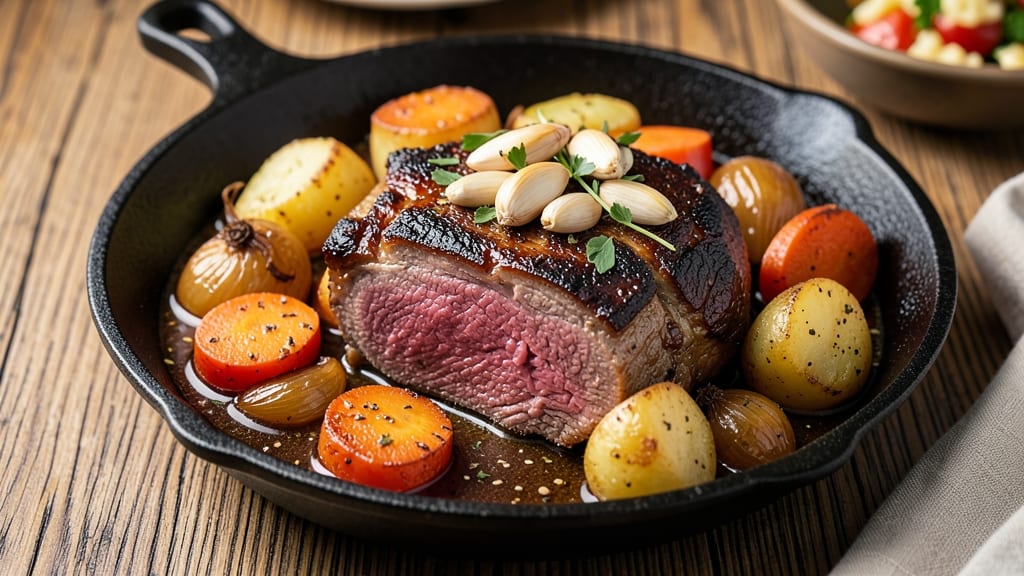
Slow-simmered beef anyhow delivers comfort in every bite—tender beef, hearty potatoes, and vegetables melded into a rustic stew that tastes like home. This classic recipe transforms tough cuts into melt-in-your-mouth perfection through a simple yet transformative slow-cooking process. The beauty lies in its adaptability: traditionalists can follow the original, while modern cooks can add herbs, wine, or spices for extra depth.
The foundation of great beef anyhow begins with properly browning the beef—this critical step develops deep, caramelized flavors that infuse the entire dish. After searing, the beef simmers gently with onions, carrots, and potatoes until everything is tender and the broth reduces to a rich, savory consistency.
The result is a dish that’s as satisfying as it is versatile, perfect for family dinners or potlucks.
What makes this recipe truly special is its ability to shine with minimal effort. While traditional versions rely on simple ingredients, modern twists like adding thyme, bay leaves, or a splash of red wine elevate it without complicating the process.
The slow simmer ensures the beef remains tender, while the potatoes absorb the flavors into a creamy, cohesive stew.
Serve it with crusty bread or dumplings to soak up every last drop of that flavorful broth. This dish proves that rustic cooking doesn’t require fancy techniques—just time, patience, and a few key steps. Let’s get started on creating a stew that’s as comforting as it is delicious.
Ingredients for beef anyhow
Sixteen ingredients transform tough beef into melt-in-your-mouth comfort, slow-simmered to perfection.
| Ingredient | Amount | Notes |
|---|---|---|
| Beef Chuck Roast 🥩 | 3 lb | Cut into 1.5-inch cubes |
| Yellow Onions 🧅 | 2 whole | Medium, sliced into wedges |
| Carrots 🥕 | 4 whole | Medium, peeled and chopped |
| Russet Potatoes 🥔 | 3 lb | Peeled and cut into chunks |
| Garlic Cloves 🧄 | 6 cloves | Minced for depth of flavor |
| Beef Broth 💧 | 4 cups | Low-sodium preferred |
| Red Wine 🍷 | 1 cup | Bold dry variety like Cabernet |
| Tomato Paste 🍅 | 2 tbsp | For rich, concentrated flavor |
| All-Purpose Flour 🌾 | 2 tbsp | For thickening the broth |
| Bay Leaves 🌿 | 2 whole | For aromatic depth |
| Fresh Thyme 🌿 | 1 tbsp | Leaves only, chopped |
| Salt 🧂 | 1 ½ tsp | Kosher or sea salt |
| Black Pepper 🌶️ | 1 tsp | Freshly ground |
| Butter 🧈 | 2 tbsp | For finishing the beef |
The beef is where this dish shines. Chuck roast is ideal—it's affordable and breaks down beautifully during the long simmer. Look for cuts with good marbling at Costco or local butchers; pre-cut cubes save time but cost more. If you're buying a whole roast, ask the butcher to cube it for you (they'll often do it free). For the potatoes, Russets hold up best to long cooking—they won't turn mushy. The onions and carrots can be prepped ahead, but don't peel the carrots until you're ready to cook. That keeps them fresher longer.
No red wine? Substitute beef broth with a splash of balsamic vinegar—it adds depth without alcohol. Fresh thyme is best, but dried thyme at one-third the amount works in a pinch. If you're using pre-minced garlic from a jar, toast it first in butter to bring out its flavor. For the tomato paste, Trader Joe's squeeze tubes are perfect—they're convenient and last months in the pantry. The flour helps thicken the broth, but if you're avoiding gluten, cornstarch works just as well. Just whisk it with a little cold water before adding.
This stew tastes even better the next day as flavors meld. Store in an airtight container in the fridge for up to 5 days, or freeze portions for 3 months. I like to make a double batch—one for dinner and one to freeze for lazy weeknights. The beef will be more tender after reheating, so don't rush it. If you're serving with bread, warm it in the oven while the stew simmers. The crusty texture soaks up the broth perfectly, making every bite even more satisfying.
Why You'll Love This Recipe
- One-Pot Magic: Between us, this recipe is that rare dish where you dump everything in one pot and walk away. No chopping boards, no extra pans—just the chuck roast, potatoes, onions, and carrots all simmering together until tender. My kids still think I’m a hero when I pull it off.
- Garlic-Glazed Goodness: That slow-cooked garlic? Oh, it’s chef’s kiss every time. The onions caramelize right into the beef, and the potatoes soak up all the rich, herby sauce—crispy edges, creamy middle, and a flavor so deep it’ll have your whole table asking for seconds.
- Budget-Buster for Big Nights: A chuck roast stretches further than you’d think, especially when paired with potatoes and veggies that cost next to nothing. It’s my go-to for game nights, family dinners, or when I need to feed a crowd without breaking the bank. Plus, the flavors are so satisfying, no one complains about the price tag.
Step-by-step instructions for slow-simmered beef and potato harmony
This method transforms tough beef into fork-tender perfection with rich, aromatic vegetables.
Sear the Beef Chuck Roast for Deep Flavor
Heat a large Dutch oven over medium-high heat until hot. Pat the 3 lb beef chuck roast completely dry with paper towels—this ensures maximum browning. Working in batches if needed, sear the beef on all sides until deeply browned, about 4-5 minutes per side. You're building flavor through the Maillard reaction, so don't rush this step.
Remove the beef and set it aside. Add the 2 whole yellow onions and 4 whole carrots to the pot, cutting them in half if they don't fit. Sear them for 5-6 minutes, stirring occasionally, until they begin to caramelize. This layer of flavor will infuse into your entire dish, so take your time.
Build the Aromatic Base with Wine and Broth
Return the seared beef to the Dutch oven. Add the 6 minced garlic cloves, 2 tbsp tomato paste, 1.5 tsp salt, and 1 tsp black pepper, stirring to coat everything evenly. Pour in the 1 cup red wine and scrape up any browned bits from the bottom—this deglazing captures all the flavor you've built so far.
Let the wine simmer for 2-3 minutes until it reduces by half, then add the 4 cups beef broth, 2 whole bay leaves, and 1 tbsp fresh thyme. Bring to a gentle boil, then reduce heat to low and cover partially. The liquid should barely bubble—this slow simmer is what transforms tough beef into tender perfection.
Add Potatoes and Simmer Until Tender
Add the 3 lb russet potatoes (cut into chunks) to the Dutch oven. Stir gently to distribute them evenly among the beef and vegetables. The potatoes will absorb the rich beef broth as they cook, becoming tender and infused with flavor. Cover and simmer for 1.5 hours, stirring occasionally to prevent sticking.
After 1.5 hours, check for doneness by piercing a potato chunk with a fork—it should slide in easily. If the potatoes aren't tender yet, continue simmering for another 30 minutes. The beef should be fork-tender as well, easily pulling apart with minimal resistance. If the liquid level gets too low, add a splash of water or broth to maintain moisture.
Finish with Butter for Richness and Serve
Once everything is tender, remove the 2 whole bay leaves from the pot. Stir in the 2 tbsp butter and let it melt completely, about 1-2 minutes. The butter will coat everything, adding a velvety finish to the dish. Taste and adjust seasoning if needed—you might need a bit more salt or pepper to balance the flavors.
Serve immediately, family-style, with the beef and potatoes mingling together in the rich sauce. Each bite should deliver tender beef, caramelized vegetables, and a deep, savory broth. This dish tastes even better the next day, so leftovers reheat beautifully—just add a splash of broth to loosen the sauce.
Pro Tips For Making Beef Anyhow
- CRANK THE HEAT FIRST: Sear the beef chuck roast in a screaming-hot Dutch oven for 3-4 minutes per side—don’t skimp. That crust locks in flavor and keeps the meat from drying out later, even when you’re slow-cooking it. (Yes, even if you’re impatient like me, resist the urge to rush this.)
- CUT POTATOES UNIFORM: Chop the russet potatoes into 1.5-inch chunks, not random sizes. They’ll cook at the same rate, so you won’t end up with mushy bits while others stay raw. I learned this the hard way—uneven potatoes ruin the whole dish.
- DON’T DROWN THE PAN: After browning the beef, add just enough liquid (broth or water) to come about halfway up the roast—no more. Too much steam softens the crust you just seared. (Your future self will thank you.)
- PEEL AND SLICE ONIONS LAST: Keep the onions whole until the very end, then slice them into the pot. This prevents them from turning to mush in the long cook. I was skeptical until I tried it—now I never peel them early.
Wine and beer pairings for beef anyhow
Red Wine Pairings
For this hearty beef anyhow, a bold Cabernet Sauvignon or Malbec mirrors the dish's rich, meaty flavors perfectly. The tannins in these reds cut through the fat while complementing the deep caramelized notes from the slow-cooked beef.
I love opening a bottle of Louis M. Martini Cabernet—its dark fruit and earthy undertones enhance every spoonful. 🍷
Beer Pairings
A malty amber ale or brown ale works beautifully with the stew's savory depth. Try Samuel Adams Boston Lager or Newcastle Brown Ale—their caramel and toasted malt notes harmonize with the caramelized onions and potatoes. For a lighter option, a crisp pilsner like Stella Artois provides refreshing contrast.
White Wine Substitutes
If you prefer white wine, a dry Chardonnay with noticeable oak adds a creamy texture that balances the dish's heartiness. I recommend Kendall-Jackson Vintner's Reserve—its buttery notes complement the butter finish. For something lighter, a Sauvignon Blanc like Kim Crawford brings bright acidity to cut through the richness.
Non-Alcoholic Options
For non-alcoholic pairings, try a sparkling apple cider like Martinelli's—its effervescence cleanses the palate between bites. Alternatively, a ginger beer like Feather's adds a zesty kick that pairs wonderfully with the stew's savory depth. Both options refresh without overpowering the dish's flavors.
Dessert Wine Bonus
Save room for a Port wine like Graham's 10-Year-Old after dinner. Its rich, fruity notes echo the beef's depth while providing a satisfying finish. The sweetness contrasts beautifully with the savory stew, making it a perfect palate cleanser. 🍷
Nutrition facts
Frequently asked questions
Can I use a different cut of beef besides chuck roast?
Yes! While chuck roast is ideal, you can substitute with brisket or stew meat (like short ribs). For best results, choose cuts with good marbling—they'll stay tender during the long simmer. Avoid lean cuts like sirloin, as they can dry out.
How do I make this dish in a slow cooker?
Brown the beef and vegetables first, then transfer everything to your slow cooker. Add the broth, wine, and seasonings, then cook on low for 7-8 hours or high for 4-5 hours. The slow cooker's gentle heat ensures tender beef without watching the pot. Stir occasionally if possible.
Why does my beef anyhow taste watery?
Watery stews usually mean too much liquid or insufficient simmering time. For thicker results, simmer uncovered for the last 15-20 minutes to reduce the broth. You can also mix 2 tbsp flour with cold water and stir it in to thicken. Avoid adding potatoes too early—they release starch that can make the broth thin.
Can I make beef anyhow ahead of time?
This dish tastes even better the next day as flavors meld. Store in an airtight container in the fridge for up to 5 days. Reheat gently on the stove with a splash of broth to restore moisture. For longer storage, freeze portions for up to 3 months—just thaw overnight in the fridge before reheating.
What's the secret to extra-tender beef?
The key is slow cooking at a low simmer (180-200°F) for at least 2 hours. This breaks down tough fibers without drying the meat. For extra tenderness, sear the beef well first (this creates flavorful crusts) and avoid boiling—keep the liquid just bubbling gently. The longer it cooks, the more fork-tender it becomes.