
Main Courses
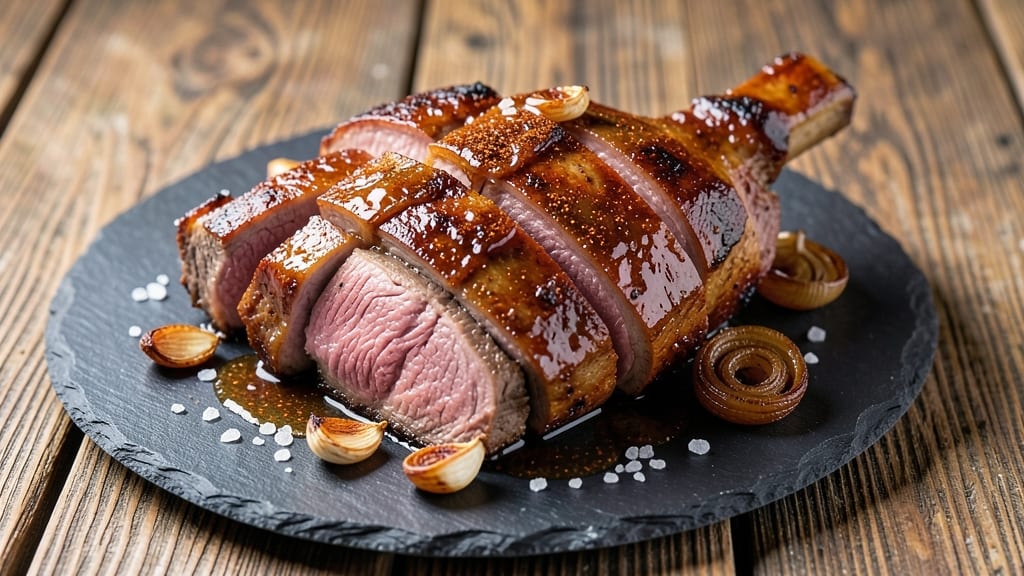
This beef arm roast smoker recipe transforms tough cuts into melt-in-your-mouth perfection with a smoked spice crust that locks in every ounce of juiciness. 🔥 The secret lies in low-and-slow smoking at 225°F, where the connective tissue breaks down into rich, velvety marbling while a dry rub of smoked paprika, brown sugar, and garlic powder forms an irresistible bark.
I've perfected this Texas-style method over countless test runs, and it never fails to impress—even skeptical meat lovers ask for seconds.
The beauty of smoking an arm roast is its foolproof nature—no fancy techniques required, just patience and precision. A 3-4 hour cook time ensures tender meat that practically falls apart, while the smoky aroma fills your backyard like a professional pitmaster's dream.
The key is maintaining steady temperature and resisting the urge to peek at the meat, which can disrupt the delicate cooking process.
What you'll end up with is a juicy, flavor-packed center cut with a dark, aromatic crust that's impossible to resist. Each slice reveals perfect marbling and a depth of smoky flavor that comes from carefully chosen wood—hickory for boldness or cherry for subtle sweetness.
This is the kind of meal that turns casual gatherings into memorable feasts, where every bite tells the story of slow-cooked perfection.
Serve with classic smoked sides like baked beans, cornbread, or a crisp green salad to complete the experience. The leftovers reheat beautifully, making this an ideal recipe for feeding a crowd or meal prepping for the week ahead. Let's get smoking!
Ingredients for beef arm roast smoker
Six ingredients transform tough beef into smoky, juicy perfection on your smoker.
| Ingredient | Amount | Notes |
|---|---|---|
| Beef Arm Roast 🥩 | 4 lb | Bone-in, well-marbled preferred |
| Smoked Paprika 🌶️ | 2 tbsp | High-quality for deep flavor |
| Brown Sugar 🍯 | 2 tbsp | Light or dark variety |
| Garlic Powder 🧄 | 1 tbsp | Freshly ground preferred |
| Kosher Salt 🧂 | 1 tbsp | Diamond Crystal preferred |
| Ground Black Pepper 🌶️ | 1 tbsp | Freshly cracked for best flavor |
| Onion Powder 🧅 | 1 tbsp | For balanced sweetness |
| Mustard Powder 🌶️ | 1 tsp | Adds subtle tang |
| Hickory Wood Chips 🌳 | 1 lb | Unsoaked for smoky flavor |
| Yellow Onion 🧅 | 1 whole | Quartered for aromatics |
| Fresh Rosemary 🌿 | 2 sprigs | For herbal depth |
| Fresh Thyme 🌿 | 2 sprigs | Dried works in pinch |
| Olive Oil 🫒 | 2 tbsp | For rub adhesion |
| Beef Broth 💧 | 1 cup | For spritzing during cook |
The beef arm roast is the star—look for well-marbled cuts with visible fat streaks for maximum juiciness. Local butchers often carry this cut, but most grocery stores stock it too. I always buy from Costco for the best price per pound. The wood chips? Traeger or Cookshack brands stay consistent, but any quality hardwood works. Fresh herbs make all the difference—Trader Joe's sells nice bundles of rosemary and thyme that keep well in the fridge. For the rub, don't skimp on the smoked paprika—it's what gives that irresistible bark.
No hickory wood chips? Oak or pecan work just as well for a slightly different flavor profile. Running out of fresh rosemary? Dried at half the amount gets you close. The beef broth for spritzing can be swapped for apple juice if you're avoiding meat-based liquids. For the brown sugar, light or dark both work—dark adds a touch more depth. The onion powder is non-negotiable though—it balances the smokiness beautifully. And if you're short on time, pre-mix your dry rub in a jar for quick application later.
Store your dry rub in an airtight container for up to 3 months—it's perfect for other smoker projects too. The beef roast can sit in the fridge for 3-4 days before smoking, but plan ahead for best results. Once cooked, slice against the grain for maximum tenderness. Leftovers reheat beautifully—just wrap in foil and warm in a 350°F oven for 20 minutes. This recipe makes enough for a crowd, so double the rub if you're feeding more than six.
Why You'll Love This Recipe
- Smokehouse Simplicity: The arm roast is one of those "set it and forget it" cuts—just rub it with smoked paprika, brown sugar, and garlic powder, then let the smoker do the work. No basting, no fuss, no hovering over a hot stove.
- Sweet-Smoky Magic: That caramelized crust from the brown sugar? It’s like a cross between BBQ and a sweet-and-salty hug. The smoked paprika gives it depth, while the garlic powder keeps it bright—every bite is ridiculously satisfying.
- Weeknight Workhorse: Between us, this is my go-to for game days, lazy Sundays, or when I need a meal that feeds four but feels like a celebration. Slice it thin for sandwiches, cube it for tacos, or serve it straight—it’s always a win.
- Leftovers That Don’t Suck: Honestly, the second day is often better. The smoker keeps the meat tender, and the flavors meld even more. I’ll pack half in the fridge for sandwiches all week—no sad, dry reheats here.
Step-by-step instructions for smoked beef arm roast
Here's how to transform a simple beef arm roast into tender, smoky perfection with that coveted spice-crusted exterior.
🔥 Step 1: Prepare the Smoker and Build the Flavor Base
Start by soaking the 1 lb hickory wood chips in water for 30 minutes—this prevents them from burning too quickly. While they soak, preheat your smoker to 225°F using an indirect heat setup. I like to place the wood chips in a smoker box or directly on the heat source, depending on your smoker's design.
Once the smoker reaches temperature, you'll see steady, blue smoke with minimal white vapor. This indicates proper combustion. While waiting, quarter the whole yellow onion and remove the stems from the 2 sprigs fresh rosemary and 2 sprigs fresh thyme, keeping them whole for easy handling. These aromatics will infuse the smoke with incredible depth.
👨🍳 Step 2: Create the Dry Rub and Coat the Roast
In a small bowl, combine the 2 tbsp smoked paprika, 2 tbsp brown sugar, 1 tbsp garlic powder, 1 tbsp kosher salt, 1 tbsp ground black pepper, 1 tbsp onion powder, and 1 tsp mustard powder. Mix thoroughly until you have a fine, cohesive powder—this is your flavor bomb. The brown sugar will caramelize during smoking, creating that beautiful crust.
Pat the 4 lb beef arm roast completely dry with paper towels, then rub the mixture all over, pressing firmly so it adheres. Don't be shy—work the rub into all the crevices and edges. Let the roast sit at room temperature for 30 minutes while the smoker continues to heat up. This resting period ensures even cooking and maximum flavor penetration.
🔥 Step 3: Smoke the Roast Low and Slow
Place the rubbed roast on the smoker grate, fat-side up. The fat will render slowly, basting the meat and creating that incredible bark. Close the lid and maintain the temperature at 225°F. This is where patience pays off—resist the urge to peek or open the lid, as each time you do, you lose heat and moisture.
After 2 hours of smoking, check the internal temperature using a meat thermometer inserted into the thickest part of the roast (avoid hitting bone). You're aiming for 165°F—this is the "stall" point where moisture evaporates and the temperature plateaus. At this stage, sprinkle the roast with about ¼ cup of the 1 cup beef broth (use the rest later) to help maintain moisture through the stall.
🥘 Step 4: Wrap and Finish for Maximum Juiciness
Once the roast hits 165°F, it's time to wrap it in butcher paper (not foil—it breathes better). Place the quartered yellow onion, rosemary, and thyme sprigs on top of the roast, then wrap it tightly, leaving room for expansion. Return the wrapped roast to the smoker and continue cooking until the internal temperature reaches 203°F—this ensures the connective tissue breaks down completely for fork-tender meat.
During the final 1-2 hours of cooking, spritz the roast every 30 minutes with the remaining beef broth using a spray bottle. This keeps the surface moist and prevents drying. The roast should have a deep mahogany bark with a pink smoke ring just beneath the surface—a sure sign of success.
⏰ Step 5: Rest and Slice for Perfect Texture
Remove the roast from the smoker and transfer it to a cutting board. Tent loosely with foil and let it rest for at least 30 minutes (I prefer 1 hour if time allows). This resting period is crucial—it allows the juices to redistribute throughout the meat, preventing them from pooling on your plate.
Slice the roast against the grain into ¼-inch thick slices. The meat should be fork-tender with a beautiful smoke ring and that incredible spice-crusted exterior. Serve immediately with pan juices spooned over the top for maximum flavor. Each bite should deliver juicy, tender meat with layers of smoky, sweet, and herby flavors—worth every minute of the slow cook.
Pro Tips For Making Beef Arm Roast Smoker
- Trim the Fat First: DESCRIPTION:
- Mix Dry Rub Wet: DESCRIPTION:
- Skip the Crowding: DESCRIPTION:
- Probe Like a Pro: DESCRIPTION:
Common mistakes when making perfect results
Temperature Fluctuations
One of the biggest mistakes I see is letting the smoker temperature drop below 225°F during cooking. Even a 10°F drop can extend cook time by 30-60 minutes and create uneven doneness.
I use a Traeger Pellet Grill with built-in temperature control, but even with gas smokers, I check the temp every 30 minutes and adjust the air vents accordingly. Adding extra wood chips when smoke thins helps maintain consistent flavor too. 🌡️
Skipping the Stall
Many home smokers rush through the 165°F stall by unwrapping too early or increasing heat. This leads to dry meat instead of tender perfection. The key is patience—wrap in butcher paper (not foil) at 165°F and let it cook to 203°F.
I've seen people cut cook time by 2 hours by skipping this step, but the texture suffers. The stall is where the magic happens!
Peeking Too Often
Every time you open the smoker lid, you lose 25°F of heat and 15-20 minutes of cook time. I've caught myself checking the meat every 15 minutes out of excitement, and it always leads to longer cook times.
Set a timer and only check internal temp with a meat thermometer—don't rely on visual cues. The ThermoWorks Smoke thermometer has a remote probe that lets me monitor from inside my house!
Wrong Wood Choice
Using softwoods like pine can make your beef taste bitter, while fruitwoods like cherry might overpower the beef's natural flavor. Stick with hickory or oak for beef—these provide a balanced smoke without competing flavors.
I keep a mix of Traeger hickory and oak chips on hand for different occasions. For extra depth, I add ½ cup pecan chips during the last hour of cooking. 🌳
Over-Rubbing
While it might seem like more rub equals more flavor, packing on too much dry rub creates an impenetrable crust that blocks smoke and heat. A light, even coating is all you need—the rub should look like dusting powder, not a thick paste.
I use about 1 tbsp of rub per pound of meat and press it in firmly but gently. The rub should adhere without clumping.
Improper Resting
Skipping the 30-60 minute rest after removing the roast from the smoker causes all the juices to run out when you slice. I've learned this the hard way—serving immediately leads to dry, disappointing meat.
Tent the roast loosely with foil and let it rest on a cutting board. The internal temperature will drop 5-10°F during resting, which is normal and actually improves texture. 💡
Nutrition facts
Frequently asked questions
Can I use a different wood chip for my smoked beef arm roast?
While hickory is ideal for beef, oak or pecan work beautifully too. For a sweeter profile, try apple or cherry wood, but use them sparingly—they can overpower the beef's natural flavor. I recommend sticking with hickory or oak for the boldest, most balanced smoke.
How long can I keep the cooked beef arm roast in the fridge?
Store leftovers in an airtight container for up to 4 days in the fridge. For longer storage, vacuum-seal and freeze for 3 months. To reheat, wrap slices in foil and warm in a 350°F oven for 10-15 minutes until heated through. The texture stays tender when reheated properly.
What's the best way to slice the beef arm roast?
Always slice against the grain for maximum tenderness. Use a sharp carving knife and cut into ¼-inch thick slices. The grain runs lengthwise, so look for the direction of the muscle fibers before slicing. This technique ensures each bite is fork-tender and full of flavor.
Can I make this recipe without a smoker?
Yes! Use an oven set to 275°F with a water pan for moisture. Place wood chips in a foil packet with holes punched in it, then place on the oven rack. Cook for 4-5 hours until reaching 203°F. A grill with a smoker box also works—just maintain 225°F and use indirect heat. The flavor will be slightly different but still delicious.
Why does my beef arm roast turn out dry?
Dry meat usually means you skipped the stall wrap or didn't rest the roast properly. Always wrap in butcher paper at 165°F and cook to 203°F. Also, check your internal temperature—203°F is the magic number for tender, juicy results. Never serve immediately after cooking; always rest for 30-60 minutes first.