
Sauces & Condiments
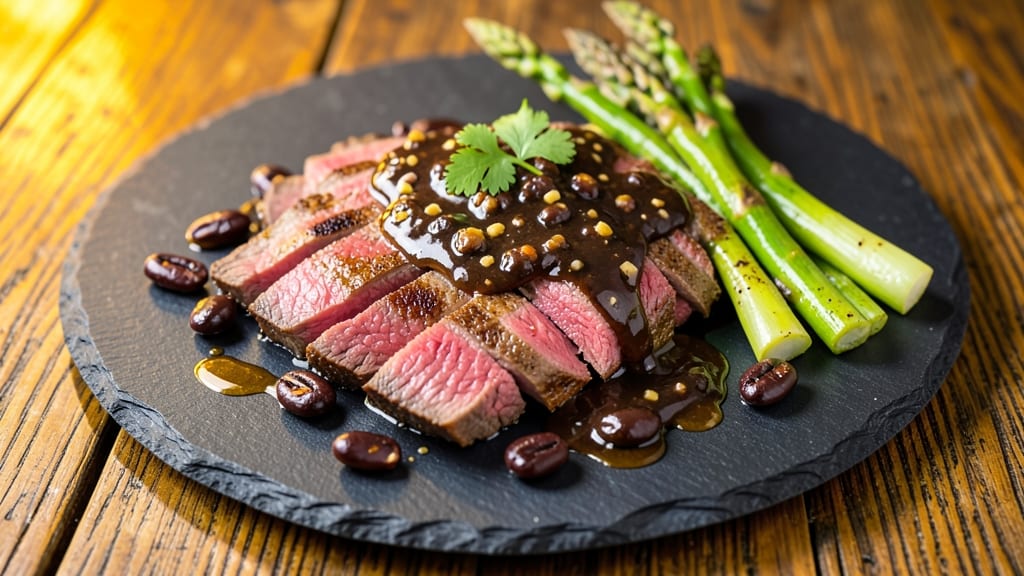
This beef asparagus black bean sauce recipe delivers restaurant-quality stir-fry flavors in just 25 minutes—no takeout required. The secret lies in balancing tender beef, crisp asparagus, and a rich black bean sauce packed with umami depth. After years of perfecting stir-fry techniques, I've developed a method that ensures every component cooks to perfection without crowding the pan.
The sauce is where the magic happens—black beans blended with garlic, ginger, and soy create a velvety base that clings to the beef and asparagus. The key is high-heat searing for the beef first, then quickly adding vegetables to maintain their crisp texture.
This approach guarantees tender meat and vibrant greens in every bite, all while keeping the sauce from turning watery.
What you'll end up with is a dish that's hearty yet balanced: perfectly seared beef strips, bright green asparagus spears, and a glossy black bean sauce that ties everything together.
The flavors develop as you cook, creating a harmony of smoky, savory, and slightly sweet notes that make this stir-fry a weeknight standout.
Serve over jasmine rice or steamed cauliflower rice for a lighter option, and don't forget the garnish—sesame seeds and sliced green onions add freshness and texture. This recipe scales beautifully for leftovers, making it perfect for meal prep. Let's get cooking!
Ingredients for beef asparagus black bean sauce
The foundation of this umami-rich stir-fry: tender beef, crisp asparagus, and a velvety black bean sauce.
| Ingredient | Amount | Notes |
|---|---|---|
| Flank Steak 🥩 | 1 lb | Thinly sliced against grain |
| Asparagus Spears 🥬 | 1 lb | Trimmed, tough ends removed |
| Black Beans 🫘 | 1 can | No-salt-added, drained and rinsed |
| Garlic Cloves 🧄 | 6 cloves | Minced finely for sauce |
| Fresh Ginger 🌿 | 1 tbsp | Finely grated, peeled |
| Low-Sodium Soy Sauce 🥄 | ¼ cup | For umami depth |
| Sesame Oil 🫒 | 1 tbsp | Toasted, for aroma |
| Honey 🍯 | 1 tbsp | For subtle sweetness |
| Rice Vinegar 💧 | 1 tbsp | White or seasoned |
| Vegetable Oil 🫒 | 2 tbsp | High smoke point |
| Jasmine Rice 🍚 | 1 ½ cups | Uncooked, for serving |
| Sesame Seeds 🌾 | 1 tsp | Toasted for garnish |
| Green Onions 🧅 | 3 whole | Sliced thin for garnish |
| Red Pepper Flakes 🌶️ | ½ tsp | Optional for heat |
| Diamond Crystal Kosher Salt 🧂 | 1 tsp | For seasoning |
The flank steak is non-negotiable for this dish—its lean yet tender texture holds up perfectly to the stir-fry process. Look for center-cut steak at your butcher or grocery store's meat counter, as it's less likely to have connective tissue. Costco or Whole Foods often carry high-quality cuts, but even standard grocery stores stock reliable options. Slice it against the grain into ¼-inch strips for maximum tenderness. Asparagus should be bright green and firm—avoid wilted or rubbery spears. Trim the tough ends and snap the stalks naturally to test freshness. For the black beans, no-salt-added is crucial to control the final seasoning.
Substitutions are possible, but they'll alter the dish's balance. Swap flank steak for sirloin or ribeye if needed, but slice it thinner to compensate for the extra fat. No fresh ginger? Ground ginger works at half the amount, but fresh is ideal for that bright, zesty kick. The soy sauce can be regular, but low-sodium gives you better control over salt levels. For a vegan version, replace honey with maple syrup and use vegetable broth instead of water in the sauce. The rice vinegar adds brightness—if you only have apple cider vinegar, use it, but reduce to ½ tablespoon to avoid overpowering. Toast the sesame seeds in a dry pan for 30 seconds to deepen their flavor before using.
Prep the asparagus and beef 15 minutes ahead to streamline cooking—store them separately in the fridge until ready to use. The sauce keeps well in the fridge for up to 5 days, though it's best fresh. For meal prep, double the sauce and store it in an airtight container; reheat gently before using. The jasmine rice can be cooked in advance and stored for 2 days in the fridge, or frozen for up to 3 months. Garnishes like sesame seeds and green onions should be added right before serving to preserve their freshness and vibrant color. This dish reheats beautifully—just warm through in a skillet with a splash of water to maintain moisture.
Why You'll Love This Recipe
- One-Pan Magic: I swear by this for nights when I’d rather not scrub three bowls. The flank steak and asparagus cook right alongside the black beans—no flipping between pans, no mess. Just slice, sear, and let the sauce do its thing while I pretend I’m not actually cooking.
- Umami Bomb: That black bean sauce? It’s the star. The ginger and garlic hit first with a sharp kick, then the beans soften into this rich, slightly sweet base that clings to the beef like it’s been marinating for days. (Honestly, I’ve made it with canned beans and it’s still insane.)
- Weeknight to Dinner Party: Same recipe, totally different vibes. Serve it over rice with a squeeze of lime for my lazy Tuesday, or plate it on a bed of greens with toasted sesame seeds for when my in-laws drop by. The sauce thickens beautifully—no one will guess it’s a 20-minute meal.
- Budget-Friendly Powerhouse: Flank steak stretches across two meals without breaking the bank, and the asparagus? I buy it frozen half the time. The black beans add protein and fiber for pennies, while the garlic and ginger make it taste like I spent hours. Leftovers reheat like a dream—better the next day, if you can believe it.
Step-by-step instructions for beef asparagus black bean sauce
Master this umami-rich stir-fry with precise timing and flavor balance for a restaurant-quality meal.
Prepare the Flank Steak and Rice
Slice the 1 lb Flank Steak thinly against the grain into ¼-inch strips—this ensures tender bites. Pat dry with paper towels and season generously with 1 tsp Diamond Crystal Kosher Salt and 0.5 tsp Red Pepper Flakes. Let it sit at room temperature for 15 minutes while you prepare the rice.
Rinse the 1.5 cups Jasmine Rice thoroughly under cold water until the water runs clear. Combine with 3 cups water in a pot, bring to a boil, then reduce heat to low, cover, and simmer for 15 minutes. Remove from heat and let steam, covered, for 10 minutes. Fluff with a fork before serving—this prevents gummy texture.
Stir-Fry the Steak and Asparagus
Heat 1 tbsp Vegetable Oil in a wok or large skillet over high heat until shimmering. Add the steak strips in a single layer and sear undisturbed for 1-2 minutes until deep golden brown on the bottom. Flip and cook another 30 seconds—the steak should reach 145°F internally. Remove and set aside.
In the same pan, add the remaining 1 tbsp Vegetable Oil and 1 lb Asparagus Spears. Stir-fry for 3-4 minutes until bright green and crisp-tender, tossing frequently. The asparagus should snap when bent but still offer slight resistance. Remove and combine with the steak.
Build the Black Bean Sauce
Lower heat to medium and add 1 tbsp Sesame Oil to the pan. Sauté the 6 cloves minced Garlic Cloves and 1 tbsp Fresh Ginger for 30 seconds until fragrant—don’t let them brown. Pour in the 0.25 cup Low-Sodium Soy Sauce, 1 tbsp Rice Vinegar, and 1 tbsp Honey, stirring constantly for 1 minute until slightly thickened.
Add the 1 can drained and rinsed Black Beans and 1 tbsp toasted Sesame Seeds, tossing to coat. Return the steak and asparagus to the pan, mixing everything together for 2 minutes until evenly coated. The sauce should cling to the ingredients without pooling—if too thick, add 1-2 tbsp water to loosen.
Finish and Serve
Garnish with 3 sliced Green Onions and adjust seasoning with an extra pinch of Diamond Crystal Kosher Salt if needed. Serve immediately over the fluffed Jasmine Rice, ensuring each bite delivers tender steak, crisp asparagus, and rich black bean sauce. The dish should balance sweet, salty, and umami flavors with a subtle heat from the red pepper flakes.
For best results, serve while the rice is warm and the steak retains its juiciness. The sauce will thicken slightly as it cools, so adjust consistency with a splash of water if needed before serving.
Pro Tips For Making Beef Asparagus Black Bean Sauce
- SEAR THE STEAK FAST: High heat for 2-3 minutes per side—don’t walk away. I learned this the hard way: letting the pan cool mid-sear means gray, rubbery beef instead of that caramelized crust you’re after. Keep the flame screaming hot and move the steak once, just once.
- TRIM THE ASPARAGUS RIGHT: Snap off the woody ends with a sharp bend—no knife needed. Over-trimming turns your asparagus into matchsticks, and under-trimming means a chewy bite. Test one spear first: if it snaps cleanly, you’re golden.
- SOAK BEANS IF THEY’RE DRY: Even canned beans benefit from a quick 10-minute soak in warm water to soften skins and remove excess starch. I skip this when I’m lazy, but the sauce clings better to the beef afterward—no slimy texture or grainy consistency.
- GINGER SHOULD SINGE: Toss minced ginger into the hot pan before garlic—let it sizzle for 10 seconds until fragrant. Sounds weird, but it works: the raw ginger flavor mellows into something warm and complex instead of biting. (Yes, even if you’re impatient like me.)
Serving suggestions for leftovers
Garnish Like a Pro
Toast 1 tsp sesame seeds in a dry skillet for 30 seconds until golden and fragrant—this adds nutty depth. Pile the stir-fry on a platter and scatter the seeds evenly over the top.
Slice 3 green onions thinly on the bias for a pop of color and freshness. A drizzle of extra sesame oil (just ½ tsp) elevates the dish with aromatic richness. 🌟
Rice Variations
Swap jasmine rice for brown rice (cook time: 45 minutes) for a nuttier base. For a low-carb option, serve over cauliflower rice sautéed with 1 tbsp garlic-infused oil for 3 minutes.
If you prefer texture, try forbidden black rice—its deep purple hue makes the dish look stunning. Always cook rice to al dente for best results.
Sauce Adjustments
Need more heat? Stir in ½ tsp gochujang or ½ tsp sriracha when combining the sauce with ingredients. For extra umami, add 1 tbsp miso paste to the sauce base.
If the sauce is too thick, thin with 1 tbsp water or vegetable broth. For a smoky twist, add ½ tsp smoked paprika to the sauce ingredients. 🔥
Plating Presentation
Use a wide, shallow bowl to showcase the dish's vibrant colors. Arrange asparagus spears in a circular pattern around the edges, with beef strips fanned in the center. Spoon the sauce generously over the top for visual appeal.
A sprinkle of crushed red pepper flakes adds both color and a subtle kick. Serve family-style for an interactive dining experience.
Meal Prep Tips
Cook the rice and sauce separately, then store in airtight containers for up to 3 days. Keep the beef and asparagus raw until ready to cook to maintain freshness. Reheat the stir-fry in a skillet with 1 tbsp water over medium heat for 3-4 minutes, stirring constantly.
The sauce may thicken further—thin with water if needed. Garnish fresh after reheating for the best flavor and texture. ⏰
Nutrition facts
Frequently asked questions
Can I use frozen asparagus instead of fresh?
Fresh asparagus gives the best texture, but frozen works in a pinch. Thaw it completely first, then pat dry thoroughly to prevent excess moisture in the pan. For optimal results, trim the ends and cut spears into 1-inch pieces—this helps them cook faster and more evenly in the stir-fry. The flavor won't be as vibrant, but the dish will still be delicious.
How do I prevent the beef from getting tough?
Slice the beef thinly against the grain and pat it completely dry before cooking. High heat searing for 1-2 minutes per side creates a flavorful crust while keeping the inside tender. Never overcrowd the pan—cook in batches if needed. The key is quick cooking over high heat to maintain juiciness.
Can I make this recipe without a wok?
A large skillet or deep frying pan works perfectly. Just make sure it has high sides to prevent splatter. Use a 12-inch pan for best results, and keep the heat at high to mimic wok cooking. A cast iron skillet retains heat exceptionally well, making it ideal for this dish.
What if I don't have sesame oil?
You can substitute with neutral oil like vegetable or canola, but you'll miss the aromatic depth. For a similar flavor, add ½ tsp toasted sesame seeds directly to the sauce at the end. If you have avocado oil, it works well for high-heat cooking but lacks the nutty aroma.
How can I make this dish spicier?
Add ½ tsp gochujang or ½ tsp sriracha to the sauce ingredients, or sprinkle ½ tsp crushed red pepper flakes directly over the finished dish. For extra heat, mix 1 tsp chili crisp into the sauce at the end. Always taste as you go—start with less and adjust to preference.