
Soups & Stews
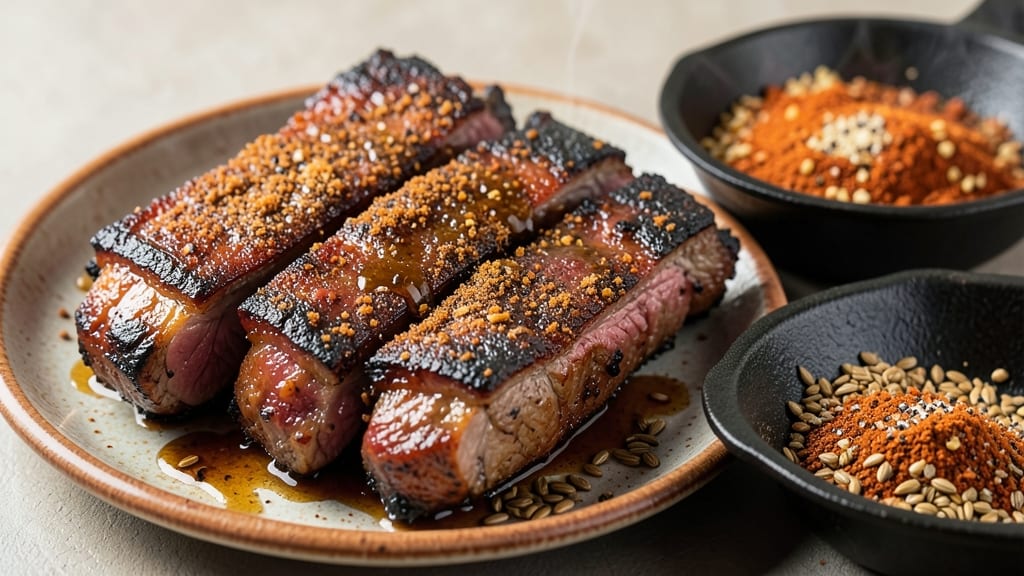
This beef back rib rub recipe transforms tough ribs into melt-in-your-mouth perfection with just a few simple spices. The secret lies in balancing sweet, smoky, and savory notes that penetrate deep during the cook.
I developed this blend after years of testing—it’s the one that finally delivers that coveted fall-off-the-bone tenderness every time.
The magic happens in the combination: coarse brown sugar caramelizes beautifully, while smoked paprika and black pepper add depth without overpowering. A touch of garlic powder and onion powder ensures every bite carries that classic ribhouse flavor.
The blend is designed to be applied generously—1–2 hours before grilling or smoking—so the spices adhere and develop a flavorful crust.
What you’ll end up with is ribs so tender they practically dissolve at the touch of a fork, with a dark, crackling bark that’s impossible to resist. This rub works equally well for the grill, smoker, or oven, making it versatile for any cooking method.
The spices are measured precisely to ensure perfect balance, so you don’t need to adjust—just mix, apply, and cook.
Perfect for game day, backyard BBQs, or a special weekend meal, this rub turns a simple protein into a showstopper. Store any leftovers in an airtight container for up to 6 months—though you’ll likely use it all in one session. Here’s how to make it.
Ingredients for beef back rib rub
Eight simple spices that turn tough ribs into melt-in-your-mouth perfection every time.
| Ingredient | Amount | Notes |
|---|---|---|
| Coarse Brown Sugar 🍚 | ½ cup | Light or dark, not powdered |
| Smoked Paprika 🌶️ | 2 tbsp | Honduran or Spanish for best smoke |
| Garlic Powder 🧄 | 1 tbsp | Freshly ground preferred |
| Onion Powder 🧅 | 1 tbsp | Not onion salt |
| Ground Black Pepper 🌶️ | 1 ½ tbsp | Freshly cracked preferred |
| Kosher Salt 🧂 | 1 ½ tbsp | Diamond Crystal preferred |
| Ground Mustard 🌿 | 1 tsp | Dijon for extra tang |
| Ground Cumin 🌿 | ½ tsp | Toasted for deeper flavor |
The brown sugar is non-negotiable—it caramelizes during cooking for that coveted dark bark. Trader Joe's has the best coarse variety (no clumping), but any light or dark brown sugar works. For smoked paprika, Penzeys or bulk bins at Whole Foods give you the most authentic flavor, but regular grocery store brands are fine if they're fresh. The black pepper needs to be freshly ground—pre-ground loses its punch fast. I always grab extra because you'll want to use it on everything after making this rub.
No smoked paprika? Regular paprika plus a pinch of liquid smoke gets you close. Running out of cumin? Corriander at double the amount works in a pinch. The mustard adds depth, but if you're avoiding it, extra garlic powder will bridge the gap. For extra heat, add a pinch of cayenne—just don't tell anyone I said that. This blend keeps its kick for 6 months in an airtight container, so make a big batch. Trust me, you'll use it all before you know it.
Store your rub in a glass jar with a tight seal—plastic absorbs flavors over time. The spices get even more potent as they age, so this is one of those mixes you'll want to keep making. I portion mine into small containers for easy access during grilling sessions. The rub works on pork ribs too—just cut the brown sugar to half and add a dash of cinnamon for balance.
Why You'll Love This Recipe
- Five-Ingredient Magic: I swear, this rub takes three minutes to mix—just dump everything in a bowl and stir. No fancy techniques, no measuring cups that make you question your life choices. That coarse brown sugar? It clings to the ribs like a hug, and the smoked paprika adds this deep, smoky warmth that’s impossible to resist.
- Sweet-Smoky Bomb: Between us, the combo of garlic powder and onion powder in that rub is chef’s kiss—it’s got this perfect balance of sweetness from the sugar and a kick from the paprika that makes your ribs taste like they’ve been slow-cooked for hours. Honestly, I’ve had people ask if I spent all day on it, and I just laugh because the truth is out.
- Tailgate or Tuesday: Here’s what sold me—this rub works everywhere. Grilling for a crowd? Slap it on. Weeknight dinner? Same rub, same delicious result. I’ve even used it on chicken thighs when I was lazy, and no one batted an eye. It’s that good, that reliable.
Step-by-step instructions for smoky-spiced beef back rib rub
Here's how to mix this rub perfectly for ribs that practically melt in your mouth.
Measure All Ingredients Precisely
Start by gathering all ingredients in their exact amounts. I like to use a digital scale for the spices to ensure accuracy—especially with the 0.5 cup coarse brown sugar and 0.5 teaspoon ground cumin, where small variations make a big difference. The coarse texture of the brown sugar is crucial; it helps create that beautiful bark on the ribs.
Place each ingredient in its own small bowl. This keeps your workspace organized and prevents cross-contamination between spices. I always use separate spoons for each ingredient—this prevents flavors from bleeding between them. The freshly ground spices will have more vibrant flavor, so if you have a spice grinder, now's the time to use it.
Mix the Dry Ingredients Thoroughly
In a large mixing bowl, combine the 2 tablespoons smoked paprika, 1 tablespoon garlic powder, 1 tablespoon onion powder, 1.5 tablespoons ground black pepper, 1.5 tablespoons kosher salt, 1 teaspoon ground mustard, and 0.5 teaspoon ground cumin. Use a whisk to break up any clumps in the spices—this ensures even distribution throughout the rub.
Mix these dry ingredients together for about 1-2 minutes until you see no more streaks of individual spices. The paprika will give the rub its signature smoky depth, while the mustard adds a subtle tang that cuts through the richness of the meat. This dry blend forms the flavor foundation of your rub, so take your time here.
Incorporate the Brown Sugar
Add the 0.5 cup coarse brown sugar to the dry spice mixture. Unlike powdered sugar, the coarse texture helps create that prized bark on the ribs while still allowing the spices to penetrate the meat. Use your hands to gently work the sugar into the spice mixture—this helps break up any remaining clumps and creates a more cohesive texture.
Continue mixing until the sugar is evenly distributed throughout the spices. You should end up with a slightly grainy, free-flowing powder that clings well to your fingers. The brown sugar will caramelize during cooking, creating that beautiful dark crust while adding just enough sweetness to balance the smoky, spicy flavors. If the mixture feels too dry, you can add a few drops of water to help it bind, but it should still maintain a loose, crumbly texture.
Test and Adjust the Rub
Before applying the rub to your ribs, I always do a quick taste test. Sprinkle a small amount on your tongue—you should taste the smokiness from the paprika, the warmth from the cumin, and a subtle sweetness from the brown sugar. The mustard adds a slight tang that prevents the rub from being too one-dimensional.
If you find the rub too sweet, add a pinch more black pepper or salt. If it needs more depth, add a tiny bit more smoked paprika. Remember, the rub should complement the natural flavors of the beef, not overpower them. Once you're satisfied with the flavor balance, transfer the rub to an airtight container for storage.
Store and Apply Your Rub
Transfer the completed rub to an airtight container with a tight-sealing lid. I like to use a small jar with a screw-top lid, which makes it easy to shake out just the right amount when you're ready to cook. Store your rub in a cool, dark place—like a pantry—for up to 3 months. The spices will gradually lose their potency over time, so using it within this window ensures maximum flavor.
When you're ready to use your rub, apply it generously to your beef back ribs, pressing it firmly into the meat so it adheres well. Let the ribs sit at room temperature for 30 minutes before cooking to allow the rub to penetrate the surface. This step makes all the difference in creating that perfect bark and ensuring tender, fall-off-the-bone meat.
Pro Tips For Making Beef Back Rib Rub
- CRUSH THE SUGAR: I used to just eyeball the coarse brown sugar, but now I pulse it in a food processor for 10 seconds—just enough to break up the big crystals without turning it into powder. This makes the rub stick better to the meat and melts evenly during cooking.
- SMEAR THE RIB: Skip tossing the ribs in the dry rub like you’re seasoning chicken. Instead, mix the spices with a little oil (just enough to make a paste) and slather it on the meat—especially the bone side. The fat will render better and the crust will be deeper.
- DON’T SKIP THE REST: After applying the rub, let the ribs sit uncovered in the fridge for at least 2 hours (overnight is ideal). I learned this the hard way—rushing it means the sugar burns before the meat cooks through, turning your ribs into a sticky, bitter mess.
- DOUBLE THE SMOKED PAPRIKA: This isn’t a typo—use twice the amount of smoked paprika called for in most recipes. The other spices are good, but smoked paprika is the flavor anchor. If you’re worried about heat, balance it with a pinch more onion powder, but don’t cut back.
Make-ahead tips for this recipe
Prep Ahead for Perfect Bark
Mix your rub up to 3 days in advance and store it in an airtight container—this gives the spices time to meld together for deeper flavor. I like to portion it into small jars so I can grab it quickly when I'm ready to cook.
The longer you store it before applying, the more intense the flavor becomes, especially the smoky notes from the paprika. 🌶️
Rib Prep Timeline
Plan your cooking timeline with this 48-hour prep guide: Start by trimming excess fat from your ribs 2 days ahead and storing them uncovered in the fridge. This helps dry the surface, which is crucial for that perfect bark.
The day before cooking, apply the rub generously and let them rest uncovered in the fridge overnight. This step ensures maximum flavor penetration and prevents soggy bark.
Smoker/Oven Prep Shortcut
If you're using a smoker or oven, prep your ribs 12-24 hours ahead by applying the rub and storing them in the fridge. When you're ready to cook, simply bring them to room temperature for 30 minutes before placing them in your smoker set to 225°F.
This shortcut saves you time while still delivering that incredible bark and tender meat. The rub stays potent even after being refrigerated for this long.
Freezer-Friendly Option
Make a double batch of the rub and freeze half in ice cube trays for later use. Pop out just what you need when you're ready to cook—this works especially well for spontaneous BBQs.
For the ribs themselves, you can freeze them with the rub applied up to 3 months ahead. Just thaw them in the fridge overnight before cooking, and you'll still get that perfect texture and flavor. ❄️
Double-Duty Rub Storage
Use the same rub for both beef and pork ribs—just adjust the sweetness level. For pork, reduce the brown sugar to ¼ cup and add ½ teaspoon cinnamon for a sweet-and-smoky balance. Store extra rub in small containers in your freezer for up to 6 months.
I keep a stash in my garage freezer for those unexpected cookouts. The spices maintain their potency beautifully when frozen.
Day-Of Cooking Hack
On the day of cooking, let your ribs sit uncovered on a wire rack in the fridge for 6-12 hours after applying the rub. This dries the surface even more, creating an ideal canvas for that beautiful bark.
I place them on a baking sheet lined with parchment paper to catch any drips. This simple step makes all the difference in achieving restaurant-quality results at home. 🔥
Nutrition facts
Frequently asked questions
Can I use this rub on other meats besides beef back ribs?
This versatile rub works beautifully on pork ribs too—just reduce the brown sugar to ¼ cup and add ½ teaspoon cinnamon for a sweet-smoky balance. It also pairs well with chicken thighs, lamb chops, or even brisket. The key is applying it generously and letting the meat rest 30 minutes before cooking for best results.
How much rub should I use per pound of ribs?
For beef back ribs, use about 2 tablespoons of rub per pound of meat. Apply it generously and press firmly to ensure even coverage. The coarse brown sugar helps create that prized bark, so don't skimp—this is what gives those ribs their signature flavor and texture. If you're short on rub, you can make a quick batch with just the essentials (paprika, salt, and sugar).
Can I make this rub without smoked paprika?
Yes, but the flavor will be less smoky. Replace the 2 tablespoons smoked paprika with 1 tablespoon regular paprika plus ½ teaspoon liquid smoke. The liquid smoke adds depth, though it won't replicate the full complexity of smoked paprika. For a smokier result, try adding ½ teaspoon chipotle powder instead. The mustard and cumin will still provide that signature tang and warmth.
How do I store leftover rub?
Transfer any unused rub to an airtight container and store it in a cool, dark place (like your pantry) for up to 3 months. For longer storage, freeze it in small portions—it keeps its potency for up to 6 months. To use frozen rub, let it sit at room temperature for 10 minutes before applying. The spices maintain their flavor beautifully when stored properly.
Why do my ribs turn out dry when using this rub?
Dry ribs usually happen from overcooking or insufficient moisture during the process. For beef back ribs, cook them low and slow at 225°F until they reach an internal temperature of 195°F. Wrap them in butcher paper or foil during the last hour to trap steam. The rub itself won't cause dryness—it's all about the cooking method. For extra moisture, consider a light spray of apple cider vinegar before applying the rub.