
Soups & Stews
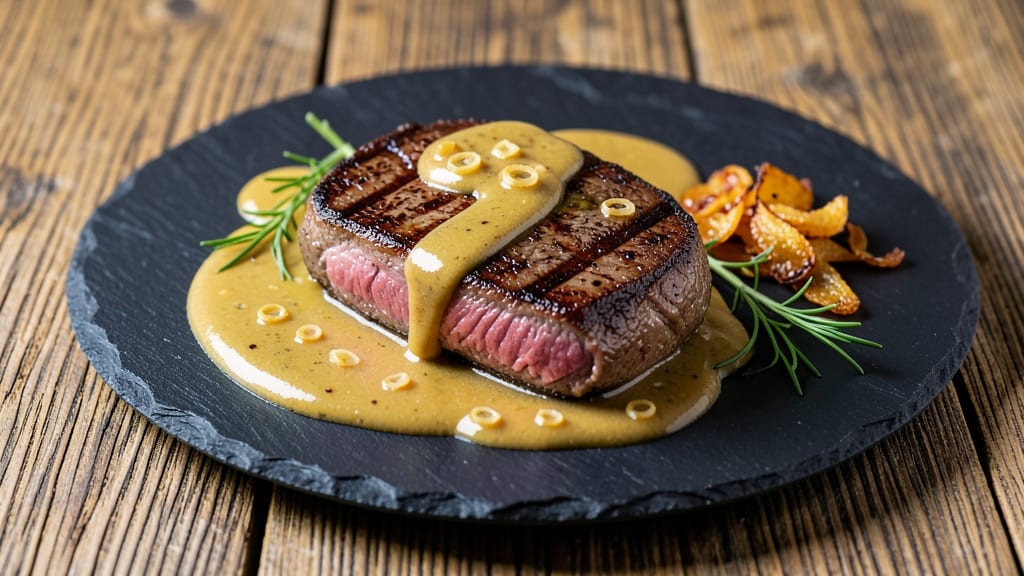
Mastering this beef Bearnaise recipe transforms simple proteins into restaurant-worthy masterpieces. The secret lies in balancing silky egg yolks, velvety butter, and sharp vinegar into a rich, emulsified sauce that clings to every bite. I've refined this classic French technique to ensure foolproof results—no broken emulsions or greasy textures here.
The foundation starts with a flavorful reduction of shallots, white wine vinegar, and tarragon, which forms the aromatic base. Then comes the delicate balance of egg yolks and butter, cooked just until thickened but never scrambled.
This sauce delivers the perfect harmony of tangy, herby depth with luxurious butter richness that elevates any beef dish.
What makes this recipe exceptional is its versatility—use it to drizzle over steak, chicken, or even grilled vegetables. The sauce keeps beautifully in the fridge for up to 5 days, making it perfect for meal prep.
With precise measurements and careful technique, you'll achieve a smooth, glossy finish that looks as impressive as it tastes.
For those new to emulsification, don't worry—the step-by-step process guides you through each stage. The key is patience and gentle heat, ensuring the sauce comes together without breaking. Once you master this technique, you'll never buy store-bought sauce again.
Ingredients for beef bearnaise
Nine essential ingredients transform into a luxurious sauce that elevates any beef dish.
| Ingredient | Amount | Notes |
|---|---|---|
| Extra-Virgin Olive Oil 🫒 | ½ cup | High-quality, fruity variety preferred |
| Shallots 🧅 | 1 whole | Finely minced, not chopped |
| White Wine Vinegar 🍷 | ½ cup | Dry variety, 5% acidity minimum |
| Fresh Tarragon 🌿 | ¼ cup | Finely chopped, stems removed |
| Large Egg Yolks 🥚 | 4 whole | Fresh, room temperature |
| Unsalted Butter 🧈 | 1 cup | Cold, cut into 1/2-inch cubes |
| Diamond Crystal Kosher Salt 🧂 | ½ tsp | Adjust to taste |
| Freshly Ground Black Pepper 🌶️ | ¼ tsp | Freshly cracked preferred |
| Dry White Wine 🍷 | ¼ cup | Sauvignon Blanc recommended |
The foundation of this sauce begins with the aromatic base. Shallots should be finely minced to dissolve completely—no visible pieces. For vinegar, dry white wine vinegar (5% acidity or higher) delivers the sharpness needed without overpowering. Fresh tarragon is non-negotiable here; dried lacks the bright, anise-like quality. Whole Foods or local specialty markets carry the best quality, though regular grocery stores often stock it. The key is to use it within a week of purchase for maximum flavor. For the wine, Sauvignon Blanc adds a subtle citrus note that complements the richness—any dry white will work, but avoid sweet varieties.
Egg yolks must be fresh and at room temperature to emulsify properly. Old or cold yolks break the sauce. For butter, European-style unsalted butter (like Plugrá) has higher fat content, making it ideal for emulsification. If substituting, use cold butter cut into small cubes—never melted. The salt and pepper should be freshly ground; pre-ground spices lose potency quickly. Need a vinegar substitute? Lemon juice at half the amount works in a pinch, though the flavor profile differs. Tarragon unavailable? Fresh thyme at one-third the amount provides a similar herbal note.
This sauce is best made fresh but keeps beautifully for 5 days refrigerated in an airtight container with a thin layer of olive oil on top. For longer storage, freeze in 1-tablespoon portions—thaw gently in a bowl of warm water. Reheat gently over low heat, stirring constantly. The sauce thickens as it cools, so adjust with a splash of warm water if needed. Always use within 2 days of reheating for optimal texture and flavor. For meal prep, make a double batch—it pairs perfectly with grilled steak, roasted chicken, or even as a drizzle for vegetables.
Why You'll Love This Recipe
- No Fuss Magic: I swear by the simplicity of this sauce—just whisk yolks, shallots, and vinegar in a pan with the olive oil, then let the heat do the work. No blender, no straining, just pure, velvety magic that takes less time than waiting for a pizza delivery.
- Tarragon Kiss: That fresh tarragon? It’s the secret weapon. The bright, anise-like punch cuts through the richness of the beef, leaving you with a sauce that’s both creamy and impossibly fresh. Honestly, I’ll take a bunch of this over store-bought any day.
- Weeknight Steakhouse: This isn’t just for fancy dinners. Slather it on grilled steaks for a restaurant-worthy meal in 20 minutes, or drizzle it over roasted potatoes for a lazy Sunday brunch. My kids think it’s "fancy food," and I’m not correcting them.
- Leftovers That Shine: Make a double batch—it keeps for days in the fridge and reheats like a dream. Toss it with cold pasta for a quick lunch, or use it to jazz up a simple omelet. Between us, this sauce turns boring leftovers into something people actually ask for seconds of.
Step-by-step instructions for beef Bearnaise sauce
Mastering this classic sauce requires precision and patience—here's how to achieve a perfect emulsion every time.
Create the Tarragon Vinegar Reduction
In a medium saucepan, combine the 0.5 cup white wine vinegar, 0.25 cup dry white wine, and 1 whole finely minced shallots. Bring to a simmer over medium heat and reduce by half—this should take about 8-10 minutes. The mixture should reduce to roughly ¼ cup of fragrant liquid with visible shallot bits.
Watch for the color to deepen to a rich amber and the aroma to become intensely aromatic. Strain through a fine-mesh sieve into a clean bowl, pressing gently on the solids to extract all flavor. This reduction forms the acidic base that will stabilize your emulsion later. Let it cool slightly before proceeding—room temperature ingredients emulsify better.
Prepare the Egg Yolk Base
While the reduction cools, whisk the 4 whole large egg yolks in a heatproof bowl until they're pale and slightly thickened. This should take about 1-2 minutes of vigorous whisking. The yolks should be at room temperature—if they're cold, they won't emulsify properly.
Gradually whisk in the 0.5 cup extra-virgin olive oil in a slow, steady stream. Continue whisking until the mixture becomes thick and creamy—this should take about 3-4 minutes. The result should resemble a light mayonnaise. This pre-emulsification step is crucial for creating a stable sauce that won't break when combined with the hot reduction.
Temper the Yolk Mixture
Place the bowl containing the yolk mixture over a saucepan of barely simmering water (double boiler method). The water should not touch the bowl—just create gentle steam. Whisk constantly as you gradually add the cooled tarragon reduction, starting with 1 tablespoon at a time. After each addition, wait until the mixture thickens slightly before adding more.
This tempering process is critical—adding hot liquid too quickly will scramble the eggs. You're looking for a slow, controlled thickening that transforms the mixture into a smooth, velvety sauce. The final sauce should coat the back of a spoon and hold its shape when drizzled. This takes about 5-7 minutes of careful whisking.
Incorporate the Butter
Remove the bowl from the heat and immediately whisk in the 1 cup cold unsalted butter cut into ½-inch cubes. Add the butter gradually, one piece at a time, allowing each addition to fully incorporate before adding the next. The sauce will thicken dramatically as the butter melts and emulsifies.
Season immediately with 0.5 teaspoon Diamond Crystal kosher salt and 0.25 teaspoon freshly ground black pepper. The sauce should be rich, glossy, and perfectly balanced between the acidic tarragon reduction and the buttery richness. If the sauce becomes too thick, thin it with 1 teaspoon hot water at a time until it reaches your desired consistency.
Finish and Serve Immediately
Transfer the completed sauce to a warm serving bowl and cover the surface with plastic wrap pressed directly onto the sauce to prevent a skin from forming. Bearnaise sauce should be served immediately—it's at its peak when hot. The sauce should cling beautifully to proteins like steak or chicken, creating an elegant, glossy coating.
For best results, keep the sauce warm in a thermos between uses. If you need to reheat, do so gently over low heat, whisking constantly to prevent separation. The perfect bearnaise should have a velvety texture, complex flavor profile with bright tarragon notes, and a perfect balance of acidity and richness.
Pro Tips For Making Beef Bearnaise
- STRAIN THE VINEGAR FIRST: White wine vinegar often has sediment that’ll turn your bearnaise gritty. Pour it through a fine-mesh sieve into a clean bowl before using—no need to stress about it, just a quick 10-second shake. I learned this the hard way after scraping tiny particles off my teeth post-meal.
- WHISK YOLKS COLD: Room-temperature yolks emulsify like butter, but cold ones hold their shape longer while you cook the vinegar reduction. Pop them in the fridge for 10 minutes before starting—yes, even if you’re impatient like me. The sauce won’t break as easily when you eventually add the hot reduction.
- LOW AND SLOW FOR THE REDUCTION: The vinegar-shallot base needs to reduce until it’s syrupy but not browned—think 5-7 minutes on medium-low, not a frantic boil. After burning three batches, I finally figured out: a gentle simmer keeps the tarragon’s bright flavor intact. Use a saucepan just big enough to cover the bottom; wider pans scatter heat.
- SALT THE SHALLOTS: Toss finely minced shallots with a pinch of salt before cooking—it draws out moisture, so they soften faster without turning mushy. My grandmother swore by this, and she was right: the reduction becomes clearer, and the tarragon shines through. No extra effort, just better flavor.
Wine and beer pairings for this beef bearnaise
Classic Wine Pairings
For Bearnaise sauce, I always reach for a dry Chardonnay from Burgundy—its crisp acidity and subtle vanilla notes cut through the sauce's richness beautifully. A Meursault or Pommard works particularly well, balancing the tarragon's herbal brightness with the butter's decadence.
If you prefer whites, a Sancerre with its citrusy minerality provides a refreshing contrast to the sauce's velvety texture. 🍷
Bold Red Alternatives
For those who prefer red wine, a Pinot Noir from Oregon or Burgundy complements the sauce's complexity without overpowering it. The light body and red fruit notes harmonize perfectly with the tarragon and vinegar base.
Avoid heavy Cabernets—their tannins can clash with the sauce's delicate emulsion. I've found that a cool-climate Pinot with bright acidity works best.
Beer Pairings
A crisp Belgian Witbier like Hoegaarden adds a fun, unexpected twist to your meal. The coriander and citrus notes in the beer echo the tarragon in the sauce while providing a refreshing contrast.
For a more robust pairing, try a German Helles Lager—its malty sweetness balances the sauce's acidity beautifully. Avoid heavy stouts or IPAs that might compete with the sauce's delicate flavors.
Unexpected Non-Alcoholic Options
For a non-alcoholic pairing, I love serving Bearnaise with a sparkling apple cider—the effervescence cleanses the palate between bites. Alternatively, a ginger beer with its spicy kick complements the sauce's herbal notes.
Even a simple sparkling water with lemon works well, especially for lighter meals where you want to highlight the sauce's complexity without added flavors.
Seasonal Wine Adjustments
In summer, I opt for a Chablis or Albariño—their bright acidity and citrus notes refresh the palate against the sauce's richness. During winter, a fuller-bodied Chardonnay with oak notes stands up better to the sauce's depth.
For holiday meals, a late-harvest Riesling with its honeyed sweetness provides a luxurious contrast to the savory Bearnaise.
Nutrition facts
Frequently asked questions
Why does my Bearnaise sauce break or separate?
Sauce separation usually happens from one of three issues: adding hot liquid too quickly, cold egg yolks, or overmixing. Always temper the reduction by adding it slowly to the warm yolk mixture while whisking constantly. Use room-temperature yolks and keep the heat gentle—never boil the sauce. If it breaks, whisk in 1 teaspoon hot water at a time until it re-emulsifies.
Can I make Bearnaise without raw egg yolks?
Yes! For a safer version, use pasteurized egg yolks (available at specialty grocers) or substitute with ¼ cup mayonnaise mixed with ¼ cup heavy cream. The texture will be slightly different but still delicious. For a vegan option, blend ½ cup silken tofu with 2 tablespoons nutritional yeast and 1 tablespoon lemon juice until smooth before proceeding with the recipe.
How do I adjust the flavor if my sauce tastes too acidic?
If the vinegar flavor overpowers, balance it by adding 1 teaspoon honey or ½ teaspoon sugar while whisking. For a more complex taste, stir in 1 teaspoon fresh lemon juice to brighten the tarragon notes. Always taste as you go—Bearnaise should have a harmonious balance of tang and richness.
What's the best way to reheat leftover Bearnaise?
Reheat gently over low heat in a saucepan, whisking constantly to prevent separation. Never microwave—it causes the emulsion to break. For best results, reheat only what you need and keep remaining sauce refrigerated. If it thickens too much, thin with 1 teaspoon warm water at a time. The sauce should be smooth and glossy when reheated properly.
Can I substitute tarragon with other herbs?
While tarragon is essential for authentic flavor, you can use ½ teaspoon dried tarragon if fresh isn't available. For a different herbal profile, try ½ teaspoon fresh thyme or ¼ teaspoon dried basil, though the flavor will differ. Avoid strong herbs like oregano or rosemary—they can overpower the delicate sauce.