
Soups & Stews
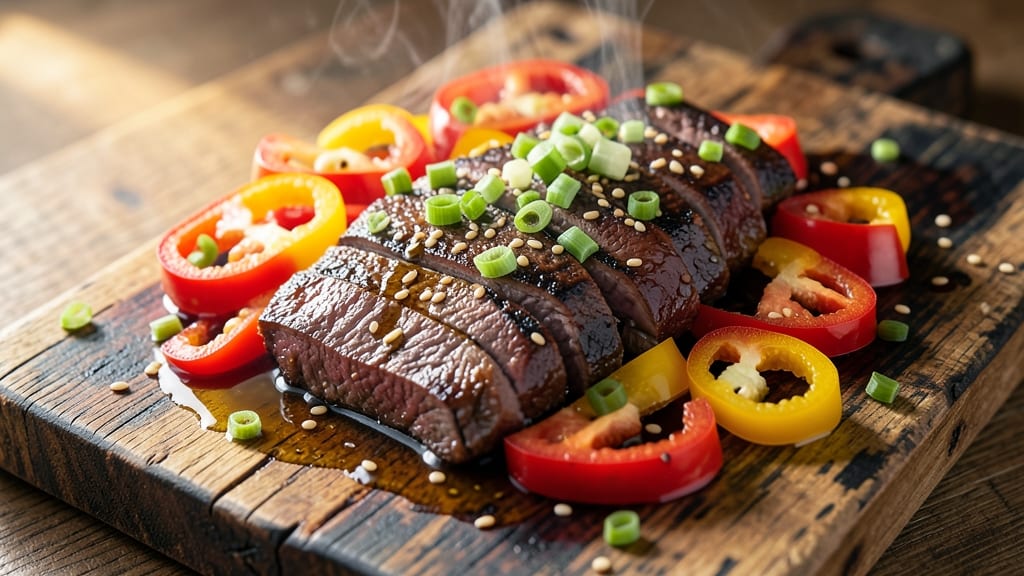
This Cowboy Bebop-inspired beef and bell pepper stir-fry delivers the bold, umami-packed flavors that make the anime iconic. 🌟 The wok-seared beef and sweet peppers create a dish as dynamic as its namesake series, blending smoky, savory, and slightly sweet notes in every bite.
I designed this recipe to capture the energy of space cowboys—quick to make, packed with flavor, and perfect for feeding a hungry crew (or just one hungry cook).
The secret lies in high-heat searing and layered seasoning: a mix of soy sauce, garlic, and a touch of brown sugar caramelizes the beef while keeping it tender, while the bell peppers add a crisp-sweet contrast.
The dish comes together in under 30 minutes, making it ideal for weeknight dinners that feel like an adventure. Serve it over steamed rice or noodles for that authentic Cowboy Bebop vibe—think of it as a meal fit for a spacefaring bounty hunter.
What sets this recipe apart is the balance of textures: crispy edges on the beef, tender peppers, and a sauce that clings to everything without overpowering.
The umami depth comes from a simple marinade of soy, ginger, and a splash of mirin, which elevates the dish from ordinary stir-fry to something special.
It’s the kind of meal that pairs perfectly with a cold beer or a cup of strong coffee—just like a scene from the Red Dragon bar. For extra flair, garnish with sesame seeds and sliced green onions to mimic the neon-lit aesthetic of Cowboy Bebop’s world.
This isn’t just a recipe; it’s a flavor experience that brings a little space noir to your kitchen. Let’s get cooking!
Ingredients for beef and bell peppers cowboy bebop
Quick grocery run for bold flavors that bring space noir to your wok.
| Ingredient | Amount | Notes |
|---|---|---|
| Flank Steak 🥩 | 1 ½ lb | Thinly sliced against grain |
| Red Bell Peppers 🍆 | 2 whole | Sliced into 1-inch strips |
| Yellow Bell Peppers 🍆 | 1 whole | Sliced into 1-inch strips |
| Green Onions 🧅 | 4 whole | Sliced into 1-inch pieces |
| Sesame Seeds 🌾 | 1 tbsp | For garnish |
| Fresh Ginger 🌿 | 1 ½ tbsp | Finely grated |
| Garlic Cloves 🧄 | 6 cloves | Minced |
| Soy Sauce 🥢 | ½ cup | Low-sodium preferred |
| Mirin 🍶 | 2 tbsp | For sweetness |
| Brown Sugar 🍚 | 1 tbsp | Light or dark |
| Vegetable Oil 🫒 | 3 tbsp | High smoke point |
| Sesame Oil 🫒 | 1 tsp | For aroma |
| Rice Vinegar 🍶 | 1 tbsp | For brightness |
| Salt 🧂 | 1 tsp | Kosher or sea salt |
| Black Pepper 🌶️ | ½ tsp | Freshly ground |
The flank steak is your star—thinly sliced against the grain for maximum tenderness. Ask the butcher to slice it if you're not confident with a sharp knife. I always grab USDA Choice or better from Whole Foods or Costco for that perfect marbling. The bell peppers should be firm and vibrant—avoid any with soft spots. For extra authenticity, grab Japanese or Korean bell peppers at an Asian market if you're feeling adventurous. The ginger and garlic? Fresh is non-negotiable here—dried just won't give you that same punch.
No mirin? Substitute with 1 tbsp honey plus 1 tbsp rice vinegar—it's not identical, but close. Running low on soy sauce? Coconut aminos work in a pinch, though the flavor profile shifts slightly. The sesame oil is purely for aroma—use toasted sesame oil if you've got it, but regular works fine. For the peppers, red and yellow give you that classic Cowboy Bebop neon vibe, but any colors work. Want to stretch this further? Add shredded carrots or snap peas—they hold up well to the high heat.
The steak marinates best in the fridge for 30 minutes to 2 hours—no need to overnight it. Store leftover sauce in a jar with a tight lid for up to 5 days in the fridge. The peppers keep for 1 week in the crisper drawer. For extra flair, toast the sesame seeds in a dry pan for 2 minutes before using—they'll be 100x more aromatic. This dish reheats beautifully—just add a splash of water to the pan and stir-fry for 2 minutes.
Why You'll Love This Recipe
- One-Pan Magic: I swear by this—just toss the sliced flank steak and bell peppers on a sheet pan, drizzle with oil, and let the oven do the work. No chopping boards, no extra pots, and the sesame seeds toast right into crispy perfection while everything cooks.
- Umami Bomb: That flank steak, marinated in soy and garlic, turns tender with a deep, savory bite, while the bell peppers caramelize into sweet, jammy pockets. The green onions add a fresh finish that cuts through the richness—like a little bright spark in every bite.
- Weeknight Workhorse: Between us, this is my go-to when I need something fast but still feels special. Double the batch, pop half in the fridge for lunch, and the leftovers reheat like a dream. Honestly, it’s the only beef dish my picky roommate actually asks for seconds on.
- Budget Flex: Flank steak is lean but packs flavor, and bell peppers last forever in the crisper. I’ll be real: this recipe stretches my grocery budget without sacrificing taste. Plus, the sesame seeds? A tiny bag goes a long way, and they make everything feel gourmet for pennies.
Step-by-step instructions for wok-searred beef and bell peppers
Here's how to create this bold, umami-packed dish with perfect texture and flavor balance.
🔥 Step 1: Prep and Marinate the Flank Steak
Slice the 1.5 lb flank steak thinly against the grain into ¼-inch thick strips. This ensures tender bites that cook quickly in the wok. Place the sliced steak in a bowl and add the 0.5 cup soy sauce, 2 tbsp mirin, 1 tbsp brown sugar, 1.5 tbsp finely grated fresh ginger, and 6 minced garlic cloves. Mix gently to coat evenly, then let it marinate for at least 15 minutes (up to 30 minutes for deeper flavor).
While the steak marinates, slice the 2 whole red bell peppers and 1 whole yellow bell pepper into 1-inch strips, and cut the 4 whole green onions into 1-inch pieces. Keep them separate—they'll cook at different times. The marinade will develop complex umami notes from the soy and mirin, while the sugar caramelizes slightly for depth.
🍳 Step 2: Sear the Beef in Stages
Heat a wok or large skillet over high heat until it's screaming hot. Add 1 tbsp vegetable oil and swirl to coat. Working in batches (don't overcrowd), add the marinated steak strips and sear for 1-2 minutes until they develop a deep brown crust on all sides. Remove and set aside on a plate.
This two-stage sear prevents overcrowding, which would steam the meat instead of searing it. You want those strips to hit 145°F internal temperature—they'll carryover cook in the final stir-fry. If the pan isn't hot enough, the steak will release instead of sear, leaving you with bland, gray meat.
🍳 Step 3: Stir-Fry the Bell Peppers and Aromatics
Add the remaining 2 tbsp vegetable oil to the same wok and heat until shimmering. Add the sliced bell peppers and stir-fry for 3-4 minutes until they begin to soften but still retain a slight crunch. Add the green onions and cook for another 1 minute, stirring constantly to prevent burning.
Here's the thing—bell peppers need high heat to develop their natural sweetness. If you cook them too slowly, they'll turn mushy and lose their vibrant color. The green onions add freshness and a pop of color, but they cook faster than the peppers, so add them last.
🥘 Step 4: Combine and Finish with Umami Bomb Sauce
Return the seared beef to the wok and add the 1 tbsp rice vinegar, 1 tsp sesame oil, 1 tsp salt, and 0.5 tsp black pepper. Toss everything together for 1-2 minutes until the beef is heated through and the sauce coats the ingredients evenly. The vinegar brightens the dish while the sesame oil adds aromatic depth.
Taste and adjust seasoning—you might need a splash more soy sauce if the dish tastes too mild. The beef should be tender but still hold its shape, and the peppers should be tender-crisp. If the sauce seems too thin, let it reduce for an extra 30 seconds on high heat to thicken slightly.
🍽️ Step 5: Garnish and Serve Immediately
Transfer the beef and peppers to serving plates and sprinkle with 1 tbsp sesame seeds for texture and visual appeal. Serve hot over steamed rice or noodles to soak up that delicious sauce. The contrast of tender beef with crisp peppers and the umami-rich sauce makes every bite exciting.
This dish shines when served fresh—don't let it sit. The flavors meld beautifully together, creating a perfect balance of sweet, savory, and slightly tangy notes that capture the spirit of bold, flavorful Asian street food.
Pro Tips For Making Beef And Bell Peppers Cowboy Bebop
- SLICE AGAINST THE GRAIN: I learned this the hard way—flank steak fights you if you cut with the grain. Slice at a 45-degree angle across the fibers after cooking, or you’ll end up with chewy, tough strips instead of tender, restaurant-quality bites. (Yes, even if you’re impatient like me.)
- SEAR IN BATCHES: Crowding the pan turns your beef into a sad, steamed mess. Work in two batches over medium-high heat—let the first layer develop a deep crust before adding the second. The peppers can wait; the steak won’t forgive you if you rush this.
- CHAR THE PEPPERS: Skip the gentle sautéing—this isn’t a salad. Blacken the bell peppers over direct heat for 2-3 minutes per side until they’re blistered and slightly charred. That smoky depth is what makes this dish taste like a late-night diner in Tokyo, not a home cook’s guess.
- SALT THE STEAK TWICE: Dry the flank steak thoroughly with paper towels, then hit it with a generous pinch of salt 30 minutes before cooking. After searing, hit it again—this time with a pinch of kosher salt right before slicing. The first salt tenderizes; the second locks in flavor. (Your future self will thank you.)
Pro cooking tips for great beef and bell peppers cowboy bebop
High-Heat Mastery
Your wok or skillet needs to be screaming hot—think smoke testing the air—before adding any oil. I use a 14-inch carbon steel wok from Mauviel because it heats up faster and retains heat better than stainless steel.
If your pan isn’t hot enough, the beef will steam instead of sear, leaving you with gray, bland strips. Test by flicking a drop of water—if it sizzles violently and evaporates instantly, you’re ready. 🔥
Batch Searing Secrets
Never overcrowd the wok! Cook the beef in two batches max to get that perfect crust. I work with about ½ lb of beef per batch in my wok. If you see the temperature drop below 400°F while cooking, your pan isn’t hot enough—reset the heat and start fresh.
The first batch will take slightly longer to sear, so plan accordingly. This two-stage approach ensures every strip develops that deep, caramelized crust.
Peppers at the Right Stage
Bell peppers should be tender but still crisp—they’ll soften further when combined with the beef. Aim for 3-4 minutes of stir-frying until they just begin to wrinkle at the edges. Add the green onions only in the final 1 minute to preserve their bright color and crunch.
Pro tip: Use a fish spatula (like the OXO Good Grips model) to toss everything without breaking up the peppers.
Sauce Thickness Tricks
If your sauce feels too thin after combining everything, let it reduce by 30 seconds on high heat. The natural sugars in the peppers and mirin will caramelize slightly, thickening the sauce naturally.
I’ve found that adding ½ tsp cornstarch mixed with 1 tsp water as a last-minute slurry works wonders if you need extra body. Just toss it in and stir for 1 minute until the sauce glistens and coats everything evenly. 💫
Garnish Like a Pro
Toast your sesame seeds in a dry pan for 1-2 minutes until they’re fragrant and golden—this amplifies their nutty flavor by 100%**. Sprinkle them over the dish right before serving to add both texture and visual appeal.
For extra Cowboy Bebop flair, add a few thinly sliced scallions on top to mimic the neon-lit aesthetic of the show’s world. The contrast of warm seeds and cool herbs makes the dish pop.
Carryover Cooking
Your beef will continue cooking slightly even after it leaves the wok, so pull it out when it reaches 140°F internal temperature (it’ll hit 145°F while resting). Use an instant-read thermometer like the Thermoworks ThermoPop for accuracy.
If you’re serving immediately, this carryover ensures perfect doneness without overcooking. For leftovers, reheat gently in the wok with a splash of water to restore moisture and prevent dryness. ✨
Nutrition facts
Frequently asked questions
Why does the recipe call for slicing beef against the grain?
Slicing flank steak against the grain breaks up the tough muscle fibers, making each bite tender and easy to chew. The grain runs lengthwise along the meat, so cutting perpendicular ensures you're cutting across these fibers. This technique is especially important for lean cuts like flank steak, which can become chewy if cooked incorrectly.
Can I use a different cut of beef instead of flank steak?
Yes, but choose thinly sliced cuts that cook quickly. Flank steak, sirloin, or skirt steak work best. Avoid thicker cuts like ribeye or NY strip—they won't cook evenly in the stir-fry timeframe. If using pre-sliced beef, look for "stir-fry strips" at Asian markets for convenience.
How do I know when the beef is done cooking?
Use an instant-read thermometer to check for 145°F internal temperature—this ensures perfect doneness without overcooking. The beef will continue cooking slightly after removing from heat (carryover cooking), so pull it out at 140°F if serving immediately. For visual cues, look for deep brown crusts on all sides.
What if I don't have mirin? Can I substitute?
Mix 1 tbsp honey with 1 tbsp rice vinegar for a similar sweet-tangy balance. The mirin adds depth to the sauce, but this combo works in a pinch. For extra umami, add ½ tsp fish sauce to the marinade. The dish will still taste delicious—just slightly different.
How can I make this dish spicier?
Add ½ tsp red pepper flakes to the marinade or sprinkle 1 tsp gochujang (Korean chili paste) into the sauce at the end. For heat lovers, toss in 1 tbsp chopped Thai chilies with the peppers. Adjust to taste—start with less and add more gradually.