
Sauces & Condiments
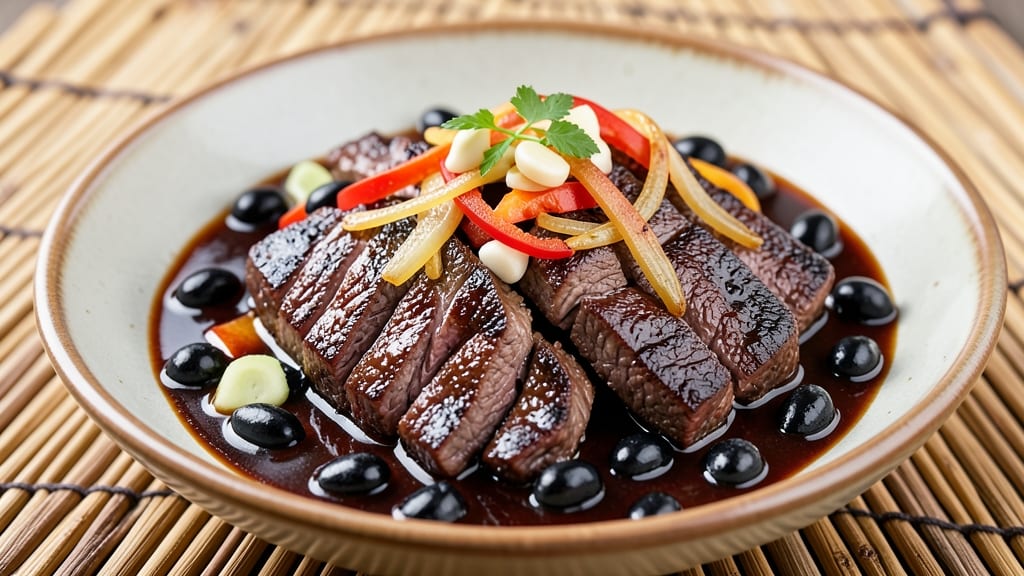
This beef and black bean Chinese sauce delivers restaurant-quality umami in every spoonful, blending tender beef, earthy black beans, and sweet bell peppers in a glossy, aromatic sauce. 🔥 The secret lies in wok-searing the beef for deep caramelization while balancing sweet, salty, and tangy flavors through careful seasoning—no shortcuts here.
Traditional Chinese techniques like high-heat stir-frying and soy-based braising create a sauce that clings perfectly to rice or noodles.
What sets this dish apart is the marriage of textures: fork-tender beef, creamy black beans, and crisp sweet peppers all coated in a velvety sauce that’s rich yet never heavy.
The recipe builds flavor in layers—first with aromatics, then through slow simmering, and finally with a finishing splash of rice vinegar for brightness.
It’s the kind of dish that transforms a simple meal into something memorable, with just the right balance of sweetness from the peppers and depth from fermented black beans.
Ready in under 45 minutes, this recipe delivers restaurant-quality results at home without requiring advanced skills. The beef develops a satisfying chew while absorbing the sauce’s complex flavors, and the black beans add both texture and umami richness.
Serve over steamed jasmine rice or noodles for a complete, satisfying meal that’s perfect for weeknights or dinner guests.
For extra authenticity, finish with a sprinkle of sesame seeds and fresh cilantro—simple touches that elevate the dish further. The sauce also reheats beautifully, making it ideal for meal prep. Here’s how to make it step by step, with professional techniques simplified for home cooks.
Ingredients for beef and black bean sauce chinese
Restaurant-quality umami comes from these 15 carefully chosen ingredients blending textures and flavors perfectly.
| Ingredient | Amount | Notes |
|---|---|---|
| Flank Steak 🥩 | 1 ¼ lb | Thinly sliced against grain |
| Black Beans 🫘 | 1 cup | Drained and rinsed |
| Red Bell Pepper 🍅 | 1 whole | Sliced into strips |
| Yellow Onion 🧅 | 1 whole | Thinly sliced |
| Garlic Cloves 🧄 | 4 cloves | Minced finely |
| Fresh Ginger 🌿 | 1 ½ tbsp | Grated finely |
| Soy Sauce 🍶 | ½ cup | Light or regular |
| Oyster Sauce 🍜 | 2 tbsp | High-quality brand |
| Rice Vinegar 🍶 | 2 tbsp | Seasoned preferred |
| Sesame Oil 🫒 | 1 tbsp | Toasted sesame |
| Brown Sugar 🍬 | 1 ½ tbsp | Packed lightly |
| Cornstarch 🌾 | 1 tbsp | For thickening |
| Vegetable Oil 🫒 | 2 tbsp | High smoke point |
| Green Onion 🧅 | 2 whole | Sliced for garnish |
| Sesame Seeds 🌾 | 1 tbsp | Toasted lightly |
The flank steak is non-negotiable here—its lean texture and grain direction matter. Ask your butcher to slice it thinly against the grain if you're not comfortable doing it yourself. For the best quality, grab grass-fed beef from a specialty market like Whole Foods or Costco if you're prepping for a crowd. The black beans should be fermented or canned without added salt—look for brands like Goya or Bush's in the Latin foods section. Fresh ginger and garlic are essential; Penzeys Spices sells pre-peeled ginger if you hate the hassle of grating. The bell pepper should be vibrant red, not dull or shriveled—Trader Joe's has great organic options at reasonable prices.
No flank steak? Sirloin or ribeye work in a pinch, but slice it thinner. Running low on oyster sauce? Substitute with 1 tbsp hoisin plus 1 tsp soy sauce, though you'll lose some depth. The sesame oil can be swapped for toasted peanut oil if you're avoiding sesame, but the aroma is worth it. For a quicker prep, use frozen stir-fry vegetables instead of fresh bell peppers—they're pre-cut and just as effective. The brown sugar adds caramelization; if you prefer less sweetness, reduce to 1 tbsp and add an extra ½ tsp of rice vinegar for balance. The cornstarch is key for that glossy finish—don't skip it, even if you're not worried about thickening.
This sauce reheats beautifully—30 seconds in the microwave with a splash of water restores its velvety texture. Store leftovers in an airtight container for up to 5 days in the fridge or 3 months frozen. For meal prep, freeze portions in ice cube trays—just thaw and reheat. The sesame seeds and green onions should be toasted and added fresh before serving; they're the perfect finishing touch. If you make extra, it pairs wonderfully with steamed rice or noodles for the next day's lunch.
Why You'll Love This Recipe
- One-Pan Magic: I swear by this recipe when I’m too tired to scrub pots—just sear the flank steak, toss in the onions, bell peppers, and garlic, then let the black beans and sauce work their magic. The beef practically falls apart on its own, and I’m left with a sheet pan that’s basically clean.
- Umami Bomb: That black bean sauce? It’s where this dish gets its soul. The deep, earthy notes from the black beans and the sweet char of the red bell pepper balance the rich, garlicky beef like nothing else. Honestly, I’ve tried store-bought versions, but homemade? It’s a whole different league.
- Leftover Hero: This recipe doubles as tomorrow’s lunch without any extra effort. The flavors only get better the next day—especially if you let the beef reabsorb that sticky, smoky sauce. I freeze portions too, because nothing beats reheating a meal that tastes like it was just made.
- Budget-Friendly Powerhouse: Flank steak stretches farther than you’d think when sliced thin, and black beans add heartiness without breaking the bank. Between us, this is the kind of meal that makes grocery day feel like a win—plus, the leftovers stretch for days. My wallet thanks me every time.
Step-by-step instructions for beef and black bean Chinese sauce
Master this wok technique for a restaurant-quality sauce where tender beef and sweet peppers meld with deep umami flavors.
🔥 Step 1: Marinate and Prep the Flank Steak
Slice the 1.25 lb flank steak thinly against the grain into ¼-inch strips. In a bowl, combine the sliced steak with 0.5 cup soy sauce, 2 tbsp oyster sauce, 1.5 tbsp brown sugar, and 1 tbsp cornstarch. Mix well until the steak is evenly coated. Cover and marinate in the refrigerator for at least 30 minutes (up to 2 hours for deeper flavor). This step ensures tender beef that won't turn tough during cooking.
While the steak marinates, slice the 1 whole red bell pepper into ¼-inch strips and thinly slice the 1 whole yellow onion. Finely mince the 4 cloves garlic and grate the 1.5 tbsp fresh ginger. These aromatics will form the flavor base of your sauce, so take your time with even cuts—they should be uniform for consistent cooking.
🍳 Step 2: Wok-Sear the Beef and Aromatics
Heat a wok or large skillet over high heat until smoking, then add 2 tbsp vegetable oil. Once shimmering, add the marinated steak in a single layer. Let it sear undisturbed for 1-2 minutes until the edges brown—this creates that signature wok-hei flavor. Stir-fry for another 2-3 minutes until the beef is 80% cooked but still slightly pink inside, then remove and set aside.
In the same wok, add a bit more oil if needed, then stir-fry the onion strips for 2 minutes until softened. Add the red bell pepper strips, garlic, and ginger, cooking for another 2 minutes until the garlic turns golden and the peppers begin to blister slightly. The high heat caramelizes these aromatics, building complex flavors that will infuse your sauce.
🥘 Step 3: Build the Sauce with Black Beans and Vinegar
Return the beef to the wok and add the 1 cup drained black beans. Stir-fry for 1 minute to heat through. Pour in the 2 tbsp rice vinegar and 1 tbsp sesame oil, tossing everything together. The vinegar brightens the dish while the sesame oil adds nutty depth. Let the mixture cook for 2 minutes to meld these flavors—you'll notice the sauce beginning to thicken slightly from the cornstarch in the marinade.
Here's where it gets critical: reduce the heat to medium-low and add ½ cup water. Stir constantly for 3-4 minutes until the sauce thickens to a glossy consistency that coats the back of a spoon. The black beans should be tender but still hold their shape, and the beef should be fully cooked through with a slight chew. If the sauce thickens too quickly, add 1-2 tablespoons water to maintain balance.
🔪 Step 4: Finish and Garnish for Restaurant-Quality Presentation
Remove the wok from heat and stir in the 1 tbsp toasted sesame seeds and 2 whole sliced green onions. Let the sauce sit for 1 minute to allow the sesame seeds to toast lightly in the residual heat. This final step adds texture contrast and visual appeal—those toasted seeds and bright green onions elevate the dish from home-cooked to restaurant-worthy.
Taste and adjust seasoning if needed. The sauce should balance sweet, salty, tangy, and umami flavors. Serve immediately over steamed jasmine rice or egg noodles, garnished with additional green onions. The beef should be tender yet slightly chewy, the black beans creamy, and the sauce glossy with just the right thickness to coat each bite.
Pro Tips For Making Beef And Black Bean Sauce Chinese
- SEAR THE STEAK FIRST: High heat for 2-3 minutes per side before slicing—this locks in juices and gives that smoky base flavor the sauce needs. I used to skip it, thinking the sauce would fix everything, but the beef stayed tough and bland.
- SOAK BEANS UNTIL TENDER: Black beans should be soft but not mushy—soak them overnight, then simmer 15-20 minutes with a pinch of baking soda (yes, it works). My first attempt with canned beans turned the sauce gritty, and I’ve never gone back.
- DON’T OVERCROWDLE THE PAN: Sear the beef in batches if needed—piling everything in at once steams the onions and garlic instead of browning them. After burning two batches, I learned to work in stages for real color and depth.
- STIR IN THE PEPPERS LAST: Add sliced red bell pepper only after the sauce has thickened—it wilts into nothing if tossed in too early. I was skeptical until I tried it; now it keeps the texture bright and slightly crisp.
Essential equipment for beef and black bean sauce chinese
Wok Essentials
A carbon steel wok (like the De Buyer 14-inch) is my go-to for this recipe—it heats up fast and retains wok hei (breath of the wok) better than cast iron.
If you don’t own one, a heavy-bottomed stainless steel skillet (like All-Clad) works too, though it may take slightly longer to reach high heat. Avoid nonstick—it won’t build enough flavor. 🔥
High-Heat Tools
For searing the beef and aromatics, you’ll need a tongs set (I use OXO Good Grips) to toss ingredients quickly without overcrowding. A fish spatula (like Mercer Culinary) helps scrape up stuck bits from the wok’s sides. Both tools are must-haves for even cooking and flavor distribution.
Sauce Thickening Gear
A wire whisk (preferably stainless steel) is essential for stirring the sauce to a glossy finish. If you’re new to wok cooking, a heat-resistant spatula (like Nordic Ware) helps scrape the bottom without scratching. For precision, a small ladle (for adding water) keeps the sauce balanced without over-diluting.
Prep and Storage
Invest in a sharp chef’s knife (I recommend Victorinox Fibrox) for slicing the beef and veggies uniformly—this ensures even cooking. A fine-mesh strainer (like OXO Good Grips) helps drain the black beans efficiently.
For leftovers, glass airtight containers (like Pyrex) preserve the sauce’s texture best in the fridge for up to 5 days.
Finishing Touches
A small saucepan (for toasting sesame seeds) and a microplane (for fresh ginger) are optional but elevate the dish. Toasting sesame seeds in a dry pan for 30 seconds on medium heat intensifies their aroma. Freshly grated ginger adds brightness—skip pre-minced jars, which lose potency. ✨
Nutrition facts
Frequently asked questions
Can I substitute flank steak with another cut?
Yes! For this recipe, sirloin or ribeye work well, but slice them thinner than flank steak (about ⅛-inch thick) since they're more tender. Avoid tougher cuts like chuck—they won't tenderize properly in the short cooking time. If using pre-sliced beef from the grocery store, check the packaging for "thinly sliced for stir-fry."
Why do my black beans turn mushy?
Overcooking is the most common culprit. Black beans should cook for just 1 minute after returning to the wok—they're already tender from canning. If you notice them breaking down too much, reduce the cooking time to 30 seconds and add them later in the process. Also, avoid using pre-cooked frozen beans, which are often softer.
How can I make this sauce spicier?
Add ½ to 1 teaspoon of chili flakes or 1-2 slices of fresh red chili when stir-frying the aromatics. For heat depth, include ½ teaspoon of Sichuan peppercorns (toasted and crushed) in the marinade. If you want smoky spice, finish with a dash of chili oil before serving. Start with less—you can always add more!
Can I make this dish vegetarian?
Swap the beef for extra-firm tofu (pressed and cubed) or mushrooms (shiitake or oyster). For texture, use 1 cup of king oyster mushrooms sliced lengthwise. Marinate the tofu or mushrooms in the same sauce mixture for 20 minutes, then cook them with the aromatics. The black beans will still provide that hearty, umami base you love.
How long will leftovers keep?
The sauce and beef mixture stays fresh in an airtight container for 4-5 days in the fridge. For longer storage, freeze portions in ice cube trays—they thaw perfectly for quick meals. Reheat gently on medium-low heat with a splash of water to restore the glossy texture. The rice vinegar keeps the sauce fresh longer, preventing it from turning bitter.