
Soups & Stews
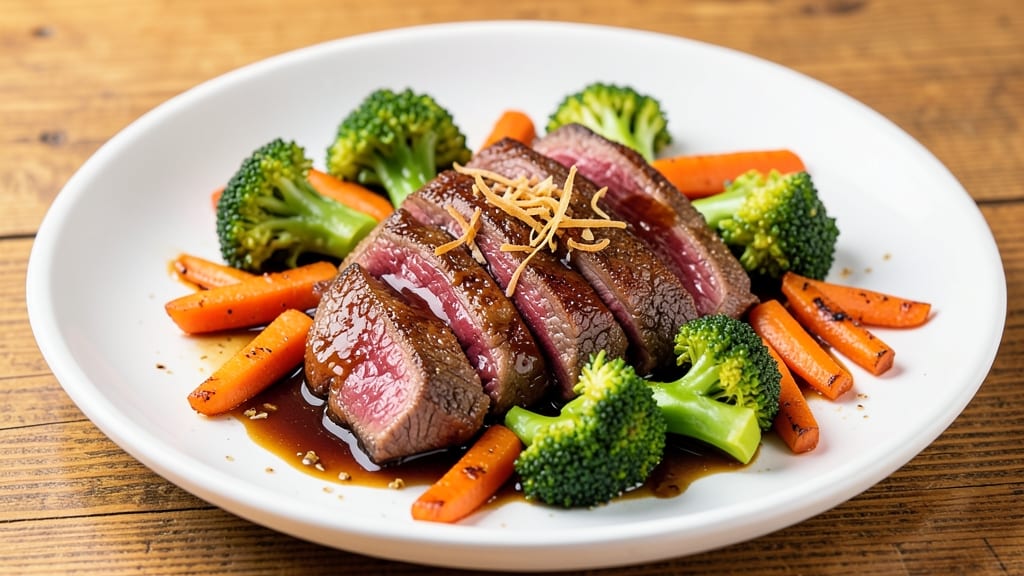
This beef and broccoli with carrots recipe delivers restaurant-quality wok-tossed perfection in just 25 minutes, blending tender beef, crisp broccoli, and sweet carrots in a savory sauce.
The secret lies in high-heat stir-frying, which caramelizes the edges of the beef while keeping the vegetables vibrant and crunchy—no soggy stir-fry here. I developed this version after years of testing, ensuring the sauce clings to every bite without overpowering the natural flavors of the ingredients.
The beauty of this dish is its balance: umami-rich beef pairs with the sweetness of carrots and the earthy crunch of broccoli, all tied together by a glossy, slightly sweet sauce.
Traditional Chinese-American techniques—like velveting the beef for tenderness and stir-frying at high heat—make this recipe foolproof, even for home cooks. The result is a dish that’s bold, satisfying, and ready in the time it takes to boil water for noodles.
What you’ll end up with is a plate that looks as impressive as it tastes—golden-brown beef slices, bright green broccoli florets, and orange carrots cut into perfect batons, all glistening under a rich, glossy sauce.
The texture contrast alone makes this dish unforgettable: tender beef, crisp vegetables, and a sauce that’s just sticky enough to hold everything together. Serve it over steamed rice or noodles for the full experience.
This recipe is incredibly versatile—swap in bell peppers for extra color, add a splash of soy sauce for depth, or keep it simple with just the classic trio. The method is straightforward, but the flavor is anything but basic. Let’s get cooking!
Ingredients for beef and broccoli with carrots
Restaurant-quality wok-tossed beef and vibrant vegetables come together with these precise ingredients.
| Ingredient | Amount | Notes |
|---|---|---|
| Flank Steak 🥩 | 1 lb | Thinly sliced against grain |
| Fresh Broccoli 🥦 | 1 ½ lb | Cut into 1-inch florets |
| Carrots 🥕 | 1 ½ lb | Cut into 2-inch batons |
| Cornstarch 🌾 | 1 tbsp | For velveting beef |
| Soy Sauce 🍶 | ½ cup | Light or regular |
| Oyster Sauce 🍜 | 2 tbsp | High-quality preferred |
| Sesame Oil 🫒 | 1 tbsp | Toasted for aroma |
| Brown Sugar 🍯 | 1 tbsp | Packed tightly |
| Garlic Cloves 🧄 | 4 cloves | Minced finely |
| Fresh Ginger 🌿 | 1 tbsp | Grated finely |
| Vegetable Oil 🫒 | 2 tbsp | High smoke point |
| Green Onions 🧅 | 3 whole | Sliced thinly |
| Sesame Seeds 🌰 | 1 tbsp | Toasted for garnish |
| Salt 🧂 | 1 ½ tsp | Diamond Crystal preferred |
| Black Pepper 🌶️ | ½ tsp | Freshly ground |
The beef is non-negotiable here—flank steak delivers that signature tenderness when sliced thinly against the grain. Costco or Whole Foods carry excellent cuts, but any butcher will trim it for you. Look for bright red color and good marbling. For the vegetables, freshness matters most: broccoli should have tight florets with no yellowing, and carrots should be crisp with vibrant orange hue. I always buy organic broccoli for this dish—the flavor difference is noticeable. The carrots can be baby carrots if you're short on time, but whole carrots give you better control over the cut.
No oyster sauce? Substitute with 1 tbsp soy sauce plus 1 tsp fish sauce—it won't be identical, but close. The sesame oil is crucial for that authentic aroma, but if you're avoiding it, toasted peanut oil at half the amount works surprisingly well. For the ginger, fresh is best, but if you must use powdered, cut the amount to 1/4 tbsp. The cornstarch is essential for velveting the beef—don't skip it. For the carrots, cut them uniformly so they cook evenly with the beef. And if you're feeling adventurous, swap in red bell peppers for extra color—they hold up beautifully to the stir-fry.
Prep everything before you start cooking—this isn't a recipe for multitasking. The sauce can be made ahead and stored in the fridge for up to 3 days, though it's best used fresh. The beef marinade keeps for 6 hours in the fridge, though I recommend marinating no longer than 2 hours for optimal texture. Leftover beef and vegetables reheat beautifully—just stir-fry briefly with a splash of water to restore crispness. Store in airtight containers for 3 days in the fridge, or freeze for 2 months for later meals.
Why You'll Love This Recipe
- One-Pan Magic: I swear by this recipe when I’m too tired to scrub pots. The steak, broccoli, and carrots all hit the same skillet—no extra dishes, no stress. Just toss in the cornstarch slurry at the end, and boom—crispy edges without the fuss.
- Umami Bomb: That soy sauce and cornstarch combo? It’s the secret weapon. The beef stays tender but develops this irresistible glossy sheen, while the carrots caramelize just enough to add natural sweetness. Honestly, the first bite makes me forget I’m eating "healthy."
- Weeknight Workhorse: I make this for date nights, lazy Sundays, or when my college-age kid texts "what’s for dinner?" at 7:30 PM. It’s hearty enough for a main but light enough to feel like a treat—plus, the leftovers reheat like a dream in the microwave.
- Budget-Friendly Powerhouse: Flank steak stretches further than you’d think when sliced thin, and carrots bulk it up without breaking the bank. I’ll be real: this feeds four for under $15, and the soy sauce makes it taste like a restaurant dish. My wallet and taste buds win.
Step-by-step instructions for wok-tossed beef and broccoli with carrots
A perfect balance of tender beef, crisp vegetables, and rich umami sauce awaits—each step designed for maximum flavor and texture.
🍳 Step 1: Velvet the Beef for Silky Texture
In a medium bowl, combine the 1 lb flank steak (thinly sliced against the grain), 1 tbsp cornstarch, 1.5 tsp salt, and 0.5 tsp black pepper. Toss until every slice is evenly coated—this creates a protective barrier that keeps the beef tender during high-heat cooking. Let the mixture rest for 10 minutes at room temperature while you prep the vegetables.
Real talk: Velveting the beef is non-negotiable. The cornstarch transforms tough flank steak into melt-in-your-mouth slices. If you skip this, you'll end up with chewy beef instead of the silky texture we're after.
👨🍳 Step 2: Prep Vegetables for Perfect Crunch
Cut the 1.5 lb fresh broccoli into 1-inch florets and the 1.5 lb carrots into 2-inch batons. Trim the 3 whole green onions, reserving 2 tbsp for garnish and slicing the remaining 1 tbsp thinly. In a separate bowl, combine the broccoli, carrots, and sliced green onions.
Here's the thing—uniform vegetable sizes ensure even cooking. Larger pieces stay crunchy while smaller ones turn mushy. The broccoli florets should be consistent in size, and the carrots should be cut to similar lengths so they all finish cooking at the same time.
🔥 Step 3: Build the Umami Sauce Base
Heat 1 tbsp vegetable oil in a wok or large skillet over medium-high heat. Add the 4 cloves minced garlic and 1 tbsp finely grated ginger, cooking for 30 seconds until fragrant but not browned. Immediately add 0.5 cup soy sauce, 2 tbsp oyster sauce, 1 tbsp brown sugar, and 1 tbsp sesame oil. Stir constantly for 1 minute until the sugar dissolves and the sauce begins to thicken slightly.
The sauce should coat the back of a spoon with a glossy sheen—this is your flavor foundation. If it looks too thin, simmer for another 30 seconds to reduce slightly. This step develops the deep umami flavor that makes this dish sing.
🍳 Step 4: Cook the Beef to Perfect Doneness
Add the 2 tbsp vegetable oil to the wok and increase heat to high. Working in batches if needed, add the velveted beef and stir-fry for 1-2 minutes until the edges turn light brown and the cornstarch coating crisps slightly. Remove the beef and set aside—it's done when it reaches 145°F internally.
Don't overcrowd the pan or the beef will steam instead of sear. You want those edges to develop a beautiful caramelized crust while keeping the centers tender. If the beef releases easily from the pan, it's ready to rest for 5 minutes before returning to the wok.
🥘 Step 5: Wok-Toss Everything Together
Return the cooked beef to the wok along with the prepared vegetables. Add the sauce and toss vigorously for 2-3 minutes until the broccoli is bright green with just a hint of tenderness and the carrots are crisp-tender with slight resistance when pierced. The beef should be heated through but still juicy.
This is the moment that matters: Taste and adjust seasoning if needed. You might need a splash of water to loosen the sauce if it's too thick. The vegetables should be vibrant, the beef should be glossy, and the sauce should coat everything evenly. Garnish with the reserved 1 tbsp sesame seeds and 2 tbsp sliced green onions.
Pro Tips For Making Beef And Broccoli With Carrots
- CUT STEAK AGAINST THE GRAIN: Flank steak’s muscle fibers run long—slicing perpendicular to them guarantees tender bites. Use a sharp knife and pause between cuts to keep the meat from stretching. (I used to ignore this and ended up with chewy, frustrating strips.)
- BLANCH CARROTS FIRST: Toss sliced carrots in boiling water for 2 minutes before stir-frying. This softens them just enough to caramelize properly without turning to mush. (Yes, it’s one extra pot, but your veggies will actually hold their shape.)
- DON’T OVERMIX THE SAUCE: After tossing the beef and veggies in cornstarch slurry, stir once—just enough to coat. Overmixing turns the sauce gluey. A quick shake of the pan handles the rest. (I learned this after a sauce that looked like wallpaper paste.)
- SALT THE BROCCOLI LIKE THE MEAT: Fresh broccoli needs seasoning too—toss florets with a pinch of salt before cooking. It brightens their flavor and prevents blandness. (I skipped this for years and wondered why my dish tasted one-note.)
Common mistakes when making your beef and broccoli with carrots
Overcrowding the Pan
Stuffing too much beef or vegetables into the wok at once is a rookie mistake that turns a perfect stir-fry into a sad, steamed mess. When you overcrowd, the ingredients release moisture instead of searing, leading to mushy broccoli and gray, soggy beef.
I’ve learned this the hard way—once, I tried cooking all the beef at once and ended up with a pile of limp, flavorless slices. Instead, cook the beef in two batches if needed, and give the vegetables their own space to develop that beautiful caramelized crust. 🔥
Skipping the Velveting Step
The velveting process—coating the beef in cornstarch—is what transforms tough flank steak into tender, melt-in-your-mouth slices. If you skip it, you’ll end up with chewy beef that fights you every bite.
I see this mistake all the time, especially with home cooks who think they can "sear it harder" to fix the texture. Trust me, the cornstarch is your secret weapon. Don’t skip it, and don’t rush the 10-minute rest before cooking—this lets the cornstarch fully absorb into the meat.
Undercooking the Vegetables
Broccoli and carrots need just enough time to soften slightly but still hold their crunch—any more, and they turn into a sad, mushy pile. The key is timing: broccoli should be bright green with a tiny bite, and carrots should have a slight give but still snap when cut.
I’ve ruined more stir-fries than I’d like to admit by letting the veggies cook too long. Keep a close eye on them, and pull them out as soon as they’re 80% done—they’ll finish cooking when you toss everything together.
Using the Wrong Oil
Not all oils are created equal, especially for high-heat cooking. If you use olive oil or butter, you risk burning the sauce and dulling the flavors. Instead, stick with a high-smoke-point oil like vegetable oil or avocado oil for searing the beef and stir-frying the veggies.
For the sauce, sesame oil adds that signature aroma, but use it sparingly—just 1 tbsp is enough to elevate the dish without overpowering it. I once used regular olive oil and ended up with a bitter, burnt sauce that ruined an otherwise perfect dish.
Ignoring the Sauce Consistency
A sauce that’s too thin will pool at the bottom of your plate, and one that’s too thick will clump and dry out the beef and veggies. The ideal sauce should coat the back of a spoon with a glossy sheen—thick enough to cling but still light enough to toss.
If your sauce looks too thin, simmer it for 30 seconds to reduce slightly. If it’s too thick, add a splash of water or a little more soy sauce to loosen it up.
Taste as you go—this is where the magic happens, and it’s worth taking the extra 1 minute to get it right.
Not Resting the Beef
After cooking the beef, it’s tempting to toss everything together immediately, but that’s a mistake. Letting the beef rest for 5 minutes before combining it with the veggies and sauce ensures it stays juicy and doesn’t turn tough.
I’ve seen so many home cooks skip this step, and the result is always the same: dry, stringy beef that falls apart at the first bite. Trust the process—those 5 minutes make all the difference in the final texture.
Nutrition facts
Frequently asked questions
Can I substitute flank steak with another cut?
Yes! Sirloin or ribeye work well—just slice them ¼-inch thick against the grain. For leaner options, try top round, but marinate it for 30 minutes first to prevent dryness. Avoid tough cuts like chuck, as they won’t velvet properly.
How do I make this dish gluten-free?
Replace the soy sauce with tamari (gluten-free soy sauce) and oyster sauce with coconut aminos. For extra umami, add 1 tbsp gluten-free fish sauce to the sauce. Check all ingredients—some sesame oils contain wheat—so opt for certified gluten-free brands.
Why is my beef still chewy after cooking?
This usually happens when you skip velveting or overcook the beef. Always toss beef in cornstarch and rest it 10 minutes before cooking. For extra tenderness, slice it ¼-inch thick against the grain. If it’s still tough, try marinating in 1 tbsp soy sauce + 1 tbsp cornstarch for 1 hour.
Can I make this ahead of time?
Cook the beef and vegetables separately, then refrigerate in airtight containers for 2 days. Reheat in a wok or skillet with 1 tbsp oil over high heat for 3-4 minutes, adding a splash of water to restore crispness. The sauce can be prepped 3 days ahead—just reheat gently before combining.
What’s the best way to serve this dish?
Pair it with jasmine rice or steamed egg noodles to soak up the sauce. For extra flair, garnish with crispy fried shallots or lime wedges. Serve with pickled vegetables (like cucumbers or radishes) to balance the richness. Leftovers? Freeze for 2 months—just reheat with a splash of water.