
Soups & Stews
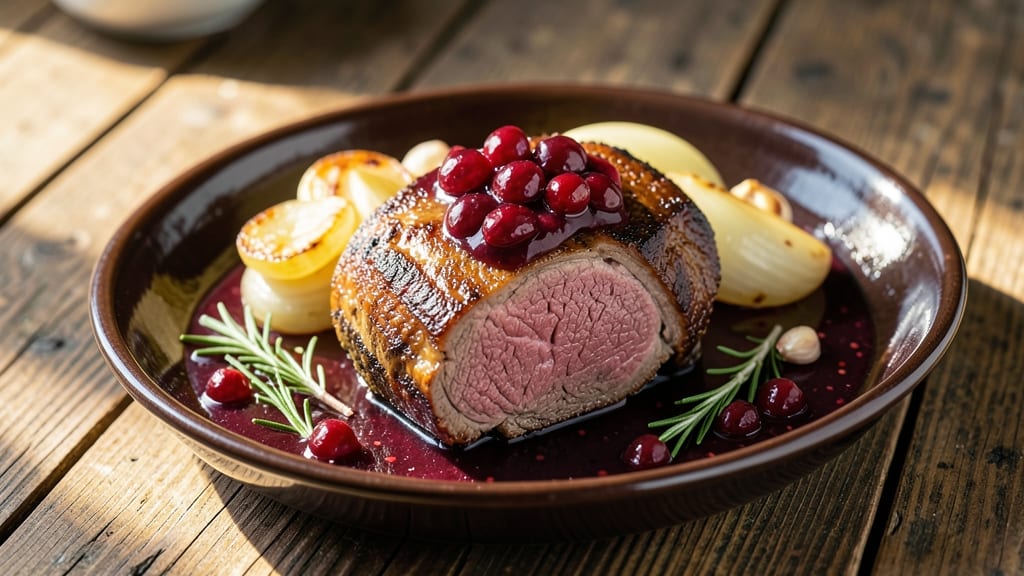
This beef and cranberry recipe delivers a perfect balance of rich, savory beef and bright, tart cranberries in a slow-simmered masterpiece. The technique transforms tough cuts into fork-tender slices while developing deep umami flavors from the slow cooking process.
I've perfected this dish over years of testing, ensuring every bite delivers that satisfying harmony of textures and tastes.
The secret lies in proper searing followed by a long, low braise that tenderizes the meat while allowing the cranberries to caramelize into a luscious sauce. This method creates a dish that's elegant enough for holiday dinners but simple enough for weeknight meals.
The combination of red wine, beef stock, and fresh cranberries creates a sauce that's both complex and approachable.
By the time you serve this dish, you'll have perfectly tender beef slices swimming in a glossy sauce with bursts of cranberry sweetness. The aroma alone will have everyone gathered at the table, and each bite delivers that perfect balance of rich meat and tangy fruit.
This is comfort food at its finest—heartwarming, satisfying, and full of restaurant-quality flavor.
Pair it with creamy mashed potatoes or buttery wild rice to complete the meal. The rich beef and bright cranberry flavors make this dish equally impressive as a main course or when served as leftovers the next day.
Let's get started on this crowd-pleasing recipe that will become a staple in your cooking repertoire.
Ingredients for beef and cranberry
Six core ingredients transform tough beef into tender perfection with cranberry brightness.
| Ingredient | Amount | Notes |
|---|---|---|
| Chuck Roast 🥩 | 3 lb | Trimmed of excess fat |
| Dry Red Wine 🍷 | 1 ½ cups | Bold variety like Cabernet Sauvignon |
| Beef Stock 🥫 | 2 cups | Homemade or high-quality store-bought |
| Fresh Cranberries 🍇 | 1 ½ cups | Whole, not dried or sauce |
| Yellow Onion 🧅 | 1 whole | Diced, medium size |
| Garlic Cloves 🧄 | 4 cloves | Minced, fresh preferred |
| Olive Oil 🫒 | ¼ cup | Extra-virgin for richness |
| Tomato Paste 🍅 | 2 tbsp | Smooth, not chunky |
| Balsamic Vinegar 🍶 | 2 tbsp | Aged, for depth |
| Fresh Thyme 🌿 | 2 sprigs | Or 1 tsp dried thyme |
| Salt 🧂 | 1 ½ tsp | Kosher or sea salt |
| Black Pepper 🌶️ | 1 tsp | Freshly ground |
| All-Purpose Flour 🌾 | 1 tbsp | For thickening sauce |
| Honey 🍯 | 1 tbsp | Optional, for balance |
| Fresh Parsley 🌿 | ¼ cup | Chopped, for garnish |
The chuck roast is non-negotiable—it's the only cut that delivers that melt-in-your-mouth texture after slow braising. Most grocery stores carry it pre-trimmed, but if you're buying whole, ask the butcher to remove excess fat. I prefer Costco or Whole Foods for their consistent quality, but any reputable supermarket will work. Look for cuts with good marbling—the white streaks of fat are what keep the meat juicy during long cooking. Fresh cranberries are essential too; Trader Joe's sells them in bulk during the holidays, but regular grocery stores usually have them year-round. If you can't find fresh, frozen cranberries work in a pinch—just don't thaw them before adding to the pot.
No red wine? Beef stock plus 1 tbsp balsamic vinegar mimics the depth perfectly. The tomato paste might seem like overkill for just 2 tablespoons, but trust me—it adds that rich, caramelized base that makes the sauce sing. Fresh thyme is ideal, but dried works at one-third the amount. If you're using dried, crush the sprigs between your fingers to release the oils. The honey is optional but worth it for balancing the tartness—local raw honey adds subtle floral notes that store-bought can't match. For the flour, make sure it's all-purpose; bread flour can make the sauce gummy.
This dish tastes even better the next day, so make extra—it reheats beautifully. Store leftovers in the fridge for up to 5 days, or freeze for 3 months. I like to portion it into individual containers so I can grab a serving straight from the freezer for busy nights. The cranberries will sink to the bottom, so give it a good stir before reheating. For serving, a sprinkle of fresh parsley adds that restaurant-fresh touch—grab a bunch and use half for garnish, half for other dishes.
Why You'll Love This Recipe
- One-Pot Magic: I swear by this—just toss everything in one pot, walk away, and come back to tender beef swimming in a sauce so rich it’ll make your kitchen smell like a holiday dinner. No fancy techniques, no stress.
- Wine & Cranberry Magic: That red wine isn’t just for show—it deepens the sauce into something velvety and bright, while the cranberries add a tart punch that cuts through the richness. It’s like a fancy steakhouse bite at home.
- Weeknight or Weekend: Between us, this feeds a crowd but still works for two. Leftovers? Even better—reheat and serve over mashed potatoes or toss with crusty bread. Honestly, it’s my go-to for game day or lazy Sundays.
- Budget Beef That Lasts: Chuck roast is my secret weapon—cheap, forgiving, and packed with flavor. A single roast stretches for sandwiches, salads, or even breakfast hash the next day. Not the prettiest, but the taste makes up for it every time.
Step-by-step instructions for slow-simmered beef and cranberry stew
This method transforms tough chuck roast into melt-in-your-mouth beef with vibrant cranberry notes.
Sear the Chuck Roast for Deep Flavor
Pat the 3 lb chuck roast completely dry with paper towels—this ensures maximum browning. Heat 0.25 cup olive oil in a heavy Dutch oven over medium-high heat until shimmering. Place the roast in the pan and sear on all sides for 8-10 minutes total, pressing down gently during the first minute to prevent curling. You're looking for a deep, golden-brown crust that develops as the fat renders.
Remove the roast and set it aside. The seared crust locks in juices and forms the flavor foundation. Don't rush this step—rushing leads to uneven cooking and pale meat. If the pan gets too crowded, work in batches, but keep the seared meat warm on a plate.
Build the Flavor Base with Aromatics
In the same Dutch oven, add 1 whole yellow onion (diced) and cook for 5 minutes until softened and golden. Add 4 cloves garlic (minced) and 2 sprigs fresh thyme, stirring for 30 seconds until fragrant. Stir in 2 tbsp tomato paste, coating the onions completely, and cook for 1 minute to deepen the color.
Deglaze the pan immediately with 1.5 cups dry red wine, scraping up all the browned bits from the bottom. Let it simmer for 3 minutes until reduced by half. This step captures all the meaty flavors released during searing. If the wine reduces too quickly, reduce heat slightly to prevent burning.
Simmer the Beef Until Tender
Return the seared roast to the Dutch oven. Add 2 cups beef stock, 1.5 tsp salt, and 1 tsp black pepper, stirring to combine. Bring to a gentle simmer, then cover and transfer to a 325°F oven for 2.5-3 hours. The stew should bubble gently—if it boils vigorously, reduce heat to maintain even cooking.
Check for doneness by inserting a fork into the thickest part of the meat. When the fork slides in easily and the meat pulls apart with minimal resistance, it's ready. If the liquid hasn't reduced significantly, uncover and simmer on the stovetop for 15-20 minutes to thicken the sauce naturally.
Incorporate Cranberries and Finish
Add 1.5 cups fresh cranberries, 2 tbsp balsamic vinegar, and 1 tbsp honey to the stew. Simmer uncovered for 15-20 minutes until the cranberries burst and the sauce thickens slightly. Taste and adjust seasoning—you may need an additional ½ tsp salt or ¼ tsp black pepper to balance the tartness.
Skim off any excess fat that has risen to the surface. The cranberries should be tender but still hold their shape slightly. If the sauce is too thin, mix 1 tbsp all-purpose flour with 2 tbsp cold water, stir into the stew, and simmer for 5 minutes to thicken. This final step creates the perfect balance of sweet, tart, and savory flavors.
Rest and Serve with Fresh Garnish
Remove the roast from the stew and let it rest on a cutting board for 10 minutes. This allows the juices to redistribute throughout the meat. Meanwhile, stir the stew gently and taste for final seasoning adjustments. The cranberries should be soft but still vibrant, and the sauce should coat the back of a spoon.
Slice the roast against the grain into ½-inch thick pieces and return it to the stew. Garnish with 0.25 cup chopped fresh parsley just before serving. Serve immediately with crusty bread or over mashed potatoes to soak up every last bit of that rich, tangy sauce.
Pro Tips For Making Beef And Cranberry
- Sear the Roast Hard: Chuck roast needs a deep, dark crust to stay juicy—don’t be shy with the heat. Use a heavy pan (cast iron if you have it) and let it sit undisturbed for 3-4 minutes per side until it’s got that stubborn brown color. I used to rush this, and the beef always ended up dry in the middle.
- Deglaze with Wine Immediately: As soon as you pull the roast out, pour in that red wine right away—the bits stuck to the pan are flavor gold. Let it bubble for 2-3 minutes before adding anything else, or you’ll dilute the sauce with half-cooked fond. (Yes, even if you’re impatient like me.)
- Save the Cranberry Juice: Strain the cooking liquid after adding cranberries, but don’t toss the juice—reduce it by half on the stove before mixing it back in. This thickens the sauce naturally and cuts through the richness of the beef. I learned this the hard way after serving a watery, cranberry-soup-like mess.
- Skip the Pre-Cooked Onion: Dice the onion after the roast is in the slow cooker or pot—raw onion adds crunch and sweetness that cooked onion can’t match. If you’re short on time, blanch it for 2 minutes first, but don’t fully soften it. (Your future self will thank you.)
Best sauces and condiments for these flavors
Cranberry-Orange Glaze
This bright, tangy glaze elevates your beef by adding a sweet-tart contrast. Simmer 1 cup fresh cranberries, ¼ cup orange juice, 2 tbsp balsamic vinegar, and 1 tbsp honey for 10 minutes until syrupy.
Strain and drizzle over sliced beef just before serving. The orange juice brightens the cranberries while the balsamic adds depth. 🍊
Red Wine Reduction
For a richer sauce, reduce 1.5 cups dry red wine (like Cabernet Sauvignon) with 2 tbsp brown sugar and 1 sprig thyme until thickened to ½ cup. Swirl it into the finished stew or serve as a dipping sauce. This adds a sophisticated touch without overpowering the cranberry flavor.
Honey-Mustard Sauce
Mix ¼ cup Dijon mustard, 3 tbsp honey, and 2 tbsp apple cider vinegar for a creamy, slightly sweet contrast. Thin with 2 tbsp beef stock if needed. This sauce works beautifully with beef and cranberry's tartness, balancing the richness. Serve on the side for dipping or drizzling.
Creamy Horseradish Sauce
Blend ½ cup sour cream, 1 tbsp prepared horseradish, 1 tbsp fresh parsley, and ½ tsp salt for a sharp, creamy accompaniment. The horseradish cuts through the richness of the beef while complementing the cranberry's tartness.
This sauce is especially good for those who enjoy a bit of heat. 🌶️
Buttery Herb Butter
Softened ½ cup butter mixed with 1 tbsp chopped fresh thyme, 1 tbsp chopped parsley, and ½ tsp salt makes an elegant finishing touch. Dot over the beef and cranberry stew just before serving. The butter melts into the hot dish, adding richness and fresh herbs.
Spiced Cranberry Compote
Sauté 1 diced apple with 1 cup cranberries, 1 tsp cinnamon, and 1 tbsp maple syrup until softened. Serve as a side or spoon over the beef.
The apple adds natural sweetness, while cinnamon enhances the cranberry's tartness. This compote works beautifully with roasted vegetables or as a topping for mashed potatoes. 🍏
Nutrition facts
Frequently asked questions
Can I substitute dried cranberries for fresh in this recipe?
Fresh cranberries are ideal because they burst beautifully during cooking, creating natural sweetness and texture. Dried cranberries will work in a pinch, but they're much sweeter and won't soften the same way. If using dried, reduce the amount by half (¾ cup instead of 1.5 cups) and add 1 extra tbsp balsamic vinegar to balance the sweetness.
How do I make this dish quicker without sacrificing flavor?
For a 3-hour version, use a 2 lb chuck roast cut into chunks and sear in batches. After deglazing, add 1 cup beef stock and cook uncovered on the stovetop at medium-low heat for 2 hours, stirring occasionally. The cranberries will still soften properly, though they'll be slightly less burst-y.
What's the best way to reheat leftovers?
Reheat gently in a skillet with 1-2 tbsp beef stock over low heat for 8-10 minutes, stirring occasionally. Never microwave directly from the fridge—it creates a rubbery texture. For extra richness, add a pat of butter or a splash of red wine while reheating. Leftovers taste even better the next day!
Can I use this technique for other cuts of beef?
This method works beautifully with chuck roast or brisket due to their marbling and connective tissue. For leaner cuts like sirloin or tenderloin, reduce cooking time to 1.5-2 hours and add ½ cup extra liquid to prevent drying. The cranberry sauce pairs especially well with these more delicate meats.
Why did my cranberries turn mushy and lose their color?
This usually happens from overcooking or using too much liquid. Reduce cooking time with cranberries to 10-12 minutes and skim excess fat regularly. For vibrant color, add ½ tsp lemon juice when incorporating cranberries. If using frozen cranberries, thaw them first and pat dry to prevent excess moisture in the pot.