
Soups & Stews
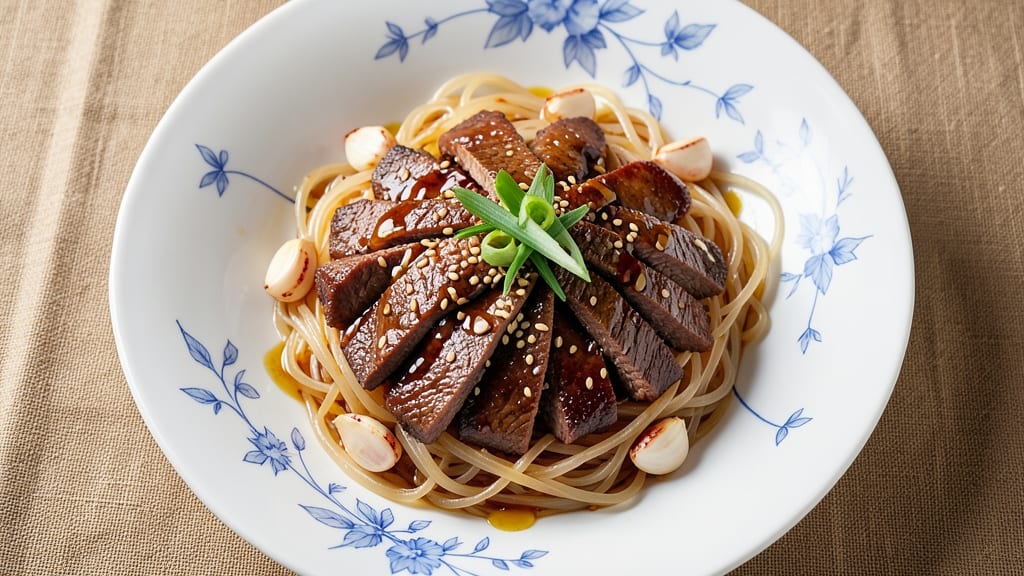
This beef and glass noodle recipe delivers restaurant-quality wok-seared beef with tender, silky glass noodles—perfect for a flavorful weeknight dinner. The key lies in properly marinating the beef to develop deep umami flavors while keeping the glass noodles al dente.
I've refined this technique over years of testing, ensuring every bite balances rich beef with the delicate texture of glass noodles.
The dish starts with thinly sliced beef marinated in a blend of soy sauce, garlic, and ginger, then quickly seared in a hot wok for maximum flavor and texture.
A simple yet aromatic sauce ties everything together, while the glass noodles cook just until tender. This method transforms a simple stir-fry into a restaurant-worthy meal with minimal effort.
What sets this recipe apart is the harmony of textures—crisp edges on the beef, silky noodles, and a glossy sauce that coats every bite. The dish is versatile enough for weeknight suppers or special occasions, and the flavors only deepen as it sits.
The result is a satisfying, umami-rich meal that feels both comforting and refined.
Pair with fresh herbs and lime wedges for brightness, or serve with steamed rice for extra heartiness. The technique is straightforward, but the flavor impact is undeniable. Let’s create this dish together—it’s easier than you think.
Ingredients for beef and glass noodle
Restaurant-quality wok-seared beef with silky glass noodles starts with these 15 key ingredients.
| Ingredient | Amount | Notes |
|---|---|---|
| Flank Steak 🥩 | 1 lb | Thinly sliced against grain |
| Glass Noodles (Mung Bean Starch) 🍜 | 8 oz | Dried, rinsed thoroughly |
| Low-Sodium Soy Sauce 🍶 | ⅓ cup | Kikkoman preferred |
| Oyster Sauce 🍶 | 2 tbsp | Lee Kum Kee brand |
| Sesame Oil 🫒 | 1 tbsp | Toasted, not flavored |
| Garlic Cloves 🧄 | 6 cloves | Minced finely |
| Fresh Ginger 🌿 | 2 tbsp | Grated finely |
| Neutral Oil (Vegetable or Canola) 🫒 | 2 tbsp | High smoke point |
| Green Onions 🧅 | 3 whole | White and green parts separated |
| Sesame Seeds 🌾 | 1 tbsp | Toasted lightly |
| Cornstarch 🌾 | 1 tbsp | For velveting beef |
| White Pepper 🌶️ | ¼ tsp | Freshly ground |
| Sugar 🍚 | 1 tsp | Granulated |
| Red Chili Flakes 🌶️ | ½ tsp | Adjust to taste |
| Lime Wedges 🍋 | 2 whole | For serving |
The beef is everything here. Flank steak delivers the perfect balance of tenderness and chew—sirloin works too but lacks marbling. Look for cuts with good fat distribution at Whole Foods or your local butcher. Slice it against the grain for maximum tenderness. Glass noodles can be found in the Asian aisle at Walmart or H Mart—make sure they're dried, not pre-soaked. The Kikkoman soy sauce and Lee Kum Kee oyster sauce are non-negotiable for that authentic umami punch. If you can't find them, San-J brand soy sauce is a solid backup, but the flavor will differ slightly.
No oyster sauce? Hoisin sauce at half the amount works in a pinch, though it adds sweetness. Fresh ginger and garlic are ideal, but jarred minced ginger (drained well) and powdered garlic (at half the amount) get the job done. The glass noodles need a thorough rinse to remove excess starch—skip this step and they'll turn mushy. For extra richness, add a splash of fish sauce to the marinade, but omit if avoiding it. The cornstarch is crucial for velveting the beef—don't substitute with flour or the texture will suffer. And if you're spice-averse, reduce the chili flakes to 1/4 tsp or omit entirely.
Prep the beef and noodles ahead to save time. The glass noodles can be soaked and refrigerated for up to 2 days before cooking. Store the marinade separately and combine just before searing. Leftover beef reheats well—steam or air fry at 350°F for 3-4 minutes to revive the texture. The noodles? Best eaten fresh, but they'll keep in the fridge for 1 day if stored in a sealed container with a splash of water to prevent drying. For a restaurant-style presentation, toss the finished dish with toasted sesame seeds and serve with lime wedges on the side
Why You'll Love This Recipe
- Foolproof Slice: I swear by this recipe—no fancy knife skills needed. Thinly sliced flank steak cooks in minutes, and those glass noodles? Just rinse, soak, and go. Honestly, the hardest part is waiting for the sauce to simmer.
- Umami Bomb: That combo of low-sodium soy and oyster sauce? It’s the secret weapon. The sesame oil adds a nutty finish that makes every bite taste like a restaurant takeout, but better—no greasy aftertaste here.
- Lunchbox Hero: Between us, this is my go-to for meal prep. The noodles hold up for days, and the beef stays tender. Pack it cold or reheat it—either way, it’s a hit with my kids (yes, even on a Tuesday).
- Budget Stretch: Flank steak is lean but packs flavor, and glass noodles cost pennies. A single batch feeds four for under $15. I’ll be real: it’s my way to eat well without breaking the bank.
Step-by-step instructions for beef and glass noodle stir-fry
Master this wok technique for perfectly seared beef and silky glass noodles every time.
Prepare the Beef for Velveting
Slice the 1 lb flank steak thinly against the grain into ¼-inch strips—this ensures tender bites. In a bowl, combine the steak with 1 tbsp cornstarch, 0.33 cup low-sodium soy sauce, 2 tbsp oyster sauce, 1 tsp sugar, and 0.25 tsp white pepper. Mix gently to coat evenly, but avoid breaking up the strips. Let it marinate for 15 minutes at room temperature while you prep the remaining ingredients.
This velveting process creates a silky texture in the beef. If you skip it, the meat will turn tough instead of tender. The cornstarch helps create a smooth, glossy surface that sears beautifully in the wok.
Cook the Glass Noodles Al Dente
Rinse the 8 oz glass noodles thoroughly under cold water to remove excess starch, then soak in warm water for 10 minutes. Drain and set aside. In a separate bowl, combine 2 tbsp neutral oil, 6 cloves minced garlic, 2 tbsp grated ginger, and 0.5 tsp red chili flakes. Let this mixture sit for 5 minutes to infuse the oil with flavor.
The glass noodles should be tender but still hold their shape—overcooking makes them mushy. If they feel too soft, drain and rinse briefly under cold water to firm them up. This prep step ensures your noodles are ready to absorb the rich beef sauce without turning to paste.
Wok-Sear the Beef to Perfection
Heat a wok or large skillet over high heat until smoking, then add the infused oil mixture. Swirl to coat the pan, then add the marinated beef in a single layer. Cook undisturbed for 1-2 minutes until the edges crisp and release easily from the pan. Stir-fry for another 2-3 minutes until the beef is deep brown and fully cooked through.
Don't overcrowd the pan—this steams the beef instead of searing it. If the beef releases too quickly, reduce heat slightly to prevent burning. The goal is a caramelized crust with tender meat inside. Remove the beef and set aside, leaving the flavorful browned bits in the pan.
Build the Umami Sauce
Return the wok to medium-high heat and add the drained glass noodles. Toss for 1-2 minutes to coat with the residual beef juices. Pour in 1 tbsp sesame oil and toss again to combine. Add the white and green parts of 3 whole green onions, sliced separately, and stir-fry for 30 seconds until fragrant.
Deglaze the pan with 2 tbsp water, scraping up all the browned bits from the bottom. Let it simmer for 1 minute until slightly reduced. Return the beef to the wok and toss everything together for 1-2 minutes until evenly coated. The sauce should cling to the noodles and beef, creating a glossy, umami-rich finish.
Finish and Serve Immediately
Transfer the beef and noodles to serving plates, garnishing each portion with 1 tbsp toasted sesame seeds and a lime wedge. Serve immediately while the noodles are hot and the beef is still juicy. The lime brightens the rich flavors, while the sesame seeds add a nutty crunch.
This dish is best enjoyed fresh—glass noodles lose their silky texture if left sitting. Pair with steamed jasmine rice or a crisp cucumber salad to balance the hearty stir-fry. The combination of wok-seared beef and silky noodles delivers that perfect texture contrast every time.
Pro Tips For Making Beef And Glass Noodle
- SEAR THE STEAK HOT: Flank steak needs screaming heat to develop that caramelized crust—no wimpy medium-high. I used to walk away too soon, and the beef would end up grayish. Instead, work in batches if needed, and let it hit 145°F (63°C) internally before pulling it off. That’s when it’ll slice like butter.
- SOAK NOODLES COLD: Glass noodles triple in size, so dump them in ice water for 10 minutes first. I learned this the hard way—dry noodles in a stir-fry turn to mush. Drain well, then toss with a drizzle of sesame oil while they’re still wet to keep them glossy.
- SALT THE STEAK 20 MINUTES EARLY: Season flank steak with salt and a touch of oyster sauce before cooking—it tenderizes better. I skipped this once and ended up with chewy beef. Let it sit uncovered on a plate while you prep the rest; the salt draws out moisture, and it reabsorbs like a sponge.
- STIR-FRY IN TWO STAGES: Cook the beef first until it’s just done, then set it aside. Toss the noodles in the same pan with a splash of water (they’ll steam and soften faster). Add the beef back in with sauces—this keeps the noodles from turning to glue. Works every time, no exceptions.
Make-ahead tips for beef and glass noodle
Marinate Ahead
The beef marinade can be prepped up to 12 hours in advance—I like to do this the night before. Store the marinated beef in an airtight container in the fridge, keeping it cold until you're ready to sear.
The flavors deepen overnight, creating a more complex umami profile. Just bring it to room temperature for 15 minutes before cooking to ensure even searing. 💪
Pre-Soak Noodles
Glass noodles can be soaked and refrigerated for up to 2 days before cooking. Rinse them thoroughly, then soak in warm water for 10 minutes, drain, and store in an airtight container with a splash of water to prevent drying.
When ready to cook, reheat them in boiling water for 2-3 minutes—they'll be ready to toss into your wok immediately. This step saves 15 minutes of prep on busy weeknights.
Sauce Prep Shortcut
Combine all sauce ingredients (soy sauce, oyster sauce, sesame oil, garlic, ginger, and chili flakes) in a small bowl and refrigerate for up to 3 days. When you're ready to cook, simply heat the sauce in the wok for 1 minute before adding the noodles and beef.
This pre-mix ensures you won’t be scrambling to measure ingredients during the stir-fry. I keep mine in a glass jar with a tight-sealing lid for easy storage.
Beef Reheating Hack
If you have leftover beef, reheat it in an air fryer at 350°F for 3-4 minutes or steam it for 2 minutes over boiling water. The air fryer method revives the crispy edges beautifully, while steaming keeps the texture tender.
Store cooked beef in an airtight container for up to 3 days—it reheats just as well as fresh. 🔥
Complete Meal Prep
Assemble the entire dish ahead of time by cooking the beef and noodles separately, then storing them in separate airtight containers. When ready to serve, simply reheat the beef in the wok with a splash of water, add the noodles, and toss with the pre-made sauce.
This method works especially well for meal prep—just reheat and garnish with fresh lime and sesame seeds. The flavors hold up beautifully for 2 days in the fridge.
Freezer-Friendly Components
Both the beef and glass noodles freeze exceptionally well. Cook the beef as directed, let it cool completely, then store it in a freezer-safe bag for up to 3 months.
For the noodles, cook them al dente, rinse under cold water to cool, and freeze in a single layer before transferring to a bag. To serve, thaw overnight in the fridge, then reheat in the wok with fresh sauce. The texture remains surprisingly silky after freezing. ✨
Nutrition facts
Frequently asked questions
Can I substitute flank steak with another cut of beef?
Yes, but choose thinly cut, tender options like sirloin or ribeye. Avoid tougher cuts like chuck—they won't achieve the same silky texture. For best results, slice against the grain to ¼-inch strips and marinate for at least 15 minutes. Flank steak remains the ideal choice for its perfect fat-to-lean ratio.
Why are my glass noodles turning mushy?
Over-soaking or overcooking causes mushiness. Rinse the noodles thoroughly before soaking, then cook for only 10 minutes in warm water. Drain immediately and rinse briefly under cold water to firm them up. For stir-fries, cook them just until tender (1-2 minutes in the wok) to maintain their signature silky texture.
How do I make this recipe spicier?
Add 1-2 tbsp of chili garlic sauce to the marinade or toss it with the noodles at the end. For heat, include 1 tsp of chopped Thai bird's eye chilies with the garlic and ginger. If you prefer controlled heat, serve with sriracha or chili crisp on the side for customization. Start with 0.5 tsp chili flakes and adjust to taste.
Can I make this dish vegetarian?
Swap the beef for mushrooms (shiitake or oyster) or tofu (pressed and marinated). For mushrooms, slice them thinly and sear until golden. For tofu, press for 30 minutes, cube, and marinate in the same sauce (add 1 tbsp cornstarch to help it crisp). The glass noodles will still shine as the star of the dish.
What's the best way to reheat leftovers?
Reheat in a wok or skillet over medium-high heat with 1 tbsp neutral oil and 1 tbsp water, tossing for 2-3 minutes until warmed through. For crispier beef, use an air fryer at 350°F for 3-4 minutes. Avoid microwaving—it makes the noodles rubbery. Store leftovers in an airtight container for up to 3 days.