
Main Courses
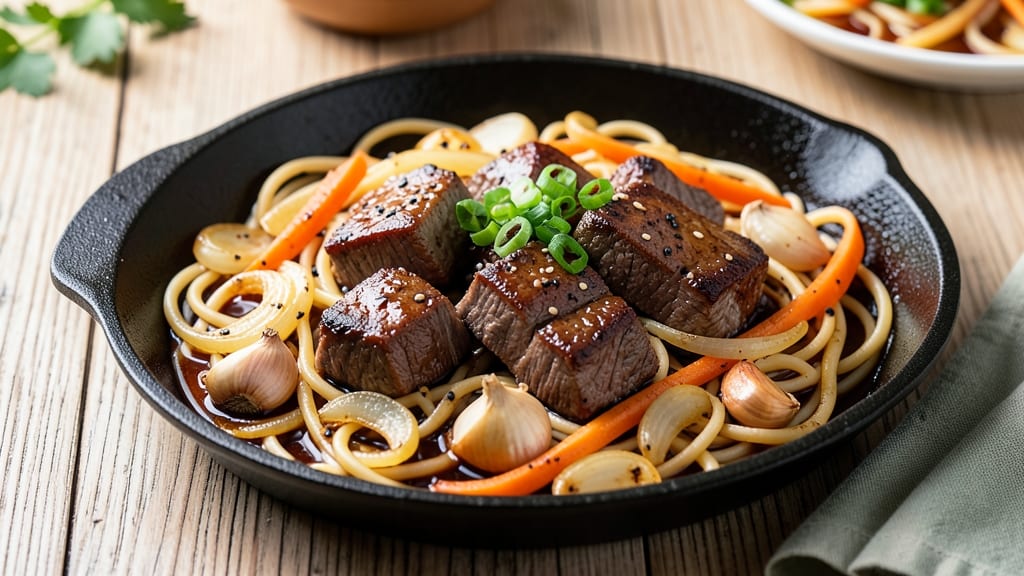
This one-pot beef and noodles recipe on the stove top transforms weeknight dinners into restaurant-worthy meals with minimal effort. The secret lies in searing beef to lock in flavor, then simmering it with aromatic vegetables and rich broth until tender.
Every bite delivers a perfect balance of savory, umami-packed sauce and silky noodles—all achieved in a single pot without dirtying extra dishes.
What sets this recipe apart is the foolproof technique that ensures tender beef and perfectly cooked noodles every time. Start by browning the meat in a hot pan to develop that deep, caramelized flavor, then deglaze with soy sauce and garlic for an instant flavor boost.
The noodles cook directly in the beef broth, absorbing all the rich, savory goodness as they soften.
By the time you plate it, you'll have a steaming bowl of beef and noodles with fork-tender beef chunks, al dente noodles, and a sauce so flavorful it coats every strand.
The aroma alone will have everyone gathering around the table—no takeout required. This is comfort food at its finest, simplified for busy weeknights.
The beauty of this method is its versatility. Swap in different vegetables like bell peppers or mushrooms, or adjust the sauce to your preference—spicier, sweeter, or more savory. It's the kind of recipe that adapts to what you have on hand while delivering restaurant-quality results with minimal effort.
Ingredients for beef and noodles recipe stove top
Restaurant-quality beef and noodles starts with these 13 simple, bold ingredients.
| Ingredient | Amount | Notes |
|---|---|---|
| Chuck Roast 🥩 | 1 ½ lb | Cut into 1-inch cubes |
| Egg Noodles 🍜 | 8 oz | Medium or wide egg noodles |
| Yellow Onion 🧅 | 1 whole | Sliced into 1/2-inch strips |
| Carrots 🥕 | 2 medium | Peeled and sliced into rounds |
| Garlic Cloves 🧄 | 4 cloves | Minced for depth of flavor |
| Soy Sauce 🍶 | ½ cup | Low-sodium preferred |
| Beef Broth 💧 | 2 cups | Homemade or high-quality store-bought |
| Tomato Paste 🍅 | 2 tbsp | For concentrated umami |
| Olive Oil 🫒 | 2 tbsp | Extra-virgin for richness |
| Dried Thyme 🌿 | 1 tsp | Or 1 tbsp fresh thyme |
| Ground Black Pepper 🌶️ | 1 tsp | Freshly cracked for heat |
| Salt 🧂 | 1 tsp | Kosher or sea salt |
| Green Onions 🧅 | 2 whole | Sliced for garnish |
The chuck roast is the star here—look for well-marbled cuts at Costco or Whole Foods for the best flavor. Pre-cut cubes save time, but if you're buying whole, ask the butcher to trim excess fat. The egg noodles? Barilla or De Cecco are my go-tos—they hold up better than store-brand options. Carrots should be firm with no soft spots, and garlic cloves should smell pungent, not musty. For the broth, Knight's or Pacific Foods are reliable choices if you're not making it from scratch.
No soy sauce? Coconut aminos or tamari work in a pinch, though the flavor will differ slightly. Fresh thyme is ideal, but dried at one-third the amount gets you close. The tomato paste can be swapped for crushed tomatoes (1 cup) if you prefer a chunkier sauce. For extra umami, add 1 tbsp Worcestershire sauce (ensure it's vegetarian if needed). The green onions are purely for garnish—skip if you're not a fan, but they add a fresh pop of color.
This dish tastes even better the next day as flavors meld. Store leftovers in the fridge for 4-5 days or freeze for 3 months—portion into containers for easy reheating. The noodles absorb the sauce, so add a splash of broth when reheating. For a quicker weeknight version, use pre-cut stir-fry veggies instead of slicing everything yourself. Double the recipe—it reheats beautifully for lunches.
Why You'll Love This Recipe
- One-Pot Magic: I swear by this recipe when I’m too tired to dirty three pans. Chuck roast and noodles simmer right in the same pot—no extra bowls, no fuss. Just toss in the onions, carrots, and garlic, let the flavors meld, and boom: dinner’s ready.
- Garlic Bomb: That first whiff of garlic and beef hitting the pan? Instant mood booster. The slow cook-down turns the chuck into tender, juicy strands that practically melt in your mouth, while the egg noodles soak up every last drop of that savory, aromatic broth.
- Budget Crowd-Pleaser: Honestly, this feeds my family of five for under $15. Chuck roast stretches forever, the noodles are cheap, and the veggies bulk it up without breaking the bank. My kids ask for it more than takeout—yes, even on a Tuesday night.
- Leftovers That Don’t Suck: The best part? The next-day flavor gets even better. The beef stays tender, the noodles soften just right, and reheating takes two minutes. I pack it for lunches or freeze portions—no sad, dry leftovers here. Just pure satisfaction.
Step-by-step instructions for one-pot beef and noodles
This method delivers restaurant-quality beef and noodles in a single pot with minimal cleanup.
Sear the Chuck Roast for Deep Flavor
Heat the 2 tablespoons olive oil in a large, deep skillet or Dutch oven over medium-high heat until shimmering. Add the 1.5 lb chuck roast, cut into 1-inch cubes, and sear undisturbed for 3-4 minutes until deeply browned on all sides. This step develops the rich, caramelized crust that carries the umami flavor throughout the dish.
Resist the urge to move the beef too soon—you want that perfect golden-brown sear. Once browned, remove the beef with a slotted spoon and set aside. The remaining browned bits (fond) will form the flavor base for your sauce, so don't scrape them out.
Build the Flavor Base with Aromatics
In the same skillet, add the 1 whole yellow onion (sliced into ½-inch strips) and 2 medium carrots (sliced into rounds). Cook for 5-6 minutes until softened and beginning to caramelize. Add the 4 cloves minced garlic and cook for an additional 30 seconds until fragrant.
Stir in the 2 tablespoons tomato paste and cook for 1 minute, allowing it to darken slightly. This step intensifies the umami depth that defines the dish. If the vegetables stick, add 1-2 tablespoons beef broth to deglaze and scrape up any browned bits from the bottom of the pan.
Simmer the Beef in Flavorful Broth
Return the seared beef to the skillet and pour in the 2 cups beef broth and ½ cup soy sauce. Sprinkle with 1 teaspoon salt, 1 teaspoon ground black pepper, and 1 teaspoon dried thyme. Bring to a gentle boil, then reduce heat to low, cover, and simmer for 45-50 minutes until the beef is fork-tender.
Check the beef periodically—it's ready when it easily pulls apart with a fork. If the liquid reduces too quickly, add 2-3 tablespoons water to maintain a light sauce consistency. The longer you simmer, the more tender and flavorful the beef becomes, but avoid overcooking or it will dry out.
Cook the Noodles Directly in the Pot
Once the beef is tender, add the 8 oz egg noodles directly to the pot. Stir gently to coat them in the flavorful broth, then increase heat to medium and cook for 8-10 minutes, stirring occasionally, until the noodles are al dente and the sauce has thickened slightly.
This one-pot method ensures the noodles absorb all the rich beef flavors. If the sauce becomes too thick before the noodles are done, add 2-3 tablespoons beef broth to loosen it. The noodles should be tender but still hold their shape—overcooking turns them mushy.
Finish and Garnish for Perfect Presentation
Remove the pot from heat and let it sit for 2-3 minutes to allow the flavors to meld. Stir in the 2 whole green onions (sliced) and taste for seasoning. Adjust with additional soy sauce for saltiness or black pepper for heat if needed.
Serve immediately while the noodles are silky and the beef is juicy. The dish should be rich with deep umami flavors from the beef, balanced by the slight sweetness of the carrots and the aromatic depth of the garlic and thyme. Garnish with extra green onions for freshness and color.
Pro Tips For Making Beef And Noodles Recipe Stove Top
- SEAR THE CHUCK FIRST: I learned this the hard way—skipping the sear means bland beef. Cut the roast into 1-inch chunks, pat them dry with paper towels, then hit a screaming-hot pan with oil. Let those chunks brown for 3-4 minutes per side before touching them with anything else. That crust locks in flavor when you later simmer it.
- SWEAT ONIONS LOW AND SLOW: Diced onions burn faster than you think. Cook them on medium-low heat for 8-10 minutes, stirring occasionally, until they’re soft and translucent—not golden. Add carrots and garlic only after the onions have released their sweetness, or you’ll end up with bitter, charred bits. (Yes, even if you’re impatient like me.)
- DON’T BOIL THE NOODLES: Egg noodles go mushy fast in broth. Cook them al dente (1 minute less than package says), then drain and toss with a splash of cold water to stop cooking. Add them to the pot last—just 2-3 minutes of simmering is enough to warm them through. Overcooking turns them into glue.
- USE THE BROTH WELL: After searing the beef, deglaze the pan with 2 tablespoons soy sauce and a splash of water—scrape every last bit from the bottom. That browned stuff is flavor gold. Reduce it slightly before adding broth, or you’ll dilute the depth. (Pro move: Save a cup of the final broth to make a quick pan sauce if it’s too thin.)
Essential equipment for great beef and noodles recipe stove top
Stovetop Essentials
Your large Dutch oven is the MVP for this recipe—its deep sides prevent splatter when searing beef, and the heavy base distributes heat evenly for simmering. I recommend a Lodge 5.5-quart for its durable cast iron construction that retains heat beautifully.
If you don’t have one, a stainless steel stockpot with a tight-fitting lid works too—just make sure it’s at least 3-quart capacity to accommodate the beef and noodles without crowding. 🔥
Searing Tools
A slotted spoon is non-negotiable for removing seared beef without losing the flavorful fond. I use a OXO Good Grips—it’s heat-resistant and has deep tines to securely grip meat chunks.
For stirring, a wooden spoon prevents scratching your pot’s surface while scraping up browned bits. Avoid metal utensils during the searing phase to protect your nonstick or enameled cookware.
Precision Cooking
Invest in a kitchen timer to track the 45-minute simmer—I set mine for 10-minute intervals to check beef tenderness. A meat thermometer ensures perfect doneness: beef should reach 195°F (well-done) or 170°F (medium) before adding noodles.
For budget options, the Thermoworks Smoke is my top pick, but even a basic instant-read thermometer works in a pinch.
Broth & Sauce Control
A fine-mesh strainer comes in handy if you’re using homemade broth—it removes impurities while keeping the flavor intact. For adjusting sauce consistency, keep beef broth nearby to thin if needed. I also like having a small ladle for tasting as I go—it’s easier to sample and adjust seasoning without overcommitting.
A microplane for garlic and mandoline for onions/carrots saves prep time, though a sharp chef’s knife works just fine.
Garnish & Serving
Fresh green onions should be sliced with a serrated knife for clean cuts. For extra flair, I keep toasted sesame seeds and red pepper flakes on hand—just a sprinkle adds texture and heat.
Serve in deep bowls to contain the sauce, or use individual ramekins for portion control. Don’t forget a tongs for easy serving without breaking noodles.
Cleanup Shortcuts
Line your stovetop with parchment paper under the pot to catch stray bits—trust me, it’s a game-changer for cleanup. A long-handled spatula helps scrape stubborn bits from the pot without burning yourself.
For leftovers, glass storage containers with tight lids keep flavors sealed in. Pro tip: Soak your wooden spoon in warm, soapy water immediately after cooking to prevent stuck-on sauce. ✨
Nutrition facts
Frequently asked questions
Can I use ground beef instead of chuck roast?
Yes, but the texture will differ. Ground beef cooks much faster (10-12 minutes instead of 45 minutes) and won't develop the same tender, fork-pulling quality. For best results, brown the ground beef first, then proceed with the recipe. If you prefer ground beef, add 1 tablespoon cornstarch to thicken the sauce faster.
What if my beef is still tough after simmering?
This usually happens if the heat was too high or the cooking time too short. For tough beef, try 2 extra minutes per side in the oven at 300°F after the stovetop simmer. Alternatively, slice the beef thinner and add it back to the pot with 2 tablespoons water to steam for 5 more minutes. The acidity in the soy sauce will help tenderize it further.
Can I make this recipe without soy sauce?
Swap the ½ cup soy sauce with ¼ cup Worcestershire sauce and ¼ cup beef broth for a similar umami depth. For a vegetarian option, use ½ cup coconut aminos or ½ cup tamari. The dish will still be flavorful, though the color will be slightly lighter without soy's deep brown hue.
How do I prevent the noodles from turning mushy?
Cook the noodles 1 minute less than package instructions, then finish them in the beef broth. Stir frequently during the last 2 minutes of cooking to prevent sticking. If the sauce thickens too fast, add 2-3 tablespoons beef broth to loosen it. Always drain excess liquid before serving—silky noodles should cling together slightly when lifted with tongs.
Can I prep this recipe ahead of time?
Yes! Sear the beef and build the flavor base up to Step 2, then refrigerate for up to 2 days or freeze for 3 months. When ready to cook, add the broth and soy sauce, simmer the beef for 30 minutes (it'll be tender), then cook the noodles as directed. For extra flavor, add 1 teaspoon fish sauce when reheating.