
Soups & Stews
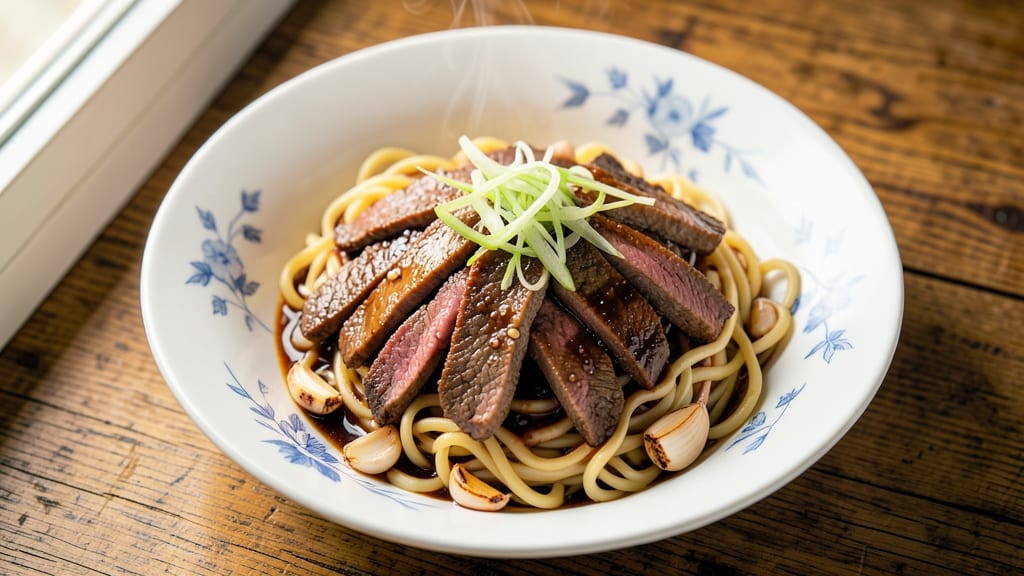
This beef and hokkien noodles recipe delivers the bold, aromatic flavors of a Singaporean street stall in your own kitchen—where tender beef, chewy noodles, and a rich, umami-packed sauce come together in a single wok.
The secret lies in high-heat searing for the beef and achieving that signature wok hei, or "breath of the wok," which infuses every bite with smoky depth. I’ve perfected this technique over years of testing, ensuring the sauce balances sweet, spicy, and savory notes without overpowering the delicate beef.
The foundation of great hokkien noodles is in the preparation: fresh egg noodles cooked just until tender (not mushy), beef slices seared to medium-rare for maximum tenderness, and a sauce reduced to a glossy, concentrated consistency.
This isn’t just a stir-fry—it’s a harmonious blend of textures and flavors where each component plays its part. The noodles provide chew, the beef offers richness, and the sauce ties everything together with layers of complexity.
What you’ll end up with is a dish that’s restaurant-quality yet approachable at home, served with classic accompaniments like pickled vegetables for tangy contrast or chili oil for an extra kick. The aroma alone—caramelized beef, toasted garlic, and simmering soy—will have everyone gathered around the table.
This recipe is designed to impress, whether you’re cooking for a date night or feeding a hungry family.
Ready in under 30 minutes, it’s the perfect weeknight meal that still feels special. The key is confidence in the wok—don’t overcrowd, and let the ingredients sing. Here’s how to make it happen.
Ingredients for beef and hokkien noodles
Fresh egg noodles, tender beef, and aromatic wok-fried sauce come together for this Singaporean street-style dish.
| Ingredient | Amount | Notes |
|---|---|---|
| Flank Steak 🥩 | 1 lb | Thinly sliced against grain |
| Egg Noodles 🍜 | 12 oz | Fresh, chewy variety |
| Garlic Cloves 🧄 | 6 cloves | Minced, aromatic |
| Fresh Ginger 🌿 | 2 tbsp | Finely grated |
| Light Soy Sauce 🍶 | ½ cup | High-quality brand |
| Dark Soy Sauce 🍶 | 1 tbsp | For depth of flavor |
| Oyster Sauce 🍴 | 2 tbsp | Thick consistency |
| Sesame Oil 🫒 | 1 tbsp | Toasted for aroma |
| Brown Sugar 🍯 | 1 tbsp | Lightly packed |
| White Wine 🍷 | ¼ cup | Dry variety preferred |
| Vegetable Oil 🫒 | 2 tbsp | High smoke point |
| Green Onions 🧅 | 3 whole | Sliced, for garnish |
| Red Chili Flakes 🌶️ | ½ tsp | Adjust to taste |
| Salt 🧂 | 1 tsp | Kosher or sea salt |
| Black Pepper 🌶️ | ½ tsp | Freshly ground |
The beef is everything here. Flank steak is ideal—lean but tender when sliced thin against the grain. Look for marbled cuts at Whole Foods or your local butcher; avoid pre-sliced packages that can dry out. Fresh egg noodles are non-negotiable—Trader Joe's or Asian markets carry the perfect chewy variety. If you can't find them, fresh ramen noodles work in a pinch. The garlic and ginger should be vibrant, not shriveled—organic from the farmers market adds extra punch. For the soy sauces, Lee Kum Kee is a trusted brand, but any high-quality light and dark soy will do.
No oyster sauce? Hoisin sauce plus a splash of soy mimics the depth. Short on wine? Dry sherry or extra soy sauce works. The sesame oil adds aroma, but if you're sensitive to its flavor, reduce to 1/2 tbsp. For extra heat, swap chili flakes for Sichuan peppercorns (toasted and crushed). The sauce should coat the back of a spoon—reduce longer if needed. The beef should sear quickly over high heat; don't overcrowd the wok or it'll steam instead of caramelize. If your wok isn't seasoned, use a carbon steel skillet instead.
Noodles cook in minutes—30-45 seconds in boiling water is all they need. The beef can be prepped ahead and refrigerated for 24 hours, but slice just before cooking to maintain tenderness. Store leftovers in an airtight container for 3-4 days; the flavors deepen overnight. For a quick meal, freeze cooked noodles and sauce separately—3 months in a sealed bag. Garnish with green onions and a drizzle of sesame oil right before serving to keep everything vibrant.
Why You'll Love This Recipe
- 20-Minute Prep: Honestly, I’m always skeptical about recipes that promise speed—but this one actually delivers. Slice the flank steak thin, toss it in soy sauce and ginger for 10 minutes, then let the wok do the work. No marinating overnight, no chopping for hours—just quick, satisfying action.
- Umami Bomb: That first bite? The garlic and ginger sizzle hits you like a warm hug, then the soy sauce ties it all together with this deep, savory punch. The egg noodles soak up the flavor like sponges, and the beef stays tender with just the right chew—no dry, rubbery bits here.
- Weeknight Hero: Between us, this is the dish I pull out when I’m too tired to think but still want something impressive. It’s perfect for when friends drop by unexpectedly or when you’re craving takeout but don’t want to order. Plus, the leftovers reheat like a dream—better than most delivery food.
- Budget Powerhouse: Flank steak is affordable, and a single package of egg noodles stretches across multiple meals. I’ll be real: I’ve made this for under $10 per serving, and it still feels like a restaurant-quality meal. The ginger and garlic are cheap staples, so you’re basically getting gourmet for pennies.
Step-by-step instructions for beef and hokkien noodles
Master this wok-fried classic with perfectly tender beef and chewy noodles.
Prepare the Flank Steak
Slice the 1 lb flank steak thinly against the grain into ¼-inch strips. This ensures tender bites that cook quickly in the wok. Place the sliced steak in a bowl and season immediately with 1 tsp salt and 0.5 tsp black pepper. Let it marinate at room temperature for 15 minutes—this helps the seasoning penetrate and prevents the meat from curling during cooking.
While the steak marinates, prepare the aromatics. Finely grate the 2 tbsp fresh ginger and mince the 6 cloves garlic cloves. These will form the flavor base for your sauce. Keep them separate until you're ready to cook—they'll release their aromas when heated.
Cook the Beef and Aromatics
Heat a wok or large skillet over high heat until it's smoking hot. Add 2 tbsp vegetable oil and swirl to coat. Working in batches to avoid overcrowding, add the seasoned steak strips and sear for 1-2 minutes until they turn deep brown and develop a caramelized crust. Remove the beef with a slotted spoon and set aside on a plate.
In the same wok, reduce heat to medium-high and add the minced garlic and grated ginger. Stir-fry for 30 seconds until fragrant—this is where the flavors start to develop. Be careful not to burn them; they cook quickly. Add 0.5 tsp red chili flakes and stir for another 10 seconds to distribute the heat evenly.
Build the Sauce
Pour in the 0.25 cup white wine and scrape up any browned bits from the bottom of the wok with a wooden spoon. This deglazing step captures all the beefy flavor that would otherwise stick to the pan. Let the wine simmer for 1-2 minutes until it reduces by half.
Next, add the 0.5 cup light soy sauce, 1 tbsp dark soy sauce, 2 tbsp oyster sauce, and 1 tbsp brown sugar. Stir well to combine and let the mixture simmer for 2 minutes until it thickens slightly. The sauce should coat the back of a spoon—this ensures it will cling beautifully to the noodles later.
Cook the Noodles
Bring a large pot of water to a rolling boil and add the 12 oz egg noodles. Cook according to package instructions until al dente—they should be tender but still have a slight bite. Drain the noodles, reserving ½ cup of pasta water, then rinse briefly under cold water to stop the cooking process. This prevents the noodles from becoming mushy when combined with the sauce.
Return the cooked noodles to the pot and toss with 1 tbsp sesame oil to prevent sticking. Add the reserved beef strips and toss everything together. If the mixture seems dry, add 1-2 tablespoons of reserved pasta water to loosen the sauce and coat the noodles evenly.
Finish and Serve
Transfer the beef and noodle mixture to the wok with the sauce. Stir-fry for 1-2 minutes over medium-high heat until everything is well combined and heated through. The noodles should be coated in a glossy, savory sauce with tender beef pieces throughout.
Garnish with sliced 3 whole green onions and serve immediately while hot. The dish should be rich, slightly sweet, and packed with umami from the soy sauces and oyster sauce. Each bite should deliver tender beef, chewy noodles, and a perfect balance of flavors.
Pro Tips For Making Beef And Hokkien Noodles
- Slice Against the Grain: Flank steak fights back when sliced wrong—always cut thin strips perpendicular to the grain after cooking. I learned this the hard way when my first batch turned into chewy rubber. A sharp knife and quick, even strokes make all the difference.
- Blanch Noodles First: Toss your egg noodles in boiling water for 30 seconds, then drain and shock in ice water. This softens them slightly so they absorb the sauce better without turning mushy. (Yes, even if you're impatient like me—trust the process.)
- Sear Garlic Low and Slow: After frying the beef, add minced garlic to the pan but reduce the heat immediately. Burnt garlic ruins the dish, and you’ll smell it before anyone else notices. A gentle sizzle keeps it aromatic without bitterness.
- Save the Starch: When draining your noodles, reserve ½ cup of the starchy water. Stir it into the sauce at the end—it thickens the broth naturally and adds that signature silky texture. (Your future self will thank you.)
Storing and reheating this dish
Refrigerator Storage
Let your beef and hokkien noodles cool completely before storing—this prevents condensation that makes noodles soggy. Transfer to an airtight container with a tight-fitting lid, pressing down gently to remove air pockets.
Store in the fridge for up to 3 days, though I find the flavors actually deepen after 24 hours as the sauce melds with the beef. Always reheat thoroughly to 165°F before serving. 🌡️
Freezer Prep Tips
For longer storage, freeze portions in single-serving portions using quart-sized freezer bags—this makes reheating easier. Lay flat to save space and label with the date. The noodles will last 3 months without significant texture loss, though I recommend using them within 2 months for best results.
Thaw overnight in the fridge before reheating. ❄️
Stovetop Reheating
My preferred method is stovetop because it restores the wok hei (breath of the wok) that gets lost during storage. Heat 1 tbsp vegetable oil in a wok or skillet over medium-high heat, then add the noodles.
Pour in 2 tbsp water or reserved pasta water and stir-fry for 3-4 minutes until heated through. Finish with a splash of sesame oil and green onions to revive the dish’s aroma. 🔥
Microwave Shortcut
For quick meals, transfer noodles to a microwave-safe dish, cover loosely with a damp paper towel, and heat on high for 2-3 minutes, stirring halfway. Add 1 tbsp water or beef broth to prevent drying.
The beef may look slightly dry after reheating, but a quick toss with 1 tsp soy sauce brings back moisture and flavor. Garnish with fresh green onions right before eating. ⚡
Sauce Refresh
If the sauce seems too thick after reheating, stir in 1-2 tbsp water or reserved pasta water to restore its glossy consistency. For extra richness, add a splash of oyster sauce or a pinch of brown sugar to balance any dried-out flavors.
I often reheat just the sauce separately and toss it with the noodles at the end for better flavor distribution. 💫
Garnish Revival
Never underestimate the power of fresh garnishes! Top reheated noodles with sliced green onions, a drizzle of sesame oil, and a sprinkle of red chili flakes to wake up the dish.
A few drops of chili oil or a squeeze of lime adds brightness that cuts through any reheating dryness. Serve immediately for the best texture and aroma. 🌶️
Nutrition facts
Frequently asked questions
Can I use regular spaghetti instead of egg noodles?
Fresh egg noodles are essential for that signature chewy texture, but if you're in a pinch, fresh ramen noodles or udon work best. Avoid dried spaghetti—it lacks the springy bite and absorbs too much sauce, making the dish mushy. For a closer match, look for "chewy" or "egg" noodles at Asian markets.
What's the best cut of beef for this recipe?
Flank steak is ideal—it's lean, flavorful, and tender when sliced thin against the grain. Other great choices include sirloin or skirt steak. Avoid tougher cuts like chuck or round; they won't become tender enough with quick searing. Always buy the freshest cut possible and slice it yourself for best results.
How do I prevent the beef from getting chewy?
Slice the beef thinly against the grain (no thicker than ¼-inch) and marinate it for 15 minutes before cooking. High heat and quick searing (1-2 minutes) are key—don't overcook! Also, work in batches to avoid overcrowding the wok, which steams instead of sears the meat.
Can I make this dish ahead of time?
Store components separately: refrigerate the cooked beef for 24 hours and freeze noodles/sauce for 3 months. Reheat noodles separately with a splash of water, then toss with beef and sauce. For best results, revive the dish with fresh green onions and sesame oil right before serving.
What sides pair well with hokkien noodles?
Classic pairings include pickled vegetables (like cucumber or daikon) for tangy contrast, steamed bok choy, or a simple green salad with sesame dressing. For extra richness, serve with fried shallots or crispy wonton strips. The key is balancing textures—something fresh and crunchy cuts through the richness.