
Soups & Stews
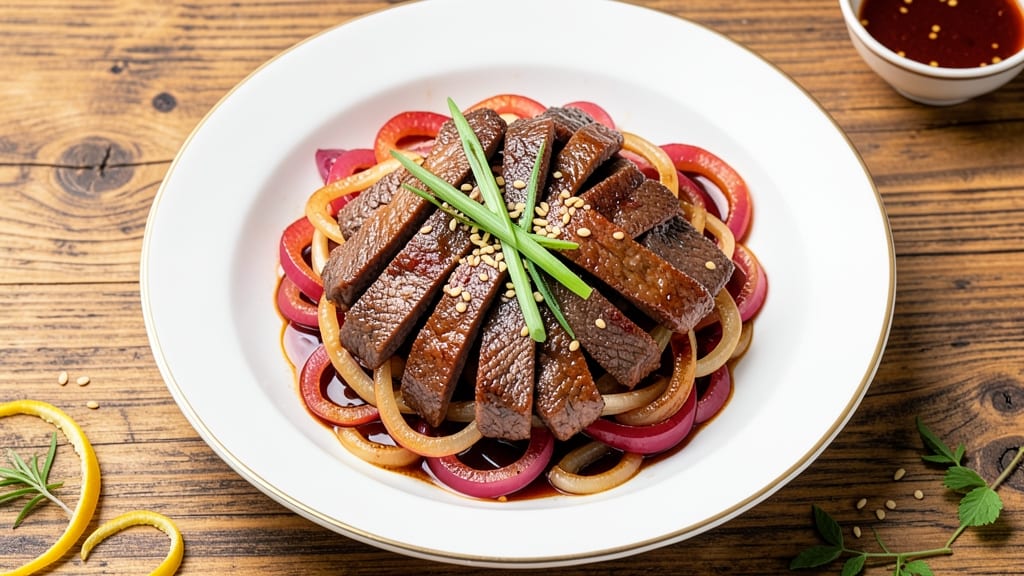
This Chinese recipe for beef and onion delivers restaurant-quality tenderness with silky onions—perfect for weeknight dinners or special occasions. The secret lies in velveting the beef for melt-in-your-mouth texture while caramelizing onions until they're sweet and translucent.
I've perfected this method over years of testing, balancing rich soy flavors with just the right amount of sweetness and depth.
The dish starts with thinly sliced beef marinated in a blend of cornstarch and egg whites, creating that signature silky texture. As it simmers in a savory soy-ginger broth, the onions transform from sharp to delicate, absorbing all the umami-rich flavors.
This foolproof technique ensures your beef stays tender while developing deep, complex notes that make every bite satisfying.
What you'll end up with is a dish that's equally at home in a bustling Chinese restaurant or your own kitchen—juicy beef slices, glossy onions, and a sauce that's rich yet balanced.
The aroma alone will have everyone gathering around the table, and the first bite delivers that perfect harmony of textures and flavors. Serve it over steamed rice for the full experience.
This recipe scales beautifully for crowds, making it ideal for gatherings or meal prep. The leftovers reheat wonderfully, maintaining that same tender texture and vibrant flavors. Whether you're introducing someone to Chinese cuisine or recreating a favorite dish, this beef and onion combination delivers consistent, impressive results every time.
Ingredients for beef and onion chinese
Restaurant-quality tenderness starts with these carefully chosen ingredients for melt-in-your-mouth beef and silky onions.
| Ingredient | Amount | Notes |
|---|---|---|
| Flank Steak 🥩 | 1 ½ lb | Thinly sliced against grain |
| Yellow Onions 🧅 | 3 whole | Thinly sliced for caramelization |
| Cornstarch 🌾 | ¼ cup | For velveting beef texture |
| Large Egg Whites 🥚 | 2 whole | Freshly beaten for coating |
| Light Soy Sauce 🍶 | ½ cup | For umami depth |
| Dark Soy Sauce 🍶 | 2 tbsp | For rich color |
| Sesame Oil 🫒 | 1 tbsp | Toasted for aroma |
| Fresh Ginger 🌿 | 1 tbsp | Grated, for zing |
| Garlic Cloves 🧄 | 4 cloves | Minced for depth |
| Brown Sugar 🍚 | 2 tbsp | Balances flavors |
| Shaoxing Wine 🍷 | ¼ cup | For authentic flavor |
| Green Onions 🧅 | ¼ cup | Sliced for garnish |
| Neutral Oil 🫒 | 2 tbsp | For frying onions |
| Salt 🧂 | 1 tsp | Kosher preferred |
| White Pepper 🌶️ | ½ tsp | Freshly ground |
The flank steak is non-negotiable here—look for well-marbled cuts at your local butcher or Costco for the best texture. Thinly slicing against the grain is key, so ask your butcher to slice it for you if possible. Yellow onions should be vibrant and firm, with no soft spots—Trader Joe's or Whole Foods carry reliable options. The cornstarch and egg whites create that signature silky texture, so don't skip either. For Shaoxing wine, Asian markets have authentic bottles, but a dry sherry works in a pinch.
No Shaoxing wine? Dry sherry or even a splash of rice vinegar adds acidity. Swap dark soy sauce for extra light soy sauce plus a pinch of molasses if you're out. Fresh ginger and garlic are ideal, but powdered ginger at half the amount works if you're in a hurry. The brown sugar can be white sugar or coconut sugar—just know it'll be slightly less caramelized. For the onions, red onions work too, though yellow gives that classic Chinese restaurant color. And if you're using pre-sliced onions, pat them dry first to prevent excess moisture in the pan.
Store the beef and onions separately in airtight containers for up to 3 days in the fridge. The sauce keeps for 5 days and freezes beautifully for 3 months. I always make double batches—one for dinner, one to freeze for lazy nights. The leftovers reheat perfectly, with the onions staying silky and the beef tender. For extra flavor, add a splash of water or broth when reheating—it helps revive the sauce.
Why You'll Love This Recipe
- No-Chop Night: The onions slice themselves—just quarter and slice thick. Flank steak stays tender if you slice against the grain (I mark it first with my knife so I don’t mess up). Honestly, this is the kind of recipe that makes me want to cook when I’d rather binge Netflix.
- Umami Bomb: That light soy sauce and cornstarch slurry? Magic. The beef gets this glossy, caramelized crust while staying juicy inside, and the onions turn sweet and sticky. I’ll be real: the first time I tasted it, I nearly burned my mouth from how good it was.
- Lunchbox Hero: Pack it cold or reheat it—this holds up perfectly. I make a double batch on Sundays because it’s great with rice, noodles, or even straight from the pan with a side of steamed greens. My kids beg for leftovers, and my husband’s coworkers always ask for seconds at potlucks.
- Budget Powerhouse: Flank steak stretches far, and onions are cheap. Egg whites add protein without breaking the bank. I’ve fed six people for under $15 with this—plus, it’s one of those dishes that tastes better the next day (yes, even on a Tuesday night).
Step-by-step instructions for soy-braised beef and onions
Transform tough flank steak into silky, melt-in-your-mouth beef with perfectly caramelized onions—it's all in the velveting technique.
Velvet the Beef for Unmatched Tenderness
Slice the 1.5 lb flank steak thinly against the grain into ¼-inch strips. In a large bowl, whisk together the 2 whole large egg whites, 0.25 cup cornstarch, 1 tsp salt, and 0.5 tsp white pepper until smooth. Add the beef strips and toss gently to coat evenly—this cornstarch slurry will create a silky texture when cooked.
Let the coated beef rest for 15 minutes at room temperature. This step is non-negotiable—it ensures even cooking and prevents tough, chewy bites. The cornstarch will form a translucent coating that transforms the beef's texture when seared.
Sear the Beef for Deep Flavor
Heat 2 tbsp neutral oil in a wok or deep skillet over high heat until shimmering. Working in batches to avoid crowding, add the beef and sear for 1-2 minutes until the cornstarch coating turns golden brown and crispy. Remove and set aside—this quick sear locks in juices while building flavor.
Here's the thing—don't skip the batch cooking. Overcrowding the pan will steam the beef instead of searing it, leading to mushy results. You want those strips to develop a crispy crust that dissolves into the sauce later.
Caramelize the Onions for Sweet Depth
In the same pan, reduce heat to medium and add 2 tbsp neutral oil. Add 3 whole yellow onions, sliced thinly, and cook for 8-10 minutes without stirring until deep golden brown. This patience pays off—prolonged cooking develops caramelization that balances the soy sauce's saltiness.
Stir in the 4 cloves minced garlic and 1 tbsp grated fresh ginger, cooking for 30 seconds until fragrant. Add 2 tbsp brown sugar and cook for another 1 minute to help deepen the caramelization. The onions should be soft enough to collapse under gentle pressure.
Braise the Beef in Soy Sauce
Return the seared beef to the pan and add 0.5 cup light soy sauce, 2 tbsp dark soy sauce, and 0.25 cup shaoxing wine. Bring to a simmer, then reduce heat to low and cover partially. Let it cook for 15-20 minutes, stirring occasionally, until the sauce reduces to a glossy consistency that clings to the beef.
This braising step transforms the beef from tough to tender by breaking down connective tissues in the warm, flavorful liquid. The dark soy sauce adds that signature deep color while balancing the light soy's umami. Taste and adjust seasoning—you might need a touch more light soy sauce for balance.
Finish with Sesame Oil and Garnish
Remove from heat and stir in 1 tbsp toasted sesame oil and 0.25 cup sliced green onions. The sesame oil adds aromatic depth while the green onions provide fresh contrast. Let the dish rest for 5 minutes before serving—this allows flavors to meld and the sauce to thicken slightly.
Serve immediately over steamed rice, where each bite delivers perfectly tender beef with silky onions. The velveting technique ensures you'll never get tough beef again, while the caramelized onions add sweetness that perfectly complements the savory soy sauce.
Pro Tips For Making Beef And Onion Chinese
- SLICE AGAINST THE GRAIN: Flank steak’s tough fibers run parallel to the cut—slicing perpendicular makes every bite tender. Use a sharp knife and angle it low, or you’ll fight the grain and end up with chewy strips.
- SAUTE ONIONS LOW AND SLOW: I used to blast onions on high heat and end up with bitter, browned mush. Instead, cook them over medium-low for 8-10 minutes until soft and translucent—this builds flavor without burning. Stir occasionally, but don’t rush it.
- WHISK EGG WHITES VIGOROUSLY: Thin, even coating = crispy result. Whip the egg whites until they hold soft peaks, then mix with cornstarch before dredging the beef. If the batter’s too thick, add a splash of water—you want it to cling, not drip.
- REST STEAK BEFORE SLICING: Skipping this step is a rookie move. After cooking, tent the steak with foil and let it sit 5 minutes—this keeps it from shrinking into tough, stringy slices. Trust me, your knife will thank you.
Common mistakes when making this recipe
Overcrowding the Pan
One of the biggest mistakes is overcrowding the beef when searing. I've seen beginners dump all the cornstarch-coated strips into the pan at once, thinking it's faster. But this steams the beef instead of searing it, leading to mushy texture.
Work in batches—2-3 minutes per batch over high heat—to get that crispy, golden crust that dissolves beautifully into the sauce. 🔥
Skipping the Velveting Step
Some cooks skip the egg white and cornstarch coating, assuming it's unnecessary. Big mistake! This velveting technique is what transforms tough flank steak into silky perfection.
Without it, you'll end up with chewy, rubbery beef. Let the coated beef rest for 15 minutes before searing—this ensures even cooking and that signature texture.
Undercooking the Onions
Rushing the onion caramelization is a common error. You need 8-10 minutes of undisturbed cooking to develop that deep golden color and sweet flavor. I've seen people stir constantly, which prevents proper browning. The patience pays off—properly caramelized onions add sweetness that balances the soy sauce's saltiness perfectly.
Using Wrong Heat Levels
Heat control is everything in this dish. The beef needs high heat for searing, while onions require medium heat for caramelization. Using too low heat for searing makes the beef steam instead of develop that crispy crust.
Conversely, too high heat for onions burns them before they caramelize. Pay attention to your pan's visual cues—it should shimmer before adding beef.
Ignoring the Resting Time
After braising, many people rush to serve immediately. But letting the dish rest for 5 minutes allows flavors to meld and the sauce to thicken slightly. This resting period also helps redistribute juices in the beef, ensuring each bite is tender.
I can't tell you how many times I've seen people skip this, resulting in dry, flavorless beef.
Substituting Key Ingredients
Don't swap Shaoxing wine for just any wine—it adds a specific depth of flavor. Similarly, dark soy sauce can't be replaced with regular soy sauce without losing that rich color. The cornstarch and egg whites are non-negotiable for the velveting effect.
While substitutions are possible in a pinch, they'll change the dish's character significantly. When in doubt, stick to the original ingredients for authentic results. ✨
Nutrition facts
Frequently asked questions
Can I use a different cut of beef instead of flank steak?
Yes, but choose thinly sliced cuts with good marbling. Sirloin or ribeye work well when sliced against the grain. Avoid tougher cuts like chuck—the velveting technique won't transform them into tender perfection. For best results, stick with flank steak or top sirloin.
How do I make this dish spicier?
Add 1 tsp chili crisp or ½ tsp red pepper flakes when finishing the dish. For heat lovers, stir in 1 tbsp chili garlic sauce during the braising step. Start with small amounts—you can always add more, but you can't remove excess spice.
Can I prepare this recipe ahead of time?
The beef and onions keep well in the fridge for 3 days in an airtight container. For longer storage, freeze the cooked dish for up to 3 months. Reheat gently on low heat with a splash of water or broth to revive the sauce. The flavors actually improve after resting overnight.
What if I don't have Shaoxing wine?
Use ¼ cup dry sherry or ¼ cup rice vinegar as substitutes. Both add acidity that helps balance the soy flavors. If using vinegar, reduce to 2 tbsp since it's stronger. The dish will still be delicious, though slightly less authentic.
How do I prevent the beef from getting tough?
Never skip the velveting step! The cornstarch and egg white coating is essential for tenderness. Also, slice the beef against the grain and sear in batches over high heat for 1-2 minutes max. Overcooking is the enemy—keep the braising time at 15-20 minutes on low heat.