
Main Courses
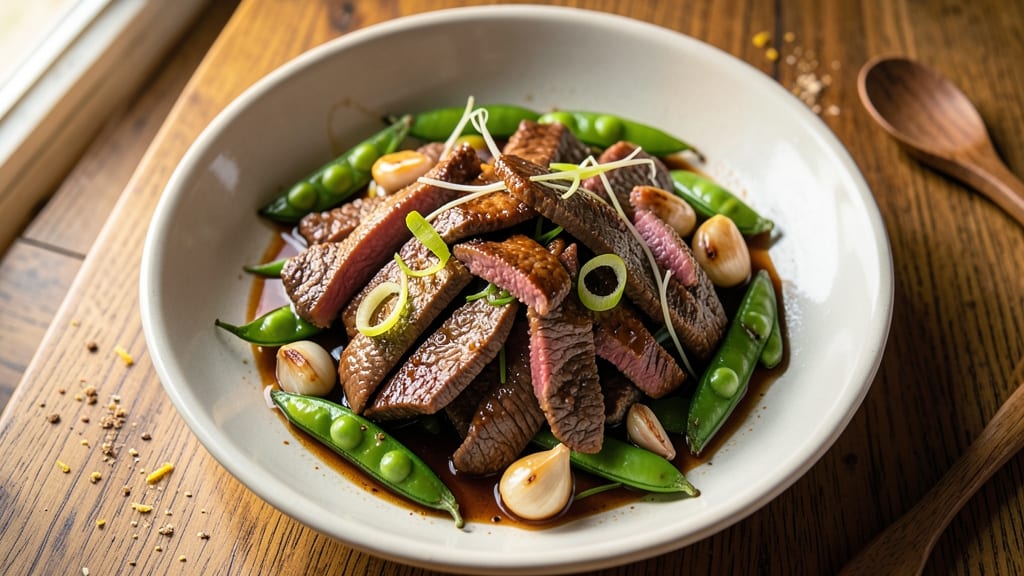
This beef and peapod stir fry delivers restaurant-quality crunch and sweet pea freshness in under 30 minutes. The secret lies in wok-searing tender beef strips alongside crisp peapods, creating a perfect balance of textures and flavors that make every bite satisfying.
I developed this recipe after years of perfecting stir-fry techniques, ensuring the beef stays juicy while the peapods maintain their natural sweetness and satisfying crunch.
The foundation of this dish is high-heat stir-frying, which caramelizes the beef and peapods while keeping everything tender. A simple yet flavorful sauce made with soy sauce, garlic, and a touch of honey ties all the ingredients together, adding depth without overpowering the natural flavors.
The recipe is designed to be adaptable—whether you prefer a classic version or want to add extra vegetables like bell peppers or broccoli.
What you'll end up with is a vibrant, aromatic stir fry that's packed with protein and fresh vegetables. The beef is perfectly seared on the outside while remaining tender inside, and the peapods add a satisfying crunch and natural sweetness.
This dish is not only delicious but also easy to customize to suit your taste preferences or dietary needs.
Serve this beef and peapod stir fry over steamed rice for a complete meal, or pair it with noodles for a heartier option. The leftovers reheat beautifully, making it perfect for meal prep. Let's get started on creating this flavorful and satisfying dish!
Ingredients for beef and peapod stir fry
Restaurant-quality stir-fry starts with these 14 ingredients—crunchy peapods, tender beef, and bold flavors.
| Ingredient | Amount | Notes |
|---|---|---|
| Flank Steak 🥩 | 1 lb | Thinly sliced against grain |
| Peapods 🌱 | 1 ½ lbs | Fresh, trimmed and halved |
| Low-Sodium Soy Sauce 🍶 | ⅓ cup | For balanced flavor |
| Garlic Cloves 🧄 | 6 cloves | Minced, aromatic |
| Fresh Ginger 🌿 | 1 tbsp | Grated, zesty kick |
| Honey 🍯 | 1 tbsp | Light, floral variety |
| Sesame Oil 🫒 | 1 tbsp | Toasted, nutty aroma |
| Neutral Oil 🫒 | 2 tbsp | High smoke point |
| Cornstarch 🌾 | 1 tbsp | For tenderizing beef |
| Green Onions 🧅 | ¼ cup | Sliced, garnish |
| Sesame Seeds 🌱 | 1 tbsp | Toasted, crunchy |
| White Pepper 🌶️ | ¼ tsp | Freshly ground |
| Brown Sugar 🍚 | 1 tsp | Enhances caramelization |
| Red Chili Flakes 🔥 | ½ tsp | Optional, for heat |
The beef is everything here. Flank steak delivers that signature stir-fry texture when sliced thinly against the grain—Costco or Whole Foods carry great cuts. Look for bright red, well-marbled meat. Peapods should be firm and vibrant, not wilted. I grab mine from the produce section at Trader Joe's—their organic ones hold up best. Fresh ginger and garlic are non-negotiable; jarred versions just can't match the freshness. For the soy sauce, Kikkoman low-sodium is my go-to, but any good-quality brand works.
No cornstarch? Arrowroot powder works at a 1:1 ratio. Short on sesame oil? Toasted peanut oil gives similar depth. The honey can be swapped for maple syrup or agave>—just reduce other liquids slightly. Want extra crunch? Add shredded carrots or bell peppers>—they stir-fry beautifully. The red chili flakes are optional but worth it for heat lovers>. For a vegetarian twist, swap beef for extra-firm tofu or mushrooms>. Pro tip: Let the beef marinate in soy sauce, cornstarch, and a splash of water for 15-20 minutes> before cooking—game-changer for tenderness.
Prep everything before turning on the heat—mise en place>. The peapods and beef will cook in minutes, so have your wok or large skillet ripping hot>. Leftovers keep for 3-4 days> in the fridge, but they're best eaten fresh. Freeze portions for up to 3 months>—thaw and reheat gently to preserve that signature crunch. I always make extra because it disappears fast. Store sesame seeds and oil separately to keep them fresh longer.
Why You'll Love This Recipe
- One-Pan Magic: I swear by this for nights when I’d rather watch a movie than scrub pots—just slice the steak thin, toss in the peapods (no shelling, thank you), and let the wok do the work. The garlic and ginger sizzle into the soy sauce while I’m still chopping, so you’re basically done before the timer goes off.
- Umami Bomb: That first bite of tender flank steak with the crisp peapods? The low-sodium soy sauce caramelizes into something rich but not heavy, and the ginger cuts through it like a bright little wake-up call. Honestly, it’s the kind of flavor that makes you pause mid-bite.
- Lunchbox Hero: Between us, this is my go-to for meal prep—double the batch, pack it in containers, and you’ve got lunch sorted for days. The peapods stay crisp, the beef stays juicy, and it reheats like a dream (microwave or pan, no judgment). My 10-year-old even sneaks it from my bag.
- Budget Power Move: Flank steak stretches further than you’d think when sliced thin, and frozen peapods work just as well as fresh. A single jar of ginger and a bulb of garlic last for months across stir-fries, soups, and marinades. It’s the kind of recipe that makes grocery day feel like a win.
Step-by-step instructions for beef and peapod stir fry
Here's how to create a restaurant-worthy stir fry with perfectly seared beef and vibrant peapods.
Prepare the Beef for Maximum Tenderness
Start by slicing the 1 lb flank steak thinly against the grain into ¼-inch thick strips. Place the sliced beef in a bowl and add 1 tbsp cornstarch and 0.25 tsp white pepper. Toss gently but thoroughly to coat each piece evenly. This creates a delicate crust that locks in juices while adding texture.
Let the marinated beef rest for 15 minutes at room temperature. This step is crucial—it allows the cornstarch to adhere properly and ensures even cooking. While it rests, trim and halve the 1.5 lbs peapods, removing any stringy ends. Keep them whole for maximum crunch and visual appeal.
Build the Flavor Base with Aromatics
Heat 2 tbsp neutral oil in a wok or large skillet over medium-high heat until shimmering. Add 6 minced garlic cloves and 1 tbsp grated fresh ginger, stirring constantly for 30 seconds until fragrant but not browned. The aroma should fill your kitchen—this is your flavor foundation.
Next, add 0.33 cup low-sodium soy sauce, 1 tbsp honey, 1 tsp brown sugar, and 0.5 tsp red chili flakes (if using). Stir well and let the mixture simmer for 1 minute until slightly thickened. Here's where the magic happens: the soy sauce reduces slightly, creating a glossy, balanced sauce that will coat every bite.
Wok-Sear the Beef to Perfection
Increase heat to high and add the marinated beef in a single layer. Let it sear undisturbed for 1-2 minutes until the edges develop a golden crust. Here's the thing—don't touch it yet. You'll know it's ready when the beef releases easily from the pan. Stir-fry for another 1-2 minutes until just cooked through but still slightly pink in the center.
Remove the beef to a plate and set aside. If you're concerned about doneness, remember that the beef will continue cooking slightly when combined with the peapods. The key is to remove it while it still has a bit of bite.
Stir-Fry the Peapods Until Vibrant
Add the halved peapods to the same wok and stir-fry for 3-4 minutes until bright green and just tender-crisp. They should still have a slight bite—overcooking turns them mushy. During this time, add 1 tbsp sesame oil and toss everything together.
Return the beef to the wok and toss gently to combine. Cook for an additional 30 seconds to ensure everything is heated through and well-coated with the sauce. The peapods should be vibrant, the beef should be tender yet still holding its shape, and the sauce should cling beautifully to everything.
Finish and Serve with Crunchy Garnishes
Turn off the heat and immediately add 0.25 cup sliced green onions and 1 tbsp sesame seeds. Toss everything together one final time to distribute the garnishes evenly. The sesame seeds add a delightful crunch that contrasts perfectly with the tender beef and peapods.
Serve immediately over steamed rice or noodles. The dish should be vibrant, with bright green peapods, perfectly seared beef, and a glossy sauce that ties everything together. Each bite should deliver a perfect balance of sweet, savory, and umami flavors with that satisfying crunch from the peapods and sesame seeds.
Pro Tips For Making Beef And Peapod Stir Fry
- Slice Steak Against Grain: After cutting flank steak thinly, slice it against the grain—no exceptions. I used to ignore this and ended up with chewy, rubbery beef that ruined the whole dish. A sharp knife and quick, firm strokes make all the difference.
- Blanch Peapods First: Toss whole peapods in boiling water for 30 seconds before stir-frying. This softens them just enough to cook through without turning mushy. (Yes, even if you’re impatient like me—this isn’t optional.)
- High Heat, Low Crowd: Crank the wok or pan to max heat before adding oil, then work fast. Overcrowding drops the temperature, and soggy peapods are a crime. Cook in batches if needed—your stir-fry will thank you.
- Deglaze with Soy Sauce: After removing the beef, pour in the low-sodium soy sauce immediately while the pan is still hot. Let it bubble for 30 seconds to lift all the browned bits (flavor!) before adding the peapods back in. Skipping this step means missing half the taste.
Storing and reheating this beef and peapod stir fry
Fridge Storage Essentials
Let your stir fry cool completely before storing in an airtight container—I use glass Pyrex with snap-on lids. Store at 40°F or below for up to 3 days, but the peapods lose crunch after 2 days.
The beef stays tender if refrigerated properly, but the sauce may separate slightly. To revive, gently reheat with a splash of water or broth. 🌱
Freezer-Friendly Tips
For longer storage, freeze portions in single-serving containers for up to 3 months. Leave ½-inch headspace to prevent ice crystals from dulling the peapods' texture. Thaw overnight in the fridge—never microwave directly from frozen. I recommend quart-sized freezer bags for easy stacking. Label with dates to track freshness. ❄️
Reheating for Crunch
Stovetop reheating preserves texture best: add 2 tbsp water to the pan over medium-low heat for 3-4 minutes. Stir constantly to prevent sticking. Microwave reheating works in 1-minute bursts on 50% power, but add a damp paper towel to retain moisture.
Avoid overcooking—the peapods should still have a slight bite. 🔥
Sauce Revival Tricks
If your sauce looks dry after reheating, stir in 1 tsp sesame oil and ½ tsp soy sauce to restore glossiness. For extra depth, add a pinch of white pepper and grated ginger.
The sauce should coat the ingredients lightly—if it's too thick, thin with 1 tsp water. This trick works even with day-old leftovers. ✨
Garnish Refresh
Before serving reheated stir fry, top with crispy fried shallots or toasted sesame seeds to restore texture contrast. Fresh green onion slices add brightness. If you're short on time, a sprinkle of crushed peanuts delivers a similar crunch. These finishing touches make reheated dishes feel fresh again. 💡
Meal Prep Strategy
Prep components separately for maximum freshness: store the beef and peapods in one container, sauce in another. When ready to eat, stir-fry the peapods fresh for 2-3 minutes, then add reheated beef and sauce.
This method keeps the peapods crisp and the beef juicy. I double the sauce recipe for easy reheating—just warm it separately. 💪
Nutrition facts
Frequently asked questions
Why do you slice beef against the grain?
Slicing against the grain creates shorter muscle fibers that cook more evenly and become tender faster. The ¼-inch thick strips ensure the beef cooks through in 2 minutes while staying juicy. If you slice with the grain, you'll end up with chewy, tough pieces that ruin the stir-fry texture.
Can I substitute peapods with snow peas or snap peas?
Snow peas add a delicate sweetness and crispness, while snap peas offer a slightly sweeter flavor. Use 1 lb of either instead of peapods, but trim the strings first. For maximum crunch, blanch them for 30 seconds before stir-frying to maintain their vibrant color.
What's the best way to prevent the beef from sticking?
Heat your wok or skillet until it's smoking hot before adding oil, and use a high-smoke-point oil like avocado or peanut oil. Never overcrowd the pan—cook the beef in batches if needed. The cornstarch coating also helps create a natural barrier between the meat and the pan.
How can I make this dish spicier?
Add 1 tsp gochujang (Korean chili paste) or ½ tsp cayenne pepper to the sauce base. For heat lovers, stir in 1 tbsp chili garlic sauce at the end. If you prefer fresh heat, toss in 2 sliced Thai chilies during the final stir-fry step.
Can I make this stir fry in a regular skillet?
Yes, but use a 12-inch cast iron or stainless steel skillet for best results. Preheat it on high for 5 minutes to mimic wok temperatures. If your pan isn't wide enough, cook in 2 batches—just be sure to keep the beef moving constantly to prevent sticking.