
Soups & Stews
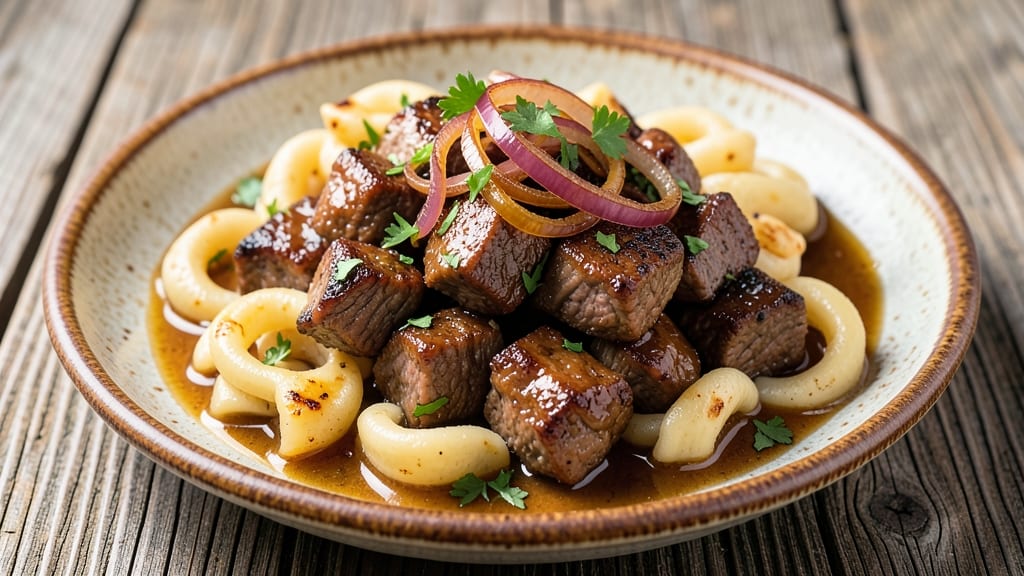
This beef and spaetzle recipe delivers the hearty comfort of a German countryside dinner in one satisfying pan. The rich, slow-braised beef tenderizes into fork-tender perfection while homemade spaetzle—those delicate egg noodles—absorb every last drop of flavorful gravy.
I've perfected this technique over years of testing, ensuring the beef stays juicy and the spaetzle achieves that signature tender yet slightly chewy texture.
The beauty of this dish lies in its simplicity: a single pan handles both the beef and dumplings, minimizing cleanup while maximizing flavor. You'll start with a simple sear for the beef, then let it braise in a rich broth until it nearly falls apart.
Meanwhile, the spaetzle gets its signature push-through-the-colander treatment, creating those signature ridges that soak up sauce like a sponge. This method transforms basic ingredients into a restaurant-quality meal.
What you'll end up with is a steaming plate of tender beef swimming in savory gravy, topped with golden-brown spaetzle that clings to every bite. The aroma alone—caramelized onions, warm spices, and buttery noodles—will have everyone gathered around the table.
It's the kind of dish that feels like a hug, perfect for chilly evenings or family gatherings.
Serve with a simple green salad or sautéed mushrooms to round out the meal, and don't forget the crusty bread for soaking up every last drop of that delicious gravy.
The instructions walk you through each step, from searing the beef to shaping the spaetzle, so you'll achieve professional results without the fuss. Let's get cooking!
Ingredients for beef and spaetzle
The heart of German comfort food: tender beef and homemade spaetzle in one pan.
| Ingredient | Amount | Notes |
|---|---|---|
| Chuck Roast 🥩 | 1 ½ lb | Cut into 1-inch cubes |
| All-Purpose Flour 🌾 | 1 ½ cups | For spaetzle dough |
| Large Eggs 🥚 | 4 whole | Room temperature preferred |
| Yellow Onions 🧅 | 2 whole | Thinly sliced, about 3 cups |
| Garlic Cloves 🧄 | 6 cloves | Minced for depth of flavor |
| Beef Broth 💧 | 3 cups | Low-sodium preferred |
| Dry Red Wine 🍷 | 1 cup | Bold Cabernet or Merlot |
| Tomato Paste 🍅 | 2 tbsp | Smooth texture preferred |
| Fresh Thyme 🌿 | ¼ cup | Leaves only, chopped |
| Bay Leaves 🍃 | 2 whole | Remove before serving |
| Salt 🧂 | 1 ½ tsp | Diamond Crystal preferred |
| Black Pepper 🌶️ | 1 tsp | Freshly ground for best flavor |
| Unsalted Butter 🧈 | 4 tbsp | For spaetzle dough |
| Nutmeg 🌿 | ¼ tsp | Freshly grated for warmth |
The chuck roast is non-negotiable here—it's the only cut that delivers that melt-in-your-mouth texture after braising. Look for well-marbled pieces at your local butcher shop or the meat department at Whole Foods—avoid the pre-cut cubes from the grocery store's freezer section if you can, as they often contain more connective tissue. For the spaetzle, King Arthur Flour is my go-to brand, but any high-quality all-purpose flour works. The eggs should be large and fresh—room temperature makes all the difference when mixing the dough. Don't skip the nutmeg; it's what gives that authentic German flavor profile.
No red wine? Substitute with an extra 1/2 cup of beef broth plus 1 tbsp balsamic vinegar—it won't be identical, but it'll get you close. Fresh thyme unavailable? Dried thyme at one-third the amount works in a pinch, though it lacks that bright aroma. For the tomato paste, San Marzano is ideal, but any smooth paste from a squeeze tube will do. The onions can be swapped for shallots if you prefer a milder flavor, but they should still be thinly sliced. If you're short on time, pre-minced garlic from the jar works, though fresh is always better.
The beef broth and wine can be prepped ahead and kept in the fridge for up to 3 days—just bring to room temperature before using. The spaetzle dough should be made fresh, but you can prep the ingredients (flour, eggs, butter) the night before. Store any leftovers in an airtight container for 3-4 days, though this dish reheats best when you portion it with the gravy. The spaetzle freezes beautifully—just reheat in a skillet with a splash of water to revive that tender texture.
Why You'll Love This Recipe
- One-Pot Magic: I swear by this—just brown the chuck roast, toss in onions and garlic, then let it slow-cook while the spaetzle simmers right in the same pot. No extra dishes, no fuss.
- Deep, Savory Bite: That chuck roast? It turns fork-tender with a crust so rich, you’ll forget takeout exists. The spaetzle soaks up all the garlic-onion beef juices—chef’s kiss—like little flavor sponges.
- Weeknight Hero: Honestly, this feeds my family of five for dinner and leftovers without me breaking a sweat. Double the recipe, freeze half, and you’ve got a future meal saved.
- Budget Win: A pound of chuck roast stretches to three meals, and flour/eggs cost pennies. It’s the kind of dish where you get restaurant-quality comfort for a fraction of the price.
Step-by-step instructions for German-style beef and spaetzle
Here's how to create a hearty, one-pan German dinner with tender beef and delicate homemade spaetzle.
Sear the Chuck Roast and Prepare the Base
Heat a large Dutch oven over medium-high heat and add the 1.5 lb chuck roast cut into 1-inch cubes. Sear the beef for 4-5 minutes until deeply browned on all sides, working in batches if needed. This step builds rich flavor through the Maillard reaction.
Remove the beef and set aside. In the same pot, add 2 tablespoons tomato paste and cook for 1 minute until fragrant. Add 2 whole yellow onions sliced thinly and 6 cloves garlic minced, cooking for 3-4 minutes until softened but not browned. Here's where the aromatics form the flavor foundation for your dish.
Deglaze and Simmer the Beef
Pour in the 1 cup dry red wine and scrape up any browned bits from the bottom of the pot. Let it simmer for 2 minutes until the alcohol smell dissipates. Add 3 cups beef broth, 0.25 cup fresh thyme, 2 bay leaves, 1.5 teaspoons salt, and 1 teaspoon black pepper.
Return the beef to the pot and bring to a gentle simmer. Cover and cook for 1 hour until the beef is fork-tender. The sauce should reduce slightly but remain gravy-like. This slow cooking transforms tough chuck into tender, flavorful beef that practically falls apart.
Prepare the Homemade Spaetzle Dough
While the beef simmers, create the spaetzle dough by combining 1.5 cups all-purpose flour, 4 whole large eggs, 4 tablespoons unsalted butter softened, 0.25 teaspoon nutmeg, and ½ teaspoon salt in a bowl. Mix until smooth and let rest for 10 minutes at room temperature.
This resting period allows the gluten to relax, ensuring tender spaetzle rather than dense dumplings. The nutmeg adds that classic German warmth that complements the rich beef perfectly. Keep the dough covered while you finish cooking the beef.
Cook the Spaetzle and Combine
Bring a large pot of salted water to a rolling boil. Using a spaetzle maker or a ricer, press the dough through into the boiling water. The spaetzle will immediately rise to the surface - cook for 2-3 minutes until they float and are tender.
Using a slotted spoon, transfer the spaetzle to the beef pot. Stir gently to combine, allowing the spaetzle to absorb some of the rich beef sauce. Cover and let everything simmer together for 5 minutes to meld the flavors completely. The spaetzle should be al dente with a delicate texture that contrasts beautifully with the tender beef.
Serve with Fresh Herbs
Remove the bay leaves before serving. Taste and adjust seasoning if needed - you might want to add a splash more broth if the sauce is too thick. The perfect serving temperature is when the beef is piping hot and the spaetzle has just absorbed enough sauce to be flavorful but still tender.
Garnish with additional fresh thyme and serve immediately. Each bite should offer a perfect balance of tender beef, rich sauce, and delicate spaetzle. This one-pan wonder delivers authentic German comfort food with minimal cleanup - the ultimate weeknight dinner solution.
Pro Tips For Making Beef And Spaetzle
- Sear the Chuck Roast: Hit that roast with a screaming-hot pan—no oil needed. Chuck’s fat will render, but searing first locks in juices and builds flavor. I used to skip this and ended up with bland, dry beef. Two minutes per side, until it’s deep brown. That crust? Non-negotiable.
- Shred Onions Like a Pro: Thinly slice onions lengthwise into matchsticks, not chopping them. They’ll caramelize faster and stay intact when simmering with the beef. I learned this the hard way—mushy onions ruin the texture. Use a sharp knife and work in batches if needed.
- Test Spaetzle for Doneness: Drop a small piece into cold water—if it floats immediately, it’s done. Overcooking turns spaetzle gummy. I used to eyeball it and ended up with sad, gluey noodles. Keep the water boiling and work quickly once they’re in.
- Upgrade with Garlic Oil: Infuse garlic in butter until golden, then strain out the solids. Toss the spaetzle in this before serving—it adds depth without burning. I was skeptical until I tried it; now I never skip it. Works even if you’re not a garlic lover.
Make-ahead tips for beef and spaetzle
Prep Ahead Components
Start by prepping the beef and broth mixture the night before—this is my favorite time-saver. Sear the chuck roast cubes as directed, then transfer them to a glass storage container with the tomato paste, onions, garlic, red wine, beef broth, thyme, bay leaves, salt, and pepper.
Cover and refrigerate overnight. The flavors meld beautifully during resting time, and you'll only need to simmer for 45 minutes instead of 1 hour the next day. 💪
Spaetzle Dough Prep
Make the spaetzle dough ingredients the night before but don't mix them. Store the flour, eggs, butter, nutmeg, and salt in separate airtight containers in the fridge. When ready to cook, simply combine everything and let it rest for 10 minutes—no extra prep needed.
This keeps your dough fresh and ready for quick cooking. The key is using room-temperature eggs for the best texture.
Freezer-Friendly Spaetzle
Cook the spaetzle ahead and freeze them for up to 3 months. After boiling, drain well and spread them on a baking sheet to freeze solid. Transfer to a quart-sized freezer bag, squeezing out excess air.
When ready to serve, thaw in the fridge overnight, then reheat in the beef sauce for 3-4 minutes on the stovetop. They'll absorb the gravy beautifully without getting soggy. ❄️
Gravy Booster
Make extra gravy while you're cooking and store it separately. After removing the beef from the pot, strain the cooking liquid through a fine-mesh sieve into a clean container. This reduced gravy keeps for 4 days in the fridge and can be reheated with a splash of water or broth.
Use it to top freshly cooked spaetzle or serve alongside the beef for extra richness.
One-Pan Assembly
For the ultimate shortcut, assemble everything in the Dutch oven the morning of serving. After prepping the beef mixture the night before, simply reheat it on the stovetop until simmering, then add the fresh spaetzle dough.
The 10-minute rest for the dough can happen while the beef reheats—no extra time needed. This keeps your cooking process seamless and stress-free. 🔥
Portioning for Leftovers
Divide the beef and gravy into two airtight containers before adding the spaetzle. Store the beef mixture in one container and the spaetzle separately in another. When reheating, warm the beef mixture first, then add the spaetzle to the pot for the final 5 minutes.
This prevents the spaetzle from becoming mushy and keeps each component at its best texture. Perfect for meal prep! ✨
Nutrition facts
Frequently asked questions
Can I substitute chuck roast with another beef cut?
While chuck roast is ideal for its marbling and tenderness when braised, you can use chuck steak or stew beef as alternatives. For leaner cuts like sirloin, add 1 tablespoon cornstarch to the dough to help the spaetzle absorb more sauce. Avoid tender cuts like ribeye—they'll dry out during the long cooking time.
Why does my spaetzle turn out gummy instead of tender?
Overmixing the dough or using cold eggs creates dense, gummy spaetzle. Always let the dough rest for 10 minutes at room temperature, and use a spaetzle maker or ricer for even pressure. If the water isn't boiling vigorously when you add the dough, the spaetzle won't cook properly. A large pot with plenty of salted water is key!
How do I make this dish vegetarian?
Replace the beef with mushrooms (like cremini or portobello) or hearty lentils. Sauté them with the onions and garlic, then add vegetable broth instead of beef broth. Use the same braising time, and the spaetzle will still soak up the rich sauce beautifully. For extra protein, add 1 cup cooked chickpeas to the pot.
Can I make spaetzle without a spaetzle maker?
Use a ricer, fine-mesh strainer, or even a wooden spoon to press the dough through. For a rustic look, tear the dough into small pieces and drop them into boiling water—just cook for 3-4 minutes until they float. The texture will be slightly different but still delicious!
What's the best way to reheat leftovers?
Reheat the beef and gravy separately in a skillet over low heat until warm. Add the spaetzle to the pot only for the final 3-4 minutes to prevent them from becoming soggy. For extra richness, stir in 1 tablespoon butter or a splash of broth. Never microwave—it makes the spaetzle rubbery!