
Soups & Stews
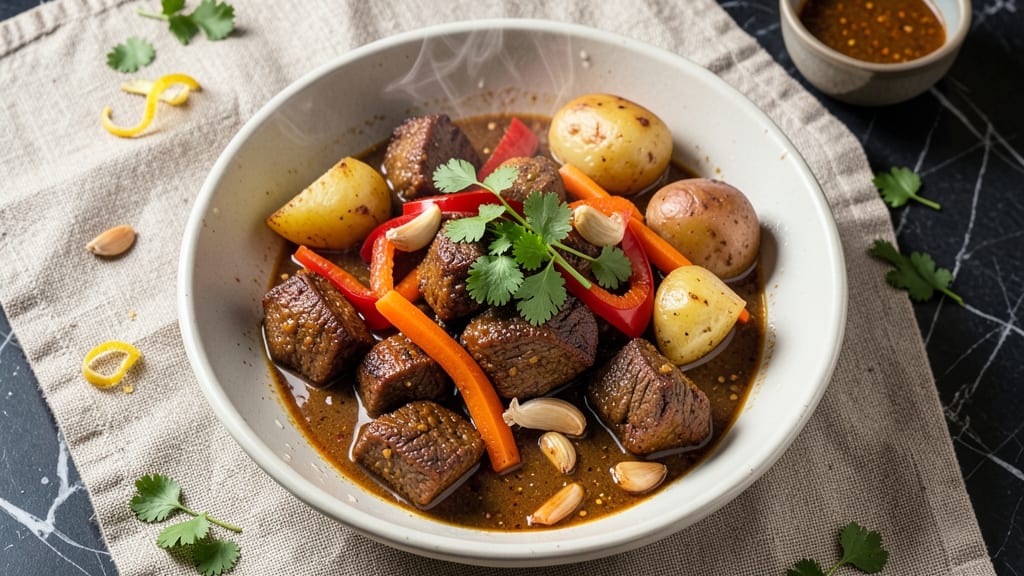
This beef and vegetable curry recipe transforms tough cuts into melt-in-your-mouth tenderness through a slow-simmered spice blend that builds flavor layer by layer. The secret lies in proper searing of the beef—creating a deep, caramelized crust that forms the foundation for hours of aromatic simmering.
I've perfected this technique over years of testing, ensuring every bite delivers balanced heat, sweetness, and savory depth without overpowering the natural flavors of the vegetables.
What sets this curry apart is the strategic vegetable selection: hearty carrots and potatoes absorb the rich sauce while maintaining structure, while bell peppers and onions add natural sweetness that caramelizes beautifully during cooking.
The spice blend develops gradually as it simmers, allowing the heat to mellow into complex, warming notes rather than an overwhelming burn. This method transforms a simple weeknight dinner into a restaurant-quality experience with minimal effort.
By the time you're ready to serve, you'll have perfectly tender beef that practically falls apart with each spoonful, surrounded by vegetables that have absorbed the fragrant, velvety sauce.
The aroma alone transforms your kitchen into a spice-infused haven, while the sauce clings to every ingredient for that signature "one more bite" quality. This curry serves as both a comforting main dish and a flavorful centerpiece for any meal.
Pair it with steamed basmati rice and warm naan for the complete experience, or serve over crusty bread to soak up every last drop of sauce. The recipe scales beautifully for crowds while remaining simple enough for weeknight cooking—proving that depth of flavor doesn't require complicated techniques.
Let's create this curry that will become your new go-to recipe.
Ingredients for beef and vegetable curry
Transform tough cuts into restaurant-quality curry with these carefully chosen ingredients.
| Ingredient | Amount | Notes |
|---|---|---|
| Chuck Roast 🥩 | 2 lb | Cut into 1.5-inch cubes |
| Yellow Onion 🧅 | 1 whole | Large, sliced into half-moons |
| Red Bell Pepper 🍅 | 1 whole | Cut into 1-inch strips |
| Carrots 🥕 | 4 medium | Whole, peeled and halved lengthwise |
| Russet Potatoes 🥔 | 2 medium | Cut into 1.5-inch chunks |
| Garlic Cloves 🧄 | 6 cloves | Minced for depth of flavor |
| Coconut Milk 🥥 | 1 can | Full-fat, 13.5 oz can |
| Tomato Paste 🍅 | 2 tbsp | Smooth, not chunky |
| Ground Cumin 🌿 | 1 tbsp | Toasted for deeper aroma |
| Ground Coriander 🌿 | 1 tbsp | Freshly ground preferred |
| Turmeric Powder 🌶️ | 1 tsp | Bright yellow, vibrant |
| Garam Masala 🌶️ | 1 tsp | Warm, aromatic blend |
| Cayenne Pepper 🔥 | ½ tsp | Adjust for heat preference |
| Olive Oil 🫒 | 2 tbsp | High smoke point preferred |
| Salt 🧂 | 1 ½ tsp | Kosher or sea salt |
The chuck roast is non-negotiable—its marbled fat renders beautifully during searing, creating that signature caramelized crust. Buy from the butcher counter if possible, as pre-cut pieces often lose their natural fat distribution. For the spices, Penzeys or Spicewalla deliver the most vibrant flavors, but the bulk bins at Whole Foods work perfectly for budget-friendly options. The coconut milk should be full-fat (none of that skim nonsense)—Thai Kitchen brand is my go-to for consistent quality. Fresh garlic and ginger are essential here; frozen won't cut it for this depth of flavor.
No garam masala? Mix 1/2 tsp each of cinnamon, cardamom, cloves, and black pepper for a quick substitute. Running low on tomato paste? Canned crushed tomatoes at half the amount works in a pinch, though the texture will differ slightly. The bell pepper can be swapped for zucchini or eggplant if you're feeling adventurous—just adjust cooking time accordingly. For the potatoes, Yukon Golds hold up better than russets during long simmering, though both work. And if you're worried about cayenne heat, reduce to 1/4 tsp or omit entirely—the other spices carry plenty of warmth.
This curry tastes even better the next day as flavors meld further. Store in an airtight container in the fridge for up to 5 days, or freeze portions for 3 months. I like to double the recipe and freeze half immediately—perfect for lazy weeknights. The sauce thickens as it cools, so add a splash of water or coconut milk when reheating. For serving, keep the naan warm in a 200°F oven while the curry simmers—it stays crispy that way.
Why You'll Love This Recipe
- I’ll be real: this recipe doubles easily, and the next-day version is even better. The beef gets more flavorful, the veggies soak up the sauce, and reheating it is just stirring and smiling. Perfect for packing lunches or feeding unexpected guests—no stress, just satisfaction.
- One-Pot Magic: Honestly, this curry comes together in a single pot—no chopping board chaos or last-minute cleanup. Chuck roast stays tender while veggies caramelize right in the sauce, and that’s exactly how I roll on nights when I’d rather be scrolling than standing at the sink.
- Rich, Deep Comfort: Between us, the slow-cooked chuck roast turns fork-tender while the onions and bell peppers melt into the sauce, creating layers of flavor that hit different. That earthy, slightly sweet undertone from the potatoes? It’s what makes this curry feel like a hug in a bowl.
- Leftovers That Shine: I’ll be real: this recipe doubles easily, and the next-day version is even better. The beef gets more flavorful, the veggies soak up the sauce, and reheating it is just stirring and smiling. Perfect for packing lunches or feeding unexpected guests—no stress, just satisfaction.
Step-by-step instructions for beef and vegetable curry
Here's how to build layers of spice and tenderness in this slow-simmered curry.
Sear the Chuck Roast for Maximum Flavor
Heat a large Dutch oven over medium-high heat and add the 2 tablespoons olive oil. Working in batches, add the 2 lb chuck roast cut into 1.5-inch cubes and sear undisturbed for 3-4 minutes until deeply browned on all sides. This step develops the Maillard reaction, creating rich, caramelized flavors that form the foundation of your curry.
As you sear, don't overcrowd the pan—work in batches if needed. The meat should be golden brown and slightly crispy when ready to flip. Once all pieces are seared, transfer them to a plate and set aside. You'll notice the meat releases easily when properly browned—this is your cue that it's ready for the next stage.
Build the Spice Base with Aromatics
In the same Dutch oven, reduce heat to medium and add the sliced 1 whole yellow onion and 1 whole red bell pepper. Sauté for 5-6 minutes until the onions become translucent and the peppers begin to soften. This step mellows their flavors while developing their natural sweetness.
Add the 4 medium carrots cut into halves and the 2 medium russet potatoes cut into 1.5-inch chunks, stirring to coat in the rendered beef fat. Cook for another 3-4 minutes until the vegetables begin to soften slightly. Here's where the magic happens—the vegetables absorb the beef's deep, savory flavors from the searing process.
Develop the Spice Blend and Tomato Foundation
Add the 6 cloves minced garlic cloves, 2 tablespoons tomato paste, 1 tablespoon ground cumin, 1 tablespoon ground coriander, 1 teaspoon turmeric powder, 0.5 teaspoon cayenne pepper, and 1.5 teaspoons salt. Stir vigorously for 1-2 minutes until the spices release their aromatic oils and the tomato paste darkens slightly.
This is where the curry's complex flavor profile begins to form. The spices should be cooking until they're fragrant and the raw taste disappears—you'll smell that warm, earthy cumin and coriander aroma. If the mixture sticks to the bottom, add 2-3 tablespoons water to deglaze. Pour in 1 cup water and scrape up any browned bits from the bottom of the pot.
Simmer the Curry to Tender Perfection
Return the seared beef to the Dutch oven and pour in the 1 can coconut milk. Stir in the 1 teaspoon garam masala and bring to a gentle simmer. Cover and cook on low heat for 1 hour to 1 hour 15 minutes, stirring occasionally, until the beef is fork-tender and the vegetables are completely soft.
Here's the thing—low and slow is key. The beef should pull apart easily with a fork, and the sauce should thicken naturally as it simmers. If the sauce reduces too quickly, add 2-3 tablespoons water to maintain the proper consistency. The curry is ready when the beef is tender and the flavors have melded beautifully.
Adjust and Serve with Confidence
Taste the curry and adjust seasoning if needed—add more salt, cayenne, or garam masala based on your preference. The curry should be balanced with sweet, spicy, and savory notes. Let it sit off heat for 5 minutes to allow the flavors to settle and the sauce to thicken slightly.
Serve immediately over steamed basmati rice, garnished with fresh cilantro if desired. Each bite should deliver tender beef, perfectly cooked vegetables, and a rich, aromatic sauce that coats every spoonful. This curry tastes even better the next day as the flavors continue to develop, so make extra if you can!
Pro Tips For Making Beef And Vegetable Curry
- Sear the Chuck Roast First: I learned this the hard way—skipping the sear means flavorless beef. Pat the chuck dry, then hit it with a hot pan and 2 tablespoons of oil until deep brown on all sides. That crust locks in moisture and carries the curry’s depth. (Yes, even if you’re impatient like me, don’t rush this.)
- Cut Potatoes Uniformly: Russets break apart when overcooked, so slice them into 1-inch chunks—not too small, or they’ll turn to mush. A steady hand (or a mandoline if you’re fancy) guarantees even cooking. Uneven pieces mean some will be tough while others dissolve into the sauce.
- Don’t Overcrowd the Pan: After searing the beef, resist the urge to dump everything in at once. Cook onions and bell peppers in batches if needed—they steam instead of brown, and that kills flavor. A crowded pan makes the curry taste dull. (Your future self will thank you.)
- Use Carrot Circles: Instead of chopping carrots into matchsticks, slice them into ¼-inch thick rounds. They hold shape better and soak up the curry sauce without falling apart. It’s a small tweak, but it makes the dish look (and taste) more polished. (Sounds weird, but it works.)
Dietary considerations for this recipe
Vegetarian Adaptation
Swap the beef for 1 lb extra-firm tofu or 1 lb chickpeas for a hearty vegetarian version. Press and cube the tofu, then pan-fry until golden before adding to the curry.
Chickpeas add natural creaminess and hold up beautifully during simmering. Boost umami with 1 tbsp soy sauce or 1 tsp miso paste when developing the spice blend. 🌱
Gluten-Free Options
This curry is naturally gluten-free, but check your garam masala and spice blends for hidden gluten. Use certified gluten-free garam masala and ensure your tomato paste contains no wheat additives.
Serve with gluten-free naan or basmati rice for a safe, flavorful meal. I recommend Bob's Red Mill gluten-free naan for a reliable option.
Dairy-Free Considerations
The recipe is already dairy-free, but if you're using store-bought garam masala, verify it contains no milk powder. For extra richness, stir in 2 tbsp coconut cream at the end of cooking.
The coconut milk already provides a creamy base, so no additional dairy is needed. Always check labels on all spices and sauces for hidden dairy ingredients.
Spice Sensitivity Adjustments
Reduce the cayenne pepper to ¼ tsp or omit entirely for mild heat. For a sweeter profile, add 1 tbsp honey or 1 tbsp maple syrup when simmering. The natural sweetness of the carrots and potatoes balances any remaining spice.
I find that 1 tsp smoked paprika adds warmth without heat, making it perfect for sensitive palates.
Protein Swaps
Use 1 lb lamb shoulder for a richer flavor profile—simmer for 1 hour 30 minutes instead of 1 hour. For seafood lovers, swap beef for 1 lb firm white fish like cod and simmer for only 15 minutes after adding to prevent overcooking.
Both alternatives work beautifully with the same vegetable base and spice blend.
Nutrition facts
Frequently asked questions
Can I use ground beef instead of chuck roast for this curry?
While ground beef works, it won't develop the same rich, tender texture. For best results, stick with chuck roast—its marbled fat creates deep flavor when seared. If you must use ground beef, brown it thoroughly first and simmer for 45-50 minutes instead of 1 hour to prevent drying out.
How do I make this curry less spicy?
Reduce the cayenne pepper to ¼ tsp or omit it completely. For extra sweetness that balances heat, stir in 1 tbsp honey or 1 tbsp maple syrup during the final 10 minutes of simmering. The natural sweetness of carrots and potatoes also helps mellow the spice.
What's the best way to reheat leftovers?
Gently reheat in a saucepan over low heat with 2-3 tablespoons water or coconut milk to prevent drying. Stir occasionally for 5-7 minutes until warmed through. Never microwave—it makes the sauce watery. The curry actually tastes better the next day as flavors deepen!
Can I prepare this curry in a slow cooker?
Yes! Sear the beef as directed, then transfer everything to your slow cooker. Cook on low for 6-7 hours or high for 3-4 hours. The slow cooker's gentle heat enhances tenderness. Add ½ cup water if the sauce seems too thick during cooking.
What vegetables can I substitute if I don't have all the ingredients?
Swap carrots for sweet potatoes or butternut squash**, and potatoes for cauliflower. Skip the bell pepper if needed—just adjust the cooking time by 5-10 minutes since you'll have fewer ingredients to soften. The onions are essential for flavor, but you could use leeks in a pinch.