
Main Courses
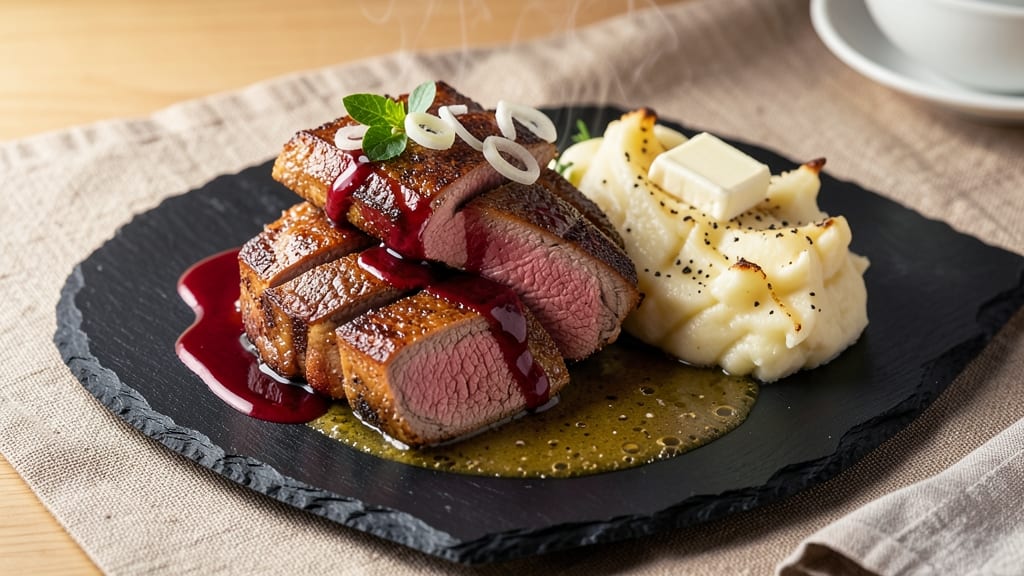
This 5-star roast beef recipe transforms a simple cut of beef into a showstopping centerpiece with a wine-reduced crust and melt-in-your-mouth tenderness. The secret lies in precise temperature control and a dry brine that ensures juicy, flavorful meat every time.
What sets this apart is the rich red wine reduction that caramelizes into a glossy, aromatic crust—elevating even the most modest roast to restaurant-worthy perfection.
Professional techniques like reverse searing and proper resting time guarantee a tender result with a perfect internal temperature of 130°F before resting. The wine reduction isn't just for flavor—it creates that coveted crust while keeping the beef moist.
This method delivers results that rival high-end steakhouses, making it ideal for special occasions or when you want to impress without stress.
By the time you slice into this roast, you'll reveal a deep red crust encasing perfectly pink, buttery meat that falls apart with each cut. The wine reduction adds layers of depth, balancing richness with acidity for a harmonious finish.
Pair it with roasted vegetables and horseradish cream for a complete, elegant meal that feels like a culinary achievement.
Whether you're hosting a holiday dinner or treating yourself to a luxurious weeknight meal, this recipe delivers restaurant-quality results at home. The techniques are approachable yet professional, ensuring success even for home cooks. Let's get started on creating your signature roast beef masterpiece.
Ingredients for 5 star roast beef
Six ingredients transform simple beef into a restaurant-worthy centerpiece with wine-infused richness.
| Ingredient | Amount | Notes |
|---|---|---|
| Top Round Roast Beef 🥩 | 4 lb | Center-cut for even cooking |
| Kosher Salt 🧂 | 2 tbsp | Diamond Crystal preferred |
| Freshly Ground Black Pepper 🌶️ | 1 ½ tsp | Cracked peppercorns preferred |
| Dry Red Wine 🍷 | 1 cup | Bold Cabernet Sauvignon or Merlot |
| Beef Stock 🍲 | 1 cup | Homemade or high-quality jarred |
| Unsalted Butter 🧈 | ½ cup | Cold, cubed for basting |
| Garlic Cloves 🧄 | 6 cloves | Smashed for infusion |
| Fresh Thyme Sprigs 🌿 | 4 whole | Stems removed for garnish |
| Yellow Onion 🧅 | 1 whole | Peeled, quartered |
| Carrots 🥕 | 4 medium | Peeled, whole |
| Fresh Rosemary 🌿 | ¼ cup | Chopped, stems removed |
| Olive Oil 🫒 | 2 tbsp | Extra-virgin for basting |
| Balsamic Vinegar 🍶 | 1 tbsp | For wine reduction finish |
The top round roast is your secret weapon—its lean yet tender profile absorbs flavors beautifully. Costco or high-end butchers carry the best center-cut roasts, but any grocery store's top round will work if labeled 'well-marbled.' Look for a piece with even thickness (about 2-3 inches) for consistent doneness. The wine matters too—any bold, dry red works here, but Caymus or Apothic elevate the dish. Fresh thyme and rosemary from the grocery store's produce section (not dried) add that aromatic depth that separates home cooking from restaurant-quality.
No red wine? Beef stock with a splash of balsamic mimics the depth, though the crust won't be as glossy. Swap fresh herbs for double the dried amount—but honestly, fresh is worth the trip to the market. The butter must be cold when basting—microwave it 40 seconds to just melt it if needed. For the vegetables, baby carrots or pre-cut onion quarters save time, but whole carrots and a peeled onion work just as well. The key is keeping them whole so they don't overcook while the beef rests. Pro tip: Trader Joe's sells pre-trimmed carrots that cook perfectly alongside the beef.
This roast reheats beautifully—just warm the slices gently in the pan with a splash of beef stock. Keeps 4-5 days in the fridge, but honestly, it's best eaten fresh. For leftovers, slice thinly and store in an airtight container with a pat of butter on top to keep it moist. Freezes for 3 months if wrapped tightly in plastic. I always make a double batch—one for dinner, one for sandwiches the next day with horseradish cream. The wine reduction can be made ahead too; just reheat gently before drizzling over the sliced beef.
Why You'll Love This Recipe
- Five-Ingredient Magic: The secret’s in the simplicity—just beef, salt, pepper, wine, and stock. No fancy gadgets, no stress. Honestly, I’ve made this while scrolling through my phone, and it still comes out perfect.
- Wine-Infused Richness: That dry red wine? It’s not just for drinking—it tenderizes the beef and adds a depth you won’t find in plain old salt-and-pepper roasts. The stock reduces into a glossy, savory glaze that’ll have you licking your plate.
- Leftovers That Shine: Between us, the best part is the next-day sandwiches. Thinly sliced, buttery toast, and a smear of that pan sauce? My lunch game is forever changed. (Yes, even on a Tuesday.)
- Budget-Friendly Luxury: Top round is affordable, but it feels like a steakhouse cut. I’ve served this at dinner parties and no one’s ever guessed it wasn’t dry-aged. That’s the kind of value I’ll take over takeout any day.
Step-by-step instructions for wine-reduced roast beef
Here's how to create a showstopping roast with perfect tenderness and rich wine-infused crust.
Prep the Roast for Maximum Flavor and Tenderness
Begin by removing the roast beef from the refrigerator and letting it sit at room temperature for 1 hour. This ensures even cooking throughout. While it comes to temperature, prepare your aromatics: peel and quarter the whole yellow onion, leaving the root end intact to hold the pieces together. Peel the 4 medium carrots but leave them whole for easy handling.
In a small bowl, combine the 2 tablespoons kosher salt and 1.5 teaspoons freshly ground black pepper. I like to use cracked peppercorns for that fresh, bright flavor. Rub this mixture all over the roast beef, pressing firmly so the seasoning penetrates the surface. This step is crucial for building flavor and creating that coveted crust.
Place the roast beef fat-side up on a wire rack set inside a rimmed baking sheet. This allows hot air to circulate underneath, preventing soggy bottoms and promoting even browning. Preheat your oven to 425°F while you prepare the remaining ingredients.
Sear the Roast for Deep Flavor Foundation
Heat a large oven-safe skillet over medium-high heat until it's smoking hot. Add the 2 tablespoons olive oil and swirl to coat the bottom evenly. Carefully place the seasoned roast beef in the skillet, fat-side down. Let it sear undisturbed for 5-7 minutes until a deep golden crust forms and the fat begins to render.
Here's where it gets good—the rendered fat will create a self-basting effect. Flip the roast and sear the other side for another 5-7 minutes. You'll know it's ready when the crust is dark and caramelized, and you can easily slide a knife between the meat and the pan. Transfer the skillet to the preheated oven.
While the roast begins roasting, prepare your vegetables. In a separate bowl, toss the quartered yellow onion and whole carrots with 2 tablespoons olive oil, 1.5 teaspoons black pepper, and 1 tablespoon kosher salt. This will create a simple but flavorful vegetable medley to accompany your roast.
Roast to Perfect Medium-Rare Tenderness
Roast the beef in the hot oven for 20-25 minutes, then reduce the heat to 325°F. This initial high heat creates a beautiful crust, while the lower temperature ensures even cooking. After reducing the heat, continue roasting for 1 hour to 1 hour 15 minutes, or until the internal temperature reaches 130°F for medium-rare.
About 30 minutes into the roasting time, prepare your wine reduction. In a medium saucepan, combine the 1 cup dry red wine and 1 cup beef stock. Bring to a simmer over medium heat and cook until reduced by half, about 10-12 minutes. This concentrated liquid will become the base for your finishing sauce.
While the wine reduces, place the prepared vegetables on the same baking sheet as the roast. Roast them alongside the beef for the final 20 minutes of cooking time. This ensures they're perfectly tender and infused with the roasting aromas.
Create the Wine-Reduced Crust and Finish
When the beef reaches 130°F, remove it from the oven and tent loosely with aluminum foil. Let it rest for 15 minutes—this is critical for juicy slices. While it rests, finish your sauce by adding the 1 tablespoon balsamic vinegar to the reduced wine mixture. Simmer for another 2-3 minutes until slightly thickened.
In a small bowl, combine the 0.5 cup unsalted butter, 6 smashed garlic cloves, and 0.25 cup chopped fresh rosemary. Warm this mixture in a saucepan over low heat until the butter melts and the garlic is fragrant but not browned. Remove from heat and stir in the 4 whole fresh thyme sprigs (stems removed).
To serve, slice the roast beef against the grain into ½-inch thick slices. Spoon the garlic-herb butter over the top and drizzle with the wine reduction. The combination of rich butter, aromatic herbs, and tangy wine creates a luxurious finish that elevates this classic dish to restaurant-quality.
Pro Tips For Making 5 Star Roast Beef
- SEAR IT HARD FIRST: The top round’s lean—don’t be shy with the heat. Get your pan screaming hot (I mean smoking hot) and let that roast develop a crust before you even think about adding wine or stock. This isn’t just for looks; it’s the only way to lock in flavor when you’re working with a tougher cut.
- SALT THE NIGHT BEFORE: I learned this the hard way—salting a top round right before cooking means the salt just sits on the surface. Instead, sprinkle a heavy layer of kosher salt (about 1 teaspoon per pound) and let it sit uncovered in the fridge for 12–24 hours. The salt penetrates deeper, and the crust forms better when you sear it later.
- DON’T SKIP THE REST: I know, I know—you’re starving and that beef looks perfect. But cutting into it too soon means dry, sad slices. Give it a solid 15–20 minutes under foil, tented loosely, before even thinking about carving. The internal temp will drop just enough to keep those slices juicy.
- USE RED WINE SPARINGLY: That bottle of dry red you’ve been saving? Pour it in slowly—start with just ½ cup when deglazing, then add more stock as needed. Too much wine makes the sauce thin and watery; too little leaves you scrambling for depth. Taste as you go—you’re aiming for a rich, glossy reduction, not a pool of liquid.
Troubleshooting this recipe
Undercooked Roast Fix
If your roast checks in under 130°F after the initial roasting time, return it to the oven at 325°F for 10-15 minutes per 25°F needed. Use a meat thermometer to monitor progress—insert it into the thickest part without touching bone.
Avoid overcrowding the pan with vegetables to maintain even heat circulation. 🌡️
Overcooked Crust
When the crust becomes too dark or dry, the beef has likely lost moisture. To salvage it, brush the roast with 2 tablespoons beef stock or olive oil during the last 15 minutes of cooking.
Tent with foil to trap steam, then finish under the broiler for 2-3 minutes to restore color without overcooking. This technique works even if the internal temperature is already perfect.
Dry or Tough Meat
Skipping the resting phase is the #1 cause of dry beef. Always let the roast rest for 15 minutes before slicing—this allows juices to redistribute. If you've already sliced into dry meat, try this trick: brush slices with 1 tablespoon warm butter and let sit for 5 minutes before serving.
For extra moisture, simmer slices in ½ cup beef stock for 10 minutes on low heat.
Uneven Cooking
Uneven thickness or large fat caps can create hot spots. Before roasting, trim any large fat deposits to ¼-inch thickness and pat the roast dry with paper towels. For even doneness, place the roast fat-side up on a wire rack in a roasting pan.
If one end cooks faster, rotate the pan halfway through roasting. A meat mallet can help even out thickness if needed.
Sauce Too Thin
If your wine reduction isn't thickening properly, simmer it uncovered until reduced by half—this takes 10-15 minutes on medium heat. For extra body, whisk in 1 tablespoon cornstarch mixed with 1 tablespoon cold water at the end.
If the sauce is too acidic, balance it with ½ teaspoon sugar or a pinch of salt. A splash of beef stock can also help restore richness.
Fat Rendering Issues
If the roast isn't developing a golden crust, the oven temperature might be too low. Preheat your oven to 425°F and use an oven thermometer to verify accuracy—many home ovens run 25-50°F cooler than set.
For extra crispiness, sear the roast in a hot cast-iron skillet before transferring to the oven. Pat the roast dry before seasoning to promote better crust formation.
Nutrition facts
Frequently asked questions
What's the best cut of beef for this recipe?
This recipe calls for a 4 lb top round roast—it's lean yet tender when cooked properly. Look for center-cut pieces with even thickness (2-3 inches) for consistent doneness. Avoid thick fat caps over ¼-inch as they can create uneven cooking.
Can I use a different type of wine?
Yes! Any bold, dry red wine works—Cabernet Sauvignon, Merlot, or even Malbec are excellent choices. Avoid sweet wines like Zinfandel as they can make the reduction too cloying. If you don't have red wine, substitute with beef stock + 1 tbsp balsamic vinegar for depth.
How do I know when the roast is done?
Use a meat thermometer to check the internal temperature—130°F for medium-rare is ideal. Insert the probe into the thickest part without touching bone. The roast will continue cooking slightly while resting, so don't overcook it. For medium, aim for 140°F before resting.
Why does the recipe call for resting time?
Resting for 15 minutes after roasting lets the juices redistribute throughout the meat, preventing dry slices. When you cut into beef immediately, all the flavorful juices escape—this step is what transforms good roast beef into restaurant-quality beef. Cover it loosely with foil while resting.
What's the best way to reheat leftovers?
Slice the roast thinly and reheat in a skillet with 1 tbsp beef stock or broth over medium-low heat for 3-5 minutes per side. For extra moisture, add a pat of butter. Leftovers keep 4-5 days in the fridge or 3 months frozen. Never microwave—it makes the meat tough.