
Main Courses
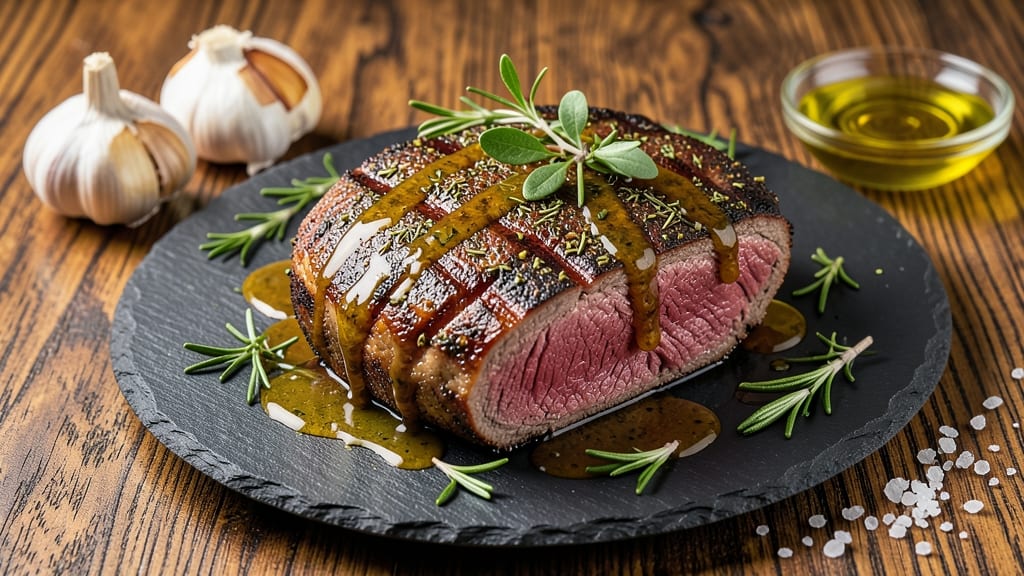
An 8 lb beef tenderloin is the centerpiece of any special occasion—juicy, tender, and packed with flavor that impresses every guest. The key to success lies in precise temperature control and proper preparation, ensuring that pinpoint pink centers remain perfectly intact while the exterior develops a rich, caramelized crust.
This herb-crusted method elevates the natural richness of the meat with aromatic herbs and a touch of garlic, creating a dish that feels both elegant and approachable.
To achieve the ideal result, the beef must be brought to room temperature before cooking—a critical step that ensures even doneness. A meat thermometer is your best friend here, allowing you to monitor internal temperatures with confidence.
Searing the tenderloin first locks in juices, while a slow, controlled roast in the oven guarantees a tender bite every time. The herb crust not only adds flavor but also helps retain moisture, making each slice a masterpiece of texture and taste.
What you’ll end up with is a restaurant-quality roast that’s tender enough to melt in your mouth, with a crust that’s rich and aromatic. The pink centers will be perfectly juicy, not dry, and the herbaceous notes will linger with every bite.
This technique transforms a large cut of beef into a showstopping main course that’s worth the effort—because nothing says "celebration" like a perfectly cooked tenderloin.
Pair it with roasted vegetables, a creamy mashed potato, or a bold red wine reduction to complete the meal. The sides should complement the beef’s richness without overpowering it, ensuring every bite is a harmonious experience.
Let’s get started on creating a tenderloin that will have everyone asking for seconds—and maybe even the recipe.
Ingredients for 8 lb beef tenderloin
Elegant simplicity meets restaurant-quality technique with these premium ingredients for your 8 lb tenderloin masterpiece.
| Ingredient | Amount | Notes |
|---|---|---|
| Beef Tenderloin 🥩 | 8 lb | Center-cut, trimmed of silver skin |
| Fresh Rosemary 🌿 | ¼ cup | Finely chopped, stems removed |
| Fresh Thyme 🌿 | ¼ cup | Leaves only, stems removed |
| Garlic Cloves 🧄 | 8 cloves | Minced, for herb crust |
| Extra-Virgin Olive Oil 🫒 | ½ cup | High-quality, fruity variety |
| Kosher Salt 🧂 | 1 ½ tbsp | Diamond Crystal preferred |
| Freshly Ground Black Pepper 🌶️ | 1 tbsp | Coarse grind preferred |
| Unsalted Butter 🧈 | ½ cup | Cold, cubed for searing |
| Red Wine 🍷 | 1 cup | Bold dry variety, like Cabernet |
| Beef Stock 🥫 | 1 cup | Homemade or high-quality |
| All-Purpose Flour 🌾 | 2 tbsp | For dredging |
| Fresh Parsley 🌿 | ⅛ cup | Chopped, for garnish |
The beef tenderloin is your star—center-cut and trimmed of silver skin for maximum tenderness. Source from a reputable butcher or high-end grocery like Whole Foods or Balducci's for the best marbling. Room temperature is critical: remove from fridge 2 hours before cooking. The herb crust requires fresh rosemary and thyme—dried won't deliver the same aromatic punch. For the olive oil, California Olive Ranch or Colavita brands offer consistent quality. Don't skip the meat thermometer—this isn't a guess-it recipe.
No fresh rosemary? Substitute with 1 tbsp dried rosemary plus 1 tsp dried thyme, but expect less complexity. Out of red wine? Beef stock plus 1 tbsp balsamic vinegar mimics the depth. The butter must be cold—microwave for 20 seconds if needed. For the crust, toasted breadcrumbs (made from stale baguette) can replace flour if you prefer. The parsley garnish is optional but adds that final professional touch. If you're short on time, pre-chop all herbs while the beef comes to temperature—multitasking at its finest.
This roast reheats beautifully—wrapped in foil at 275°F for 10-15 minutes—so plan ahead. Leftovers keep for 4 days in the fridge, vacuum-sealed for up to 3 months in the freezer. For presentation, slice against the grain into 1-inch medallions. The herb crust will hold together beautifully, but garnish immediately with fresh parsley to maintain that restaurant-quality appearance. Store any unused herb crust mixture in an airtight container for up to 1 week—perfect for future roasts or even steaks.
Why You'll Love This Recipe
- One-Pan Magic: I swear by this—just rub the tenderloin with olive oil, crushed garlic, and those fresh herbs (rosemary and thyme make the difference), then let the oven do the work. No flipping, no fussing, just perfect results.
- Herb-Crusted Luxury: That rosemary-thyme-garlic rub? It turns simple beef into something restaurant-worthy. The crust gets crispy while the inside stays juicy—like biting into a fancy steak without the fancy price tag.
- Weeknight Hero: No dry-brining, no stressing over temp gauges. This recipe nails it in 2 hours (set it and forget it) and still tastes like you spent all day cooking. (Yes, even on a Tuesday night.)
Step-by-step instructions for herb-crusted beef tenderloin
Mastering this technique guarantees a perfectly pink center with a fragrant herb crust every time.
Prepare the Herb Crust Mixture
In a food processor, combine the 0.25 cup fresh rosemary, 0.25 cup fresh thyme, 8 cloves minced garlic, 1.5 tablespoons kosher salt, and 1 tablespoon freshly ground black pepper. Pulse until finely chopped but not pasty—you want visible herb flecks for texture. With the processor running, slowly drizzle in the 0.5 cup extra-virgin olive oil until the mixture forms a coarse paste. This herb blend will create the signature crust that seals in moisture and flavor.
Transfer the herb mixture to a small bowl and set aside. The texture should be thick enough to adhere to the beef but still spreadable. If it's too dry, add 1 teaspoon olive oil; if too wet, chill briefly to firm up. This preparation ensures even distribution when we coat the tenderloin later.
Season and Sear the Tenderloin
Preheat your oven to 425°F with a rack positioned in the lower third. Pat the 8 lb beef tenderloin dry with paper towels—this critical step prevents steam from forming under the crust. Rub the entire surface with the herb mixture, pressing firmly so the paste adheres completely. Let it sit at room temperature for 30 minutes while the oven preheats.
Heat a heavy oven-safe skillet over medium-high heat and add the 0.5 cup unsalted butter, allowing it to melt and foam. Place the tenderloin in the skillet, fat-side down, and sear for 4-5 minutes until a deep golden crust forms. Flip carefully and sear the opposite side for another 3-4 minutes. The butter will bubble vigorously—this creates the initial crust that locks in juices during roasting.
Roast to Perfect Medium-Rare
Transfer the seared tenderloin to a wire rack set over a baking sheet (this allows air circulation for even cooking). Roast in the preheated oven for 20-25 minutes for a medium-rare center (125-130°F internal temperature). The herb crust should darken to a rich amber color, and the beef will develop a beautiful pink center with a slightly caramelized exterior.
For accuracy, use an instant-read thermometer inserted into the thickest part of the tenderloin. The 10-minute window between 125°F and 130°F is ideal for medium-rare—any hotter risks drying out the delicate center. If your oven runs hot, reduce temperature to 400°F and monitor closely.
Rest and Create the Pan Sauce
Remove the tenderloin from the oven and transfer it to a cutting board. Tent loosely with aluminum foil and let rest for 15-20 minutes—this crucial step allows juices to redistribute, preventing them from pooling on the cutting board. While it rests, return the skillet to the stovetop over medium heat and add the 1 cup red wine, scraping up any browned bits with a wooden spoon.
Simmer the wine until reduced by half (3-4 minutes), then add the 1 cup beef stock and 2 tablespoons all-purpose flour, whisking constantly to create a smooth sauce. Cook for another 2-3 minutes until thickened to a velvety consistency. Strain through a fine-mesh sieve to remove any herb particles if desired.
Slice and Serve with Herb Garnish
After resting, slice the tenderloin into 1-inch thick medallions against the grain. The meat should be tender enough to slice easily with a sharp knife but still hold its shape. Arrange the slices on a warm platter and drizzle generously with the pan sauce. Garnish with the 0.125 cup fresh parsley, adding a final touch of color and freshness.
Serve immediately with roasted root vegetables or a simple arugula salad. The herb crust should be fragrant and slightly crisp, while the interior remains juicy and pink at the center. Each slice should yield to gentle pressure, releasing its rich, beefy essence without resistance.
Pro Tips For Making 8 Lb Beef Tenderloin
- CRANK THE HEAT: Start your 8 lb tenderloin over blazing high heat—your pan should be screaming hot before the meat hits it. I used to ease into it, and the crust would turn out pale and sad. Once you get those deep golden-brown sears on all sides, dial it down to medium-low for the rest. That first 2-3 minutes on max heat is where the magic happens.
- STUFF THE GARLIC: Skip the minced garlic on top—it burns faster than you think. Instead, slice 8-10 cloves in half lengthwise, rub them all over the tenderloin, then tuck them into the center cut (the little dimple where the tie ends). They’ll infuse flavor without turning to ash, and you’ll taste it in every bite.
- DON’T SKIP THE DRY: Pat that 8 lb monster bone-dry with paper towels before searing—wet surfaces steam instead of brown. I learned this the hard way after a soggy crust ruined what should’ve been a showstopper. Even if it feels excessive, trust me: dry = crust.
- REST IT RIGHT: After roasting, tent loosely with foil and let it rest 20-30 minutes—not under a warm broiler, not in the oven, but on a wire rack. I used to rush this, and the juices would pool at the bottom, leaving dry slices. The first 10 minutes are the most critical; don’t peek.
Best sauces and condiments for this 8 lb beef tenderloin
Red Wine Reduction
Use the same 1 cup red wine and 1 cup beef stock from your recipe to create a bold, velvety sauce that complements the herb crust beautifully.
After searing the tenderloin, deglaze the pan with the wine while it rests, then reduce by half over medium heat for 3-4 minutes. Whisk in 2 tbsp all-purpose flour and simmer until thickened. This sauce adds depth and ties all the flavors together. 🍷
Garlic-Herb Butter
Melt ½ cup unsalted butter with 2 minced garlic cloves and 1 tbsp fresh parsley for a luxurious finishing touch. Spoon this fragrant butter over each slice just before serving—it melts into the tenderloin, enhancing the herb crust and adding richness.
Keep it warm in a small saucepan over low heat until ready to use.
Balsamic Glaze
For a sweet-tangy contrast, simmer ¼ cup balsamic vinegar with 1 tbsp honey and 1 tsp Dijon mustard until slightly thickened (5-7 minutes).
Drizzle lightly over slices or use as a dipping sauce for the herb crust. The acidity cuts through the beef’s richness while adding a sophisticated finish.
Creamy Horseradish Sauce
Mix ½ cup sour cream with 1 tbsp prepared horseradish, 1 tsp lemon juice, and ½ tsp kosher salt for a spicy kick. This sauce pairs perfectly with the tenderloin’s mildness, adding a sharp, creamy contrast.
Serve on the side or dollop directly onto slices. Adjust horseradish to taste—start with ½ tbsp if you’re sensitive to heat.
Chimichurri Sauce
Blend ½ cup fresh parsley, ¼ cup fresh cilantro, 3 garlic cloves, 2 tbsp red wine vinegar, ½ cup olive oil, 1 tsp red pepper flakes, and 1 tsp kosher salt for a bright, herby sauce.
This Argentine classic adds a zesty, fresh contrast to the rich beef. Let it sit for 10 minutes before serving to allow flavors to meld.
Whiskey Pan Sauce
Deglaze the pan with ½ cup bourbon or whiskey instead of wine for a smoky depth. Reduce by half, then add 1 cup beef stock and 2 tbsp flour, whisking until thick.
The whiskey’s caramelized notes elevate the dish, especially for holiday feasts. Strain for a silky texture before serving. 🔥
Nutrition facts
Frequently asked questions
How long should I let an 8 lb beef tenderloin sit at room temperature before cooking?
Let it rest for 2 hours at room temperature. This ensures even cooking throughout the thickest part of the roast. For safety, never leave it out for more than 3 hours, and always use a meat thermometer to confirm it reaches 140°F before searing.
What's the best way to keep my tenderloin from drying out during roasting?
Use a wire rack over a baking sheet instead of roasting directly on the pan. This allows air circulation, preventing steam buildup that can make the crust soggy. Also, avoid overcooking—remove it from the oven when the internal temp hits 125°F for medium-rare, then let it rest 15-20 minutes before slicing.
Can I cook an 8 lb tenderloin in a slow cooker or Instant Pot?
This cut is best cooked with high heat for a perfect crust, so neither method is ideal. Slow cookers lack the searing ability, and Instant Pots can't replicate the slow, controlled roasting needed for even doneness. Stick to oven roasting for the best results—it's the only way to achieve that signature caramelized exterior with a juicy center.
How do I adjust cooking time if my oven runs hot or cold?
Use an oven thermometer to check your oven's accuracy first. If it runs hot, reduce the temperature by 25°F and add 5-10 minutes to roasting time. For cold ovens, increase by 25°F and reduce time by 5 minutes. Always monitor with a meat thermometer—the internal temp is what matters most, not just time.
What's the best way to reheat leftover tenderloin slices?
Wrap slices in aluminum foil with a pat of butter and reheat in a 275°F oven for 10-15 minutes. For stovetop, use a skillet over medium-low heat for 2-3 minutes per side with a splash of beef broth. Never microwave—it dries out the meat and destroys the herb crust's texture.