
Main Courses
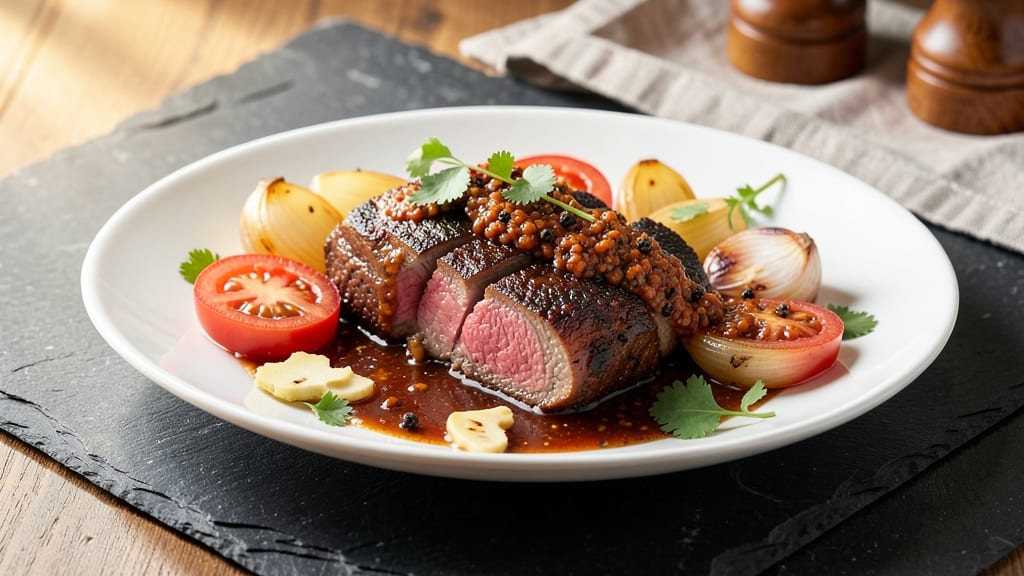
This achari beef recipe transforms tough cuts into melt-in-your-mouth perfection through slow braising and bold, tangy-spiced marinades. The secret lies in achari—a vibrant blend of pickled chilies, mustard seeds, and aromatic spices—that infuses every bite with layers of heat and depth.
I’ve perfected this technique over years of experimenting, ensuring the beef remains silky tender while absorbing those complex flavors. The process begins with a 30-minute marinade that tenderizes the meat and builds flavor, followed by a 3-4 hour slow braise that melts collagen into a rich, velvety sauce.
No pressure cooker? No problem—the stovetop method delivers the same restaurant-quality results. The achari’s tangy-sweet notes cut through the richness, creating a balance that’s both comforting and exciting.
By the end, you’ll have a dish that’s restaurant-quality at home: deep red, glossy, and so tender it falls apart at the touch. Serve it with steamed basmati rice or warm naan to soak up every last drop of that aromatic sauce.
The aroma alone will have everyone at the table asking for seconds. This recipe works equally well for weeknight dinners or special occasions—just scale the marinade and braising time accordingly. Let’s get cooking!
Ingredients for achari beef
Transform tough beef into restaurant-quality tenderness with these bold spices and aromatic marinades.
| Ingredient | Amount | Notes |
|---|---|---|
| Beef Chuck Roast 🥩 | 2 lb | Tough cut for braising, cut into 2-inch cubes |
| Achari Paste 🌶️ | ½ cup | Store-bought or homemade (pickled chilies, mustard seeds, spices) |
| Fresh Ginger 🧄 | ½ cup | Finely grated, aromatic and zesty |
| Yellow Onions 🧅 | 2 whole | Medium size, thinly sliced for caramelization |
| Tomatoes 🍅 | 4 whole | Ripe, Roma or vine-ripened, crushed by hand |
| Garlic Cloves 🧄 | 6 cloves | Freshly minced for aromatic depth |
| Garam Masala 🌿 | 1 tbsp | Ground blend of cinnamon, cardamom, cloves, and cumin |
| Ground Cumin 🌿 | 1 tbsp | Toasted for enhanced earthy flavor |
| Ground Coriander 🌿 | 1 tbsp | Freshly ground for citrusy notes |
| Turmeric Powder 🧂 | ½ tsp | Bright yellow, anti-inflammatory properties |
| Red Chili Powder 🔥 | 1 tsp | Adjust for heat preference |
| Salt 🧂 | 1 ½ tsp | Diamond Crystal preferred for flavor |
| Black Peppercorns 🌶️ | ½ tsp | Freshly cracked for robust flavor |
| Vegetable Oil 🫒 | ½ cup | High smoke point for searing |
| Water 💧 | 1 ½ cups | For braising liquid |
The beef cut is everything here. Chuck roast delivers that melt-in-your-mouth texture when braised properly—sirloin or ribeye will stay tough. Look for well-marbled cuts at Whole Foods or your local butcher shop. The achari paste is the flavor bomb—store-bought works, but making your own from pickled chilies, mustard seeds, and spices takes this to next level. For ginger, freshly grated is non-negotiable; the dried powder just can't match the brightness. The onions should be sweet and yellow—Vidalia if you want extra sweetness, but regular yellow works fine. Tomatoes? Roma or vine-ripened crush best by hand for that rustic texture.
No achari paste? Mix 2 tbsp pickled jalapeños, 1 tbsp mustard seeds, 1 tsp turmeric, and 1 tsp cumin—it won't be identical, but you'll get that tangy-spicy punch. Fresh ginger too expensive? Substitute 1 tbsp ground ginger at half the amount, but trust me on the fresh version. The garam masala blend is crucial—store-bought is fine, but if you're ambitious, toast the whole spices first. For heat control, reduce the red chili powder to 0.5 tsp if your group prefers mild flavors. The vegetable oil should have a high smoke point—avocado or refined coconut oil work best for searing.
This dish tastes even better the next day as flavors meld. Store in an airtight container for up to 5 days in the fridge, or freeze portions for 3 months. For reheating, low heat on the stovetop with a splash of water preserves that silky texture. I always make double batches—leftovers make incredible sandwiches with crusty bread the next day. The braising liquid reduces to a glorious sauce, so save every drop—it's liquid gold for rice or naan.
Why You'll Love This Recipe
- One-Pot Wonder: I swear by this when I’m too tired to wash pots. The achari paste does all the heavy lifting—just sear the beef, dump in the paste with onions and tomatoes, and let it slow-cook. Minimal chopping, zero fuss, and the spices caramelize into a sticky, flavorful sauce that practically cooks itself.
- Spice Bomb Magic: That achari paste? It’s where the real magic happens—tangy, smoky, and just sweet enough to balance the beef’s richness. Fresh ginger and onions deepen the flavor as they melt into the sauce, giving every bite layers of warmth and brightness. Honestly, it’s the kind of dish that makes you reach for seconds without thinking.
- Meal Prep MVP: Between us, this is my go-to for busy weeks. The beef stays tender and flavorful for days, so I make a big batch and use it in wraps, sandwiches, or even over rice. It’s the kind of leftovers that actually improve the next day—yes, really—and saves me from takeout when I’m running on empty.
- Budget-Friendly Feast: A chuck roast stretches further than you’d think, especially when paired with achari’s bold flavors. I’ll be real: it’s not the priciest cut, but the spices make it feel like a splurge. Plus, the leftovers stretch across lunches, potlucks, or impromptu dinner guests—no one ever complains, and my wallet stays happy.
Step-by-step instructions for achari beef recipe
Follow this precise method to transform tough beef into melt-in-your-mouth perfection.
🍳 Step 1: Sear the Beef Chuck Roast for Deep Flavor
Heat the 0.5 cup vegetable oil in a heavy-bottomed Dutch oven over medium-high heat until shimmering. Working in batches if needed, add the 2 lb beef chuck roast cut into 2-inch cubes, arranging them in a single layer. Let them sear undisturbed for 3-4 minutes until they develop a deep golden-brown crust.
This initial searing creates the Maillard reaction that forms complex flavors and locks in moisture. I press down gently on the beef with a spatula during the first minute—this prevents it from curling and ensures even contact with the pan. Once browned on all sides, remove the beef and set it aside on a plate.
👨🍳 Step 2: Build the Achari Spice Base
In the same Dutch oven, reduce the heat to medium and add the 2 whole yellow onions sliced into ¼-inch strips. Cook for 8-10 minutes until they become translucent and begin to caramelize along the edges. Add the 4 whole tomatoes crushed by hand and cook for another 5 minutes until their juices evaporate and they break down into a thick paste.
This step develops the foundational flavors that will infuse the beef. The onions should be soft and sweet with just a hint of browning at the edges. Here's where it gets aromatic—add the 0.5 cup fresh ginger and 6 cloves garlic cloves minced finely, cooking for 1 minute until fragrant. The kitchen should fill with a warm, spicy aroma that signals we're on the right track.
🍳 Step 3: Layer the Spices and Achari Paste
Stir in the 0.5 cup achari paste, spreading it evenly across the bottom of the pot to create a flavorful crust. Add the 1 tbsp ground cumin, 1 tbsp ground coriander, 0.5 tsp turmeric powder, 1 tsp red chili powder, 1.5 tsp salt, and 0.5 tsp black peppercorns, stirring vigorously to combine. Cook for 2 minutes until the spices release their aromatic oils and the mixture becomes deeply fragrant.
I always add the 1 tbsp garam masala last—this way it retains its delicate floral notes rather than burning. The spices should coat the bottom of the pot evenly, creating a thick, aromatic paste that will form the base for our braising liquid. This is where the magic happens—the spices meld together to create a complex flavor profile that will penetrate the beef.
🥘 Step 4: Braise Until Fork-Tender
Return the seared beef to the pot along with the 1.5 cups water. Bring the mixture to a gentle simmer over low heat, then reduce to the lowest setting possible while maintaining a bare simmer. Cover with a tight-fitting lid and cook for 2.5-3 hours, checking occasionally to ensure there's always some liquid present.
The key to perfect braising is patience and consistency. The beef should be submerged in liquid but not swimming in it—this ensures even cooking without making the meat mushy. After 2 hours, check for doneness by inserting a fork into the thickest piece. If it slides in easily with just slight resistance, it's ready. If not, continue cooking for another 30 minutes.
⏰ Step 5: Finish and Rest for Maximum Tenderness
Once the beef reaches fork-tender perfection, remove the lid and increase the heat to medium-high to reduce the braising liquid by half, concentrating the flavors. This should take about 10-15 minutes. The sauce should coat the back of a spoon and have a thick, glossy consistency.
Transfer the beef to a serving platter and tent loosely with foil. Let it rest for 10 minutes before serving. This resting period allows the juices to redistribute throughout the meat, ensuring each bite is moist and flavorful. The beef should pull apart easily with a fork, revealing a rich, spice-infused interior that's tender yet substantial.
Pro Tips For Making Achari Beef
- CRUSH THE ONIONS: Pound the yellow onions with the flat side of your knife until they’re almost paste-like—no, I’m not kidding, it’s not about chopping, it’s about releasing those juices. This isn’t just for flavor; it’s the thing that makes the achari paste sing in the sauce later. (Yes, even if you’re impatient like me.)
- SLOW THE SIMMER: After adding the achari paste, resist the urge to boil it hard—keep it at a gentle simmer, just enough to bubble softly. I learned this the hard way: aggressive boiling burns the paste’s delicate spices, turning your rich sauce into something bitter and one-dimensional. Trust the low heat.
- GINGER SLICES, NOT GRATES: Thinly slice the fresh ginger instead of grating it—this keeps the texture of the dish clean and prevents the sauce from turning into a mushy, overpowering mess. My grandmother swore by this, and she was right: the slices melt into the beef without turning it into a ginger-flavored puddle.
- SEAR IN BATCHES: Don’t crowd the beef in the pan—work in batches if you have to, even if it means an extra minute of effort. You’re after a deep, caramelized crust on each piece, and that only happens with proper heat and space. I skip this when I’m lazy, but the dish is noticeably better when I don’t. (Your future self will thank you.)
Wine and beer pairings for this achari beef
Bold Red Wines
The achari's tangy-spicy profile pairs beautifully with full-bodied reds that can stand up to its complexity. I always reach for a Malbec from Argentina—its dark fruit and velvety texture complement the beef's richness while the wine's acidity cuts through the achari's heat.
A Syrah from Australia or Washington State also works wonders, bringing blackberry and pepper notes that enhance the dish's depth. 🍷
For something more traditional, try a Cabernet Sauvignon with moderate tannins—its structure balances the achari's bold flavors without overpowering them. I prefer New World versions (like Chilean or Californian) that have slightly softer tannins than their Bordeaux counterparts.
Serve slightly below room temperature (60-65°F) to preserve the wine's freshness against the dish's intensity.
Spiced Beer Pairings
Indian-inspired beers bridge the gap between wine and the dish's flavors beautifully. A Goa-style lager like Kingfisher or Himalayan provides crispness that refreshes your palate between spicy bites.
For something craftier, seek out Indian Pale Ales (IPAs) with chili and citrus notes—brands like 3 Stars or Tropic from India deliver that perfect balance. 🍺
If you prefer Western options, a Belgian witbier with its coriander and orange peel notes creates an unexpected but harmonious pairing. Look for Hoegaarden or Stella Artois—their effervescence cleanses the palate while their subtle spice echoes the achari's complexity.
For a bolder choice, try a Mexican lager like Modelo Negra with a lime wedge to enhance the dish's tangy-sweet contrast.
Cool Contrast Pairings
When the achari beef's heat becomes overwhelming, cool accompaniments provide relief. A mango lassi with a hint of cardamom soothes the palate beautifully—its creamy texture and sweet-tart flavor create perfect balance.
I make mine with ripe mango purée, Greek yogurt, and a pinch of rose water for an extra layer of sophistication. 🥭
For something lighter, serve chilled cucumber raita with a squeeze of lemon. The cool, refreshing yogurt sauce cuts through the richness while the cucumber's crispness provides a textural contrast. Add a sprinkle of fresh mint and a dash of chaat masala to elevate the dish's authenticity.
These accompaniments not only cool the palate but also highlight the achari beef's complex flavors.
Dessert Wine Balance
End the meal with a sweet wine that complements rather than competes with the achari's bold flavors. A Port wine like Ruby or Tawny provides the perfect finish—its caramel and dried fruit notes echo the dish's depth without clashing.
I recommend serving it slightly chilled (55-60°F) to enhance its aromatic qualities. 🍇
For a lighter option, try a Moscato d'Asti—its effervescence and floral notes create a refreshing contrast to the rich, spicy beef. The wine's subtle sweetness lingers pleasantly, leaving your palate satisfied without overwhelming the meal's savory profile.
This pairing transforms what could be a heavy meal into a well-rounded culinary experience that guests will remember.
Nutrition facts
Frequently asked questions
What makes achari beef different from regular beef curry?
The key difference is the achari paste—a tangy, spicy blend of pickled chilies, mustard seeds, and aromatic spices that gives this dish its signature bold flavor profile. While regular beef curry relies on fresh spices and yogurt-based marinades, achari beef uses fermented elements for depth and complexity. The result is a dish with both heat and sweet-tangy notes that cut through the richness of the beef.
Can I use a quicker cooking method instead of braising?
For best results, braising is ideal as it transforms tough beef into tender perfection. However, if you're short on time, try this alternative: Marinate the beef for 2 hours in the achari paste, then sear and cook in a pressure cooker for 30 minutes on high pressure. The texture won't be identical, but it will be more tender than quick pan-searing. For maximum flavor, always reduce the cooking liquid at the end to concentrate the achari's bold taste.
How do I adjust the heat level in this recipe?
Start by reducing the red chili powder to 0.5 tsp for mild heat, or remove the chili from the achari paste entirely. For extra spice, add 1 tsp cayenne pepper or ½ tsp red chili flakes during the final reduction. Remember that the achari paste itself contains heat—always taste it first and adjust accordingly. The onions and tomatoes also help balance the spiciness when caramelized properly.
What's the best way to store and reheat leftovers?
Store in an airtight container for up to 5 days in the fridge or freeze for 3 months. To reheat, warm on the stovetop over low heat with 2 tbsp water to prevent drying. For microwave reheating, cover with a damp paper towel and heat in 30-second intervals, stirring between each. The sauce will thicken further when reheated—add a splash of water if needed to restore its glossy consistency.
Can I substitute beef with another protein?
This recipe works best with beef due to its fat content and collagen, but you can adapt it for lamb shoulder (similar braising time) or chicken thighs (reduce cooking time to 1.5 hours). For pork, use shoulder or belly and reduce the achari by 20% to avoid overpowering the meat. Avoid lean cuts like chicken breast—they won't achieve the same tender texture. The achari's bold flavors will work beautifully with these alternatives too!