
Main Courses
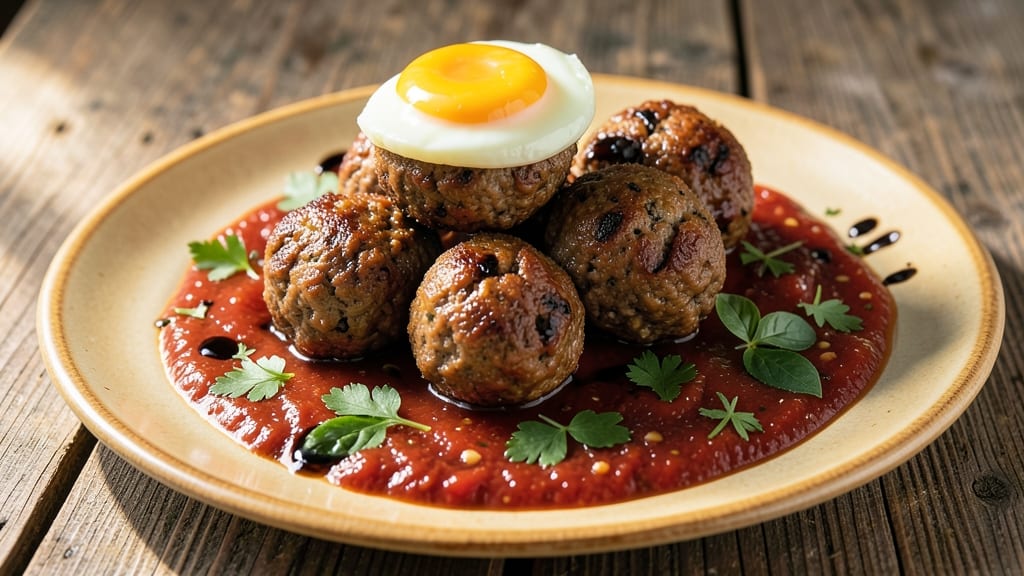
This all-beef Italian meatball recipe delivers the kind of tender, juicy meatballs you'd expect from a family-run trattoria in Rome. 💛 The secret lies in the perfect balance of ground beef, fresh herbs, and just the right amount of breadcrumbs to bind without drying out—plus a handcrafted dough that ensures maximum flavor in every bite.
What sets these meatballs apart is the technique: using a food processor for the initial mix ensures even distribution of ingredients, while hand-forming creates that classic irregular shape.
The meatballs brown beautifully in a hot pan before simmering in rich marinara sauce, absorbing flavors without falling apart. This method guarantees restaurant-quality results at home.
By the time you serve them—whether over al dente pasta, on a crusty bread platter, or with a fresh salad—you'll have meatballs that are perfectly tender inside with a crisp exterior.
The aroma alone will have everyone at the table asking for seconds. Ready in about 45 minutes, this recipe is ideal for family dinners or meal prep.
For extra authenticity, use a blend of Italian sausage and ground beef, and finish with a sprinkle of fresh parsley and grated Parmesan. The combination of textures and flavors makes these meatballs a crowd-pleaser that feels like a homemade hug in every bite.
Ingredients for all beef italian meatball
The foundation of restaurant-quality Italian meatballs starts with these carefully selected ingredients.
| Ingredient | Amount | Notes |
|---|---|---|
| Ground Beef (80/20 fat ratio) 🥩 | 1 ½ lb | Chilled, not pre-formed patties |
| All-Purpose Flour 🌾 | ½ cup | For handcrafted dough binding |
| Fresh Parsley Leaves 🌿 | ¼ cup | Finely chopped, stems removed |
| Fresh Basil Leaves 🌿 | ¼ cup | Finely chopped, stems removed |
| Garlic Cloves 🧄 | 4 cloves | Minced, not pre-minced jarred |
| Large Eggs 🥚 | 2 whole | Room temperature for even mixing |
| Parmesan Cheese (Parmigiano-Reggiano) 🧀 | ½ cup | Freshly grated, fine texture |
| Italian Seasoning 🌶️ | 1 tbsp | Diamond Crystal preferred |
| Ground Black Pepper 🌶️ | 1 tsp | Freshly cracked, coarse grind |
| Kosher Salt 🧂 | 1 ½ tsp | Diamond Crystal preferred |
| Panko Breadcrumbs 🍞 | ¾ cup | For crisp exterior texture |
| Extra-Virgin Olive Oil 🫒 | 1 tbsp | For pan searing, high smoke point |
| Marinara Sauce 🍅 | 2 cups | Homemade or Rao's brand |
The ground beef is non-negotiable—80/20 fat ratio ensures juiciness without greasiness. Butcher shops often have fresher cuts than grocery stores, and chilling the meat for 30 minutes before handling prevents excess fat. For Italian seasoning, Diamond Crystal has a more robust flavor than Morton's, and always buy fresh herbs from the market if possible—they make a noticeable difference. The Parmigiano-Reggiano should be freshly grated; pre-grated versions contain anti-caking agents that dull the flavor. If you're short on time, Whole Foods carries pre-grated blocks in their deli section that hold up better than the canned kind.
No fresh parsley? Dried parsley at one-third the amount works, but the texture won't be the same. Substituting Italian sausage for half the beef adds depth—just drain it well to avoid excess moisture. For the breadcrumbs, panko creates that perfect crispy exterior, but if you're out, regular breadcrumbs toasted in the oven work in a pinch. The garlic should be minced by hand for maximum aroma release; pre-minced jarred garlic contains fillers that mute the flavor. If your marinara lacks depth, add a splash of red wine (about 1 tbsp) to the simmering sauce for complexity.
Store the raw meatball mixture in an airtight container in the fridge for up to 2 days, though they're best used fresh. Once cooked, these meatballs reheat beautifully—simmer in sauce for 5 minutes on the stove or microwave for 2 minutes with a splash of water. For meal prep, portion into freezer-safe containers with sauce and freeze for up to 3 months. The texture holds up remarkably well, though they're best enjoyed within a week of cooking for optimal tenderness. Always let them come to room temperature before reheating for even cooking.
Why You'll Love This Recipe
- No-Fuss Mixing: I swear by the 80/20 beef—just hands-on, no food processor needed. Toss in the flour, herbs, and minced garlic (I use a microplane for that extra punch), and it comes together faster than you can say "spaghetti night."
- Herb-Packed Punch: That bright parsley and basil? They make these meatballs taste like they simmered all day—even when they’re ready in 20 minutes. The garlic? Oh, it’s the secret weapon no one mentions.
- Leftovers That Last: Freeze half the batch right after baking. Reheat in a skillet or straight from frozen—crispy outside, juicy inside. My kids grab them for school lunches without complaint.
- Budget-Friendly Feast: Ground beef stretches farther than you’d think, and the flour adds structure without breaking the bank. Plus, these meatballs play well with pasta, sandwiches, or even breakfast hash—no waste here.
Step-by-step instructions for handcrafted Italian meatballs
Here's the method that delivers perfectly juicy, never-dry meatballs every time.
👨🍳 Step 1: Prepare the Fresh Herbs and Aromatics
Start by finely chopping the 0.25 cup fresh parsley leaves and 0.25 cup fresh basil leaves using a sharp chef's knife. Remove stems completely—they're fibrous and ruin texture. The herbs should be small enough to distribute evenly but not turn into a paste.
Next, mince the 4 cloves garlic using the same knife. For even distribution, I press each clove against the cutting board with my thumb while slicing. This technique prevents garlic clumps that can create bitter pockets in your meatballs. Set all chopped ingredients aside in separate small bowls.
👨🍳 Step 2: Mix the Binder and Seasoning Components
In a medium mixing bowl, combine the 0.5 cup all-purpose flour, 1.5 tsp kosher salt, 1 tbsp Italian seasoning, and 1 tsp ground black pepper. Whisk vigorously for 30 seconds to ensure the seasonings are evenly distributed throughout the flour. This dry mix will form the structural backbone of your meatballs.
In a separate small bowl, lightly beat the 2 whole large eggs until just combined. The eggs should be room temperature—this ensures even mixing with the cold beef. Add the 0.5 cup freshly grated Parmesan cheese and mix until fully incorporated. The cheese should dissolve completely into the egg mixture for maximum flavor distribution.
👨🍳 Step 3: Combine All Ingredients for Perfect Texture
In a large mixing bowl, gently combine the 1.5 lb ground beef (80/20 fat ratio) with the herb mixtures, egg-cheese blend, and dry seasoning components. Using your hands, mix just until combined—about 20-30 seconds of gentle folding. Overmixing develops gluten and makes meatballs tough.
Here's the thing—don't press too hard when mixing. The fat in the beef needs to remain distributed throughout the mixture. Add the 0.75 cup panko breadcrumbs last and fold them in just until they disappear. The panko will create that perfect crispy exterior while maintaining juicy interiors.
🍳 Step 4: Form and Sear the Meatballs
Using slightly dampened hands (I dip them in cold water and wipe dry), roll the mixture into 1.5-inch diameter meatballs. Wet hands prevent sticking and help achieve uniform shapes. Place them on a parchment-lined baking sheet and refrigerate for 30 minutes—this firms them up for easier handling.
Heat 1 tbsp extra-virgin olive oil in a large skillet over medium-high heat until shimmering. Working in batches, add meatballs and cook for 2-3 minutes per side until golden brown and developed a crust. Don't crowd the pan—this prevents steam buildup that makes meatballs soggy. Transfer cooked meatballs to a paper towel-lined plate.
🥘 Step 5: Simmer in Sauce for Maximum Flavor
In the same skillet, pour in the 2 cups marinara sauce and bring to a gentle simmer over medium-low heat. Add the seared meatballs back to the sauce, spooning sauce over them to coat completely. Simmer uncovered for 15-20 minutes, stirring occasionally, until the meatballs reach an internal temperature of 160°F.
The sauce should reduce slightly, creating a thick, glossy coating on each meatball. Taste and adjust seasoning if needed—sometimes homemade marinara needs a pinch more salt. Serve immediately with additional sauce spooned over the top for that restaurant-quality presentation.
Pro Tips For Making All Beef Italian Meatball
- Chill the Meat First: I learned this the hard way—skipping it makes the meatballs greasy and dense. Take the ground beef out of the fridge 30 minutes before mixing, then pop it in the freezer for 15 minutes right before handling. The cold fat firms up just enough to hold shape without squeezing out oil when you form the meatballs.
- Pulse the Herbs: Fresh parsley and basil? Don’t just chop them—pulse them in a food processor for 2-3 seconds. You’ll get a finer, more even distribution of flavor without turning the meatballs into pesto. (Yes, even if you’re impatient like me, resist the urge to skip this.)
- Don’t Overwork the Dough: Mix the flour, garlic, and herbs into the beef just until combined—maybe 10-12 turns with your hands. Overmixing develops the gluten, and suddenly you’ve got tough meatballs instead of tender ones. Think "loosely bound," not "kneaded to perfection."
- Sear in Batches: Crowding the pan? Big mistake. Cook meatballs in single layers over medium-high heat for 2-3 minutes per side until deeply browned. The crust locks in juices, and the flavor explodes. (Pro move: Use tongs to flip them—forks crush the sear.)
Common mistakes when making great all beef italian meatball
Overmixing the Dough
This is the #1 mistake I see beginners make—they treat meatballs like bread dough and mix them until they're smooth. Overmixing develops gluten in the beef, creating tough, dense meatballs instead of tender ones.
Stop mixing as soon as all ingredients are combined—about 20-30 seconds of gentle folding is all you need. The fat in the beef needs to stay distributed, not worked into a paste. 💫
Skipping the Chill Time
Many recipes call for refrigerating the formed meatballs for 30 minutes before cooking, but people often skip this step. The chill time firms up the mixture so it holds its shape during searing.
Without it, your meatballs may fall apart in the pan or sauce. I promise you'll notice the difference—especially when serving to kids who expect perfect shapes!
Using Wrong Fat Ratio
Don't reach for lean ground beef (90/10 or higher)—it's a common shortcut that backfires. The 80/20 fat ratio is crucial for juicy meatballs. The fat renders out during cooking, keeping the interior moist.
If you're concerned about calories, use Italian sausage (20% fat) mixed with beef for extra flavor without sacrificing texture. Trust me, your taste buds will thank you.
Crowding the Pan
When searing meatballs, many people try to cook them all at once. This creates steam that steams instead of browns, resulting in soggy exteriors. Cook in single-layer batches with space between them.
A 12-inch cast iron skillet holds about 6 meatballs comfortably. Patience here pays off with that perfect golden crust. 🔥
Overcooking in Sauce
People often simmer meatballs for too long, thinking more time equals more flavor. The ideal internal temperature is 160°F—any higher and they'll dry out. Use a meat thermometer to check the center of a meatball.
If you're worried about undercooking, start checking after 10 minutes of simmering. The sauce should coat them beautifully without making them rubbery.
Ignoring the Egg Temperature
Room temperature eggs mix more evenly with cold beef, but many people use them straight from the fridge. Cold eggs create pockets in the meatball mixture that can lead to uneven cooking.
Let your eggs sit at room temperature for 10-15 minutes before mixing. This small step makes a surprisingly big difference in texture consistency. 💡
Nutrition facts
Frequently asked questions
Why does your recipe use 80/20 ground beef instead of leaner options?
The 80/20 fat ratio is essential for juicy meatballs—the fat renders out during cooking, keeping the interior moist while creating a flavorful crust. Lean beef (90/10+) often results in dry, tough meatballs. If you prefer less fat, try mixing half beef with Italian sausage (20% fat) for extra flavor without sacrificing texture.
Can I make these meatballs ahead of time for a party?
Form the meatballs and refrigerate them in an airtight container for up to 2 days before cooking. For longer storage, freeze raw meatballs on a tray first, then transfer to a bag for 3 months. Thaw overnight in the fridge, then cook as directed. The flavors actually deepen when reheated gently in sauce.
What's the best way to serve these meatballs?
These meatballs shine with classic pairings: serve over al dente pasta (spaghetti or penne), on a garlic bread platter, or with a fresh arugula salad and grated Parmesan. For extra flair, sprinkle with fresh parsley and a drizzle of olive oil. The sauce should coat them beautifully without making them soggy.
How do I prevent meatballs from falling apart when forming?
Wet your hands slightly before rolling (dip in cold water and wipe dry) to prevent sticking, and chill formed meatballs for 30 minutes before cooking. This firms the mixture so it holds shape. Also, avoid overmixing—the dough should look slightly uneven with visible fat flecks. The panko breadcrumbs help bind them together while adding crispiness.
Is there a quick way to make these without a food processor?
Yes! Simply mix all ingredients by hand in a large bowl using your fingers—just be gentle to avoid overworking the meat. For the herbs, finely chop them with a sharp knife instead of processing. The texture will be slightly less uniform but still delicious. The key is mixing just until combined (about 20-30 seconds) to maintain tenderness.