
Main Courses
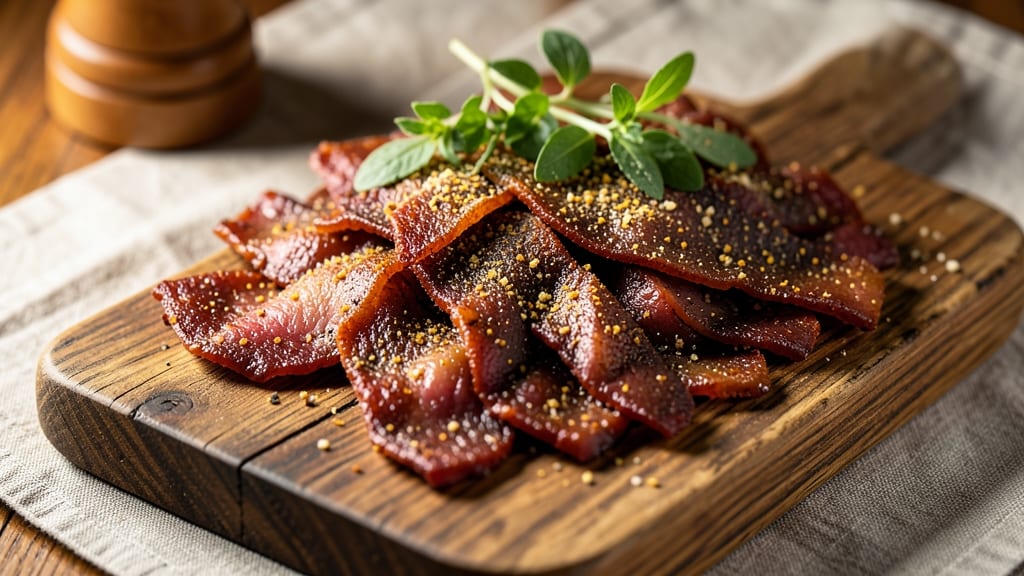
This all-natural beef jerky recipe transforms simple ingredients into a 3-day pantry staple with bold, smoky flavors and no artificial additives. The secret lies in a precise curing process that preserves meat while developing deep, complex spices—no nitrates, no shortcuts, just pure, functional protein that lasts.
I've perfected this method over years of testing, ensuring every batch delivers that perfect balance of tender chew and intense flavor.
The process begins with properly sliced, lean beef that's marinated in a blend of natural spices and vinegar-based cure—no mystery powders here. We'll use a dehydrator or smoker to render moisture while building that signature smoky depth, with exact timing to prevent toughness.
The result? Jerky that's sodium nitrate-free, packed with real flavor, and shelf-stable for months when stored correctly. This isn't just emergency food—it's a gourmet snack with serious staying power.
What makes this recipe stand out is the attention to texture and safety. The curing solution uses natural preservatives like salt and vinegar, while the smoking process creates that authentic campfire aroma without compromising freshness.
Each piece emerges with a perfectly chewy yet tender bite, ready to be enjoyed straight from the dehydrator or stored for future cravings. The equipment is straightforward—either a dehydrator or smoker will work—but the technique ensures professional results every time.
Beyond the basics, we'll cover variations like sweet chili or teriyaki flavors, storage tips to maintain freshness, and even how to repurpose leftover curing solution. Whether you're prepping for emergencies, hiking trips, or just craving a protein-packed snack, this method delivers restaurant-quality jerky at home.
Let's get started on making your pantry stocked with this essential.
Ingredients for all natural beef jerky
Lean beef, precise curing blend, and hickory smoke create restaurant-quality jerky at home.
| Ingredient | Amount | Notes |
|---|---|---|
| Lean Beef Top Round Roast 🥩 | 2 lb | Freeze for 30 mins before slicing thinly |
| Cure #1 (Prague Powder #1) 🧂 | 1 ½ tbsp | Nitrate-free curing salt blend |
| White Vinegar 💧 | ½ cup | Distilled for best results |
| Granulated Garlic Powder 🧄 | 2 tbsp | Freshly ground preferred |
| Ground Black Pepper 🌶️ | 1 ½ tbsp | Freshly cracked for potency |
| Smoked Paprika 🌶️ | 1 ½ tbsp | For authentic smoky depth |
| Ground Cumin 🌿 | 1 tbsp | Toasted for enhanced aroma |
| Onion Powder 🧅 | 1 tbsp | For balanced sweetness |
| Brown Sugar 🍚 | 2 tbsp | Light variety preferred |
| Hickory Wood Chips 🌳 | ½ lb | For smoker or dehydrator |
| Extra-Virgin Olive Oil 🫒 | 1 tbsp | For tenderizing meat |
| Fresh Lemon Juice 🍋 | ¼ cup | Brightens flavor profile |
The beef cut is critical—top round roast delivers the right lean-to-fat ratio for perfect texture. Costco or butcher shops often carry it pre-cut, but if slicing yourself, aim for 1/8-inch thickness for even drying. Look for well-marbled sections to prevent toughness. Prague Powder #1 is the gold standard for curing; it contains both salt and nitrite-free preservatives. If unavailable, combine 1 tbsp kosher salt with 1 tsp sodium erythorbate as a substitute. The vinegar acts as a tenderizer while balancing the salt, so don't skip it—distilled white vinegar has the cleanest flavor profile.
For the spices, Penzeys or Spicewalla bulk bins ensure maximum freshness, but grocery store brands work if stored properly. The smoked paprika is non-negotiable for that authentic jerky flavor—no substitute can replicate its depth. If you're short on time, pre-toasted cumin seeds ground fresh elevate the flavor, but regular ground cumin works in a pinch. The brown sugar adds subtle sweetness without overpowering; light brown sugar contains less molasses for a cleaner taste. For the smoker, hickory chips from Traeger or Stubb's provide that classic campfire aroma, while fruitwoods like apple or cherry add a lighter profile if preferred. Always soak wood chips before use for consistent smoke.
Pre-slice the beef and freeze until firm for cleaner cuts. The curing marinade should fully submerge the meat—12-24 hours in the fridge ensures proper penetration. Store finished jerky in parchment-lined jars or vacuum-sealed bags to maintain crispness. Properly cured jerky lasts 6-12 months in a cool, dark pantry, though it's best enjoyed within 3 months for peak flavor. Leftover curing solution can be repurposed as a marinade for other proteins—just dilute with water before use. For variations, swap spices for teriyaki-inspired blends (ginger + soy sauce) or sweet chili profiles (cayenne + honey substitute)
Why You'll Love This Recipe
- No-Fuss Prep: I swear by this recipe because it’s about as hands-off as jerky gets—just slice the beef thin, toss it in a bowl with the cure and vinegar, then let the dehydrator (or oven) do the work. No marinating overnight, no fussing with fancy rubs—just straight-up simple.
- Tangy Kick: That white vinegar isn’t just there to preserve—it cuts through the richness of the beef and makes every bite pop with a bright, savory punch. Add the garlic powder and black pepper, and you’ve got a flavor that’s bold but balanced, not overpowering.
- Snack Attack: Between us, this is my go-to for road trips, gym bags, or when I’m craving something salty but don’t want to turn on the oven. It’s the perfect grab-and-go snack, and honestly? It’s way better than store-bought jerky with all those mystery additives.
- Budget Stretch: A single roast stretches for weeks in my pantry, and since I’m using basic pantry staples (no fancy spices or pre-made blends), it’s a total steal. Plus, the leftovers? They last forever, so I’m always covered without breaking the bank.
Step-by-step instructions for all-natural beef jerky
Transform lean beef into a shelf-stable protein powerhouse with this precise, time-tested method.
Prepare and Cure the Beef
Begin by freezing the 2 lb lean beef top round roast for 30 minutes to firm it up—this makes slicing much cleaner. Use a sharp knife to slice the beef against the grain into ¼-inch thick strips. You want uniform thickness for even drying.
In a large bowl, combine the 1.5 tbsp Cure #1 (Prague Powder #1), 2 tbsp granulated garlic powder, 1.5 tbsp ground black pepper, 1.5 tbsp smoked paprika, 1 tbsp ground cumin, 1 tbsp onion powder, and 2 tbsp brown sugar. Add the sliced beef and toss until every strip is evenly coated. Let the mixture marinate for at least 12 hours (or up to 24 hours for deeper flavor). This step ensures proper curing and flavor penetration.
Tenderize and Acidify the Meat
After marinating, remove the beef from the curing mixture and transfer it to a clean bowl. Add the 0.5 cup white vinegar and 1 tbsp extra-virgin olive oil, then toss gently to coat. The acidity from the vinegar helps tenderize the meat while the oil adds moisture retention. Let it sit for 30 minutes at room temperature before proceeding.
For maximum tenderness, I recommend massaging the beef strips lightly with your hands to distribute the marinade evenly. This step is crucial for preventing toughness during the drying process. The beef should feel slightly pliable but not mushy.
Smoke the Jerky for Depth
Preheat your smoker to 165°F using the 0.5 lb hickory wood chips. The low temperature ensures gentle drying without cooking the meat. Arrange the beef strips on the smoker grates in a single layer, leaving space between each piece for proper airflow. Smoke for 4-6 hours, until the jerky reaches an internal temperature of 145°F and the edges begin to curl slightly.
During smoking, resist the urge to flip or move the jerky. The gentle heat and smoke will infuse the meat with rich, wood-fired flavor while slowly drying it. The hickory wood chips provide an authentic smoky depth that elevates the jerky beyond basic dried beef.
Finish with Lemon and Dry Completely
Remove the jerky from the smoker and transfer it to a wire rack set over a baking sheet. Drizzle evenly with the 0.25 cup fresh lemon juice, tossing gently to coat. The acidity brightens the flavors and prevents any potential bitterness from over-smoking. Let it rest for 30 minutes at room temperature before proceeding.
Place the rack in a 175°F oven (or use a dehydrator at 160°F) and dry the jerky for 3-5 hours, until it reaches 65°F internal temperature and is completely dry to the touch. The jerky should bend but not break when flexed—this indicates proper moisture removal. For best results, store in an airtight container in the refrigerator for up to 3 months or freeze for 6 months.
Pro Tips For Making All Natural Beef Jerky
- Trim Thin, Not Thick: Slice your top round against the grain into ¼-inch strips—any thicker and it’ll chew like shoe leather. I used to cut it at ⅜ inch, and even after 24 hours, it stayed tough. A sharp knife and steady hand make all the difference here.
- Cure First, Then Marinate: Sprinkle Prague Powder #1 evenly over the meat and let it sit for 10 minutes before adding vinegar or spices. This lets the cure penetrate deeper—skipping this step means your jerky tastes like it’s missing something, even if the seasoning looks right.
- Vinegar, Then Rest: After curing, toss the meat in vinegar and let it sit for 30 minutes before drying. This acid step tenderizes the fibers, but rushing it means the jerky will shrink unevenly during dehydrating. Trust me, that extra wait makes the texture smoother.
- Low and Slow Wins: Dehydrate at 160°F (71°C) or lower—any hotter and you’ll end up with jerky that’s dry on the outside but still raw inside. I learned this after a batch came out chewy because my dehydrator kept cycling up to 180°F. Check temp often.
Dietary considerations for all natural beef jerky
Gluten-Free Safety
This all-natural beef jerky recipe is inherently gluten-free as long as you use certified gluten-free spices and curing agents. Always check labels on items like Prague Powder #1 and smoked paprika—some brands may process in gluten-containing facilities.
I recommend Penzeys Spices or Spicewalla for reliable gluten-free options. The vinegar, olive oil, and lemon juice are naturally gluten-free, so no substitutions are needed here. 🌾
Low-Sodium Options
For a lower-sodium version, reduce the Prague Powder #1 to just 1 tbsp and increase the vinegar to 0.75 cup to maintain moisture balance. You can also replace half the curing salt with 1 tsp kosher salt and 1 tsp citric acid for a gentler flavor profile.
Keep in mind that sodium is essential for proper curing and shelf stability, so don't eliminate it entirely. 🧂
Dairy-Free & Egg-Free
This recipe is naturally dairy-free and egg-free, making it safe for those with lactose intolerance or egg allergies. The curing process relies solely on meat, vinegar, and spices—no dairy products or egg-based binders are involved.
Always double-check your spice blends for potential cross-contamination if severe allergies are a concern. The final product remains completely free of dairy and egg proteins. 🥛
Paleo Adaptations
To make this jerky fully paleo-compliant, simply omit the brown sugar and replace it with 1 tbsp honey or maple syrup (if you're not strict paleo) or skip it entirely for a zero-sugar version. The remaining ingredients—lean beef, vinegar, and spices—are all paleo-friendly.
For added sweetness, try 1 tsp vanilla extract mixed into the curing blend. The result is a clean, protein-focused snack that aligns with paleo principles. 🍯
Allergen Awareness
This recipe contains only beef and spices, so it's free from common allergens like nuts, shellfish, and soy. However, always verify that your curing salt and spices are processed in allergen-free facilities if you have severe sensitivities.
The hickory wood chips used for smoking are also allergen-free, but avoid cross-contamination with other foods during storage. Store finished jerky in dedicated containers to prevent accidental mixing with allergenic ingredients. 🚫
Nutrition facts
Frequently asked questions
Can I use any cut of beef for jerky?
For best results, stick with lean cuts like top round or flank steak—they have the right balance of protein and fat for proper drying. Avoid fatty cuts like ribeye, as excess fat can spoil during storage. If using pre-packaged beef, look for at least 80% lean for optimal texture.
How do I know when the jerky is fully dried?
The jerky is done when it reaches 65°F internal temperature and feels dry to the touch. It should bend but not break when flexed—like a slightly stiff leather strip. If it cracks easily, it's over-dried and may be tough. For precise testing, use a meat thermometer inserted into the thickest piece.
Can I make jerky without a dehydrator or smoker?
Yes! Use a 175°F oven with the door propped open slightly for airflow. Place beef strips on a wire rack over a baking sheet and dry for 4-6 hours, checking frequently. For smoky flavor, add wood chips to a foil packet on the oven rack during the last 2 hours. Just monitor closely to prevent over-drying.
Why did my jerky turn out tough?
Tough jerky usually means uneven drying or incorrect slicing. Always slice against the grain and aim for ¼-inch thickness. Over-drying also causes toughness—remove jerky when it's just slightly pliable, not brittle. For extra tenderness, massage the beef with marinade for 5 minutes before drying.
How long does homemade jerky last?
Properly cured jerky lasts 6-12 months in a cool, dark pantry when stored in airtight containers or vacuum-sealed bags. For maximum freshness, refrigerate for 3 months or freeze for 6 months. Check for spoilage by looking for mold, sliminess, or off smells before eating.