
Soups & Stews
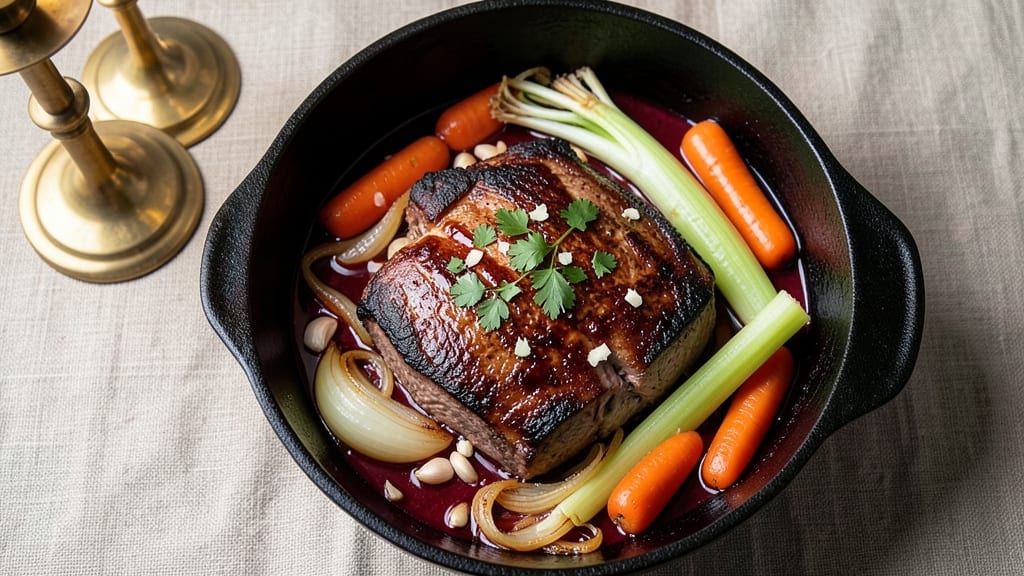
This all-natural beef stew recipe transforms tough cuts into melt-in-your-mouth perfection through slow caramelization of root vegetables and deep-roasting techniques. The secret lies in proper browning of the beef—never rushed—and building layers of flavor through aromatic vegetables and herbs.
Every bite delivers rich, savory depth without artificial additives, making it a hearty centerpiece for any meal.
The process begins with searing beef in batches to develop a flavorful crust, followed by sautéing onions, carrots, and celery until softened. A splash of red wine deglazes the pan, capturing all those precious browned bits, while beef broth and tomatoes create a velvety base.
The stew simmers for hours, allowing flavors to meld and the meat to become fork-tender.
By the time it's done, you'll have a pot of deeply aromatic stew with tender beef chunks swimming in a rich, gravy-like broth. The caramelized roots add natural sweetness that balances the savory meat, while fresh herbs brighten the final dish.
This is comfort food at its finest—wholesome, satisfying, and packed with natural ingredients.
Serve with crusty bread for soaking up every drop or alongside roasted potatoes for a complete meal. The leftovers only get better the next day as flavors continue to develop. Here's how to make it from scratch using simple, natural ingredients.
Ingredients for all natural beef stew
Sixteen ingredients transform tough beef into melt-in-your-mouth perfection through caramelized roots and deep-roasted richness.
| Ingredient | Amount | Notes |
|---|---|---|
| Chuck Roast 🥩 | 3 lb | Tough cut, well-marbled |
| Yellow Onions 🧅 | 2 whole | Medium size, roughly chopped |
| Carrots 🥕 | 4 whole | Large, peeled, cut into chunks |
| Celery Stalks 🧄 | 4 whole | Fresh, strings removed |
| Garlic Cloves 🧄 | 6 cloves | Fresh, peeled, minced |
| Red Wine 🍷 | 1 cup | Bold dry variety, like Cabernet |
| Beef Broth 💧 | 4 cups | Homemade or quality store-bought |
| Crushed Tomatoes 🍅 | 14 ½ oz | San Marzano preferred, no salt added |
| Fresh Thyme 🌿 | 2 tbsp | Leaves only, chopped |
| Fresh Rosemary 🌿 | 1 tbsp | Needles only, chopped |
| Bay Leaves 🌿 | 2 whole | Dried, standard size |
| Olive Oil 🫒 | 2 tbsp | Extra-virgin, for searing |
| Salt 🧂 | 1 ½ tsp | Kosher or sea salt |
| Black Pepper 🌶️ | 1 tsp | Freshly ground |
| Tomato Paste 🍅 | 2 tbsp | No salt added |
The chuck roast is non-negotiable here—look for good marbling at your butcher or grocery store's meat counter. Costco and Whole Foods often carry high-quality cuts, but even the regular supermarket beef works if it's fresh. For the vegetables, organic carrots and celery have more natural sweetness, but conventional is fine. The key is cutting them evenly so they soften at the same rate. If you're short on time, pre-chopped frozen vegetables work in a pinch, but fresh gives the best texture. The crushed tomatoes should be San Marzano if you can find them—they're sweeter and less acidic, which balances the stew beautifully.
No red wine? Beef broth with a splash of balsamic vinegar mimics the depth. Fresh thyme and rosemary are ideal, but dried works at one-third the amount. If tomato paste feels like overkill, a handful of sun-dried tomatoes adds richness without extra prep. The olive oil matters for searing—use extra-virgin for the best flavor. For the beef broth, homemade is ideal, but even the low-sodium store-bought brands work if you adjust seasoning. The bay leaves can be dried or fresh—just remember to remove them before serving.
This stew tastes even better the next day, so make extra if you can. Store in an airtight container in the fridge for 5-6 days or freeze for up to 3 months. For reheating, low heat on the stove prevents curdling. I like to portion it into individual containers so I can grab a serving straight from the fridge. The vegetables keep well too—store carrots and celery wrapped in damp paper towels for up to a week, and fresh herbs in a jar of water on the counter.
Why You'll Love This Recipe
- Deep, Savory Magic: That first bite of tender beef falling apart in a rich, caramelized broth? The onions and garlic turn golden and sweet, while the carrots stay crisp—like a flavor symphony where every note matters. (Yes, even on a Tuesday night.)
- Leftovers That Beg for More: This stew actually gets better the next day—thicker, deeper, and somehow even more comforting. I freeze half for lazy Mondays, and my kids still fight over the portions. Budget win, flavor win.
- Crowd-Pleaser Without Trying: Game nights, potlucks, or just feeding a hungry family—this feeds eight but costs less than takeout. The chuck roast stretches perfectly, and no one ever questions why you made it again. (They just ask for seconds.)
Step-by-step instructions for deep-roasted beef stew
This method transforms tough chuck roast into melt-in-your-mouth tenderness through precise roasting and slow simmering.
Sear the Chuck Roast for Maximum Flavor
Pat the 3 lb chuck roast completely dry with paper towels—this ensures a proper sear. Heat 2 tbsp olive oil in a large Dutch oven over medium-high heat until shimmering. Place the roast in the pot and sear for 4-5 minutes per side until deeply browned with a crust forming. Don't rush this step—the crust locks in juices during cooking.
Remove the roast and set it aside. The goal is to develop rich, caramelized flavors that will infuse the entire stew. If your pan gets too crowded, work in batches, but don't reduce heat—consistent temperature is key for that perfect crust.
Roast the Vegetables for Deep Caramelization
In the same Dutch oven (no need to clean it—the browned bits add flavor), add the 2 whole yellow onions, 4 whole carrots, and 4 whole celery stalks. Toss them with the remaining rendered fat and spread them in a single layer. Roast over medium heat for 15-20 minutes, stirring occasionally, until the vegetables soften and develop a deep golden color.
Here's where the magic happens: the vegetables should be almost jammy from caramelization. If they're sticking too much, add a splash of water and scrape up those flavorful browned bits from the bottom of the pot. Add the 6 cloves minced garlic and cook for another 30 seconds until fragrant.
Build the Stew Base with Wine and Tomatoes
Deglaze the pot with 1 cup red wine, scraping up all the browned bits from the bottom. Let it simmer for 3-4 minutes until reduced by half. Stir in the 2 tbsp tomato paste and cook for 1 minute to deepen the flavor. Add the 14.5 oz crushed tomatoes, 4 cups beef broth, 1.5 tsp salt, and 1 tsp black pepper. Bring to a gentle simmer.
Return the seared chuck roast to the pot, along with 2 whole bay leaves, 2 tbsp fresh thyme, and 1 tbsp fresh rosemary. The herbs should be sprinkled directly on top of the roast to infuse it with aroma. Partially cover and simmer for 2 hours on low heat, turning the roast occasionally to ensure even cooking.
Finish with Tender Perfection
After 2 hours, check the internal temperature of the chuck roast with a meat thermometer. It should read 195-200°F—this is the sweet spot for fork-tender beef. If it's not quite there, continue cooking for another 30-45 minutes. The meat should pull apart easily with a fork.
Remove the roast and let it rest for 10 minutes before slicing. Skim any excess fat from the surface of the stew if desired. Return the sliced roast to the pot and stir gently to combine. The stew should be rich, deeply flavored, and have a velvety texture from the caramelized vegetables and slow cooking process.
Serve with Crusty Bread and Fresh Herbs
Ladle the stew into bowls and garnish with additional fresh thyme and rosemary if desired. The aroma alone will make your kitchen smell like a rustic French bistro. Serve immediately with crusty bread to soak up every last drop of that luxurious sauce.
This isn't just stew—it's a flavor-packed, comforting dish that transforms simple ingredients into something extraordinary. The deep-roasted vegetables add natural sweetness and texture, while the slow-cooked chuck roast delivers melt-in-your-mouth tenderness with every bite.
Pro Tips For Making All Natural Beef Stew
- Sear the Chuck Roast: High heat. Seriously, crank it up to medium-high and let that roast develop a deep brown crust on all sides—it’s the only way to lock in flavor. I used to rush this, and the stew always tasted flat; patience here makes a real difference.
- Cut Celery Like a Pro: Skip the chopping—slice those stalks into ¼-inch half-moons instead. It cooks faster, looks better, and blends into the stew without turning to mush. My grandmother swore by this, and she was right: uniform pieces = even cooking.
- Don’t Crowd the Pot: If your stew’s looking packed, resist the urge to add all the veggies at once. Layer them in batches so they crisp slightly before submerging—this keeps the carrots from turning to paste and the onions from dissolving into the broth.
- Use Cold Water for Searing: Sounds weird, but it works: Add ½ cup cold water to the pot while browning the meat. It creates steam, lifts the fond (those brown bits), and keeps the chuck from sticking like glue. I learned this the hard way—after burning three batches, I finally figured out why my fond always vanished.
Make-ahead tips for this all natural beef stew
Prep Ahead for Flavor
Start by prepping all your vegetables the night before—chop the onions, carrots, and celery and store them in a sealed container in the fridge. This saves 20 minutes of prep time on cooking day.
I also like to measure out all the spices and herbs so they're ready to go when I need them. Trust me, this small step makes the actual cooking process feel like a breeze. 🌟
Slow Cooker Option
For an even easier approach, use a 6-quart slow cooker to handle the long simmering time. Brown the beef and vegetables in a skillet first, then transfer everything to the slow cooker with all the liquids. Cook on low for 8 hours or high for 4-5 hours.
The slow cooker maintains consistent heat, so you don't need to monitor it closely—just let it work its magic while you're out running errands. ⏰
Freezer-Friendly Prep
Make this stew ahead and freeze it for up to 3 months—it actually tastes better after a night in the fridge or a few weeks frozen. Let the stew cool completely, then portion it into quart-sized freezer bags with 1 inch of headspace for expansion.
When you're ready to eat, thaw it overnight in the fridge and reheat gently on the stove. This is my go-to strategy for busy weeknights. ❄️
Herb Prep Shortcut
If fresh herbs aren't available, use dried thyme and rosemary at one-third the amount—so ⅔ tbsp dried thyme instead of 2 tbsp fresh. For extra convenience, I keep a small jar of dried herbs on hand specifically for stews and soups.
The flavor won't be identical, but it's a solid backup that still delivers great results. 💡
Broth Boost
For maximum flavor, make a big batch of beef broth while you're cooking and use it in this recipe. If you don't have time, even a low-sodium store-bought broth works—just add an extra ½ tsp salt to compensate.
The key is using enough liquid to create a rich, velvety sauce that coats every bite of beef. 💧
Make-Ahead Serving
Portion the stew into individual containers before storing it in the fridge. This way, you can grab a single serving straight from the fridge and heat it up in 10 minutes for a quick lunch.
I like to keep a few containers on hand so I always have a comforting meal ready. The leftovers taste even better the next day as all the flavors meld together. 🍲
Nutrition facts
Frequently asked questions
Can I use a different cut of beef instead of chuck roast?
Yes, but chuck roast is ideal for its marbling and affordability. You can substitute with brisket (cook longer) or stew meat (smaller cubes, less cooking time). Avoid lean cuts like sirloin—they won't become tender enough. For best results, choose a cut with good fat content to stay moist during long cooking.
How do I know when the beef is perfectly tender?
Use a meat thermometer to check for 195-200°F internal temperature. The beef should pull apart easily with a fork and look fork-tender, not stringy. If it's not quite there after 2 hours, add ¼ cup broth and cook 30-45 minutes more. Never rush this step—tender beef makes all the difference!
What if I don't have red wine for deglazing?
No problem! Use 1 cup beef broth + 1 tbsp balsamic vinegar for similar depth. Or try ½ cup broth + ½ cup apple cider for a subtle sweetness. The key is to scrape up all those browned bits—they carry the most flavor. Don't skip this step, even with substitutes!
Can I make this stew in a regular pot instead of a Dutch oven?
but a Dutch oven's thick walls help maintain even heat. If using a regular pot, cook on medium-low heat and stir more frequently to prevent sticking. For best results, choose a pot with a tight-fitting lid. The slow simmer is what develops the rich flavors—just give it extra attention!
Why does my stew taste bland after cooking?
This usually happens from insufficient browning (the beef and veggies need a good crust) or not enough time simmering. For next time:
- Sear the beef longer,
- Deglaze thoroughly, and
- Simmer uncovered for the last 15 minutes to reduce the liquid slightly. A pinch of Worcestershire sauce or extra herbs can also rescue the flavor!