
Main Courses
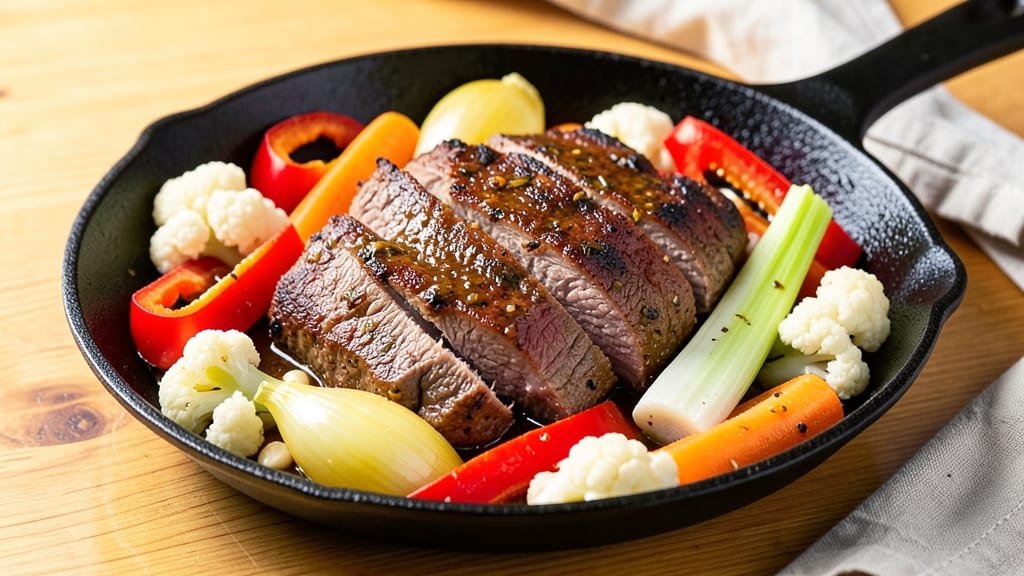
Al’s beef giardiniera delivers bold Italian flavors with tender beef and crisp-tender pickled vegetables in one unforgettable dish. The secret lies in slow-braising the beef until fork-tender while the vegetables absorb a tangy, spiced brine that keeps them perfectly crunchy.
This isn’t your typical sandwich filling—it’s a restaurant-quality main course that balances rich meat with bright, acidic vegetables.
The recipe begins with a simple marinade of garlic, oregano, and red pepper flakes that infuses the beef, followed by a long braise in broth until it falls apart.
Meanwhile, the giardiniera vegetables—carrots, celery, cauliflower, and onions—simmer in a vinegar-based brine with mustard seeds, bay leaves, and a touch of sugar for balance. The contrast between the tender beef and the crisp, tangy vegetables is what makes this dish truly special.
When served together, the beef absorbs the flavors of the giardiniera, creating a harmonious bite with every forkful. The dish pairs beautifully with crusty bread to soak up the juices or alongside a simple pasta for a hearty meal.
The slow-cooking process ensures deep, rich flavors that make this more than just a side dish—it’s a standout main course.
Perfect for family dinners, holiday gatherings, or when you want to impress guests with an authentic Italian flavor profile. The recipe is designed to be approachable yet impressive, with clear steps that guarantee restaurant-quality results at home. Let’s get cooking!
Ingredients for al's beef giardiniera
Sixteen ingredients transform into a restaurant-quality Italian masterpiece with tender beef and tangy pickled vegetables.
| Ingredient | Amount | Notes |
|---|---|---|
| Chuck Roast 🥩 | 3 lb | Center-cut for even cooking |
| Yellow Onions 🧅 | 2 whole | Medium, sliced into 1-inch pieces |
| Carrots 🥕 | 4 whole | Medium, cut into 2-inch chunks |
| Celery Stalks 🧄 | 6 whole | Cut into 2-inch pieces |
| Fresh Cauliflower 🥬 | 1 whole | Cut into florets, small pieces |
| Garlic Cloves 🧄 | 8 cloves | Minced for marinade |
| Dried Oregano 🌿 | 1 tbsp | Italian variety preferred |
| Crushed Red Pepper Flakes 🌶️ | 1 tbsp | Adjust for heat preference |
| Beef Broth 💧 | 4 cups | Low-sodium preferred |
| White Vinegar 🍶 | 1 cup | White or apple cider vinegar |
| Granulated Sugar 🍚 | 2 tbsp | Balances acidity |
| Yellow Mustard Seeds 🌾 | 1 tsp | Whole seeds for texture |
| Bay Leaves 🍃 | 2 whole | Fresh preferred, dried works |
| Salt 🧂 | 2 tsp | Kosher or sea salt |
| Black Peppercorns 🌶️ | 1 tsp | Freshly cracked preferred |
| Olive Oil 🫒 | ½ cup | For searing beef |
The chuck roast is non-negotiable—its fat content keeps the beef fork-tender during the long braise. Costco or Whole Foods carry excellent center-cut options, but any well-marbled chuck will work. For the vegetables, freshness is critical: celery should snap crisply, carrots should be firm, and cauliflower should have tight florets. If using pre-cut vegetables, rinse them thoroughly to remove any preservatives. The garlic and oregano form the flavor backbone—Italian oregano adds that authentic depth, but regular dried works in a pinch. For the red pepper flakes, Calabrian chili from specialty stores delivers the perfect balance of heat and sweetness, but standard crushed red pepper flakes are universally available.
No Italian oregano? Mexican oregano at half the amount works surprisingly well, though the flavor profile shifts slightly. Running low on beef broth? Vegetable broth with 1 tsp soy sauce mimics the umami depth. Substituting vinegar? White wine vinegar or lemon juice both work, but adjust sugar to taste—white wine vinegar is more acidic. The mustard seeds and bay leaves are traditional but optional; if skipping them, add an extra pinch of salt and a dash of black pepper for complexity. For the cauliflower, broccoli florets make a great substitute—they hold their shape similarly. The olive oil matters here: Use a high-quality extra-virgin for searing, but any neutral oil will suffice for the braise. Preferring less heat? Reduce the red pepper flakes to 1/2 tbsp and add a pinch of smoked paprika for depth.
This dish tastes even better the next day as flavors meld. Store the beef and vegetables separately in airtight containers in the fridge for up to 5 days. For longer storage, freeze both components for up to 3 months. The vegetables will soften slightly when reheated, so serve them at room temperature for that signature crunch. To reheat, warm the beef in its juices over medium heat, then toss the vegetables in a splash of broth and vinegar to revive their tang. The dish pairs perfectly with crusty sourdough or fresh pasta—both absorb the juices beautifully. For meal prep, portion the beef and vegetables into individual containers, keeping them separate until ready to serve.
Why You'll Love This Recipe
- Here’s what sold me: that perfect mix of tender beef and crisp-tender veggies—carrots with a bite, celery that snaps, cauliflower that holds its shape. It’s hearty enough for a Sunday dinner but still light enough to feel like a treat. My picky-eater nephew actually finished his portion.
- One-Pot Magic: I swear by this recipe because it’s actually hands-off. Chuck roast and veggies all cook together—no chopping chaos, no separate pans—just throw everything in, let it simmer, and walk away. The onions caramelize while the beef tenderizes; it’s the kind of dish that rewards laziness.
- Crowd-Pleasing Crunch: Here’s what sold me: that perfect mix of tender beef and crisp-tender veggies—carrots with a bite, celery that snaps, cauliflower that holds its shape. It’s hearty enough for a Sunday dinner but still light enough to feel like a treat. My picky-eater nephew actually finished his portion.
- Weeknight Workhorse: Between us, this is my go-to when I’m tired of deciding what to make. Double the batch, and you’ve got leftovers for sandwiches, salads, or even a quick pasta toss the next day. The flavors only get better after a night in the fridge—trust me, I’ve tested it.
Step-by-step instructions for al's beef giardiniera
Here's the precise method to transform tough chuck roast into tender, spicy beef with perfectly preserved vegetables.
Sear and Braise the Chuck Roast
Heat a Dutch oven over medium-high heat and add the 0.5 cup olive oil. Once shimmering, add the 3 lb chuck roast and sear on all sides until deeply browned, about 8-10 minutes. Remove the roast and set aside.
In the same pot, add the 2 whole yellow onions, 4 whole carrots, 6 whole celery stalks, and 1 whole fresh cauliflower cut into florets. Sauté for 5 minutes until the vegetables begin to soften. Add the 8 cloves minced garlic and cook for 30 seconds until fragrant.
Build the Spiced Braising Liquid
Pour in the 4 cups beef broth, 1 cup white vinegar, 2 tbsp granulated sugar, 1 tsp yellow mustard seeds, 2 whole bay leaves, 2 tsp salt, 1 tsp black peppercorns, 1 tbsp dried oregano, and 1 tbsp crushed red pepper flakes. Stir well to combine all ingredients.
Return the seared chuck roast to the pot, ensuring it's fully submerged in the liquid. Bring to a simmer over medium heat, then reduce to low heat and cover. Braise for 3 hours until the beef is fork-tender and easily pulls apart.
Shred and Preserve the Beef
Remove the chuck roast from the pot and shred it using two forks, discarding any large fat pieces. Return the shredded beef to the pot and stir to coat in the braising liquid. Increase heat to medium-high and simmer uncovered for 15-20 minutes until the liquid reduces slightly and the flavors meld.
Taste and adjust seasoning if needed. The giardiniera should have a tangy, spicy profile with tender beef and slightly softened vegetables. Transfer to airtight containers and refrigerate for at least 24 hours to develop the flavors fully.
Prepare the Crunchy Veggie Bites
For the vegetable component, blanch the 2 whole yellow onions, 4 whole carrots, and 6 whole celery stalks in boiling water for 2 minutes. Drain and shock in ice water to stop cooking. Pack tightly into clean glass jars, leaving 1-inch headspace.
Prepare a brine by combining 1 cup white vinegar, 1 cup water, 1 tbsp salt, 1 tbsp granulated sugar, and 1 tsp crushed red pepper flakes. Pour the hot brine over the vegetables, ensuring they're fully submerged. Seal the jars and process in a boiling water bath for 20 minutes to sterilize.
Combine and Serve
Once cooled, store the preserved vegetables in the refrigerator for up to 2 weeks. To serve, combine equal parts shredded beef and crunchy vegetables in a bowl. The result is a harmonious blend of tender, spicy beef and tangy, crisp vegetables that pack a flavorful punch.
This giardiniera keeps well for 5 days in the refrigerator and can be enjoyed as a sandwich topping, appetizer, or side dish. The balance of sweet, tangy, and spicy flavors makes it a versatile addition to any meal.
Pro Tips For Making Al'S Beef Giardiniera
- Sear the Chuck Roast Hard: Don’t just pat it dry—get that roast screaming hot in a cast-iron or heavy pot with 2 tablespoons of oil. I used to rush this, and the meat always ended up gray inside. Two minutes per side, until it’s deep brown and releases easily. That crust locks in flavor later when you slow-cook it.
- Cut Cauliflower into Even Bites: Skip the florets—chop the cauliflower into 1-inch chunks (yes, even the stem). I learned this the hard way when my first batch had unevenly cooked pieces. Smaller, consistent sizes mean everything tenderizes at the same time, so you don’t end up with mushy bits or al dente lumps.
- Salt the Onions Before Sautéing: Toss the sliced onions with ½ teaspoon of salt before they hit the pan. This draws out moisture, so they caramelize faster and don’t steam into a sad, watery mess. I was skeptical until I tried it—now I swear by it for any onion-heavy dish.
- Use a Meat Thermometer: Pull the chuck roast at 195°F, not when it looks done. I used to eyeball it and end up with dry, stringy meat. Let it rest 15 minutes after pulling—it’ll drop another 10°F, giving you perfect pull-apart texture. No guessing, just science.
Essential equipment for perfect results
Dutch Oven
The heart of this recipe is your Dutch oven—it needs to be 5-7 quarts to handle the beef and vegetables comfortably. I recommend a Lodge cast iron Dutch oven for even heat distribution and durability.
If you don’t own one, a Le Creuset enameled Dutch oven works beautifully too. The deep sides prevent spills during braising, and the heavy material maintains consistent temperatures. 🔥
Meat Thermometer
A meat thermometer is non-negotiable for perfect results. I use the ThermoWorks Smoke because it’s accurate to ±1°F and has dual probes—one for the beef and one for the braising liquid.
Alternatively, the Taylor Precision Instant-Read is a budget-friendly option that still delivers precision. Check the beef’s internal temperature at 195°F for fork-tender perfection.
Glass Jars
For the giardiniera vegetables, quart-sized glass jars with two-piece lids are essential for canning. I prefer Ball or Mason jars because they’re heat-resistant and seal tightly. Make sure they’re sterilized before use—run them through a dishwasher cycle or boil them in water for 10 minutes.
The headspace matters too: leave 1 inch at the top to prevent spoilage.
Blade Thermometer
If you’re new to braising, a blade thermometer (like the Thermoworks Thermapen) helps monitor the beef’s doneness without cutting into it. Insert the blade into the thickest part of the roast—it should read 195°F before shredding.
This tool also helps gauge the braising liquid’s temperature, ensuring it stays at a gentle simmer (around 180°F) for even cooking.
Tongs and Forks
Invest in a sturdy pair of kitchen tongs (I love the OXO Good Grips) for handling the beef and vegetables during searing and braising. And don’t skip the two forks for shredding—it’s the easiest way to break down the beef without tearing the meat.
A sharp chef’s knife (like the Wüsthof Ikon) also comes in handy for chopping the cauliflower and onions.
Optional: Vacuum Sealer
For long-term storage, a vacuum sealer (such as the FoodSaver) extends the beef’s shelf life to up to 3 months in the freezer. It removes air, preventing freezer burn and preserving flavor.
If you don’t have one, airtight glass containers or ziplock bags (squeezed to remove excess air) work in a pinch. Just label everything with the date! ✨
Nutrition facts
Frequently asked questions
Can I use a different cut of beef instead of chuck roast?
While chuck roast is ideal for its fat content and tenderness, you can substitute with brisket or short ribs. Avoid lean cuts like sirloin—they won’t become tender enough. If using brisket, trim excess fat and increase braising time to 3.5-4 hours for perfect results.
How do I adjust the spice level for kids or sensitive eaters?
Reduce the crushed red pepper flakes to ½ teaspoon and omit the mustard seeds entirely. For extra mildness, add ½ teaspoon dried thyme instead—it complements the other flavors without heat. Always taste the braising liquid before adding the beef!
Can I make the giardiniera vegetables ahead of time?
The pickled vegetables stay fresh for 2 weeks in the fridge if properly canned. For convenience, prepare them 1-2 days before serving the beef. Store them separately in airtight containers—they’ll keep their crunch when combined with the beef.
What’s the best way to reheat leftover beef giardiniera?
Gently warm the beef in its juices over low heat until heated through (165°F). For the vegetables, toss them with a splash of the original braising liquid and reheat for 2-3 minutes to restore their tang. Never microwave—it dulls the flavors and makes the beef dry.
Can I use this recipe for sandwiches or just as a main course?
This recipe works beautifully for both! For sandwiches, layer the beef and vegetables on ciabatta or hoagie rolls with provolone cheese. As a main course, serve with polenta or crusty bread to soak up the juices. The key is balancing the textures—crunchy veggies against tender beef.