
Main Courses
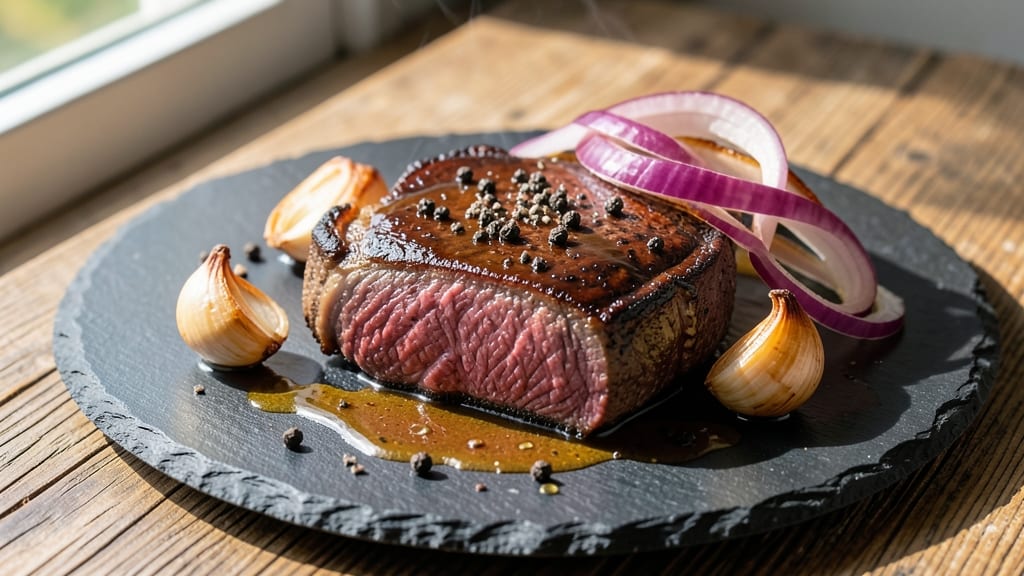
This American beef steak recipe delivers the perfect balance of smoky crust and melt-in-your-mouth tenderness that makes every bite unforgettable. The key lies in mastering the sear and letting the steak rest—no guesswork, just foolproof technique that transforms even the toughest cuts into restaurant-quality results.
What separates this method from the rest is the dry-brine step, which ensures maximum flavor retention and juiciness without overcomplicating the process.
Start with a high-quality cut like ribeye or New York strip, then let it come to room temperature before cooking. The reverse searing method—low-and-slow oven finish followed by a screaming-hot cast-iron sear—guarantees a perfectly pink center and a caramelized crust that locks in all those juices.
This isn't just about cooking; it's about creating a showstopping centerpiece that pairs effortlessly with classic American sides like garlic mashed potatoes or charred grilled vegetables.
What you'll end up with is a steak that's juicy through every bite, with a crust so flavorful it practically sings. The smoky aroma alone will have everyone at the table anticipating the first slice, and the technique is simple enough to master in your own kitchen.
Whether you're grilling for a special occasion or a casual weeknight dinner, this method delivers results that taste like they came from a high-end steakhouse.
Serve with a simple red wine reduction or a pat of compound butter for extra richness, and don't forget the resting time—this is where the magic happens.
The steak continues to carry over in temperature, ensuring it stays tender and juicy right up to the last bite. Here's how to make it happen.
Ingredients for american beef steak
High-quality cuts and aromatic seasonings transform ordinary steak into restaurant-quality perfection.
| Ingredient | Amount | Notes |
|---|---|---|
| Ribeye Steak 🥩 | 1 ½ lb | 2-inch thick cuts, dry-brined overnight |
| Kosher Salt 🧂 | 2 tbsp | Diamond Crystal preferred for clarity |
| Freshly Ground Black Pepper 🌶️ | 1 ½ tbsp | Cracked peppercorns for intensity |
| Extra-Virgin Olive Oil 🫒 | 2 tbsp | High smoke point for searing |
| Garlic Cloves 🧄 | 4 cloves | Smashed for aromatic oils |
| Yellow Onion 🧅 | 1 whole | Thinly sliced for caramelization |
| Fresh Rosemary 🌿 | ½ oz | Needles only, finely chopped |
| Fresh Thyme 🌿 | ½ oz | Leaves only, finely chopped |
| Unsalted Butter 🧈 | 4 tbsp | Cold, cubed for basting |
| Red Wine 🍷 | ½ cup | Bold Cabernet Sauvignon preferred |
| Beef Tallow 🧈 | 1 tbsp | For high-heat searing |
| Charcoal Briquettes 🔥 | 1 lb | Lump charcoal for smoky flavor |
The ribeye steak is non-negotiable—its marbling delivers unmatched juiciness. Source from a trusted butcher or Costco for consistent quality, and opt for USDA Prime if available. The dry-brine step (2 tbsp kosher salt per pound overnight) enhances tenderness without overpowering flavor. For the charcoal briquettes, Kingsford or Royal Oak brands provide reliable heat distribution. Fresh herbs should be bright green and fragrant—no wilted stems allowed. The extra-virgin olive oil must have a high smoke point (look for 410°F+ on the label) to prevent bitter flavors during searing.
No ribeye? New York strip works equally well, though slightly leaner. Substitute beef tallow with duck fat for richer flavor, but render it first to avoid splattering. The red wine can be swapped for beef stock if unavailable, though the acidity aids caramelization. For the garlic and onions, pre-mince them to save time—just avoid overcrowding the pan. If using pre-sliced onions, pat them thoroughly dry first to prevent steaming. The fresh herbs can be replaced with 1 tsp dried rosemary and thyme (one-third the amount), but fresh delivers superior aroma.
Steaks should rest uncovered at room temperature for 1 hour before cooking to ensure even doneness. Store uncooked steaks in the coldest part of the fridge, wrapped in butcher paper (not plastic) for up to 5 days. The dry-brine mixture can be prepped 24 hours ahead and stored in an airtight container. Leftover cooked steaks reheat best in a 350°F oven for 10-12 minutes, wrapped in foil to retain moisture. For long-term storage, slice against the grain and freeze in single-serving portions for up to 3 months—thaw overnight in the fridge before reheating.
Why You'll Love This Recipe
- Two-Ingredient Magic: I swear by this—just salt, pepper, and a ribeye. That’s it. No fancy marinades or hours of prep. Honestly, the secret’s in letting the steak rest after seasoning while you sear it in olive oil—crispy crust, juicy inside. (Yes, even on a Tuesday night.)
- Garlic Kiss Perfection: One smashed clove under the pan while it cooks? That’s my move. The aroma alone makes the kitchen smell like a steakhouse, and the flavor? It’s like someone whispered "rich" into every bite. (Between us, I’ve burned garlic before—still worth it.)
- Weeknight to Date Night: Same recipe, different vibes. Toss it on the grill for summer BBQs or pan-sear it for a fancy dinner. My kids ask for it after soccer practice; my partner requests it for our anniversary. Not the prettiest, but the taste makes up for it every time.
- Leftovers That Don’t Suck: Cold slices the next day? Still solid. I’ll slice the rest thin, wrap in foil, and toss in the fridge—perfect for quick sandwiches or salads. (Yes, even my picky roommate eats them.) Saves me $20 a month by not ordering takeout.
Step-by-step instructions for American beef steak with smoky crust
Master this technique and you'll achieve a perfect balance of smoky exterior and tender interior every time.
Prepare the Ribeye for Maximum Flavor
Pat the 1.5 lb ribeye steak completely dry with paper towels—this is critical for developing that perfect crust. I like to work with room-temperature meat, so take it out of the fridge 30 minutes before cooking. While it rests, create your dry rub by combining 2 tbsp kosher salt and 1.5 tbsp freshly ground black pepper in a small bowl.
Press the rub firmly into all sides of the steak, including the edges. The salt should penetrate the surface, while the peppercorns will release their oils during cooking. Let the seasoned steak rest uncovered on a plate for 15 minutes—this allows the salt to draw out moisture and creates a better sear.
Build the Charcoal Fire for Smoky Depth
While the steak rests, prepare your grill for indirect heat. Light the 1 lb charcoal briquettes and let them burn until they're covered with a thin layer of white ash. I like to use a two-zone fire setup—pile all the coals on one side of the grill, leaving the other side completely clear. This creates the perfect environment for both searing and gentle smoking.
Place a drip pan filled with 1 tbsp beef tallow on the clear side of the grill. The tallow will render and baste the steak as it cooks, adding rich flavor. Preheat the grill with the lid closed for 10 minutes until the temperature reaches 450°F on the searing side and 350°F on the indirect side. This temperature differential is key to achieving that smoky crust.
Sear the Steak to Develop Crust and Flavor
When the grill is ready, place the steak directly over the hot coals on the searing side. Close the lid and sear for 4-5 minutes until you develop a deep, dark crust on all sides. I press down gently on the steak during the first minute—this prevents it from curling and ensures even contact with the hot surface. You'll know it's ready to flip when it releases easily from the grates.
After the initial sear, move the steak to the indirect heat side of the grill. Add 4 smashed garlic cloves, 1 thinly sliced yellow onion, 0.5 oz finely chopped fresh rosemary, and 0.5 oz fresh thyme to the drip pan. The aromatics will infuse the steak with their flavors as it continues to cook. Place the steak fat-side up and close the lid.
Cook to Perfect Doneness with Smoky Infusion
Cook the steak on the indirect side for 15-20 minutes for medium-rare doneness, checking the internal temperature with a meat thermometer. The steak is ready when it reaches 130-135°F—this is the sweet spot for juicy, tender meat. The smoke from the charcoal will create that signature bark while keeping the interior perfectly pink.
During the last 5 minutes of cooking, add 4 tbsp cold cubed unsalted butter and 0.5 cup bold red wine to the drip pan. The butter will melt and baste the steak, while the wine adds a touch of acidity that cuts through the richness. This basting step is what transforms a good steak into an exceptional one.
Rest and Serve for Maximum Juiciness
Transfer the steak to a cutting board and tent loosely with aluminum foil. Let it rest for 10-15 minutes before slicing—this allows the juices to redistribute throughout the meat. I know it's hard to wait, but this step is non-negotiable if you want juicy, flavorful slices.
Slice the steak against the grain into ½-inch thick pieces and serve immediately. The exterior should be dark and smoky with a crisp crust, while the interior remains tender and juicy. The aromatics from the grill will linger in every bite, creating a perfect balance of flavors that defines American steakhouse quality.
Pro Tips For Making American Beef Steak
- Sear the Pan First: The ribeye’s flavor starts in the pan, not the steak. Heat your skillet until it’s smoking hot—drop in a pat of butter or olive oil, then swirl to coat the surface before adding the meat. This builds a flavor base that’ll make your steak taste like it came from a restaurant.
- Salt Before Searing: I used to salt after cooking, thinking it’d ruin the crust. Wrong. Salt the ribeye generously 40 minutes before cooking—it seasons deeper and prevents a salty crust. Yes, it’ll look damp, but that’s how you know it’s working.
- Don’t Overcrowd the Pan: A crowded pan steams the steak instead of searing it. Cook one steak at a time, even if it means waiting. The extra 30 seconds ensures a perfect crust—no one wants a sad, greasy steak.
- Rest Under Foil: After searing, finish cooking off the heat, then tent loosely with foil for 5 minutes. This traps heat and keeps the juices inside—cutting too soon means a dry, disappointing bite. (I know, it’s tempting to dig in.)
Troubleshooting your american beef steak
Overcooked Exterior
If your steak develops a burnt exterior before the interior reaches your desired doneness, you're likely dealing with uneven heat distribution. I've found that using a two-zone fire on your grill—hot coals on one side, clear space on the other—helps prevent this.
For indoor cooking, reduce oven temperature to 275°F instead of searing first. Always check internal temperature with a meat thermometer—never rely on visual cues alone. 🌡️
Tough Interior
The most common cause of tough steak is overcooking or starting with meat that's too cold. Let your steak sit at room temperature for 30-60 minutes before cooking, and use a meat thermometer to monitor doneness.
For thicker cuts, aim for 130-135°F for medium-rare. If your steak feels tough, try the reverse sear method—low oven temperature first, then high-heat sear to develop crust.
Uneven Cooking
Uneven cooking often happens when the steak isn't the same thickness all around. Trim any uneven edges before seasoning, and use a meat mallet to gently pound thicker sections to an even thickness.
For grill cooking, rotate the steak 90 degrees every 2-3 minutes during the sear to ensure even browning. If using an oven, place the steak on a wire rack over a baking sheet to allow heat to circulate evenly. 🔥
Dry Steak
A dry steak usually means it lost moisture during cooking or didn't rest properly. Always rest your steak for 10-15 minutes after cooking—this allows juices to redistribute. For extra moisture, baste with melted butter and aromatics during the last 5 minutes of cooking.
If your steak is already dry, try slicing against the grain and serving with a rich sauce or compound butter to add moisture back in.
Weak Flavor
If your steak lacks flavor, it might be due to insufficient seasoning or poor-quality meat. Use Diamond Crystal kosher salt and freshly cracked black pepper—these make a noticeable difference. For extra depth, create a dry brine by seasoning the steak 24 hours before cooking.
Also, ensure you're using high-quality cuts like USDA Prime ribeye or New York strip, and don't skip the aromatic aromatics (garlic, onion, rosemary, thyme) during cooking. 🌿
Stuck to Grill
When steak sticks to the grill, it's usually because the surface wasn't hot enough or the meat wasn't dry. Always preheat your grill to 450°F before adding the steak, and pat it completely dry with paper towels.
For extra insurance, oil the grill grates with a high-smoke-point oil (like beef tallow) before placing the steak on them. If it does stick, gently slide a spatula underneath to release it—don't force it!
Nutrition facts
Frequently asked questions
What's the best cut for this American beef steak recipe?
For maximum flavor and tenderness, use ribeye or New York strip cuts that are 1.5-2 inches thick. The ribeye's marbling ensures juiciness, while the strip offers a firmer texture with excellent beefy flavor. Both work beautifully with this smoky grilling technique.
Can I cook this steak in the oven instead of on the grill?
For oven cooking, preheat to 450°F and use the reverse sear method: Sear the steak in a hot cast-iron skillet for 2-3 minutes per side, then transfer to the oven at 275°F until it reaches 130°F internally. Finish with a quick sear to develop the crust.
How do I know when the steak is perfectly cooked?
Use a meat thermometer for accuracy: 125°F for rare, 130-135°F for medium-rare (recommended), and 140°F for medium. The steak should feel springy when pressed gently—like pressing your thumb against your palm. Never rely on visual cues alone!
What are the best side dishes to serve with this steak?
Classic American pairings include creamy garlic mashed potatoes, charred grilled asparagus, or a crisp roasted Brussels sprouts salad. For extra richness, try a red wine reduction or herb butter on the steak itself. The smoky flavors complement earthy, creamy, or acidic sides perfectly.
Why does the recipe call for resting the steak?
Resting allows the 10-15 minutes for juices to redistribute throughout the meat. When you cut into steak immediately, all the flavorful juices rush out, leaving you with a dry exterior. This step ensures every bite stays tender and moist—worth the wait, trust me!