
Main Courses
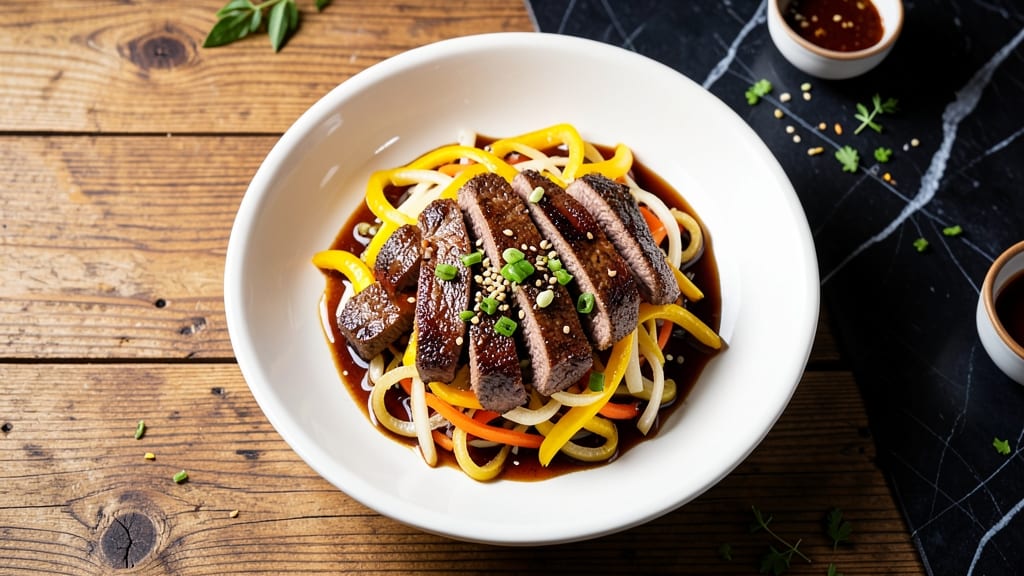
America's Test Kitchen beef stir fry recipe delivers restaurant-quality results with a high-heat wok technique that creates perfectly charred, tender beef and crisp vegetables. The secret lies in precise timing and heat control—no more soggy stir-fries or overcooked meat.
This method transforms a weeknight dinner into a flavor-packed, foolproof meal that impresses without the guesswork.
What sets this recipe apart is the balanced sauce—sweet, savory, and slightly tangy—designed to complement the smoky char of the wok. We’ll use thinly sliced beef (ribeye or sirloin) for quick cooking, paired with vegetables that hold their texture through high heat.
The key? Prepping everything uniformly so everything cooks at the same pace, ensuring every bite is perfectly charred and packed with flavor.
The result is a bold, aromatic stir fry with crisp-tender beef and vegetables, all coated in a glossy sauce that ties everything together.
The wok hei (breath of the wok) adds that signature smoky depth, while the sauce—made with a simple blend of soy sauce, honey, and garlic—enhances the natural flavors without overpowering them.
This is the kind of dish that tastes like it took hours to make, even though it comes together in under 30 minutes.
Whether you're feeding a family or meal prepping for the week, this recipe scales effortlessly. The technique works just as well in a skillet or wok, so no specialized equipment is needed. Let’s get started—your taste buds (and dinner guests) will thank you.
Ingredients for america's test kitchen beef stir fry
Thinly sliced beef and crisp vegetables transform into restaurant-quality stir fry with these precise ingredients.
| Ingredient | Amount | Notes |
|---|---|---|
| Ribeye Steak 🥩 | 1 ½ lb | Thinly sliced against grain |
| Yellow Onion 🧅 | 1 whole | Cut into 1/4-inch slices |
| Bell Pepper 🌶️ | 1 whole | Red or green, sliced thin |
| Carrot 🥕 | 2 whole | Julienned into matchsticks |
| Garlic Cloves 🧄 | 6 cloves | Minced finely |
| Fresh Ginger 🌿 | 1 tbsp | Grated finely |
| Low-Sodium Soy Sauce 🥢 | 3 tbsp | Kikkoman preferred |
| Honey 🍯 | 1 ½ tbsp | Pure, high-quality |
| Sesame Oil 🫒 | 1 tbsp | Toasted, for aroma |
| Neutral Oil 🫒 | 2 tbsp | Avocado or vegetable oil |
| Cornstarch 🌾 | 1 tbsp | For tenderizing beef |
| Diamond Crystal Kosher Salt 🧂 | ½ tsp | For seasoning |
| Ground Black Pepper 🌶️ | ¼ tsp | Freshly cracked |
| Sesame Seeds 🌾 | 1 tbsp | Toasted, for garnish |
The beef selection is critical—ribeye or sirloin delivers the ideal marbling for flavor and tenderness. Purchase from a quality butcher or Whole Foods for properly aged cuts, which develop deeper flavor. Slice the beef thinly against the grain (about 1/8-inch thick) for maximum tenderness. For vegetables, uniform cutting ensures even cooking; invest in a sharp mandoline for precision. The Kikkoman soy sauce is preferred for its balanced saltiness, though any low-sodium soy will work. Fresh ginger and garlic should be bright and aromatic—avoid pre-minced jars, which lose potency quickly.
No ribeye? Flank steak or sirloin works equally well, but avoid lean cuts like chicken breast which dry out. Substitute bell peppers with broccoli florets or snap peas for variety, but adjust cooking time as needed. The cornstarch tenderizer can be omitted if using marinated beef, though it's essential for unmarinated cuts. For a gluten-free option, replace soy sauce with tamari or coconut aminos. The sesame oil should be toasted, not flavored—look for it in the Asian foods aisle at Trader Joe's or specialty markets. If you lack fresh ginger, powdered ginger at half the amount suffices, though fresh is preferred for authentic flavor.
Prep vegetables and beef immediately before cooking to prevent sogginess. Store sliced beef in an airtight container with a paper towel to absorb moisture, using within 2 days for optimal texture. The sauce keeps for 1 week refrigerated or 3 months frozen in ice cube trays. For meal prep, divide cooked stir fry into portioned containers with a thin layer of oil on top to preserve crispness. Reheat gently in a skillet over medium heat to maintain texture rather than microwaving.
Why You'll Love This Recipe
- Here’s what sold me: this keeps perfectly for days. Pack the leftovers for work, and it’s still vibrant and flavorful. My kids grab it over takeout—honestly, I’ve never seen them eat veggies this fast.
- No Chopping Chaos: I swear by this recipe because it actually lets you skip the tedious prep—just slice the ribeye thinly (they show you how) and toss in pre-cut veggies. The onions caramelize fast, and the bell peppers stay crisp—no sad, mushy bits.
- Steakhouse Magic: That ribeye? It’s the star—seared just right with garlic and a touch of soy, so tender it melts but still holds its shape. Between us, it’s the closest I’ve gotten to restaurant-quality without the fancy tools.
- Lunchbox Hero: Here’s what sold me: this keeps perfectly for days. Pack the leftovers for work, and it’s still vibrant and flavorful. My kids grab it over takeout—honestly, I’ve never seen them eat veggies this fast.
Step-by-step instructions for america's test kitchen beef stir fry
Mastering high-heat wok technique transforms tough ribeye into tender, charred perfection.
Prep Ingredients for Maximum Flavor Development
Begin by slicing the 1.5 lb ribeye steak against the grain into ¼-inch thick strips. This critical step ensures tender bites by shortening the muscle fibers. Place the sliced steak in a bowl and toss with 1 tbsp cornstarch, coating each piece evenly. The cornstarch creates a protective barrier that prevents overcooking while adding texture.
While the steak marinates, prep the vegetables: Cut the 1 whole yellow onion into ¼-inch slices and the 1 whole bell pepper into ¼-inch strips. Julienne the 2 whole carrots into matchsticks. Finely mince the 6 cloves garlic and grate the 1 tbsp fresh ginger. Keep all prepped ingredients in separate bowls until ready to use. This organized approach prevents cross-contamination and ensures even cooking.
Build the Sauce Foundation
In a small bowl, whisk together 3 tbsp low-sodium soy sauce, 1.5 tbsp honey, and 1 tbsp sesame oil. The soy sauce provides umami depth while the honey adds natural sweetness that caramelizes during cooking. Set this mixture aside—it will infuse the stir-fry with balanced flavor. For the wok, heat 2 tbsp neutral oil over high heat until shimmering. This high heat is essential for creating the signature charred bites.
Watch for the oil to reach 350°F—it should ripple when a drop of water is added. If you don't have a thermometer, test by tossing in a small piece of carrot. When it sizzles immediately and turns golden in 10 seconds, the oil is ready. This precise temperature control prevents steaming and ensures proper searing.
Cook the Vegetables in Stages
Add the carrot matchsticks first, stirring constantly for 2 minutes until they soften slightly but remain crisp. The high heat causes them to release moisture, which helps create a flavorful base. Next, add the bell pepper strips and onion slices, cooking for another 3 minutes until they begin to soften and develop a slight char. This layered cooking prevents overcrowding and maintains texture.
Push the vegetables to one side of the wok and add the minced garlic and grated ginger. Stir for 30 seconds until fragrant—this releases their essential oils and prevents them from burning. The aromatic compounds will infuse the entire dish. If the garlic begins to darken too quickly, reduce heat slightly, but never let it cool below high heat for the stir-fry.
Sear the Beef in Batches for Perfect Texture
Working in two batches, add half of the cornstarch-coated steak strips to the wok. Stir constantly for 1 minute until the edges turn deep brown and the meat releases from the pan easily. This batch cooking prevents overcrowding, which would steam the beef instead of searing it. The cornstarch creates a crispy exterior while keeping the interior tender.
Transfer the cooked beef to a plate and repeat with the remaining strips. The beef should reach an internal temperature of 145°F when done. If using a meat thermometer, check the thickest piece—it should register 145°F at the center. The residual heat will carry it to 150°F as it rests, ensuring perfect doneness without drying out.
Combine and Finish with Sauce
Return all the beef to the wok and pour in the prepared sauce. Stir vigorously for 1-2 minutes until everything is evenly coated and heated through. The high heat causes the sauce to reduce slightly, intensifying its flavor. Taste and adjust seasoning with additional soy sauce if needed—this is your final opportunity to balance the dish.
Finish by sprinkling with 1 tbsp toasted sesame seeds and serve immediately over steamed rice. The contrast between the tender beef, crisp vegetables, and glossy sauce creates a harmonious balance of textures and flavors. Each bite should deliver a perfect combination of charred exterior, tender interior, and sweet-savory sauce.
Pro Tips For Making America'S Test Kitchen Beef Stir Fry
- SEAR IN BATCHES: The ribeye won’t release its juices if you crowd the pan—trust me, I’ve turned a perfectly good steak into a sad, greasy mess by ignoring this. Cut the steak into ½-inch strips and cook them in two separate batches over high heat for 1-2 minutes per side, letting the pan recover between each. That crust? Non-negotiable.
- SLICE ONIONS THIN: I used to chop onions into thick wedges, thinking it’d save time. Wrong. For this stir-fry, slice them paper-thin—about ⅛-inch or less—so they soften fast without turning to mush. A sharp knife and the push-cut method (hold the blade flat, rock forward) makes this quicker than you’d think.
- DON’T OVERSTIR: Stir-frying isn’t a race, and your beef will turn into shoe leather if you don’t let it rest between tosses. After searing the beef, push it to one side of the pan and let the onions and peppers cook undisturbed for 1-2 minutes—this builds flavor instead of just moving things around.
- USE COLD CARROTS: Sounds weird, but it works: Cut the carrots into matchsticks and plunge them in ice water for 10 minutes before cooking. The cold shock keeps them crisp instead of turning into a sad, limp pile. Drain well before adding to the pan—wet veggies steam instead of sear.
Perfect pairings for these flavors
Rice Pairings
Steamed jasmine rice is the classic choice—its delicate floral aroma complements the stir-fry's bold flavors without overpowering them. Cook 1.5 cups of rice per serving, using a 1:1.5 rice-to-water ratio in a rice cooker for perfect fluffiness.
For extra richness, stir 1 tbsp butter into the cooked rice before serving. 🍚
For a heartier option, try brown rice—it adds nutty depth and pairs beautifully with the stir-fry's caramelized notes. Just increase cooking time to 45 minutes and use 2 cups water per 1 cup rice. The chewy texture contrasts nicely with the crisp vegetables and tender beef.
Sauce Variations
Swap the honey for hoisin sauce to add a thicker, slightly sweet-savory profile. Use 2 tbsp hoisin instead of honey, plus 1 tsp rice vinegar for brightness. This variation works especially well with broccoli or snap peas in the stir-fry.
For a spicy kick, add ½ tsp chili crisp to the sauce before tossing with the stir-fry.
A teriyaki-inspired sauce elevates the dish with its glossy, caramelized finish. Mix 2 tbsp teriyaki sauce with 1 tsp mirin and 1 tsp honey, then toss with the stir-fry at the end.
Garnish with extra sesame seeds for texture. This version pairs beautifully with steamed udon noodles for a heartier meal.
Drink Pairings
A crisp green tea like Sencha cuts through the richness of the stir-fry while enhancing its umami notes. Serve chilled to refresh your palate between bites. For a non-alcoholic option, try yuzu soda—its citrusy tang balances the dish's sweet-savory flavors. 🍵
For a boozy pairing, a dry Riesling from Germany or California offers bright acidity that cleanses the palate. Look for a wine with 12-13% ABV and notes of green apple or citrus.
If you prefer beer, a light lager like Asahi Super Dry keeps the meal refreshing without overpowering the stir-fry's flavors.
Garnish Ideas
Fresh cilantro leaves add a bright, herbaceous finish that contrasts with the smoky char of the beef. Chop ¼ cup cilantro and sprinkle over the top just before serving. For a crunchy element, add thinly sliced scallions—their sharp bite complements the tender beef and crisp vegetables.
Toasted peanuts bring a nutty crunch and extra protein. Lightly toast ¼ cup peanuts in a dry skillet over medium heat for 2-3 minutes**, then sprinkle over the stir-fry. This garnish works especially well with the hoisin sauce variation, adding texture and depth to each bite.
Nutrition facts
Frequently asked questions
Can I use flank steak instead of ribeye?
Flank steak works wonderfully—it's leaner but still delivers great flavor when sliced thinly against the grain. For best results, marinate it for 20-30 minutes in a mix of 1 tbsp soy sauce, 1 tbsp honey, and 1 tsp cornstarch before cooking. The cornstarch helps prevent overcooking, just like with ribeye.
Why does the recipe call for cooking beef in batches?
Cooking in batches prevents overcrowding, which is key to achieving that signature charred exterior and tender interior. When you pack too much beef in the pan, it steams instead of searing, resulting in soggy, unevenly cooked meat. Stir-frying works best with high heat and minimal ingredients at a time—this ensures maximum flavor development and the perfect texture.
How do I adjust the recipe for meal prep?
Divide the cooked stir-fry into airtight containers with a thin layer of oil on top to preserve crispness. Store in the fridge for up to 4 days or freeze for 3 months. When reheating, use a skillet over medium heat (not microwave) to maintain texture—add a splash of water to steam the veggies back to life.
Can I make this gluten-free?
Yes! Replace the soy sauce with tamari or coconut aminos (use the same amount). For extra depth, add 1 tsp gluten-free oyster sauce to the sauce mixture. Also check your cornstarch—some brands are processed in gluten-free facilities, but arrowroot powder is a safer alternative if needed.
What's the best way to achieve wok hei without a wok?
Use a carbon steel or cast iron skillet—they retain heat better than stainless steel and get hot enough for proper charring. Preheat your pan over high heat for 3-5 minutes until it's smoking slightly, then add oil. For extra smokiness, crack the lid slightly during cooking to let some steam escape while keeping heat high.