
Main Courses
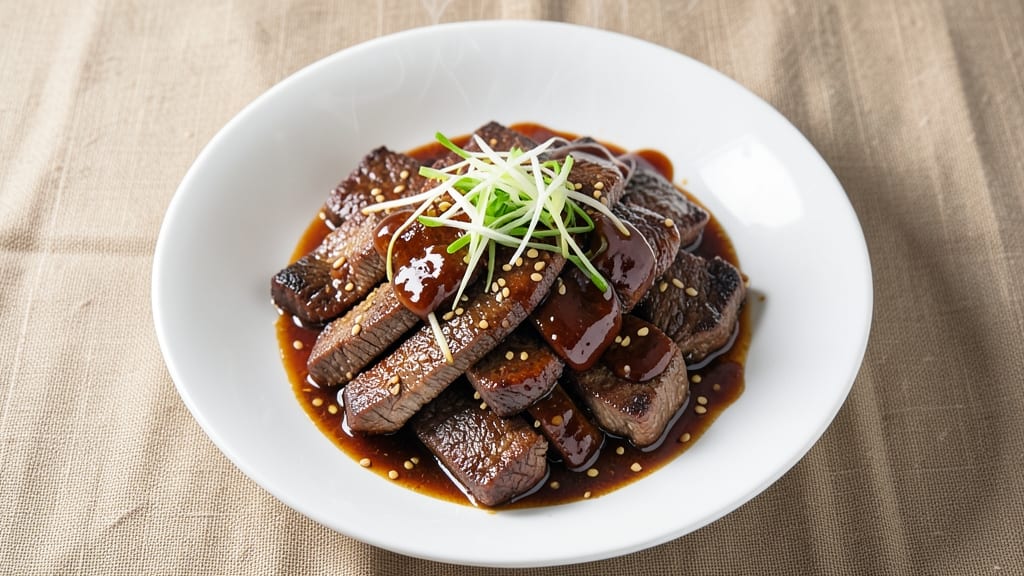
Andy Cooks' Mongolian Beef delivers restaurant-quality sweet-spicy flavor in just 30 minutes, transforming simple ingredients into a dish that's crispy, tender, and packed with umami. The secret lies in the sauce—a balanced blend of hoisin, soy, and a touch of heat—that caramelizes beautifully while stir-frying. I've perfected this technique over countless weeknight dinners, ensuring every bite delivers that perfect contrast of savory, sweet, and spicy.
What sets this recipe apart is the two-step cooking process: first searing the beef until it develops a deep, caramelized crust, then tossing it in the sauce to infuse every piece with bold flavor.
The result is beef that's both crispy on the outside and tender on the inside, all while maintaining that signature Mongolian texture. This method works with flank steak or sirloin, making it versatile for any protein you have on hand.
The sauce is where the magic happens—it's sweet, tangy, and just spicy enough to wake up your taste buds. We'll build it from scratch using pantry staples, so you don't need any specialty ingredients.
Serve it over steamed rice or noodles to soak up every last drop of that flavorful sauce, creating a meal that's hearty yet quick to prepare.
Whether you're cooking for a family dinner or meal prepping for the week, this Mongolian Beef recipe delivers consistent results every time. The best part? It's a one-pan wonder, meaning minimal cleanup and maximum flavor.
Let's get started on creating this crowd-pleasing dish that tastes like it came straight from your favorite Asian restaurant.
Ingredients for andy cooks mongolian beef
Pantry staples meet bold Asian flavors—just 14 ingredients for restaurant-quality Mongolian beef.
| Ingredient | Amount | Notes |
|---|---|---|
| Flank Steak 🥩 | 1 ½ lb | Thinly sliced against grain |
| Hoisin Sauce 🍶 | ½ cup | Store-bought or homemade |
| Soy Sauce 🍶 | ⅓ cup | Light or dark preferred |
| Brown Sugar 🍚 | ¼ cup | Packed firmly |
| Garlic Cloves 🧄 | 6 cloves | Minced finely |
| Fresh Ginger 🌿 | 2 tbsp | Grated finely |
| Sesame Oil 🫒 | 1 tbsp | Toasted sesame flavor |
| Rice Vinegar 🍶 | 1 tbsp | White or seasoned |
| Sriracha 🌶️ | 1 tbsp | Adjust for heat preference |
| Vegetable Oil 🫒 | 2 tbsp | High smoke point |
| Green Onions 🧅 | ¼ cup | Sliced thin for garnish |
| Sesame Seeds 🌾 | 1 tbsp | Toasted for crunch |
| Salt 🧂 | 1 tsp | Kosher or sea salt |
| Black Pepper 🌶️ | ½ tsp | Freshly ground |
The beef is non-negotiable here—flank steak or sirloin delivers that signature tender-yet-crispy texture. Costco or your butcher shop are the best spots for quality cuts, and ask for it sliced thinly against the grain if possible. I always grab extra because it disappears fast. For the sauce, Lee Kum Kee hoisin is my go-to, but any brand works. The brown sugar? Light or dark both work, but light dissolves cleaner. Fresh ginger and garlic are worth the extra minute to grate and mince—pre-minced jars just don't cut it for the same depth of flavor.
No hoisin? Substitute 2 tbsp soy sauce plus 1 tbsp molasses for a similar sweet-savory punch. Running low on sesame oil? Toasted sesame seeds ground into 1 tbsp oil works in a pinch. The sriracha can be swapped for red pepper flakes at half the amount if you prefer milder heat. For the oil, avocado oil or peanut oil both have high smoke points and work beautifully. The green onions? Scallions or chives in a bind, but green onions have that perfect balance of sharpness and freshness. And if you're feeling fancy, toast your sesame seeds in a dry pan for 30 seconds before adding them—they'll have that nutty aroma that takes it over the top.
This sauce keeps for 5 days in the fridge, though it tastes best fresh. The beef? Cook it fresh if possible, but it reheats beautifully—just add a splash of water or broth to keep it moist. Freeze portions of the sauce for up to 3 months if you're meal prepping. I always make double batches because it disappears fast—perfect for stir-fries, rice bowls, or even as a dipping sauce. Store leftovers in airtight containers with parchment between layers to keep everything crisp.
Why You'll Love This Recipe
- One-Pan Magic: I swear by this recipe for lazy nights—just slice the flank steak thin, toss it in a hot pan with garlic and soy, then let the hoisin and brown sugar work their sauce magic. No extra dishes, no stress, just pure satisfaction.
- Sweet-Savory Balance: That perfect mix of sticky hoisin, tangy soy, and caramelized brown sugar? It’s dangerously addictive. The garlic cloves sizzling in the pan take it from good to "I’ll make this again tomorrow."
- Lunchbox Hero: Between us, this is my go-to for meal prep. Cook a big batch on Sunday, and you’ve got weeknight lunches covered—pack it with rice, and it’s a flavor bomb that actually tastes homemade (not sad cafeteria leftovers).
- Budget Stretch: Flank steak is affordable, and a single pound feeds four. The hoisin and soy sauce stretch thin, so you’re not breaking the bank, but you’re still getting that restaurant-quality taste. Honestly, it’s my secret weapon for stretching groceries without compromising flavor.
Step-by-step instructions for andy cooks Mongolian beef
Here's how to transform simple ingredients into restaurant-quality Mongolian beef in record time.
Prepare the Flank Steak for Perfect Texture
Begin by slicing the 1.5 lb flank steak thinly against the grain into ¼-inch thick strips. This is crucial—thin slices cook faster and stay tender. Place the sliced steak in a bowl and add the 1 tsp salt and 0.5 tsp black pepper. Toss gently to coat evenly. Let it sit at room temperature for 15 minutes while you prep the sauce. This ensures even cooking and prevents cold spots in the center.
While the steak rests, mince the 6 cloves garlic cloves and grate the 2 tbsp fresh ginger using a microplane or fine grater. The finer you get these, the better they'll blend into the sauce. I like to use a mortar and pestle for the garlic—it releases more aroma when crushed this way. Set these aside for the sauce preparation.
Build the Signature Sweet-Spicy Sauce
Heat a large skillet over medium-high heat and add the 2 tbsp vegetable oil. Once the oil is shimmering, add the minced garlic and grated ginger. Cook for 30 seconds until fragrant—you should smell that fresh, zesty aroma. Be careful not to let them burn, as they'll turn bitter quickly.
Immediately add the 0.5 cup hoisin sauce, 0.33 cup soy sauce, 0.25 cup packed brown sugar, 1 tbsp rice vinegar, and 1 tbsp sriracha. Stir well to combine, letting the mixture simmer for 2-3 minutes until the sugar begins to dissolve and the sauce slightly thickens. This is where all the flavors meld together—don't rush this step. The sauce should coat the back of a spoon and have a glossy sheen.
Cook the Steak in the Sauce
Add the marinated steak strips to the skillet in a single layer. Let them sear undisturbed for 1-2 minutes until they develop a beautiful caramelized crust on one side. This initial sear locks in the juices and creates that perfect texture. Once the bottom side is browned, gently stir and cook for another 2-3 minutes until the steak is fully cooked through but still tender.
During the last minute of cooking, drizzle in the 1 tbsp sesame oil and toss everything together. The sesame oil adds that nutty aroma that's characteristic of authentic Mongolian beef. The steak should be cooked to 165°F internally—it'll continue cooking slightly as it rests. Remove from heat and let it rest for 2 minutes before serving.
Garnish and Serve Immediately
Transfer the Mongolian beef to serving plates and sprinkle generously with the 0.25 cup sliced green onions and 1 tbsp toasted sesame seeds. The green onions add a fresh contrast to the rich, sweet-spicy sauce, while the sesame seeds provide a delightful crunch. Serve immediately over steamed rice or noodles to soak up every last bit of that luscious sauce.
This dish is all about balance—the sweetness from the hoisin and brown sugar, the heat from the sriracha, and the umami from the soy sauce all come together perfectly. The steak should be tender yet slightly chewy, with a glossy sheen from the sauce. Don't forget to taste as you go—adjust the seasoning if needed, especially if you're sensitive to spice levels. Enjoy while it's hot!
Pro Tips For Making Andy Cooks Mongolian Beef
- SLICE THINLY BEFORE MARINATING: Flank steak fights you if you slice it raw—it’ll turn to shoe leather. Freeze it solid for 30 minutes first, then slice against the grain into ¼-inch strips. Thaw just long enough to handle (about 10 minutes) so the meat stays tender when you cook it fast and hot.
- SAVE THE GARLIC PEELS: That first batch of minced garlic burns like a firecracker. Sauté the cloves in oil until just golden (not brown), then remove them with a slotted spoon and set aside. Use the garlic for garnish—it’s sweeter and adds a fancy touch without risking bitterness. (Yes, even if you’re impatient like me.)
- DON’T BOIL THE SAUCE: The hoisin and soy sauce need to simmer, not bubble. If you crank the heat too high, the sugar burns and the sauce turns bitter. Keep it at a gentle simmer (tiny bubbles, occasional swirls) while the beef cooks—this lets the flavors meld without turning the sauce into syrup.
- USE CORNSTARCH TO THICKEN: The sauce will look watery if you skip this. Mix 1 teaspoon cornstarch with 1 tablespoon cold water, then stir it into the simmering sauce at the end. Let it cook for 30 seconds until it glistens—this gives you that glossy, restaurant-quality finish without lumps. (I learned this the hard way after serving a sauce that looked like tea.)
Essential equipment for perfect results
Skillet Essentials
A 12-inch cast iron skillet or carbon steel pan is my go-to for Mongolian beef because it retains heat beautifully and develops that perfect caramelized crust on the beef. I swear by my Lodge Pre-Seasoned Cast Iron Skillet—it's affordable, durable, and creates the ideal sear.
For non-stick convenience, a well-seasoned carbon steel pan works too, though you'll sacrifice some of that restaurant-quality crust. Avoid non-stick coatings—they can't handle the high heat needed for proper browning. 🔥
Wok for High Heat
If you're serious about wok cooking, a 14-inch carbon steel wok with a split-ring handle is worth the investment. I use my Matfer Bourgeat wok for stir-fries because its deep sides and high heat capacity make it perfect for tossing beef quickly.
For home cooks, a wok with a flat bottom works better on stovetops without a dedicated wok burner. If you don't own a wok, a deep, heavy-bottomed stainless steel pan is a great alternative—just make sure it's large enough to hold all the ingredients without crowding.
Knife Precision
Thinly slicing beef against the grain requires a sharp 8-inch chef's knife or a slicing knife like the Victorinox Fibrox. I prefer a Japanese santoku knife for its precision and ease of slicing through tough cuts like flank steak.
Keep your knife sharp—dull blades crush the meat instead of cleanly slicing it, which leads to tough, uneven pieces. A Wüsthof whetstone is my go-to for honing, but even a sharpener like the Work Sharp works in a pinch.
Never force a dull knife—it's a safety hazard and ruins texture. ✨
Sauce Tools
For the sauce, a whisk and a spoon with a long handle (like a fish spatula) are essential. I use a stainless steel whisk to blend the sauce smoothly, and a heat-resistant silicone spatula helps scrape up every last bit of caramelized goodness from the pan.
A small mixing bowl for prepping the garlic and ginger is also handy—just make sure it's food-safe and large enough to hold all the ingredients without spilling. If you're making this often, a small saucepan for reducing the sauce separately can add extra depth to the flavor.
Garnish Extras
Toasted sesame seeds and sliced green onions are the finishing touches, but they need the right tools. A small dry skillet or even the back of your main pan is perfect for toasting sesame seeds—just heat them over medium-low heat for 30-60 seconds until fragrant.
For green onions, a sharp chef's knife or mandoline makes quick work of thin slicing. If you're feeling fancy, a microplane for ginger and garlic ensures they're finely textured and blend seamlessly into the sauce. These small details make a big difference in presentation and flavor. 💫
Nutrition facts
Frequently asked questions
Can I use a different cut of beef for this recipe?
Yes! While flank steak is ideal, sirloin or ribeye work well too. Just slice them thinly against the grain for tenderness. Avoid tougher cuts like chuck—they won't get tender enough in the quick stir-fry time. For extra-lean options, try top round, but marinate it longer (up to 30 minutes) to prevent dryness.
How do I adjust the spice level for kids or sensitive eaters?
Simply reduce the sriracha to ½ tbsp or swap it for ½ tsp red pepper flakes. For no heat at all, omit it completely and add an extra ½ tbsp rice vinegar for brightness. The hoisin already provides natural sweetness, so the dish will still taste delicious without spice. Always taste the sauce before adding the beef!
Can I make this recipe in a slow cooker or Instant Pot?
Not recommended for authentic texture! The recipe relies on quick searing for that signature crispy-tender beef. However, you can make the sauce ahead (it reheats beautifully) and use it as a marinade for 30 minutes before grilling or pan-searing. For slow-cooker versions, try beef short ribs with a similar sauce—just cook on low for 6-8 hours instead.
What's the best way to reheat leftovers?
Reheat in a skillet over medium heat with 1 tsp vegetable oil for 2-3 minutes until warmed through. Avoid microwaving—it makes the beef soggy. For extra crispiness, add a splash of water or broth to the pan to steam the beef while it reheats. Store leftovers in the fridge for 3 days or freeze for 3 months in airtight containers.
Why does my beef turn out tough?
This usually happens from either thick slices or overcooking. Always slice against the grain into ¼-inch strips and cook just until 165°F internally. For extra tenderness, marinate the beef for 15-30 minutes before cooking. Never cook on high heat—medium-high is key to prevent burning before the beef is done.